Retro Crimbo: Bob’s fantastic festive folly ~ Band Aid 1984


Merry minstrels: the great and the good (and, yes, the bad) of British music together as Band Aid, determined to apply something of a plaster to Ethiopia’s starving for Christmas 1984
Christmas and giving. The two go together like the holly and the ivy; like plum pudding and custard; like mistletoe and naughty smooches at the office Crimbo party. But, traditionally, Christmas and giving to charity don’t go together so much – for right or wrong, the age-old practice this time of year is to give to those we know, rather than to truly needy souls we don’t. However, in 1984 all that changed.
In this, the second offering of the Retro Crimbo season here at George’s Journal, we’re taking a look at the event that kick-started modern-day music fundraising as we know it. Yes, following on from my article in the summer that focused on 1985’s Live Aid (you may remember it and, maybe, you may remember my piece on it), this one – something of a prequel, if you like – takes a look at the one, the only, Band Aid.
Of course, how Band Aid came about is a story that’s gone down in the annals of rock and pop legend. One night, October 25 1984 to be precise, lead singer of post-punk band The Boomtown Rats, Irishman Bob Geldof, was watching the BBC’s Nine O’ Clock News and witnessed a report. It was delivered by journalist Michael Buerk from Ethiopia and was about the famine that was devastating its people.
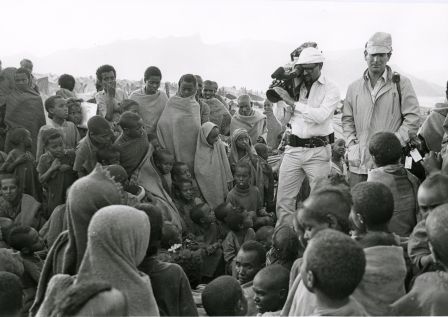
Trip of the unbountiful: BBC reporter Michael Buerk and cameraman Mohamed Amin in Korem
Stunned and profoundly moved, like the millions of Britons who had also seen the report, Geldof decided he would try and do something about it. As someone with something of a public profile and a chap who had many musical mates, he came up with the notion of producing a celebrity record for Christmas that would raise the issue’s profile and, hopefully, raise some dosh to help out the famine-stricken Ethiopians.
Now, while the origins of Band Aid are well recalled, the origins of the famine itself are not. An east African country, Ethiopia saw record low rainfall in 1984 and then into 1985, which affected the people of a large proportion of its northern provinces (including the area that is modern-day Eritrea). The impact of the drought was exacerbated by the lack of government preparation, partly but not entirely due to a lack of funds owing to their allocation instead to fighting insurgencies – successionist wars were taking place in Eritrea and Tigre. Indeed, at this time Ethiopia possessed the largest standing army in sub-Saharan Africa, thanks to the government spending 46 percent of GDP – yes, 46 percent – on the military, with just 5 percent or perhaps less on health.
By autumn ’84, the famine was so bad that Michael Buerk journeyed to Ethiopia for the second time that year (he’d previously been there in June), specifically visiting the town of Korem, where 40,000 refugees had converged in the hope of receiving food and medical aid. Buerk’s October 25 report made for a seven-minute blitzkrieg on the eyes, ears and emotions, as the sight of starving and dying, skeletal adults and children was accompanied by his assertion that this was a ‘biblical famine in the 20th Century’ and that aid workers on the ground (who, while totally committed, were completely overwhelmed) described the scene to him as ‘the closest thing to hell on Earth’. It’s estimated that 8 million Ehiopians became famine victims and up to 1 million died (yet that figure, to this day, is hotly disputed).
It’s perhaps also important to note that immediately following the report’s broadcast, UK aid organisations piped up on how little the rest of the world was doing to help the Ethiopian people, appealing for more to be done. However, their speaking out was sadly not going to bring about the change it should have done; ambitiously, in this regard, Geldof then was looking to do what they couldn’t.
A somewhat scruffy and unimpressive figure, Geldof had in fact been public school-educated in his native Ireland and had worked as a music journalist in Vancouver, Canada, prior to forming The Boomtown Rats. He was also opinionated and had more than a brusque manner about him when he wanted (an outburst on Irish TV some years before criticising politicians and the Catholic Church for Ireland’s problems had ensured his band could no longer actually play in that country). In which case, it’s no surprise that in plunging himself headfirst into securing the services of British pop’s top performers – all for free – for his Band Aid project, he was sure he’d succeed. He simply wouldn’t take no for an answer and, given his tactics in running the following year’s Live Aid are well known, he no doubt simply bullied many of his contemporaries into participating.
And participate they did. Exactly one month to the day after Buerk’s news report – and exactly one month to Christmas – on the morning of Sunday November 25, Geldof rolled up at dawn at SARM Studios in London’s Notting Hill. Alongside him was frontman of the successful synth-tastic band Ultravox, Midge Ure, who had written a melody to the lyrics Geldof had supplied him for Band Aid’s song. In actual fact, Ure had already recorded some basic tracks (the song’s keyboard melody, essentially) at his home studio the previous day.

Fashion faux-pas: but Bob Geldof doesn’t miss a publicity trick as he and the similarly sartorially challenged Midge Ure arrive at the SARM Studios to create the Band Aid single
This was to prove a smart move, for Geldof and Ure’s recording window was very narrow – they had been allotted no more than 24 hours by the studio to get the thing recorded and mixed. It was going to be a tough schedule, but, hey, the studio space was being given up for free (hence why it was taking place on a Sunday rather than during the week). First and foremost, though, Bob and Midge’s biggest concern was whether any of the performers who’d pledged to take part would actually turn up. Sure, they’d all agreed they would, but the proof would be in the pudding of them arriving on the day. And there was the very real possibility that Geldof would be left with egg on his face, as he’d announced live on BBC’s Radio 1 that the event was to take place, so the world’s media was ready and waiting at the studio for everyone to arrive, as well as video director Nigel Dick who was to capture footage from the day and create from it the single’s video.
Geldof needn’t have worried, though. One by one, the UK’s biggest chart acts rolled up – Duran Duran, Sting, George Michael, Spandau Ballet, Paul Weller (formerly of The Jam and now frontman of The Style Council), Bono and Adam Clayton of U2 and, last but not certainly not least, Sara Dallin, Siobhan Fahey and Keren Woodward, otherwise known as Bananarama (usually styled, the female trio rather wonderfully emerged dressed-down out of a runaround owned by one of their mums). Even Kool & The Gang’s James ‘J.T.’ Taylor and Shalamar’s Jody Watley (the only Americans on the record) were in attendance, as well as Status Quo’s Francis Rossi and Rick Parfitt and New Romantic oddity Marilyn, who hadn’t even been invited.
At 11am the work started. The coterie of pop and rock contemporaries all gathered in the studio, with Ure in the producer’s booth calling the shots. First of all, to get everybody into it, Geldof and Ure gathered them all together in a big group and had them sing the song’s repeated ‘Feed the world, let them know it’s Christmas’ crescendo. This also ensured they could capture the all-important group photo (above top) as early as possible.

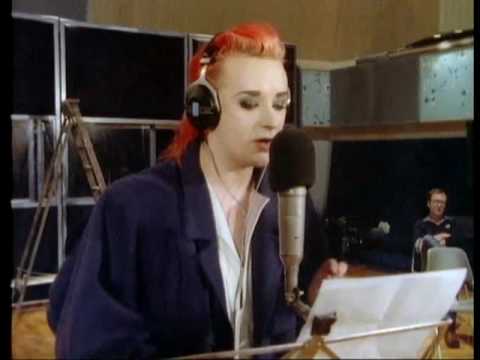
Dodgy hair and hair of the dog: Paul Young and members of Banarama, Heaven 17 and Duran Duran warble their lines (left), while Boy George, wobbling, makes it through his (right)
It had been Geldof’s desire to get the biggest chart acts of the day to lend the thing the biggest possible exposure (hence why, even though this was a charity initiative to aid black Africans, there were few black performers involved). So, given the combined record-selling stature standing together in the room (there was perhaps even more ego than hairspray in attendance), now unsurprisingly followed a bit of a stand-off over who would sing first – and potentially cock it up with everyone watching. In the end, it was Spandau Ballet crooner Tony Hadley who took the plunge and gave it a bash – singing the whole thing through all in one go (although, in actuality, both Sting and Duran Duran’s frontman Simon Le Bon had already recorded lyrics at Ure’s house the day before, so the latter could have a lyrical guide). The ice now broken, all the other artists who’d been assigned to sing went right the way through the tune as well – allowing Ure to decide which parts to allocate to which singers. Even Le Bon and Sting re-recorded their lyrics; the former to be part of the moment, the latter to provide necessary harmonies.
Solo artist Paul Young was chosen to deliver the song’s two opening lines, ‘It’s Christmas time, there’s no need to be afraid/ At Christmas time we let in light and we banish shade’. These lines and the others he delivered (he ended up singing the most of any artist) had been intended for David Bowie, who hadn’t been able to make it. Young was aware of this, but happily filled the rock/ pop god’s shoes. Bowie did make it on to the single, however, having recorded a spoken message and posting it to Geldof in time for recording day, so it could be utilised on the single’s B-side (a repeat of the song on the A-side, but with several such messages playing over the top). Indeed, Paul McCartney had done the same thing.
The song’s next two lines had been intended for Boy George, colourful frontman of white reggae band Culture Club and favourite of grandmas up and down the country. However, there was a bit a problem when it came to this – he wasn’t there. Geldof had been worried he might not turn up, as Culture Club were slap-bang in the middle of a US tour at the time, so, in the previous few days, had phoned George several times to secure his services. George had assured him he would be there, on time at 9am on the Sunday morning just like everyone else, especially when Geldof had last phoned him late the previous night.
‘Once Status Quo produced their bag of cocaine and the booze started to flow – I brought six bottles of wine from my flat, which disappeared in a minute – it became a party’ ~ the Band Aid recording, according to journalist Robin Eggar
The absence of the singer – who was a big draw for the project given his perfectly suited soulful voice and high recognition factor – made Bob angry; not a very wise move on George’s part. So Geldof immediately phoned George’s hotel in New York, waking him in the middle of the night over there and discovering he’d been partying into the wee hours. This merely angered Geldof more and, effing and blinding (what else?), he told the singer he’d book him on the next flight to London and he’d better make sure he was on it. Indeed, it was just as well Bob called back half-an-hour later to chivvy George along – the latter had fallen back asleep. Eventually, however George did make the flight, which was on Concorde, and made it to the studio for 6pm, by which time most people had drifted off home. He recorded his lines, getting through the ordeal with cheap booze that someone had had to purloin from a local off-licence owing to his monster hangover.
Other notable contributions on the single came from U2’s Bono (a minor name at the time, as his band was yet to make the really big time), who sang the ‘Well, tonight thank God it’s them instead of you’ line, made truly memorable by his characteristic delivery. And, actually, so proud of it was Bono to become that twenty years later he fought to have his version of the line included on the Band Aid 20 single in place of The Darkness’s Justin Hawkins’ attempt. Elsewhere, Phil Collins was brought in for drumming duties. Wearing an oh-so natty paisley patterned sleeveless pullover, Collins did his bit and his drumming provided the song’s percussion, in addition to an African-style rhythm that kicked-off the song – sampled from Tears For Fears’ debut album The Hurting, in fact.

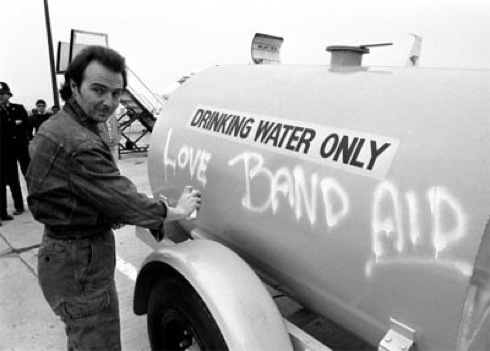
When the music stopped: Geldof challenges Thatcher (l); Ure begins the delivery challenge (r)
The recording finally finished, Ure and Geldof set to mixing and then polishing the production. They completed the single, entitled Do They Know It’s Christmas?, after an epic – and yet impressively short – 21 hours, leaving SARM Studios at 8am the following morning. Now Monday, the single was immediately sent off to the pressing plant which had promised, free of charge, to have the thing pressed the following day. The video was completed in short time too, just 48 hours after the song, by Nigel Dick and a small team, ready to be sent off to the BBC.
Indeed, BBC 1 controller Michael Grade watched the video and immediately ordered for all programmes on the station that day to run five minutes early so it could be accommodated on that evening’s edition of the legendary Top Of The Pops – breaking with tradition in the process too, for Do They Know It’s Christmas? became the first song ever to be featured on the chart show prior to release. David Bowie, having flown in specially, recorded a message for the start of the transmission.
However, the record-buying public had already been stirred into something of a frenzy for the song thanks to Geldof appearing on DJ Mike Read’s Radio 1 Breakfast Show on the Monday morning to promote it, in addition to it making the pages of every tabloid paper that day too, of course. Radio 1 played its part and more, as its DJ that Monday played the tune every hour, ensuring it received maximum exposure (at that time, yet to be released singles usually recieved seven or eight plays a day on the station).
The following week, Do They Know It’s Christmas? was finally released – on December 3, to be exact. In this week alone, it moved more units than all the other the songs on the chart combined – a total of around one million – ensuring it became the UK’s fastest ever selling single. Inevitably, it went straight in at #1 and stayed there for five weeks, becoming that year’s coveted Christmas #1 in the process. And it was coveted too, considering the hugely popular pop duo/ foursome Wham! (featuring George Michael, no less) released their now legendary seasonal ditty Last Christmas at the same time. In any other year, Last Christmas would surely have made the top spot that Crimbo, but not this year; Band Aid’s effort ensured it only got as high as #2. Yet, that did mean that Michael featured on both the top two festive hits that year. Charitably, Wham! waivered all profits they made from their single and donated them to Band Aid’s cause.
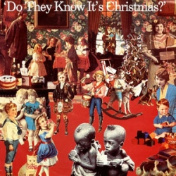

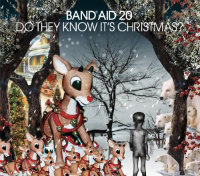
Cover story: the original Band Aid artwork by Peter Blake (left); the 1989 sequel (middle) and 2004’s effort – apparently a replacement for a ‘too dark’ creation from Damien Hirst
And, by the New Year, it was obvious that it had become a cause too. Overall, three million copies of Do They Know It’s Christmas? were sold, as well as another million in the US where its video was constantly played on MTV; when re-released in the UK the following Christmas, the single even reached #3. Apparently, it raised a grand total of £8 million – truly staggering for just one song. The question now for Bob and Midge was just what exactly to do with the money. They’d created an instant monster and so did the only thing they could – create an actual charity and run it, The Band Aid Charitable Trust. A month or two later, they travelled out to Ethiopia and helped dish out the food, water and other aid the money had been spent on. And, prior to this, Geldof publicly and very memorably had faced off with Prime Minister Margaret Thatcher over the Government waiving VAT on the single so that 100 percent of its profits went to charity – he had promised the public it would when he had originally publicised the song on Radio 1 the morning after its recording. With the mood of the nation against it, the Government reluctantly caved and Bob achieved another triumph.
And yet another triumph, of course, was on the horizon in the shape of Live Aid, when he and Ure realised that more could – and should – be done for the famine-struck of Ethiopia. The Wembley mega-concert raised a staggering £150 million for the cause; going a step further in redefining what was achievable through the combination of popular music and charity. However, that wasn’t the end of the story when it came to Band Aid itself. Five years after the release of the song’s original version, Geldof and Ure reunited along with a host of other, admittedly rather lesser, stars (and Bananarama again) to raise dosh once more for the Tigre region of Ethiopia as its harvest failed again. Then, twenty years after the original, Coldplay’s Chris Martin led the drive for a Christmas charity single for famine relief in Darfur and Sudan and, with Bob and Midge quickly getting involved, Band Aid 20 came together – this time, of course, featuring a whole new generation of popsters and rockers. Both new versions of Do They Know It’s Christmas?, while critically panned, proved hugely popular with the public, topping the charts at Crimbo and raising millions.
Quite frankly, and this isn’t exactly news to anyone, it’s not very fashionable to like Do They Know It’s Christmas?. In fact, Geldof has recently stated that he’s responsible for creating the worst Christmas song ever recorded. Well, I can’t say I see it that way. Its lyrics and sentiment could be seen as overblown, insipid or even illogical, but methinks that misses the point. The thing possesses a great, infectious melody and its synthy-ness is pure mid-’80s pop. Plus, while its easy to poke fun at or dismiss Band Aid’s cause (especially in these cynical and sardonic times of today), it’s perhaps harder to genuinely embrace what, at its best, it stands for… quite simply, what Christmas is all about: thoughtfulness, goodwill and giving. And dodgy mullets on New Romantics and unsubtle chicanery from Status Quo, of course. So, here’s to you, raise a glass for everyone – even those Band Aid detractors out there; I mean, come on, do they know it’s Christmas time at all? 
~~~
Band Aid 1984 participants (in sleeve order)
- Adam Clayton (U2)
- Phil Collins ~ played drums on the recording
- Bob Geldof (The Boomtown Rats)
- Steve Norman (Spandau Ballet)
- Chris Williams (Iron Static Overdrive)
- Chris Cross (Ultravox)
- John Taylor (Duran Duran) ~ played bass on the recording
- Paul Young
- Tony Hadley (Spandau Ballet)
- Glenn Gregory (Heaven 17)
- Simon Le Bon (Duran Duran)
- Simon Crowe (The Boomtown Rats)
- Marilyn
- Keren Woodward (Bananarama)
- Martin Kemp (Spandau Ballet)
- Jody Watley (Shalamar)
- Bono (U2)
- Paul Weller (The Style Council)
- James ‘J.T.’ Taylor (Kool & The Gang)
- George Michael (Wham!)
- Midge Ure (Ultravox) ~ played keyboards on the recording
- Martyn Ware (Heaven 17)
- John Keeble (Spandau Ballet)
- Gary Kemp (Spandau Ballet) ~ played guitar on the recording
- Roger Taylor (Duran Duran)
- Sara Dalin (Bananarama)
- Siobhan Fahey (Bananarama)
- Sting
- Pete Briquette (The Boomtown Rats)
- Francis Rossi (Status Quo)
- Robert ‘Kool’ Bell (Kool & the Gang)
- Dennis Thomas (Kool & The Gang)
- Andy Taylor (Duran Duran)
- Jon Moss (Culture Club)
- Rick Parfitt (Status Quo)
- Nick Rhodes (Duran Duran)
- Johnny Fingers (The Boomtown Rats)
- David Bowie ~ contributed via a recording mailed to Geldof, then dubbed on to the single
- Clare Grogan (Altered Images)
- Boy George (Culture Club)
- Holly Johnson (Frankie Goes to Hollywood)
- Sonny Garner (The Lamplighters)
- Paul McCartney ~ contributed via a recording mailed to Geldof and then dubbed on to the single
- Stuart Adamson (Big Country)
- Bruce Watson (Big Country)
- Tony Butler (Big Country)
- Mark Brzezicki (Big Country)
- Jools Holland (Squeeze)
~~~
Lyrics/ singers
| ‘It’s Christmas time, there’s no need to be afraid’/ | Paul Young | ||
| ‘At Christmas time, we let in light and we banish shade’/ | Paul Young | ||
| ‘And in our world of plenty, we can spread a smile of joy’/ | Boy George | ||
| ‘Throw your arms around the world, at Christmas time’/ | Boy George | ||
| ‘But say a prayer; Pray for the other ones’/ | George Michael | ||
| ‘At Christmas time it’s hard, but when you’re having fun’/ | George Michael/ Simon Le Bon | ||
| ‘There’s a world outside your window, and it’s a world of dread and fear’/ | Simon Le Bon/ Sting | ||
| ‘Where the only water flowing is the bitter sting of tears’/ | Tony Hadley/ Sting | ||
| ‘And the Christmas bells that ring there, are the clanging chimes of doom’/ | Sting/ Bono | ||
| ‘Well, tonight, thank God it’s them, instead of you’/ | Bono | ||
| ‘And there won’t be snow in Africa, this Christmas time’/ | Boy George/ Paul Weller/ Paul Young | ||
| ‘The greatest gift they’ll get this year is life’/ | Bono/ George Michael/ Boy George | ||
| ‘Where nothing ever grows’/ | Paul Young | ||
| ‘No rain nor rivers flow’/ | Glenn Gregory | ||
| ‘Do they know it’s Christmas time at all?’/ | All | ||
| ‘Here’s to you’/ | Marilyn/ Glenn Gregory/ Rick Parfitt/ Francis Rossi | ||
| ‘Raise a glass for everyone’/ | Paul Young | ||
| ‘Here’s to them’/ | Marilyn/ Glenn/Rick Parfitt/ Francis Rossi | ||
| ‘Underneath that burning sun’/ | Paul Young | ||
| ‘Do they know it’s Christmas time at all?’/ | Paul Young | ||
| ‘Feed the World’ (repeat)/ | All | ||
| ‘Feed the World, Let them know it’s Christmas time again’ (repeat)/ | All | ||
John Lennon: Oct 9 1940 – Dec 8 1980

‘I talked to Yoko the day after he was killed and the first thing she said was, “John was really fond of you.” The last telephone conversation I had with him we were still the best of mates. He was always a very warm guy, John. His bluff was all on the surface. He used to take his glasses down, those granny glasses, and say, “It’s only me.” They were like a wall, you know? A shield. Those are the moments I treasure’ ~ Paul McCartney

‘There are two basic motivating forces: fear and love. When we are afraid, we pull back from life. When we are in love, we open to all that life has to offer with passion, excitement, and acceptance. We need to learn to love ourselves first, in all our glory and our imperfections. If we cannot love ourselves, we cannot fully open to our ability to love others or our potential to create. Evolution and all hopes for a better world rest in the fearlessness and open-hearted vision of people who embrace life.’ ~ John Lennon
‘The thing the sixties did was to show us the possibilities and the responsibility that we all had. It wasn’t the answer. It just gave us a glimpse of the possibility.’ ~ John Lennon
‘Music is everybody’s business. It’s only the publishers who think people own it.’ ~ John Lennon
‘I’m not afraid of death because I don’t believe in it. It’s just getting out of one car, and into another.’ ~ John Lennon

Retro Crimbo/ Playlist: Listen, my friends – yule love this!


In the words of Moby Grape… listen, my friends! Yes, it’s the (hopefully) monthly playlist presented by George’s Journal just for you good people.
There may be one or two classics to be found here dotted in among different tunes you’re unfamiliar with or never heard before – or, of course, you may’ve heard them all before. All the same, why not sit back, listen away and enjoy; for in the words of Noddy Holder, ittttttt’s… well, actually I’ll leave him to tell you, shall I…?
CLICK on the song titles to hear them
~~~
Bob Dylan ~ The Night Before Christmas
The Beatles ~ Christmas Time (Is Here Again)
John & Yoko and The Plastic Ono Band ~ Happy Xmas (War Is Over)
Slade ~ Merry Christmas Everybody
Elton John ~ Step Into Christmas
George Harrison ~ Ding Dong Ding Dong
Greg Lake ~ I Believe In Father Christmas
The Monkees ~ Christmas Is My Time Of Year
The Kinks ~ Father Christmas
Bing Crosby and David Bowie ~ Peace On Earth/ Little Drummer Boy
Kate Bush ~ December Will Be Magic Again
Aled Jones ~ Walking In The Air
Dennis Waterman and George Cole ~ What Are We Gonna Get ‘Er Indoors?
Band Aid ~ Do They Know It’s Christmas?
Paul McCartney ~ Once Upon A Long Ago
The Pogues and Kirsty MacColl ~ Fairytale Of New York
David Essex, Dave Hill, Rob Davis, Jona Lewie, Don Powell, Dave Mount, Showaddywaddy and Justin Lee Collins (Bring Back The Christmas Number 1) ~ (It’s Christmas) I’m Going Home
Retro Crimbo: the Holidays are coming…

Yes, it’s December 1, folks, and as Advent gets underway, it can only mean one thing… that’s right, it’s time for Santa Yoda to make an appearance, because – oh yes – George’s Journal has now officially entered its Christmas zone.
Yup, whether you like it or not (and I very much hope you all do) the Retro Crimbo season is upon this merry little blog from now until the yuletide itself. But what does that mean? Well, peeps, it means that you can look forward to a most seasonal of playlists this month (as ever, populated by both vintage classics and rarities); an article on the making of a true Christmas-defining tune; a new piece for the ‘Legends corner’ about a pair of very merry, classic comic performers; a run-down of top festive films by yours truly and, as if all that’s not enough, a wallow in the best – and some of the best forgotten – of classic Christmas TV past.
So those are your treats from me this yuletide – surely enough to turn any Scrooge pro-Crimbo? And what do I ask of you in return? Well, merely to hurry up and put up that Christmas tree in the corner of the room there you’re likely to put off for the next couple of weeks!
In a short while, Crimbo crocodiles…

Macca’s Beatles breakout: The making of Wings’ Band On The Run
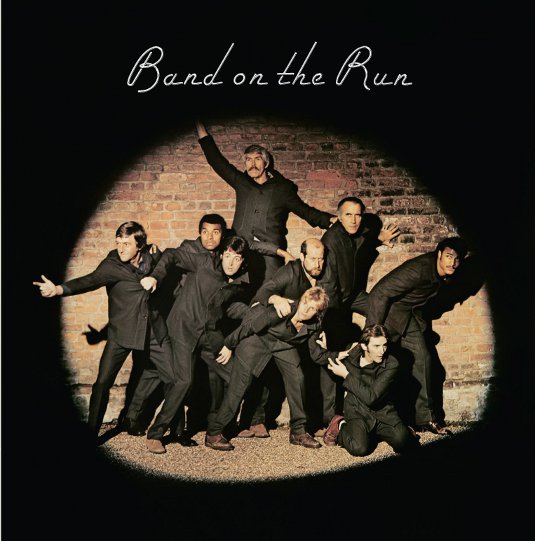
Spotlighted: Paul and Linda McCartney and Denny Laine on the album cover with (l-r) Michael Parkinson, Kenny Lynch, James Coburn, Clement Freud, Christopher Lee and John Conteh
According to Alan Partridge, Wings were ‘the band The Beatles could have been’. Yes, it’s fair to say few have agreed with him over the years. However, like it or not, it’s indisputable that Paul McCartney’s post-Fabs pet project did manage to achieve both critical and mass success – once at least – with the 1973 super-smash album Band On The Run.
Earlier this month, this very album found itself on the hot-to-trot shelves in record stores once again, as it was re-issued in three swish, dynamic new versions. Punters could buy a 1-disc, 3-disc or even a 4-disc deluxe edition (replete with a 120-page hardback book of previously unseen photos from behind-the-scenes of the record). But is it necessary? Does this album really deserve such a fuss to be made of it, or indeed even to be re-released?
Well, I’m damned if I know – after all, it’s an album that’s hardly out of print in any case – but what I do know, and I’m sure of, is that Band On The Run is a fine album. Sure, I’m a big Beatles fan, but I will freely admit that, in general, Paul McCartney’s solo (and/ or Wings-produced) work wasn’t as good nor do I like it as much as John Lennon’s – or maybe even George Harrison’s – solo work. However, just to dismiss the former’s post-Fabs career entirely, as some rather cruel music critics down through the decades have, is not something I’ll do either. There’s surely golden nuggets to be found in there, namely the singles Another Day, Maybe I’m Amazed, My Love and Live And Let Die. And, for me, the Band On The Run album is one of those shining moments too.
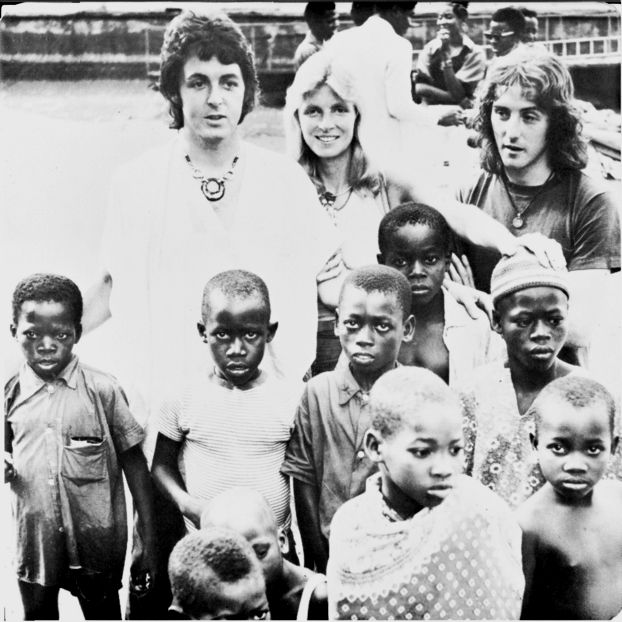
We’re so street: Paul – with Linda and Denny – trying out the Macca charm on rather nonplussed-looking kids in downtown Lagos, but that’s the least of their troubles…
However, it did take Macca three long years to deliver this shining moment. Following the break-up of The Beatles in early 1970, McCartney and wife Linda (née Eastman) – a New York heiress and established photographer – upped sticks and moved their family, including Linda’s daughter Heather from her first marriage and the barely born Mary, to a farm on Scotland’s Mull of Kintyre. As he and his family lived an apparently idyllic existence, this period will always be remembered for Paul sporting a thick early post-Fabs beard, immortalised (as he cradles baby Mary in his coat) on the rear cover of his first solo album, McCartney. Far from well recalled nowadays, McCartney was actually a surefire hit; it was recorded while the finishing touches were applied to Let It Be and was released in March 1970, reaching #1 in America and #2 in the UK. Musically, however, it’s perhaps only truly memorable for the top song Maybe I’m Amazed, which was actually written a year before – and, oddly, its proper studio version has never been released as a single.
McCartney didn’t rest on his laurels, though, releasing two albums in 1971. The first, Ram, was written by Paul with input from Linda and came out in May. It wasn’t exactly critically acclaimed but, like McCartney, went down well with punters. The second, Wild Life, released in December, is perhaps more historically important as it was the first release of Macca’s new band Wings, officially formed the month before. Featuring Linda (most often on keyboards and delivering harmonies), former Moody Blues leader Denny Laine on lead guitar and Paul, well, doing everything else, Wings unfortunately didn’t get off to the most auspicious start, for Wild Life was pretty much ignored by the public and disappointed the critics.
Following this, and realising they needed to gel and get out and properly play, Paul, Linda and Denny decided to go on tour around the UK – but they went about it in a surprising, very back-to-basics manner. Packing up their lives, they – complete with kids (including new McCartney baby Stella) – drove around the country, going from gig to gig, in a van. And the venues they frequented were far from Shea Stadium; more like student unions. Indeed, so limited had Wings’ output been so far, they tended to repeat two or three songs each set. Still, the touring served its purpose – they became a tighter band and had earned a level of respect as a new three-piece that hadn’t attempted to jump the queue like some sort of supergroup, but had put the hours in reaching out to fans and converting others like any new band has to.
Still, the proof would always be in the pudding that was their studio releases and their chart placings, and the new-look Wings (for it now boasted the additions of guitarist Henry McCullough and drummer Denny Seiwell) didn’t leave the public and critics waiting long for their next offering, Red Rose Speedway, released in May 1973. Unlike the group’s first album, this one went down well with the punters, peaking at #1 in both the US and Australia and at #5 in the UK. Indeed, featured on it too was the deep, rich, imperious My Love (predictably, Paul was inspired by Linda when writing it), which deservedly topped the charts in the States. All the same, Red Rose Speedway left the critics cold – perhaps the band should have included on it the thrilling theme song they produced for the 1973 Bond film Live And Let Die, which they recorded during the album’s sessions? This single, after all, proved their first critical success, reached #2 on the US charts and was nominated for an Oscar. Either way, Paul & co. didn’t pause to ponder on it.
Come September and the band were recording the next – their third – album. In Nigeria. Yes, that’s right, Nigeria. In hindsight, Macca’s decision to hop down to Africa to record the latest album of his fledgling group may seem a little odd, but it was always his intention to fly out somewhere exotic and record the thing outside the UK. Why? His idea was to soak up some non-British culture and customs that might find their way on to the recording. On his list was the rather salubrious Barbados, but mostly because of the uniqueness of the notion, he plumped for Lagos, Nigeria’s capital. Unfortunately, however, the entirety of the band wasn’t exactly down with his decision and a day before they were due to set out, both McCullough and Seiwell pulled out of the trip, leaving McCartney, his wife and Laine to fly out on their own and, yes, record the whole album as a three-piece only. Which also meant that, adequate drummer though he was, Paul would now have to play drums on every track.
Unprepared for this and, understandably, hurt by this slight, the trio now had a challenge on their hands, but this challenge was only to be increased by two significant factors. The first was their discovery that the EMI recording studio in Lagos they were to use was rather more basic than had been expected – McCartney had to suggest to studio assistants Innocent and Monday (two names he has claimed he relished saying) setting up individual recording booths within the studio, as if this were a new concept to the world of music. And the second was that, just days into their trip, Paul and Linda had the album’s demo tapes stolen when they were held up one night, ensuring the band now had to record the whole thing from memory. Not exactly very easy.
“[Band On The Run is] the finest record yet released by any of the four musicians who were once called The Beatles.” ~ John Landau, music critic for Rolling Stone
In spite of these setbacks, though – and, who knows, in some ways maybe because of them – they managed to hit their new album out of the ballpark. Released in early December in both the UK and the US after overdubs work was completed in London, the eponymous Band On The Run (named after its opening number) proved a knockout with the critics and, after a slow start, with the public too. On three separate occasions it hit the top spot in the US album charts, going platinum in the process. Over here, it rose to #1 on the album charts as well and remained there for seven weeks during the summer, ending up the best selling record of 1974.
Indeed, a fair amount of the album’s success with the great unwashed is probably attributable to the popularity of its two singles. The first released off the album was its second tune, Jet (see video above). An explosion of melody, guitar, keyboard and brass, Jet is the perfect exponent of Wings at their best. It’s an infectious tune that finely fits with the Glam Rock era in which it was recorded, but also stands up as a damn good listen on its own – playwright and critic Graham Reid has described it as a ‘power-pop gem’. It also features truly nonsensical lyrics (not for the first time for a McCartney recording, admittedly), with its narrative seeming to be about a woman’s desire to marry young and then the trouble this brings her; however, ‘her’ name Jet was actually derived from the McCartney farm’s pony of the same name. Released in February 1974, Jet reached #7 in both the UK and the US.
Going several chart positions better on its release five months later (#1 Stateside and #3 over here) was the album’s opener, Band On The Run (see video below). An all-time classic pop song, it’s actually made up of three distinct melodic parts, very much in the manner of The Beatles’ Happiness Is A Warm Gun – the first part soft and lilting, the second more soft-rock and the third a fully fledged rock-out. With its themes of going on the lamb and liberation, it was a conscious – if unsubtle and somewhat quaint – effort on McCartney’s part to tap into the feeling of anti-establishment escape prevalent in early ’70s youth culture. A little amusingly, it also features the line ‘If we ever get out of here’ that apparently Paul remembered being uttered by George Harrison during one of The Beatles’ infamous business meetings.
The rest of the album, admittedly, does well to live up to its two openers, but certainly has a good bash at it and, doubtless, features a hell of a lot of variety in doing so. The third tune Bluebird is a soft, likeable and harmony-laden ballad; Mrs Vandebilt is a harder, strong bass-line driven effort, memorable for its ‘ho, hey ho’ chant; Let Me Roll It is McCartney’s favourite song from the album, a bluesy effort featuring a Lennon-like vocal delivery, it’s dominated by a simple but very effective guitar riff; Mamunia is a lilting, ecological-themed ditty showered with African rhythms and No Words is another effective – very ’70s – love song. Helen Wheels (about the McCartneys’ Land Rover – ‘Hell On Wheels’) was included on the US version of the album, but not the UK’s.
The album’s final two compositions perhaps deserve deeper focus. Picasso’s Last Words (Drink To Me) owes its origins to a chance meeting between McCartney and actor Dustin Hoffman in Jamaica, while the former was holidaying there and the latter was filming the film Papillon with Steve McQueen there. Enjoying each other’s company, the two hung out for a few days, during which time Hoffman asked of the songwriter whether he could rustle up a tune about any subject – for instance one about painter Pablo Picasso’s last words ‘Drink to me’, as recorded in an article he’d just read in Time magazine. Macca said he’d give it a bash and the result, much to Dustin’s delight, was Band On The Run‘s penultimate song. To my taste, although an appealing melody, the number isn’t the band’s best, plagued by echoes of earlier songs on the album (Jet and Mrs Vandebilt), which are rather crowbarred into the thing.
However, for me, the album’s last number Nineteen Hundred And Eighty-Five is an undoubted triumph (see video at end of article). Reaching a rousing climax at its end, it’s a fatalistic, end-of-the-world, lovers-destined-to-be-together sort of tune driven brilliantly along by an irresistible piano line and percussion, while featuring rocking guitar work and Live And Let Die-style brass. It makes for more than a fitting finale to proceedings and, in recognition of its quality and its popularity among his fans, McCartney recently and rightfully added it to his tour set list.

Midas touch: Wings taking flight as they receive Gold Discs for Band On The Run’s record sales
All in all then, Band On The Run quickly established itself as the most popular and successful album released by any of The Beatles following the quartet’s break-up, as well as (on a personal level) McCartney’s first, proper and obvious salvo to the critics that he could do it on his own away from his former bandmates – and with songs he’d written on his own and after The Fabs’ untimely demise. Indeed, in addition to selling around seven million copies worldwide and charming the critics, the album went on to win two Grammys in 1975 (Best Pop Vocal Performance By A Group and Best Harmonies).
And yet, despite all of that, that’s not the end of the story. After all, who could forget maybe Band On The Run‘s most enduring hallmark? Yes, that album cover. As we all know, many of the best ideas are the simple ones and, having the band and a few celebs promoting an album with the title it has by being photographed as if caught in a spotlight after escaping from stir, has to rather nicely be up there with best of them. The brainchild of London-based photographer Clive Arrowsmith (who, among other things, directed the iconic Two Tribes video for Frankie Goes To Hollywood), the image was captured against a stable wall in Osterly Park, Hounslow, and rather wonderfully featured a random collection of famous ’70s faces in addition to those of Paul, Linda and Denny.
The additional ‘bandmates’ number famed screen actor Christopher Lee; the British institution that is chatshow host Michael Parkinson; Hollywood legend James Coburn; former Liberal MP, gourmet and grandson of Sigmund Freud, Clement Freud; comedian Kenny Lynch, who shared the bill with The Beatles at a number of their early performances, and Liverpool boxer and World Light-Heavyweight Champion-to-be John Conteh, whose fights Macca and his wife often attended. But why on earth did the photo feature this rag-tag – if rather impressive – bunch? Well, according to Paul, these were the only peeps whose numbers he had in his phonebook and were in the UK at the time. Go figure, I suppose.
Still, to my mind, the off-kilter and fantastical touch their presence brings to the cover somehow fits and even enhances the album’s opening track with its appealing ‘storybook’-style tale of that ‘band on the run’. And, methinks, that’s very worthwhile. Plus, of course, it makes for a damn good album cover, something with which I’m sure Alan Partridge would agree.
~~~
For more on and to purchase the three new re-issued versions of Band On The Run, go to http://www.paulmccartney.com/bandontherun
~~~
Yoda & co. picture overload: 30 years since The Empire Struck Back
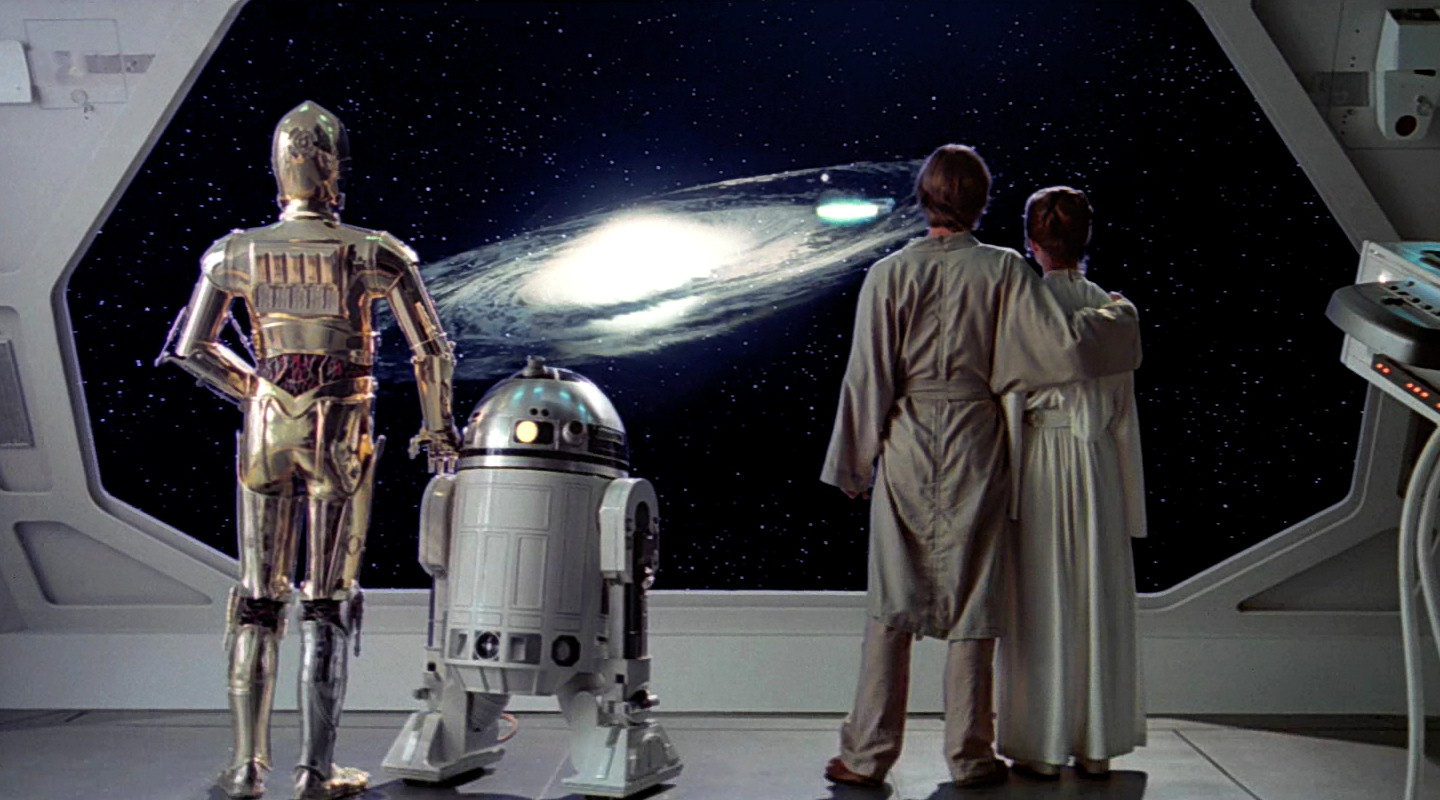
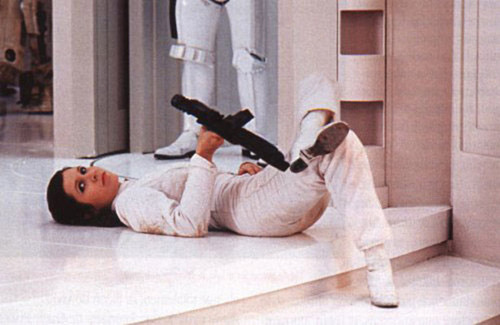
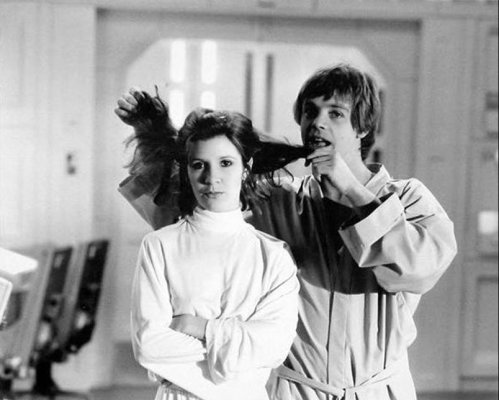
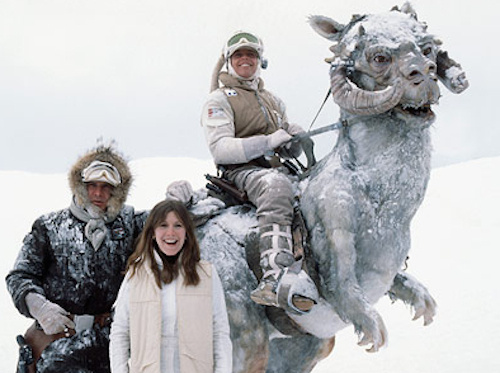
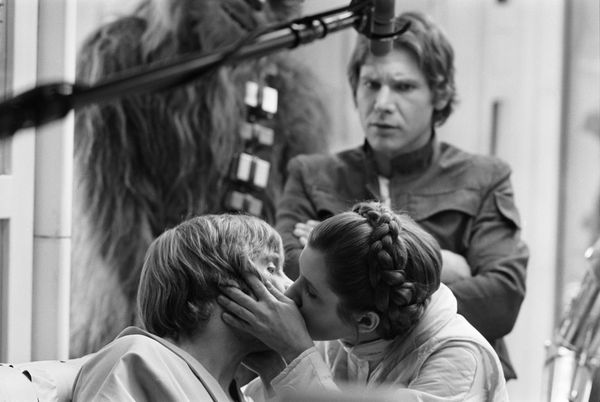
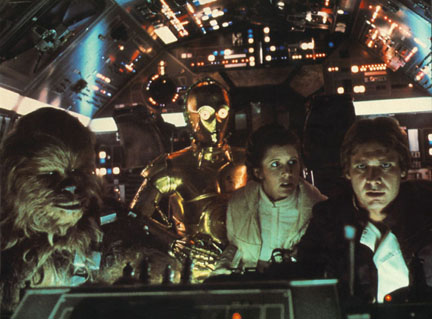
Space tableaux: ‘What do you think of this new wallpaper, Leia? It was on offer at B&Q…’
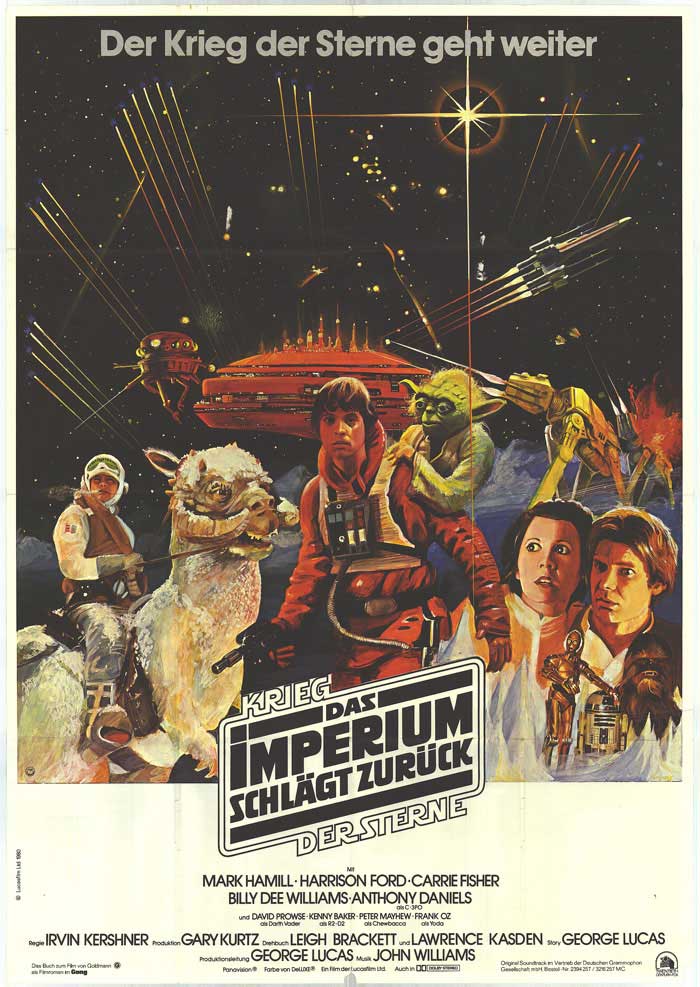
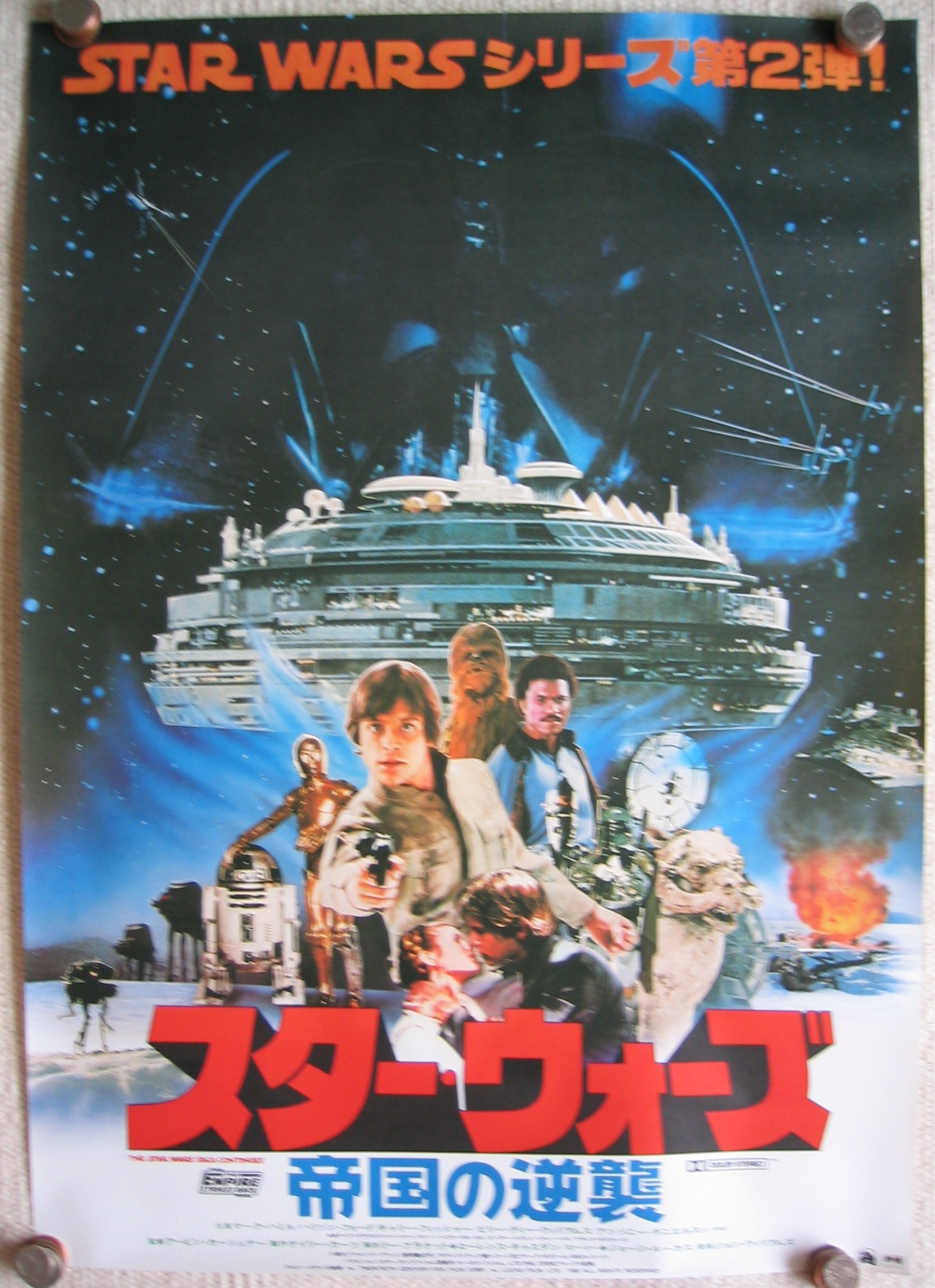
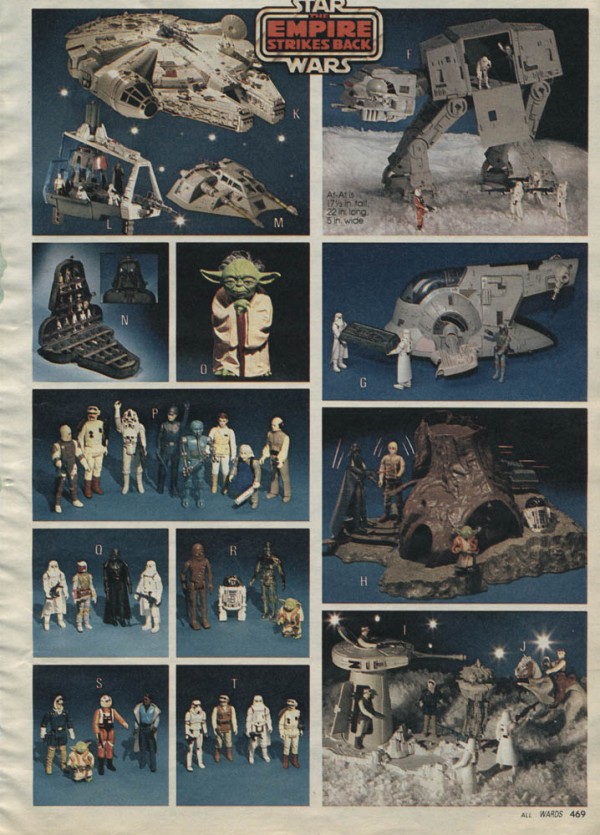
Right, all you hard-hearted seething Sith-like folks out there who aren’t fans of the the frankly fantastic Yoda and his friends, look away now. Yes, for realising this year marks the 30th anniversary of the release of The Empire Strikes Back (1980), as well as the fact it’s November and if I didn’t blog about said film now it wouldn’t be this year any longer, I’ve come up with this very piece – a pictorial tribute to that aforementioned flick.
But why the Boba Fett should I blog about The Empire Strikes Back? Well, humour me, peeps, because Empire is one of my absolute favourite movies and, surely, is the best of the Star Wars film series, what with its wonderful plotting, pacing, thrills, spills, mysticism, darkness and cliff-hanger ending. In short, in terms of science-fiction or ‘space opera’ filmmaking (if you want to be all pedantic about it, which I know some are), for me, this movie is the s***.
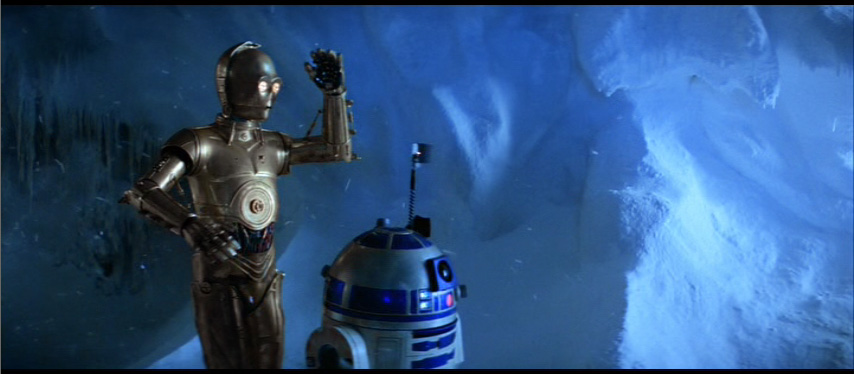
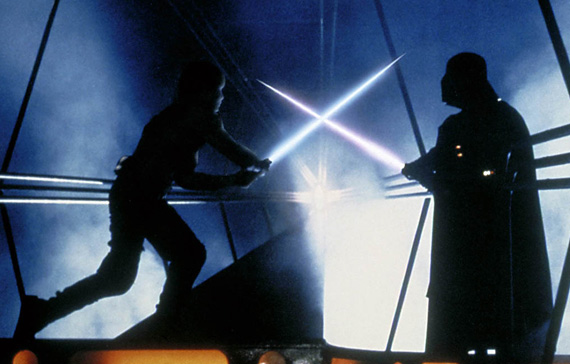
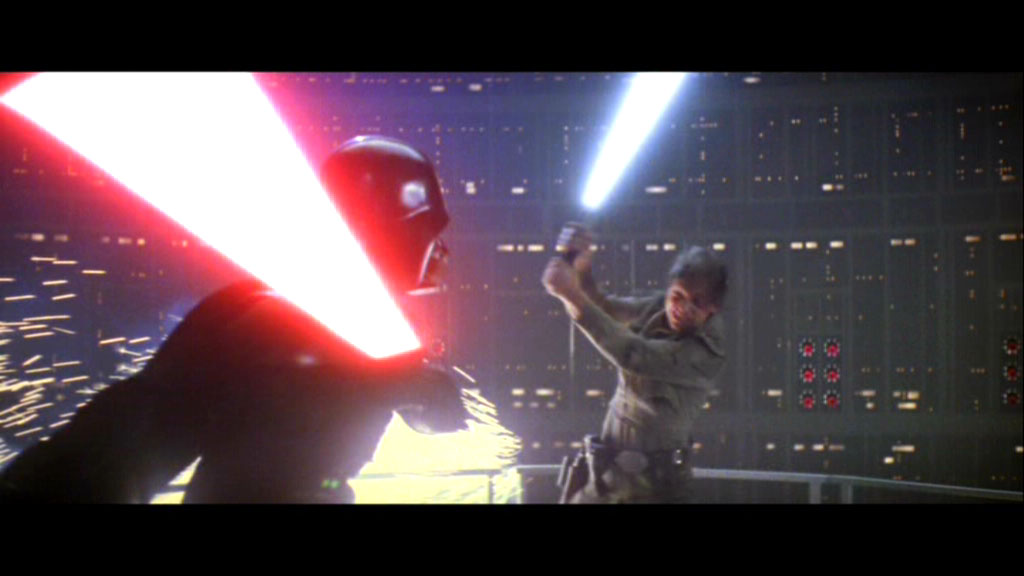
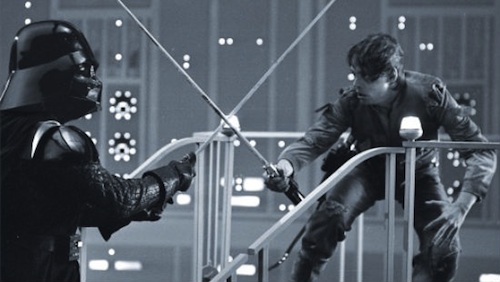
So then, without further ado, let’s let the pictures (some of them on-set stills, others behind-the-scenes candid moments) speak for themselves…
Remember to CLICK on the images for full size
~~~
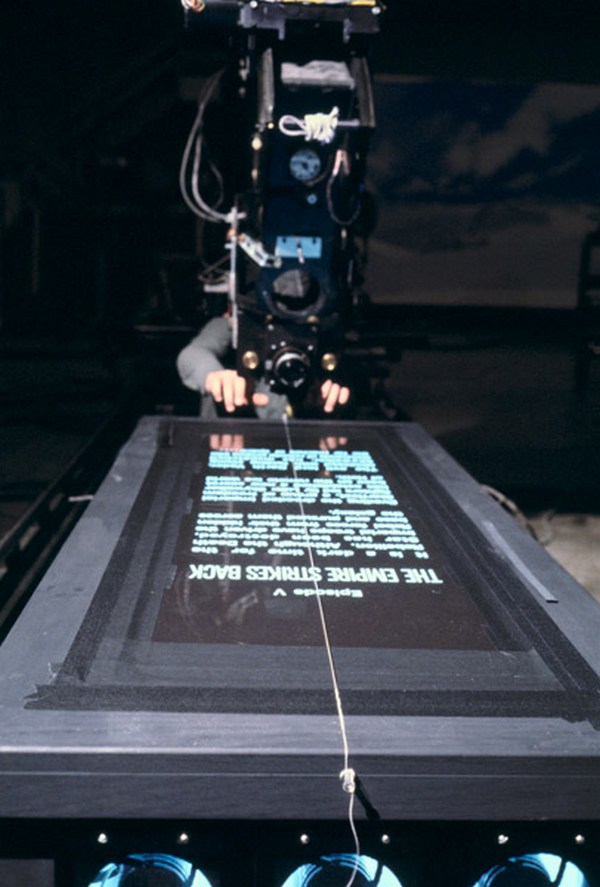
‘When the film was released in 1997 and later put into DVD, I was very gratified that it was almost unchanged, except the sound was much improved, whereas Star Wars and Jedi had big changes.’ ~ Director Irvin Kershner on his masterpiece The Empire Strikes Back
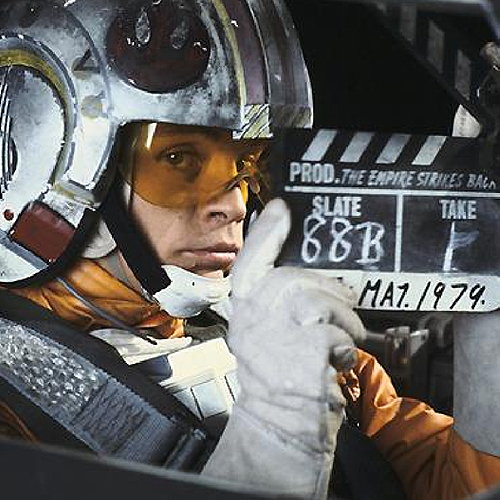
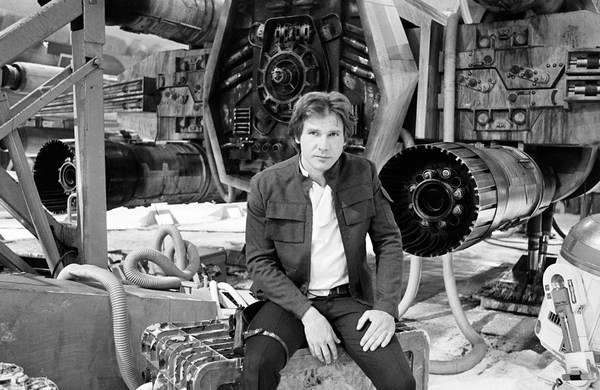
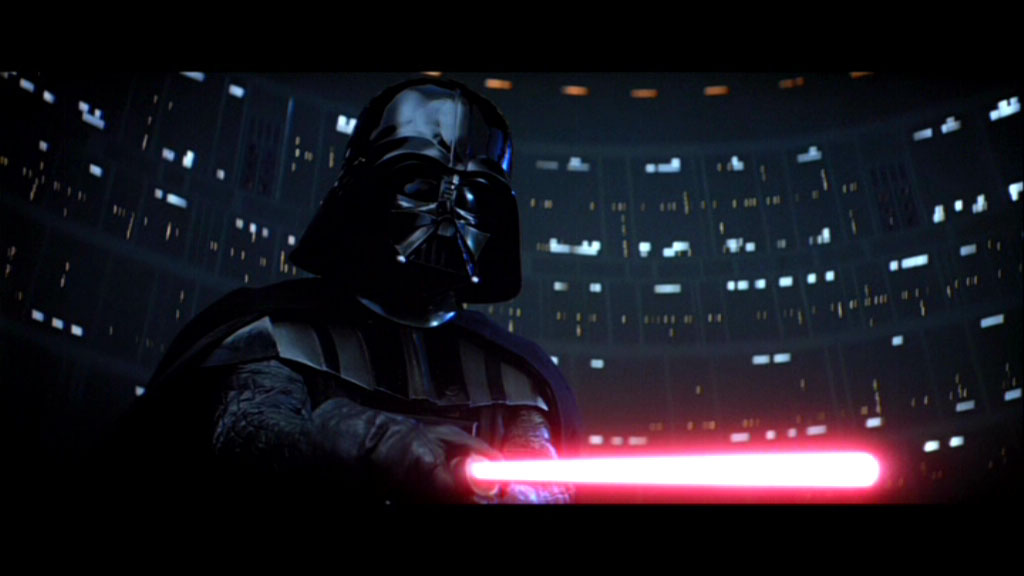
Darth Vader: ‘Impressive. Most impressive. Obi-Wan has taught you well. You have controlled your fear. Now, release your anger. Only your hatred can destroy me.’

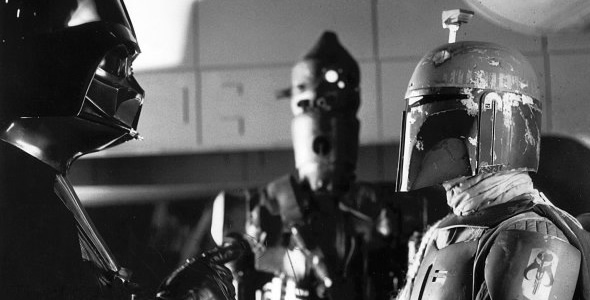
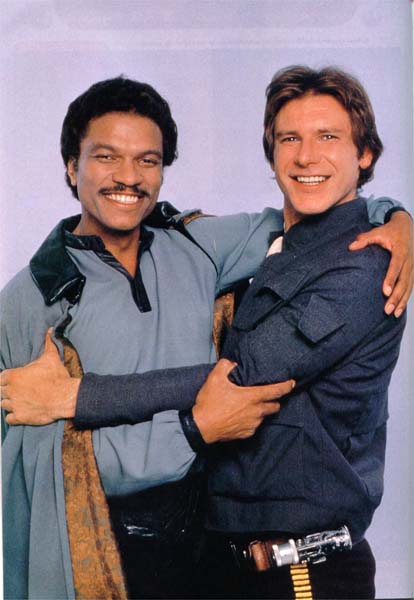
Lando Calrissian: ‘What have you done to my ship?’ Han Solo: ‘YOUR ship? Hey, remember you lost her to me, fair and square.’
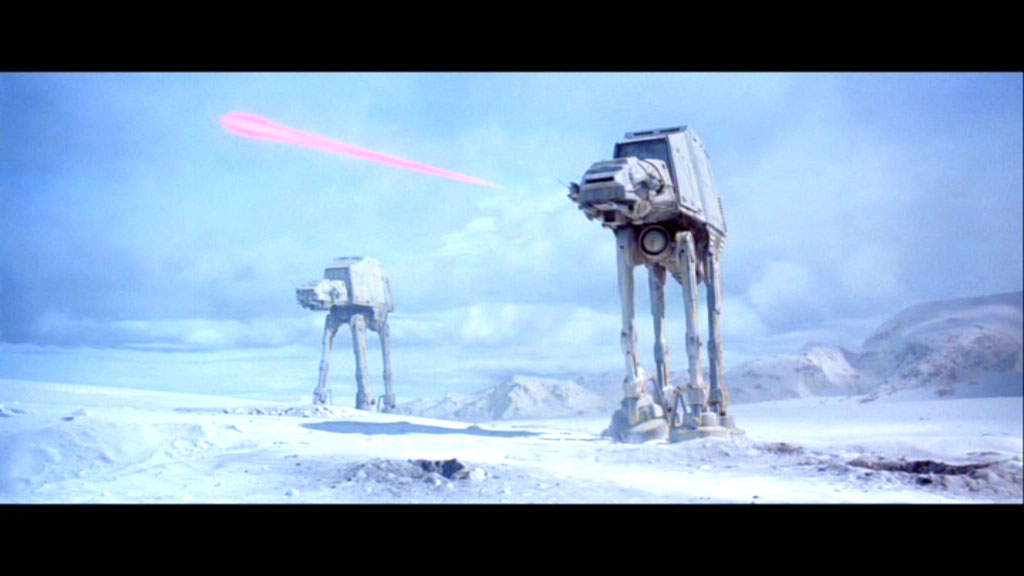
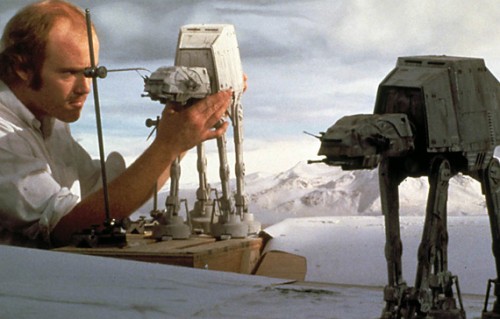
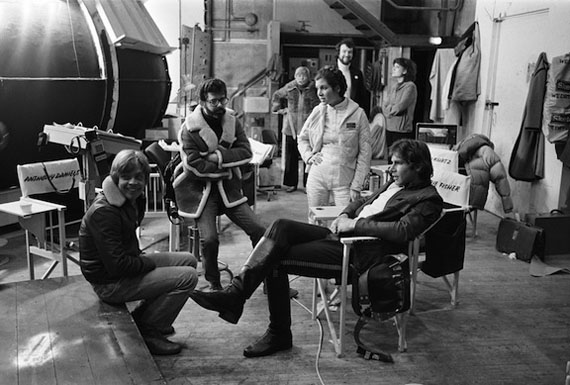
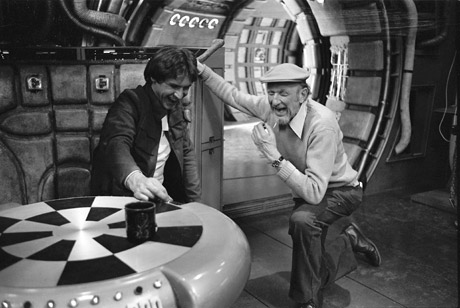
‘We kept trying different things and couldn’t get the right line. We were into the lunch break and I said to Harrison try it again and just do whatever comes to mind. That is when Harrison said the line, “I know”.’ ~ Director Irvin Kershner on the creation of The Empire Strikes Back’s most memorable line
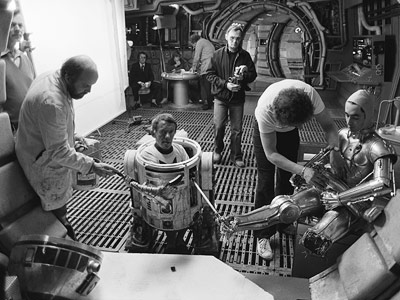
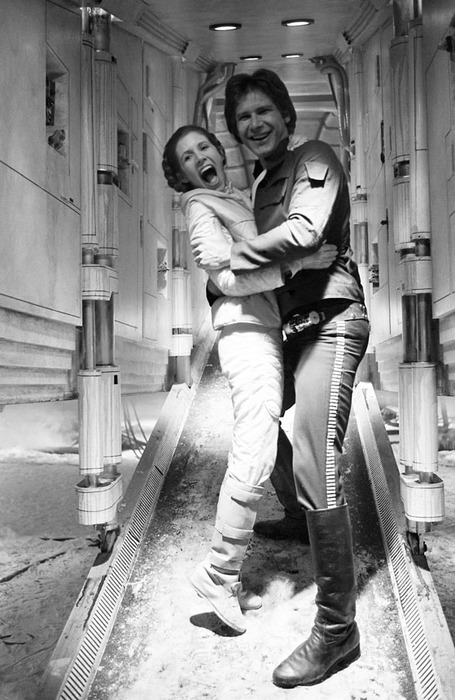

C-3P0: ‘Sir, the possibility of successfully navigating an asteroid field is approximately 3,720 to 1’ Han Solo: ‘Never tell me the odds!’
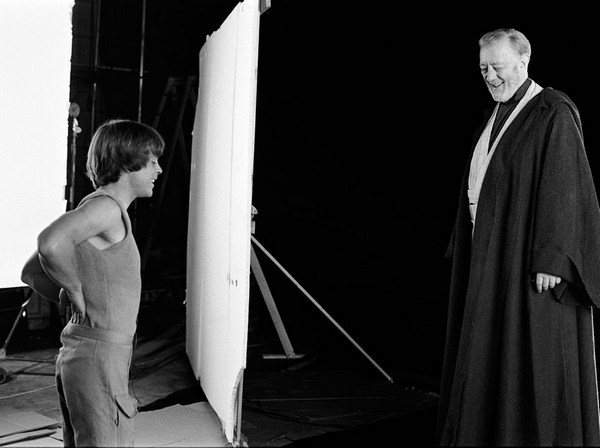
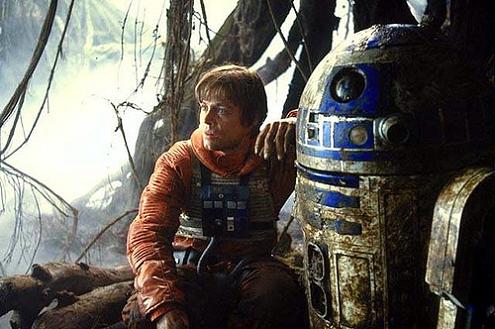
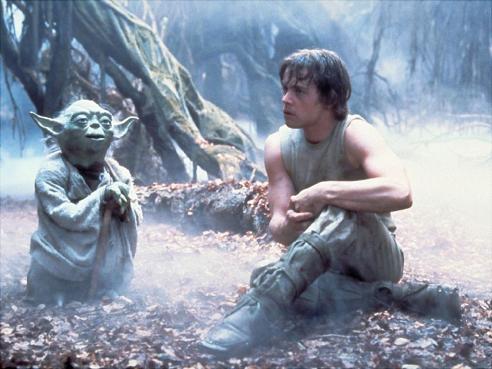
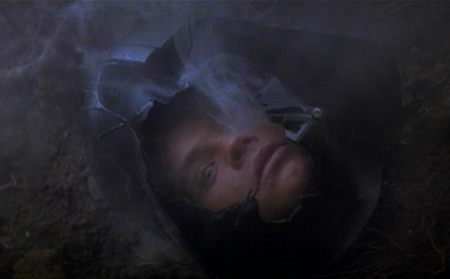
Luke Skywalker: ‘There’s something not right here… I feel cold. Death.’
Yoda: ‘That place… is strong with the dark side of the Force. A domain of evil it is. In you must go.’
Luke Skywalker: ‘What’s in there?’
Yoda: ‘Only what you take with you.’



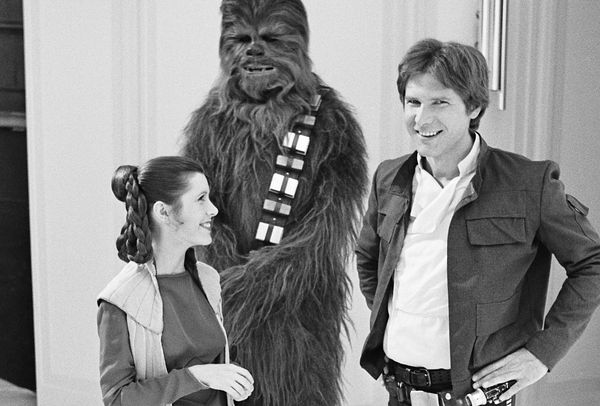
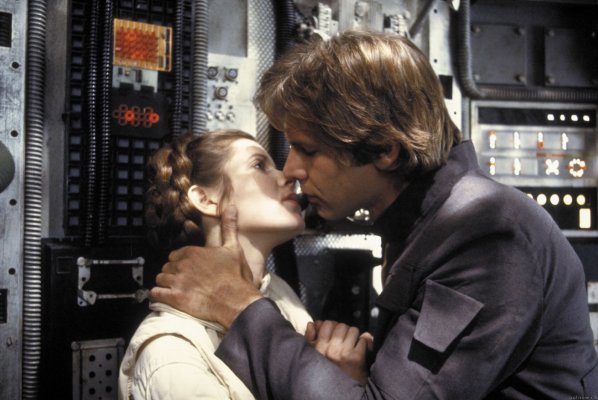
Han Solo: ‘Afraid I was gonna leave without giving you a goodbye kiss?’
Princess Leia: ‘I’d just as soon kiss a Wookiee.’
Han Solo: ‘I can arrange that. You could use a good kiss.’
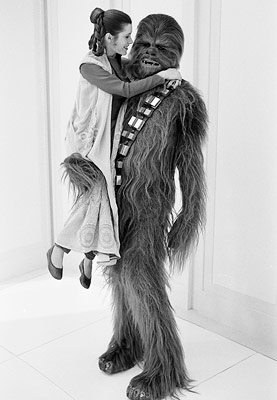
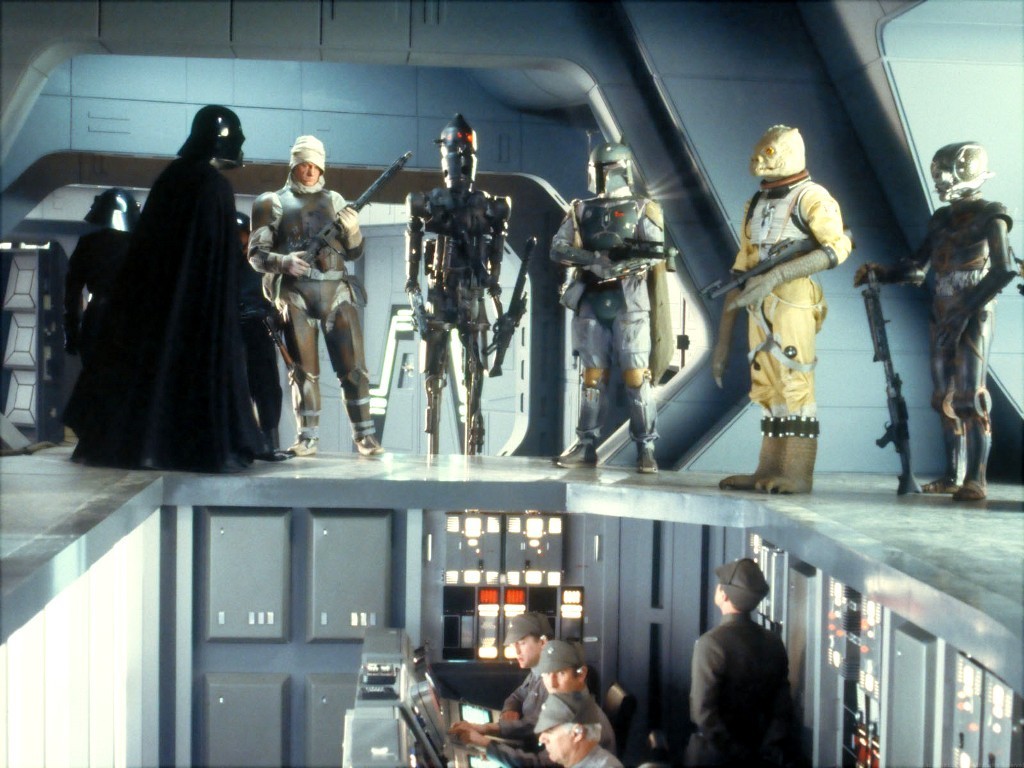
Admiral Piett: ‘Bounty hunters. We don’t need their scum.’

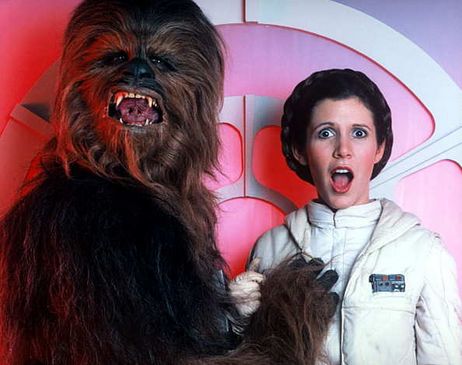
C-3P0: ‘I’m terribly sorry about all this. After all, he’s only a Wookiee.’
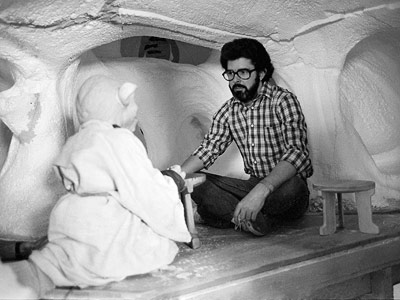
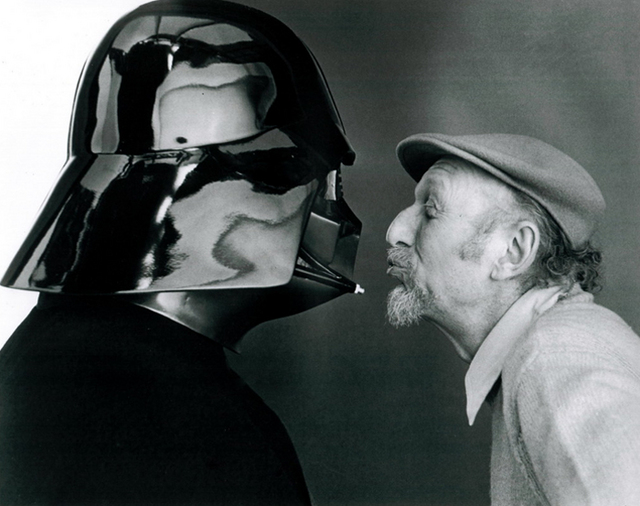
‘They [the critics] wanted another Star Wars. I decided that the potential was much greater than a rerun of Star Wars. When I finally accepted the assignment, I knew that it was going to be a dark film, with more depth to the characters than in the first film. It took a few years for the critics to catch up with the film and to see it as a fairy tale rather than a comic book.’ ~ Director Irvin Kershner on the original – and eventual – critical reaction to The Empire Strikes Back
~~~
Further reading:
The Making Of The Empire Strikes Back: The Definitive Story Behind The Film, by JW Winzler – in which a fair few of the above images can be found
Thanks to Vanity Fair for the Irvin Kershner quotes

Doing it for the kids: 30 years of Children In Need

Bear necessity: Regular hosts in the ’80s Sue Cook and Terry Wogan with the first Pudsey Bear
Thinking back to my childhood, November always meant three definite things: darker, colder days, fireworks on Bonfire Night and the BBC’s Children In Need charity appeal. The first two on that list have changed little over the years, of course, but the third, well, unavoidably has. Nowadays, to raise the dosh, the eponymous appeal has caved and looks to the latest chart acts, soap-cum-reality TV stars and dancing newscasters to do the business. But once upon a time, it wasn’t like that.
Back in the day, Children In Need was a highlight of the televisual calendar for me; a one-Friday-night-only carnival of variety entertainment, packed with comedy, music, fun, frolics and celebrities from across the media spectrum. And, naturally, it was also a feast of do-gooding. In our house it was essential viewing – and we all felt a nice warm glow when it came to the moment my dad pledged our donation to the nice operator at the end of the phone line that was constantly advertised on the screen.
However, you’ve got to go much farther back than that for the appeal’s beginnings, all the way back to Christmas Day 1927, in fact, when the Beeb’s new five-minute-long radio broadcast on behalf of the nation’s needy children raised an outstanding £1,143 (£27,150 approx in today’s money). A resounding success then, the broadcast continued every Christmas Day until 1955 when, like much of the nation at the time, it switched over to TV.
The Children’s Hour Christmas Appeal, as it was named, was first fronted by puppeteer Harry Corbett and the unforgettably mischievous, water pistol-firing Sooty. It would go on to feature broadcasting stars such as Eamonn Andrews, Leslie Crowther, ventriloquist Terry Hall and Michael Aspel (who, perhaps fittingly, would later present ITV’s shortlived 1980s telefons called, er, Telefon). It was in 1978, however, that the appeal found its spiritual leader, the one, the only Terry Wogan, and it was in 1979 that the broadcast had its final Christmas airing – the following year it would become bigger and better by being moved to an autumn Friday night. Over the years, it had managed to raise a total of £625,836.


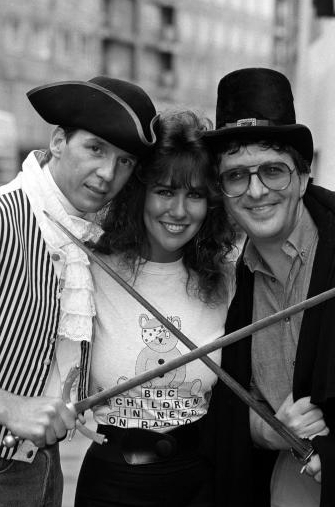
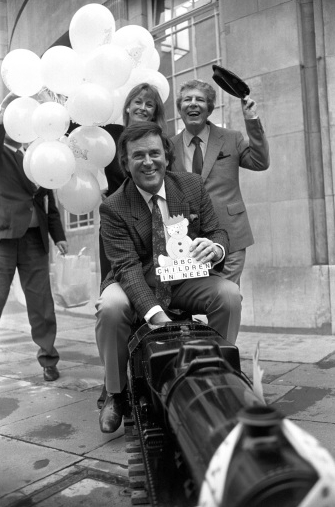
Fundraising through the years: Sooty and Harry Corbett, original hosts of The Children’s Hour Christmas Appeal (left); Sue Cook and Terry Wogan on a Radio Times cover from November 1990 (left middle); and Linda Lusardi and DJ Simon Bates in a Poldark spoof (right middle) and Terry Wogan driving a toy train, both in the name of Children In Need in the ’80s (right)
Renamed Children In Need, the first edition of the appeal in its modern format saw channel controller Bill Cotton free up a whole Friday evening’s schedules on BBC1 for it in November 1980. Broadcast live from the Cunard Hotel, Hammersmith, the show was hosted by Wogan, journalist and newsreader Sue Lawley and That’s Life presenter and future founder of the charity ChildLine, Esther Rantzen. And, undeniably, the change was a good move on the Beeb’s part, as an astonishing £1million was eventually raised. Britain had entered the 1980s, but clearly it still possessed a genuinely charitable heart; and, throughout the decade to come, it would continue to prove it did – if for one night only, at least.
By the middle of the ’80s, with the appeal’s viewers – and, more importantly, the money raised by it – going up each year, Children In Need had found its natural female foil to Wogan’s brilliant blarney, Crimewatch UK presenter Sue Cook. Rarely ruffled and always professional, Cook was a natural at live TV presenting and lent a sober yet empathetic slant to proceedings, especially when introducing films of the good work money donated to the show had already funded.
Others to take on presenting duties included, in the ’90s, Gaby Roslin (upon Cook’s departure), Andi Peters and kids TV entertainer Dave Benson-Phillips; while, more recently in the 00’s, Natasha Kaplinsky, Tess Daly, Fearne Cotton and the rather annoying Alesha Dixon. Throughout the ’80s, however, Esther Rantzen maintained her connection with the appeal by – in conjunction with her burgeoning ChildLine charity – presenting a section on kids that had pulled off feats of incredible bravery. Captivating telly it may’ve been each year, but it did tend to make the average ankle-biter like me feel slightly inadequate.
Mind you, there was nothing inadequate about 1983 co-presenter Joanna Lumley’s fulfilled pledge when a milestone of money-raising had been reached that year – yes, Purdey performed a striptease live on air (see below). Tel wasn’t the only man to be left hot and bothered; millions of dadfolk up and down the nation were left rough and ready by that particular golden TV moment.
.
.
All the same, there’s no avoiding the fact that, down through the years, there’s only been one chap who’s seriously rivaled the inimitable Wogan’s star-status when it comes to all things Children In Need. I speak, of course, of the practically-perfect-in-every-way Pudsey. Born in 1986 and debuting on that year’s show, the yellow teddy bear with the white and red-polka-dot bandage over his right eye – surely one of the world’s most famous teddy bears – was created by designer Joanna Ball, his name deriving from Ball’s hometown, Pudsey in Yorkshire (now part of Leeds).
Originally, Pudsey was only intended to appear on the show that year, but the lovely, soppy people of Britain (adults as well as kids, for sure) fell in love with him and, in no time, he became the thing’s icon, especially when he was incorporated into its official logo. And, over the years, cuddly recreations of Pudsey and his BBC-approved line of merchandise have raised hundreds of thousands of pounds.
Indeed, old Puds even had a face-lift in 2007. No longer appearing on our screens in a hand-drawn animated manner but via CGI, he also seems to be younger and sports multi-coloured spots on his handkerchief; yet essentially still seems to be the same Pudsey. Actually, last year he was accompanied by a brown girl-bear wearing a ribbon on her head and called Blush – has he got a girlfriend? Answers on a postcard for that one. For what it’s worth, apparently the Beeb treasures two Pudseys above all others; the original, and a more recent recreation, signed – like it or not – by both Tony Blair and George W Bush.
As for Children In Need itself, well, it’s not just a permanent fixture of the UK television firmament, but surely, unquestionably a national institution. It became a registered charity in 1989 and the money it raises is carefully siphoned off to smaller, deserving kids’ charities and initiatives throughout the UK and Northern Ireland – and, given that nowadays its TV, radio and online appeal and merchandise raises around £20million a year, it’s a big deal.
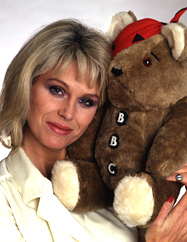
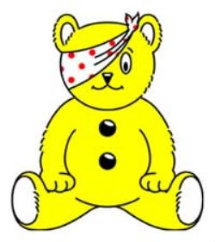
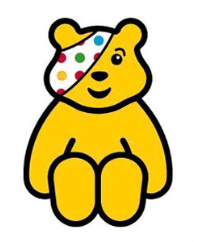
Teddy boy: the three ages of Pudsey – the original cosying up with Joanna Lumley (left); the classic debuted in the mid-’80s (middle) and the modern version from 2007 onwards (right)
Yet it’s never merely been about the giving when it comes to Terry and Pudsey’s big Friday night. Down through the years, Children In Need has delivered some memorable telly moments. In addition to Joanna Lumley’s striptease, there’s also been Doctor Who specials (each featuring at least two Timelords) to mark the sci-fi drama’s 20th (1983) and 30th (1993) anniversaries – indeed, that tradition has been revived in recent years during David Tennant’s stint in the TARDIS.
Moreover, in conjunction with her co-hosting 1987’s appeal, Anneka Rice’s time-limited-do-good-mission-show Challenge Anneka was launched on that year’s show – the pertly posteriored one’s programme ran for five years on the Beeb following its debut. And let’s not forget that the classic 1997 BBC Music promotional film that featured stars from across the musical spectrum singing Lou Reed’s Perfect Day was released as that year’s official Children In Need single (ignoring the fact, of course, that song may actually be about heroin addiction). Aside from Girls Aloud and S Club 7 in recent years, other artists to have officially sung for the charity include Paul McCartney, Pet Shop Boys, Suzi Quatro and, yes, Bronski Beat.
No question then, Children In Need’s history is a wonderfully whimsical one to look back on; not least for me, perhaps, because while its focal point is do-gooding for children’s sake, its development coincided with my own childhood. Growing up in the provinces rather than in London, as I did, I always enjoyed the unique crossovers from Televison Centre in Shepherd’s Bush to the ‘BBC regions’ that took place on the night; in my case this involved watching the usually straight-laced but good-natured BBC Midlands Today newscasters Kay Alexander, Sue Beardsmore and the late Alan Towers letting their hair down and trying to maintain control while collecting cheques from the partying masses outside Brum’s BBC Pebble Mill.
Nowadays, though, while the Children In Need charity itself and the funds it raises have never been healthier, the on-night appeal really isn’t what it was – it doesn’t transfer to the regions for quite the cosy, amateurish, off-the-hoof fun it used to; you don’t tend to get skits of the quality of, say, the Blackadder one from 1988 below; and never does someone of Joanna Lumley’s (ahem) figure take her kit off at the drop of a hat. Yet, for all that, there’s still a one-off, unique appeal about the thing, the casts of West End musicals still drop in after performances to belt out a standard around midnight and the mighty Terry is most assuredly still brilliantly at the helm. Plus, let’s not forget, the whole thing itself is there raising money for great causes year in, year out.
So, go on, why not tune in tomorrow night once more and donate that tenner you just found down the back of the sofa? All right, times are hard right now, of course they are, but almost always there’s someone – and, in this case, a child – worse off. After all, who knows, maybe Lummers’ll come on this year and finish off the job she started in ’83. Fingers crossed, eh, Pudsey…? 
Children In Need 2010 begins at 7pm tomorrow night on BBC1
~~~
Further reading:
http://www.bbc.co.uk/pudsey/grants/
To donate:
http://www.bbc.co.uk/pudsey/donate
~~~
Lest we forget… (November 11)

This is, of course, for the most part a light-hearted retro blog, but today I decided I should write a post that reflects the mood and atmosphere that rightly pervades the day – November 11, Remembrance Day.
So, if I may, I’d like to ask all of you, either at 11am today or at any moment you have spare or to yourself, to remember and consider those from the UK and overseas who have fought – and some died – in warfare to help secure the societies and freedoms we take for granted. By all means take a moment as well to remember those who in some corner of the world are fighting on our behalf today – indeed, speaking for myself, I may not agree with all ‘modern’ wars that have been fought in the name of my country, but I greatly admire and respect those that have sacrificed their lives for them.
Moreover, if you live in the UK and haven’t done so already, do buy a poppy and wear it, won’t you? The donation you give goes to a very worthy cause.
And, as this is a retro culture blog, let me leave you with a classic television moment that, while highlighting the often futility of war, also beautifully defines the great sacrifice many have made – and continue to make – in its name…
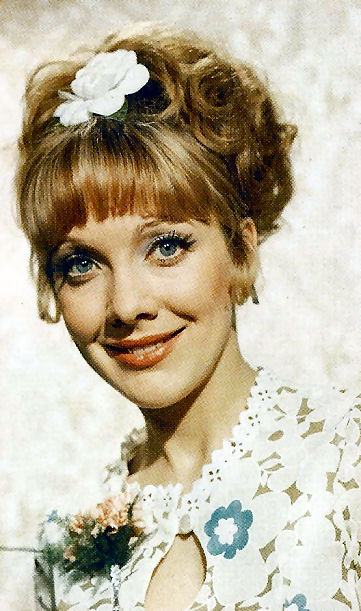
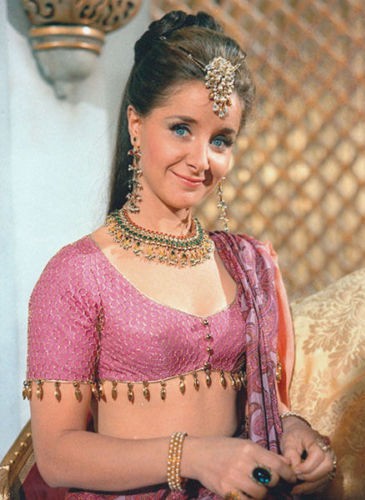
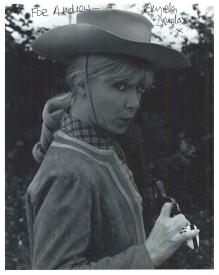
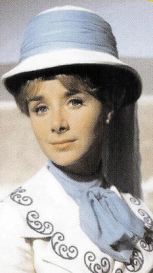
Angela Douglas/ Jacki Piper: Carry On Girls
.


.
Talent…
.
… These are the lovely ladies and gorgeous girls of eras gone by whose beauty, ability, electricity and all-round x-appeal deserve celebration and – ahem – salivation here at George’s Journal…
~~~
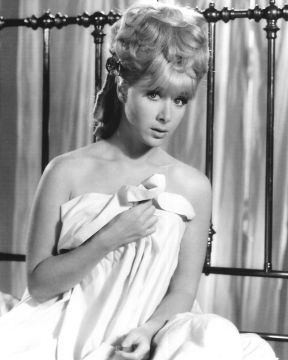
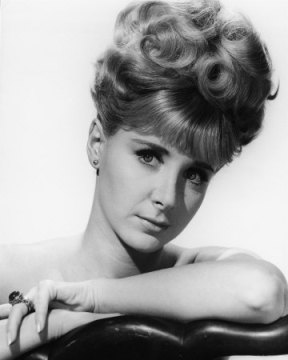
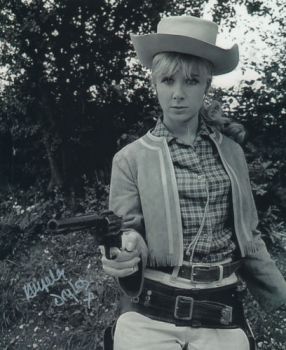
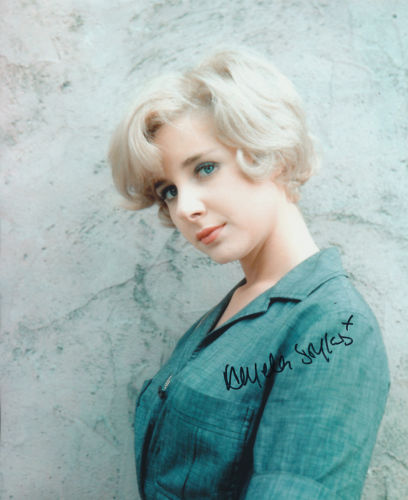
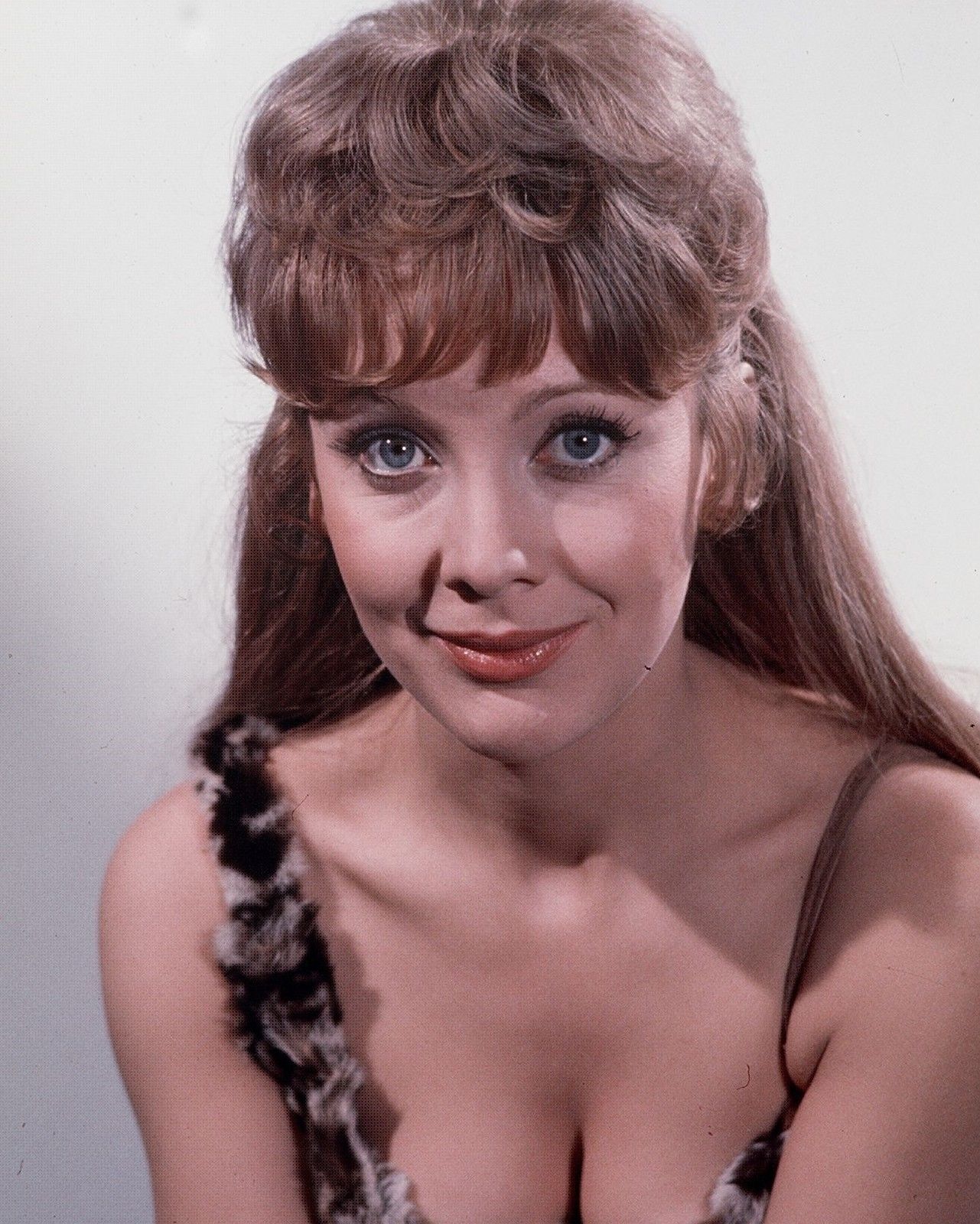
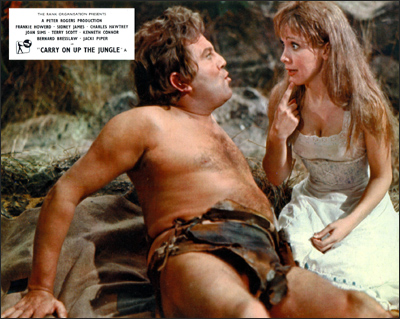
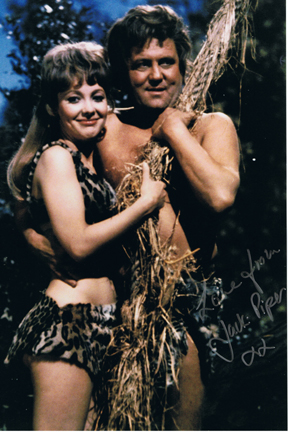
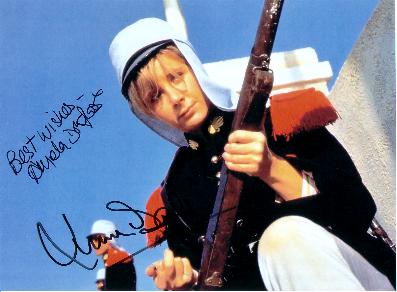
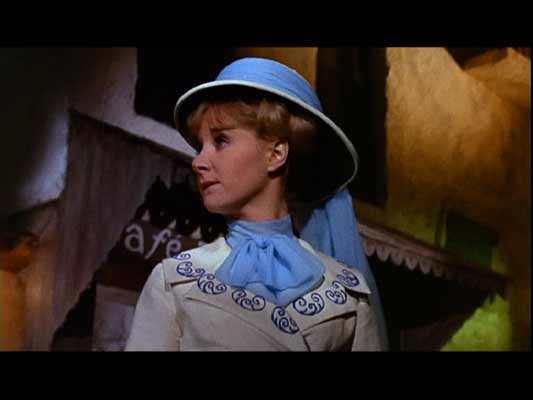
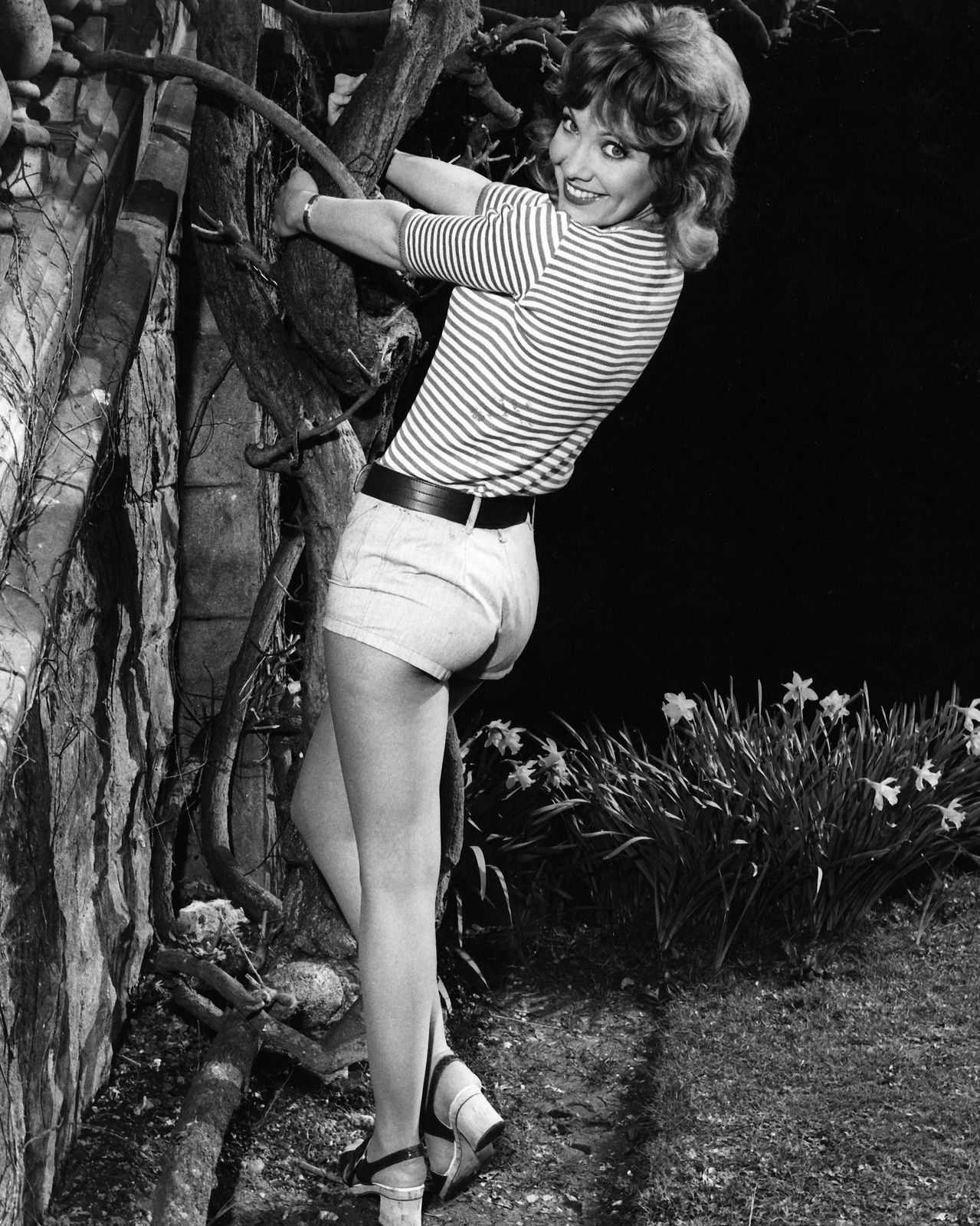
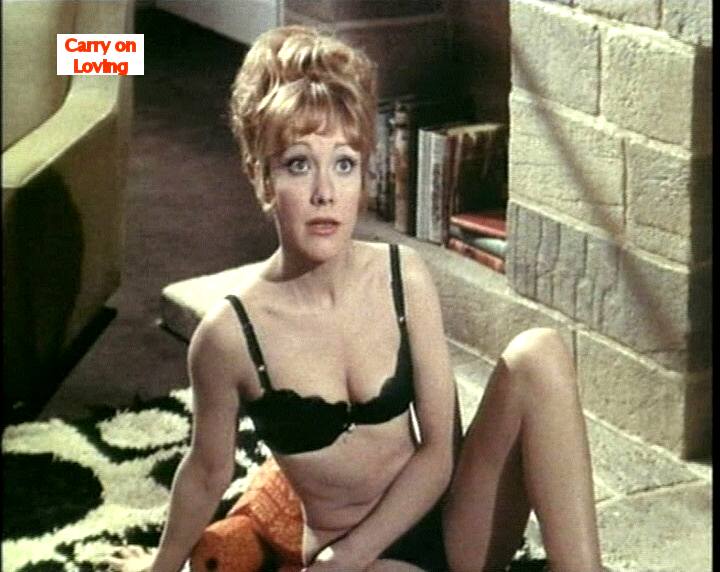
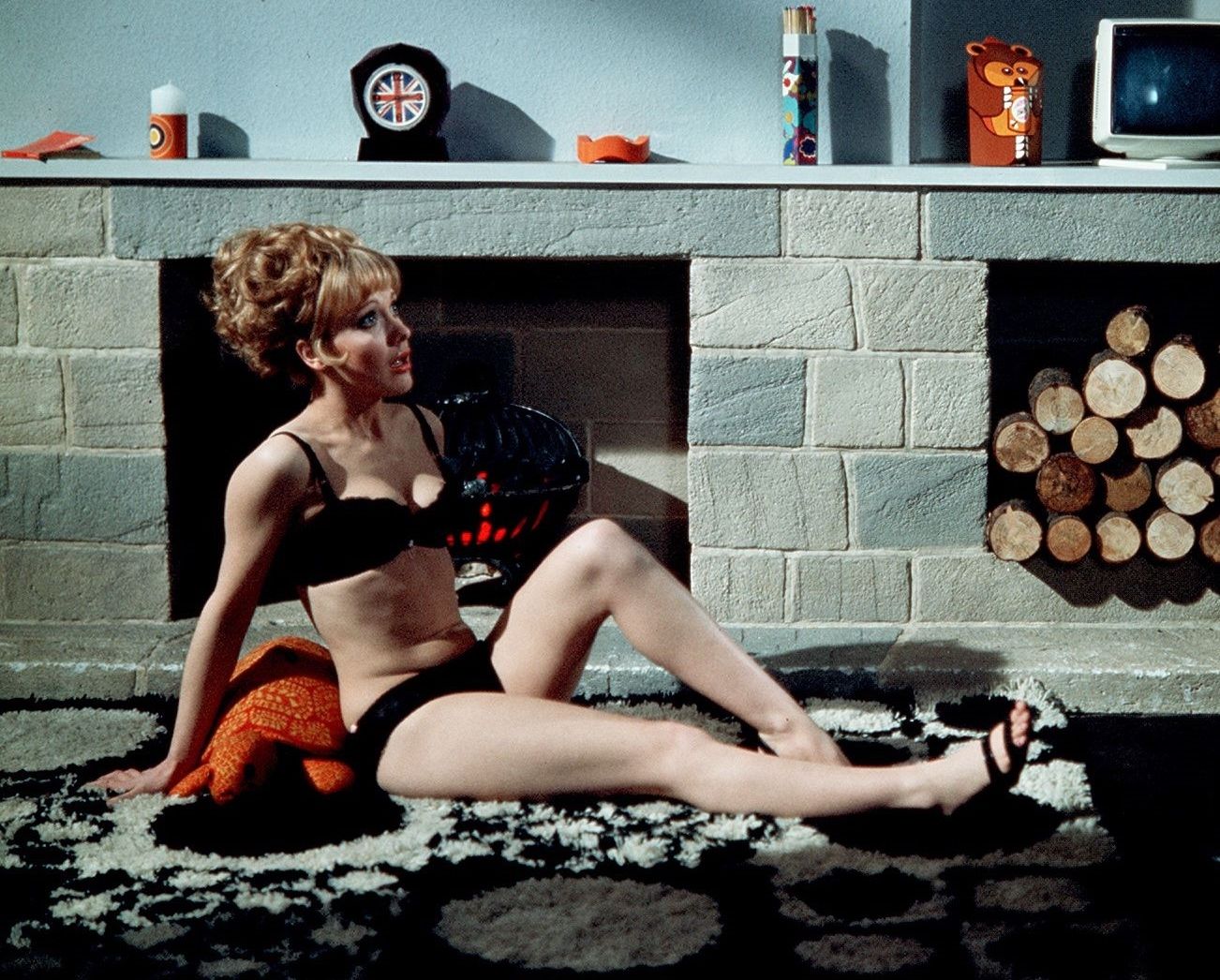
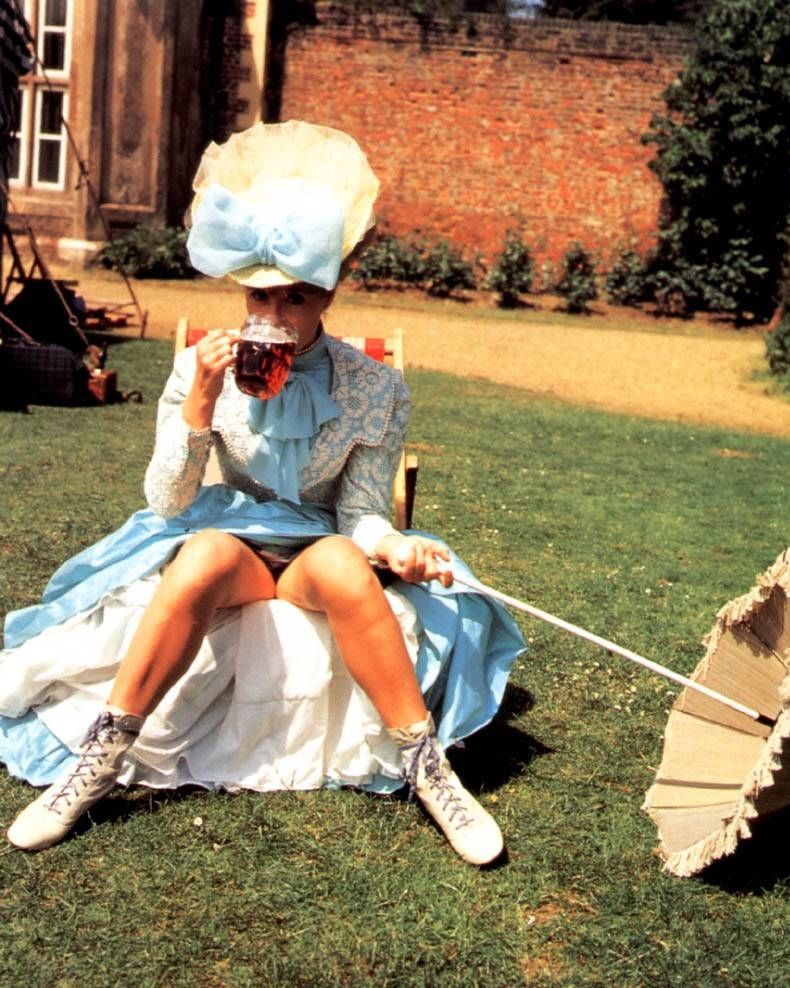
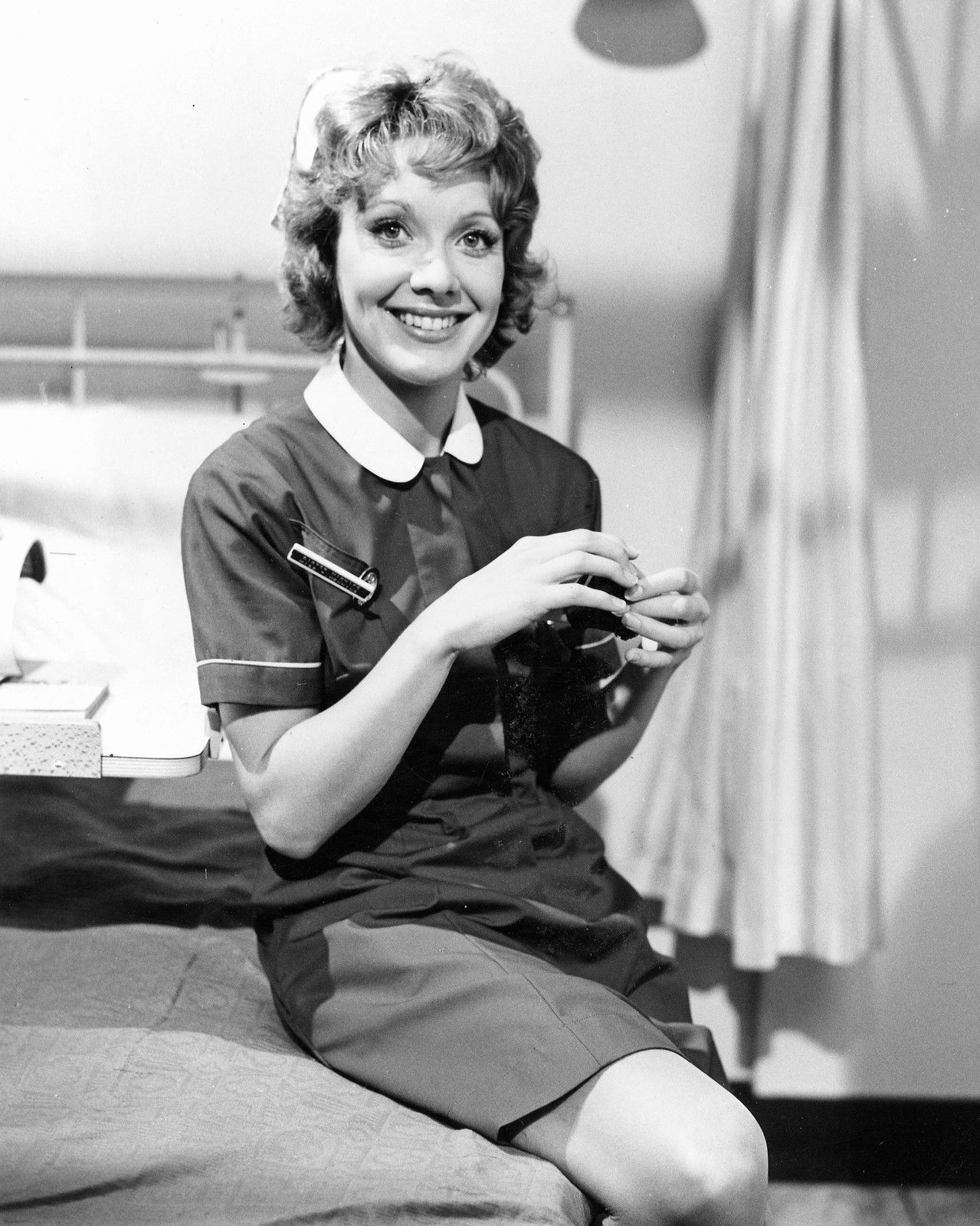
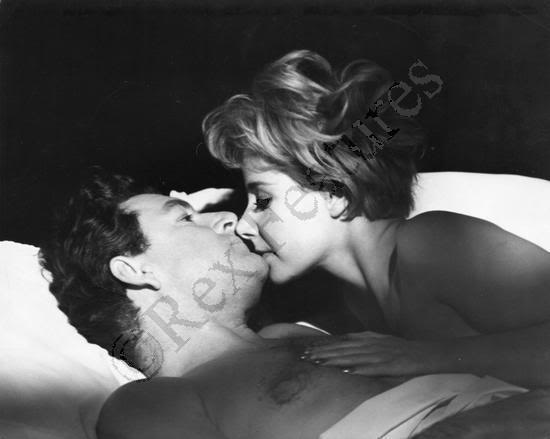
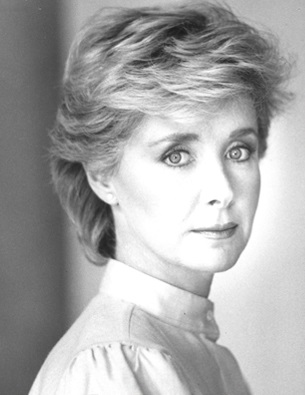
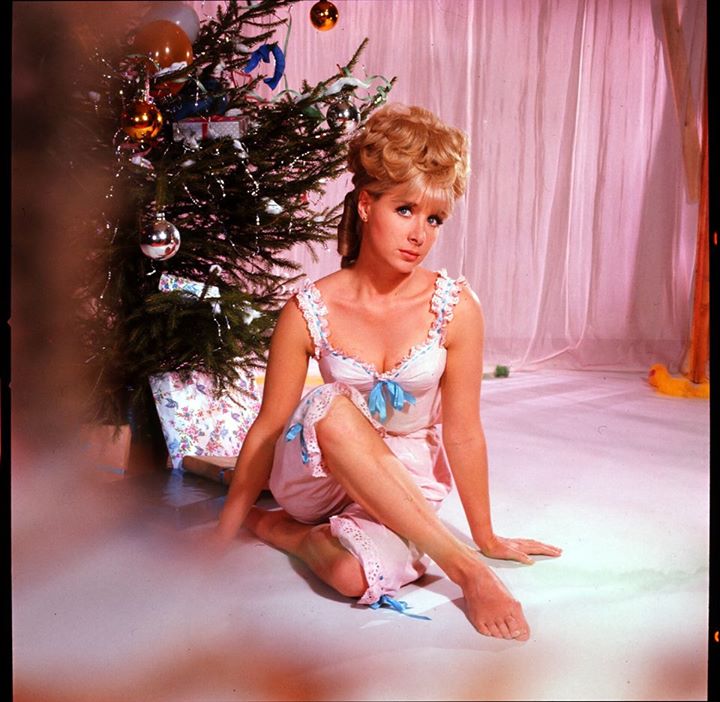
Carry On Girls, indeed! Although neither of them starred in that particular flick of the long-running, much-loved, saucily super British comedy film series, both Angela Douglas and Jacki Piper appeared in their fair share. Yet, unlike Babs Windsor and so many of the other lovelies primarily employed for their – often – ample assets, both Angela and Jacki’s roles were tailor-made for their classy, beautiful, but undeniably comedic talents – in fact, Jacki stepped on to the Carry On bandwagon as Angela’s 1970s replacement. More English roses than Carry On crumpet then? Well, why not take a look at the pics and decide for yourself – nudge, nudge, wink, wink, say no more…
~~~
Profiles
Names: Angela Douglas (real name: Angela Josephine McDonagh ~ nickname: ‘Shrimp’)/ Jacki Piper (real name: Jacqueline Barrell, née Crump)
Nationalities: English
Professions: Actresses
Born: Angela – 29 October 1940, Gerrards Cross, Buckinghamshire/ Jacki – 3 August 1948, Birmingham, West Midlands
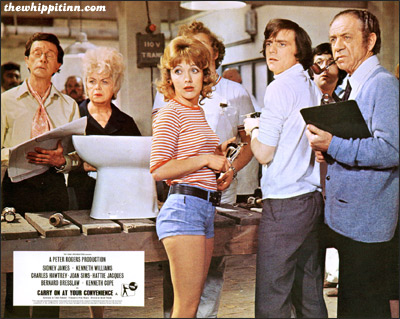
Known for: Playing major and supporting roles in, between them, eight different Carry On films – Angela: Carry On Screaming (1965), Carry On Cowboy (1966), (Carry On) Follow That Camel (1967) and Carry On Up The Khyber (1968); Jacki: Carry On Up The Jungle (1970), Carry On Loving (1970), Carry On At Your Convenience (1971) and Carry On Matron (1972). Angela has also starred in episodes of Doctor Who, The Saint, The Avengers and The Protectors, and in the films Digby, The Biggest Dog In The World (1973) and Kenneth Branagh’s adaptation of Hamlet (1996). Jacki has appeared in episodes of Z Cars, The Fall And Rise Of Reginald Perrin and The Two Ronnies, as well as the Roger Moore thriller The Man Who Haunted Himself (1970).
Strange but true: Angela had an affair with and in 1968 married renowned actor and star of Reach For The Sky (1956) Kenneth More – indeed, he left his wife for her; Jacki’s original surname ‘Crump’ was ditched for her stage-name because it wasn’t considered sophisticated enough for theatres… in the North of England.
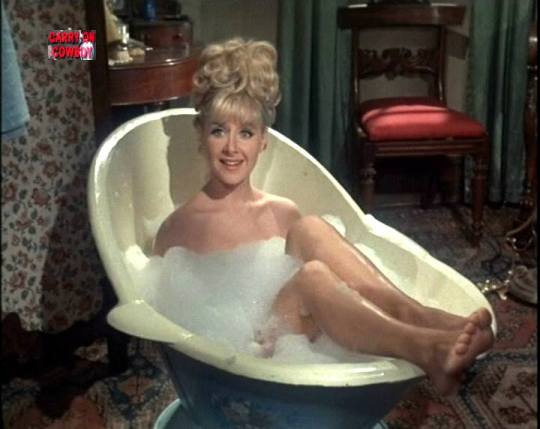
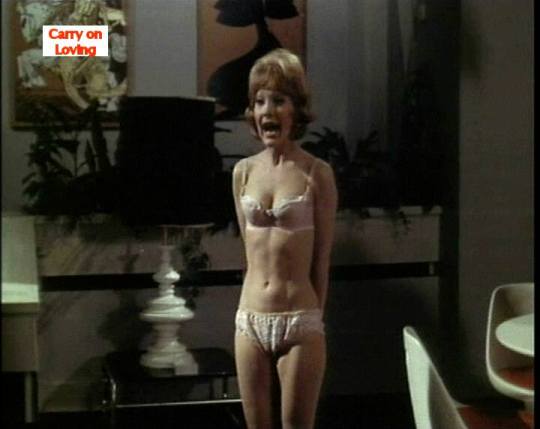
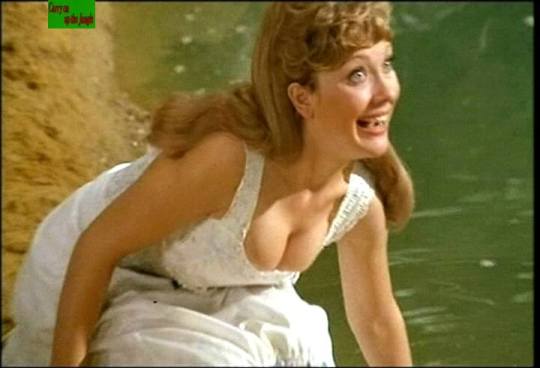
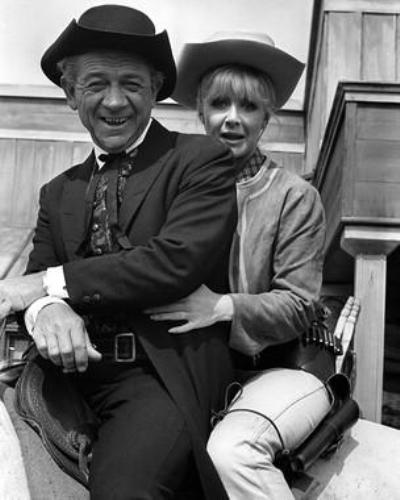
Peak of fitness: Angela – scrubbing up in the tub as Sid James’ Rumpo Kid walks in on her in Carry On Cowboy; Jacki – spending many of her scenes in Carry On At Your Convenience in a memorable pair of rather fetching shorts.
~~~
CLICK on images for full-size
.
.


.
.
.

.
.

.
.

.

.

.

.


.
.

.
.

.
.

.

.
.

.

.
.
.
.

.
.
.

.

.

.
.
 .
.
.

 ..
..
.
 .
.
.
.
.

.
.

.

Playlist: Listen, my friends! ~ November/ December



In the words of Moby Grape… listen, my friends! Yes, it’s the (hopefully) monthly playlist presented by George’s Journal just for you good people.
There may be one or two classics to be found here dotted in among different tunes you’re unfamiliar with or never heard before – or, of course, you may’ve heard them all before. All the same, why not sit back, listen away and enjoy…
CLICK on the song titles to hear them
~~~
Simon And Garfunkel ~ I Am A Rock
Dave Grusin ~ Sunporch Cha Cha Cha
Richard Harris ~ MacArthur Park
Jackie DeShannon ~ Put A Little Love In Your Heart
Peter Sarstedt ~ Take Off Your Clothes
The Allman Brothers Band ~ One Way Out
Ananda Shankar ~ Streets Of Calcutta
Joan Armatrading ~ Love And Affection
Al Stewart ~ Year Of The Cat
Paul McCartney ~ No More Lonely Nights
Red Top ~ Lean On Me
Electronic ~ Getting Away With It
The Beautiful South ~ A Little Time











 George's Journal