Elizabeth (1998)/ Elizabeth: The Golden Age (2007) ~ Review
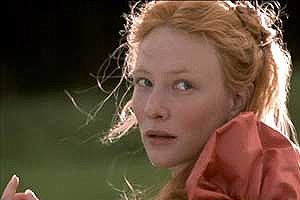

Director: Shekhar Kapur
Starring: Cate Blanchett, Geoffrey Rush, Christopher Ecclestone, Richard Attenborough, Joseph Fiennes, Kathy Burke (Elizabeth)/ Cate Blanchett, Clive Owen, Abbie Cornish, Geoffrey Rush, Samantha Morton, Jordi Molla (Elizabeth: The Golden Age)
Screenplay: Michael Hirst (Elizabeth)/ William Nicholson, Michael Hirst (Elizabeth: The Golden Age)
UK/ US; 124 minutes; Colour; Certificate: 15 (Elizabeth)/ UK/ US; 114 minutes; Colour; Certificate: 15 (Elizabeth: The Golden Age)
~~~
So, if you’ve read the ‘About’ page of this blog, you’ll notice that I warn there may be some ‘smart art’ or historical stuff on here from time to time. Well, to ease you in gently to that likely occurence, I thought I’d first offer up this – a review of two acclaimed yet mainstream movies about one of the most fascinating and, arguably, most glorious eras of British history. Honestly, who doesn’t love Good Queen Bess (well, unless you’re her cousin Mary from north of the border, that is)?
So, up first we have Elizabeth. Yes, that’s right, the multi-Oscar nominated one starring Cate Blanchett from 1998. Upon its release, I recall there being a lot of hooplah about how visceral, relevant and modern a take on the early life of England’s greatest queen this was supposed to be and, I must say, the hype wasn’t exaggerating things. Nowadays, such attempts at dramatising history in a ‘modern way’ are ten-a-penny, especially on the box (Rome, The Tudors and the Beeb’s Charles: The Power and the Passion spring to mind), but back in the late-’90s, such an idea was a bit different, take such faithfully old-fashioned historical romps as Titanic and The English Patient from that decade.
And, I must say, well done to director Shekhar Kapur, for with some real confidence and class he successfully sets interesting visuals, no lack of grit and violence and well-pitched ‘modern’ performances from his cast against the somehow complimentary faithful locations and excellent costumes. His real success, however, is ensuring the film has such a strong storytelling sense throughout – about two-thirds of the way through you find yourself pretty much gripped to see how all the plot’s loose ends’ll tie up, whether you know from history how they should or not.
I’m sure I read somewhere that Kapur wanted to direct this flick as a thriller, for he claimed that’s what Elizabeth’s early life was (she could have been put to death by her sister before becoming queen herself) and the wickedly fast-moving plot is certainly testament to that, and no bad thing.
However, what one may recall most readily is the performances. This is a film with a very groovy cast, but all are on fine form, make no mistake. Geofrrey Rush, Richard Attenbrough, Kathy Burke, Christopher Ecclestone, Vincent Cassel, John Gielgud and Eric Cantona (yes, Eric Cantona!) all offer very strong support – especially Ecclestone as the cut-throat, shaven-headed Duke of Norfolk – but the standout is certainly Cate Blanchett’s titular role.
Must confess, I have a soft spot for Gwynie, but I can’t deny Blanchett was robbed at the ’98 Oscars, the Best Actress gong should certainly have gone to the Antipodean powerhouse ahead of Paltrow’s charming turn in Shakespeare In Love. Elizabeth’s transformation from innocent, religious, loyal princess to hard, ruthless and stoic monarch is damned impressive – not much less regal, in fact, than that of Helen Mirren’s performance as the next Queen Elizabeth to take her place on the throne of England, to be seen, of course, in that other more recent, but just as must-see Brit flick The Queen.
On to Elizabeth: The Golden Age then. So, would this unquestionable follow-up film, coming nine years after the ‘original’, hit the innovative heights of the first? Would it achieve that same mix of grit, ‘realism’, historical accuracy and damn good historical yarn? In short, would it be as good? Well, no. It’s just not as cerebral, balanced, polished and overall satisfying an experience as Kapur and Blanchett’s first foray into Tudor high-society and political depravity. But it’s still an entertaining two-hour diversion, don’t get me wrong.
Undeniably, the script isn’t as smart and perceptive as the first film’s. Events revolve around Clive Owen’s Walter Raleigh and his time at court and the subsequent naval war against the Spanish Armada, which is all very well, but was Raleigh quite as omnipresent in the queen’s company as presented here, lurking in corridors and behind staircases? And did he truly have the monarch’s ear as much as he does here? And isn’t it surely too easy to present Spain’s king Philip II using the execution of Samantha Morton’s Mary Queen of Scots as an excuse for launching a religious war against Protestant England? I’m no expert, but surely the politics of the time was a little more complicated than that? And surely the king himself was a bit more complex a character than the Catholic zealot he’s presented as here?
Still, if you can overlook such points, then there’s much to enjoy in this effort. The visuals, costumes, sets and music are all impressively bold, faithful and stirring and the overall tone – if way too often – entertainingly bombastic, especially during the wartime last third. And, naturally, Blanchett delivers a fine performance as an older, wiser and more weary queen, looking to – and then resenting – a female favourite’s exploits for her own vicarious amorous experiences.
In the end, though, this flick will always strike me as a missed opportunity – it tells the story of the age of Raleigh, Drake and the Armada, but comes off as a bit of a cop-out. And that’s well summed up by Clive Owen as the rakish Raleigh. Yes, he looks perfect, but his acting simply isn’t; in fact, it just isn’t up to scratch. He’s too wooden here to generate any sort of charisma at all. There’s no way Blanchett’s sharp-as-a-razor Elizabeth would have made him the golden boy of her golden age, I’m afraid.
So, to sum up, it’s top marks for Elizabeth then, a film that’s a feast for the mind as much as the eyes; but a bit of a ‘meh’ for The Golden Age – Blanchett and the visuals are undeniably winning, the rest though, unlike the English ships in the Channel, not so much. 
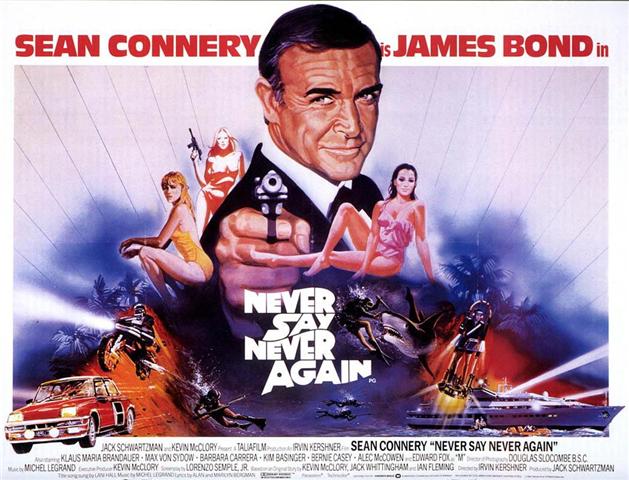
His word was his Bond?: Turns out turning his back on Bond was more like Never Say Never Again for Sean Connery
It’s a Bank Holiday Monday. It’s raining cats and dogs outside. And you’re at a loose end. Anything on the box? Well, as is often the case there’s a Bond film, but it’s that one from the early ’80s with Connery in it. You know, the one he came back for long after his ’60s heyday; the one that isn’t supposed to be ‘official’. So do you give it a try or a berth as wide as Connery’s middle-aged belly?
For me, a big Bond fan, it’s an interesting question. Because this flick is a curiosity, an anomaly, a real black sheep among its Bond contemporaries. But does it deserve the low opinion it seems to have cultivated for itself? Is it really as bad a Bond film as all that? And how on earth did it come to be made in the first place? Well, settle back into your favourite chair with a dry Martini, because – like Val Doonican – I want to tell you a story, a bloody good one…
It starts way back in 1961, a year before the first ‘official’ Bond film Dr No, made by Albert R ‘Cubby’ Broccoli and Harry Saltzman’s Eon Productions, was even made – and Bond creator Ian Fleming is in trouble. Eager to get his literary sensation on to the big screen, Fleming had worked on a screenplay along with friend Ivar Bryce, fellow scribe and screenwriter Jack Whittingham and Irish film producer Kevin McClory. However, having proceeded to turn the ideas into a novel entitled Thunderball – the ninth in his long line of 007 books – Fleming now found himself being taken to court by McClory and Whittingham, their claim being it was unfair the former should get sole financial reward from a story they had originally authored just as much as he had.
Taking place at London’s High Court in November 1963, the trial resulted in future printings of the novel being credited to McClory and Whittingam as well as Fleming, and McClory receiving damages and court cost payments amounting to £52,000. McClory had done well, for sure, but his relationship with Whittingham (who recieved no help from him in paying his hefty court costs) and Fleming was no more – indeed, 007’s creator wouldn’t be the only member of the ‘Bond family’ McClory made an enemy of.

Water-sport: Kevin McClory and family out for a drive in a car Q would be proud of
Kevin McClory was a colourful figure; it’s been claimed he loved the idea of becoming a celebrity, seduced by the glamorous world of Hollywood, and would climb over anyone to get what his burning ambition wanted. Born in Dublin in 1926, at 16 he entered the British Merchant Navy’s Nowegian Marines and, while serving as a radio officer during the Second World War, his ship was torpedoed and he drifted for 14 days in the North Atlantic on a lifeboat. Perhaps it was this incident that instilled in him the uncompromising fighting spirit he would show in future years? Following the war, he found himself in Hollywood and established himself as a jack-of-all-trades on the John Huston films The African Queen (1951), Moulin Rouge (1952) and Moby Dick (1956), and the multi-Oscar winning Around The World In 80 Days (1956). In 1957, he wrote, produced and directed The Boy And The Bridge, thanks to financial backing from Ivar Bryce’s heiress wife. It wasn’t a success, and hampered attempts to get his, Fleming, Bryce and Whittingham’s original Bond script made into a movie.
In the meantime, of course, Bond had made it to the big screen via the Broccoli and Saltzman route and had proved a resounding success, first with Dr No, then From Russia With Love (1963) and then with the enormously popular Goldfinger (1964), all three of which were based on previous Fleming Bond novels. Come 1965, though, and Broccoli and Saltzman decided to turn their attention to Thunderball. They had considered turning it into their first 007 big screen adventure, but owing to its disputed authorship, had to pass on it. With the trial now over, however, it could be made – and its glossy, sunny Bahamas-setting and big-stakes nuclear warhead crisis-driven plot must have been seductive to the two producers who were now riding the tsunami-like wave that was Bondmania following Goldfinger‘s box-office gold rush. The one problem was that, in order to bring it to the screen, they had to make a deal with McClory. Eventually, it was legally agreed he would receive a sole ‘producer’ credit, while they would get mere ‘presenting’ credits, plus he won the rights to re-make the film again after 12 years of its release, if he so desired.
In the event, Thunderball turned out to be a monster success – the tenth biggest grossing film of the ’60s, in fact, and only helped solidify Bond and Connery’s iconic positions in that decade’s popular culture. But behind the scenes, all was not well. Not only did Broccoli and Saltzman, perhaps predictably, not get on with McClory, but Connery himself was not a happy bunny. He’d become tired of the character, who seemed to him more Superman than super-spy these days, and couldn’t stand the press intrusion into his life. He claimed that the public seemed incapable of separating him as an actor from the character – once during this period a woman asked him for an autograph and complained he hadn’t signed as ‘James Bond’.
“Kevin had a project in life and that project was Kevin McClory” – Jeremy Vaughn, friend of Kevin McClory
Following one more outing in the role, the Japanese-set You Only Live Twice (1967) – during the filming of which a reporter even followed him into a toilet; now that’s real intrusion into one’s private life – Connery hung up the shoulder holster. Only not for long. Four years later, in the wake of the supposed lack of box-office success for the George Lazenby-starring and rather wonderful On Her Majesty’s Secret Service (1969), he was back for Diamonds Are Forever. Although he claimed this one had the best script of any Bond film he’d worked on, he wasn’t doing it for the art; in fact, he was doing it for a then incredible $1 million fee, and a deal with distributor United Artists he’d star in two further films for them, as well as a big donation to a charity he’d just set up for Scottish children’s education. This time then, following Diamonds, Connery was done with Bond for good, right?
Wrong.
Enter the ’70s and Connery’s pal Roger Moore was comfortably entrenched in the role, making his debut in Live And Let Die (1973), and following this up with The Man With The Golden Gun (1974). But now, suddenly, disaster seemed to strike oo7’s cinematic existence – as it so often seems to have done over the decades. Broccoli and Saltzman’s own relationship had reached breaking point owing to the latter’s dodgy financial dealings forcing him into bankruptcy. Saltzman sold his rights in Bond to Cubby, who continued to plough forward as sole producer of the film series. However, the legal wrangles this fall-out necessitated had delayed production on the next espionage epic, so once again in stepped McClory – and Connery.
It was now 1976, very nearly 12 years after Thunderball, so McClory was free to remake said film if he wanted to, and he did. The same year, Broccoli was finally ready to plough on with Bond too and the Fleming novel he was going to adapt for the tenth in Eon’s Bond series was The Spy Who Loved Me. In the deal Fleming made with Eon way back in the ’60s to turn his books into movies, an odd stipulation was included regarding this novel, as Fleming was unhappy with how it turned out (written as it was from the heroine’s viewpoint rather than 007’s), he said the title could be used, but none of the characters apart from Bond and those of MI6, and none of the plot. Cubby then was free to come up with an entirely original story to hang the title on, which – using several different writers including Anthony Burgess and John Landis – he duly did. The story he seemed to settle on involved an international terrorist group stealing submarines for the nuclear missiles, which, of course, in essence sounded an awful lot like the basic premise for… Thunderball.
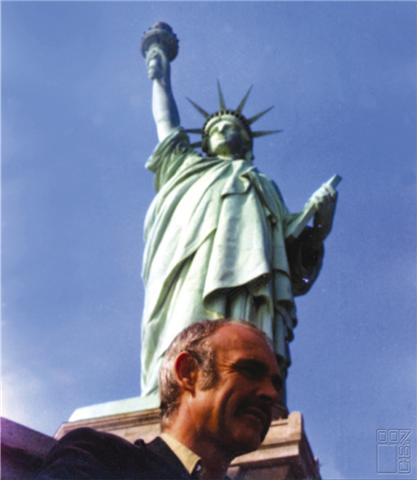
Statuesque figure: Connery visits the Statue Of Liberty in the 1970s, a proposed location for an action set-piece, during location scouting for McClory’s James Bond Of The Secret Service/ Warhead
McClory, having now roped Connery into the mix for his proposed new Bond flick, saw his chance and was gathering momentum in getting it made – possible titles included Warhead, Warhead 8 and the highly imaginative James Bond Of The Secret Service. It’s unclear whether McClory and Connery knew of the similarities between the The Spy Who Loved Me and Thunderball plots, but it’s surely very likely they caught wind of what Broccoli was planning. Even so, given this likelihood, surprisingly this time it wasn’t McClory who sued, it was United Artists, still distributors of Eon’s series. The upshot was that in the face of the big film studio’s lawyers, McClory’s remake, which Connery had dabbled in scripting and planned on directing as well as starring in, was as dead in the water as a dud warhead. Conversely, The Spy Who Loved Me was released and became the most successful Bond flick at the box-office since Thunderball itself, and was followed by the Star Wars-inspired hokum that was Moonraker (1979), which made more money than either of them.
The ’70s became the ’80s and, no doubt in spite of his best efforts, McClory’s folly seemed doomed to failure. But now on the scene appeared American film producer Jack Schwartzman (husband of Rocky and Godfather actress Talia Shire, and by extension step-brother of Francis Ford Coppola) and, in one of the best ironic twists in this saga, his Hollywood muscle pulled off what all of McClory’s single-minded ambition never could – the rival Bond film was being made, helped out by the clout of movie studio Warner Bros. And it featured Sean Connery as 007 once again. Not just that, though, Never Say Never Again (which owed its title to a jokey suggestion from Connery’s wife in reference to his second return to the role) would be released in 1983, the same year as Eon’s latest Bond opus, the India-set Octopussy, and no doubt in the same summer season.
And now, in stepped the media. The press fell over themselves to create a contest out of the two films, pitting them as rival productions and dubbing the development as the ‘Battle Of The Bonds’. As it turned out, though, the movies weren’t released relatively near each other; Octopussy opened in the summer, Never Say Never Again in the autumn. The former, with its summer release, perhaps predictably made more money, and nowadays it seems that the latter, as the ‘unofficial’ upstart that made less money is remembered as something of a failure, an interesting one, but a failure nonetheless.
But is this fair? What is Never Say Never Again actually like? Was it worth all the effort, time and acrimony it took to bring it to the screen?
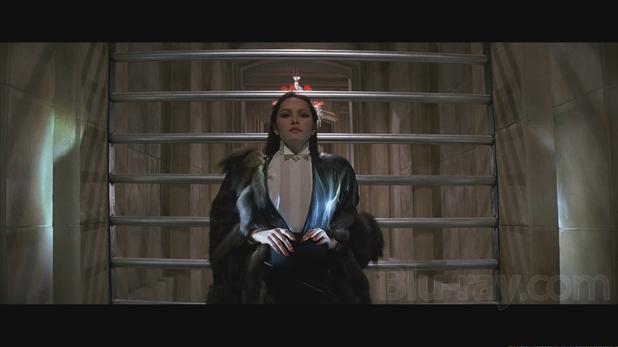
Femme fatale: Barbara Carrera’s Fatima Blush making her entrance in Never Say Never Again – an explosive exit awaits
Well, for most fans of the Eon series, the answer is probably no. But for the curious filmfan, Never Say Never Again offers a great deal. True, it is practically a re-run of Thunderball, one of the most popular Bond flicks ever made. But it’s Thunderball updated for the ’80s – instead of Bond using a jetpack, there’s Bond in his first motorbike chase; instead of a jet being stolen from clipped-voiced RAF chaps, a jet’s stolen using a nifty, electronic eye-recognition kit; and instead of a card game showdown between Bond and the villain; there’s a surprisingly cool and satisfying computer game showdown between Bond and his foe (which, in fact, is the film’s best scene).
The movie, directed by The Empire Strikes Back‘s Irvin Kershner, has a screenplay credited to Hollywood legend Lorenzo Semple Jr, but, in actual fact, Brit writing duo Dick Clement and Ian Le Frenais worked on it as script doctors, their CV also including TV classics Whatever Happened To The Likely Lads?, Porridge and Auf Weidersehen, Pet. No surprise then that it has it’s fair share of witty one-liners and amusing set-ups (among them is Bond’s hotel room blowing up while we expect him to be in it, only unbeknown to us he’s seeing a girl in another one from whose balcony we see the explosion, and a henchman seemingly dying from Bond throwing a glass of liquid into his face, which turns out to be a sample of the MI6 star’s urine).
The casting too is, well, frankly too groovy to pass up checking out. In addition to a finely sardonic Sean Connery as Bond (Girl on a waterski: ‘Oh, but I’ve made you all wet’/ Bond: ‘At least my Martini’s still dry’), there’s ’80s blonde bombshell Kim Basinger as the heroine; quality German actor Klaus-Maria Brandeur as an eerily unhinged yet nerdy villain; legendary Swedish star Max Von Sydow as Blofeld; Bernie Casey as the first black Felix Leiter (pre-dating Jeffrey Wright’s in Casino Royale by 23 years); Rowan Atkinson in his first cinematic debut as a bumbling Bahamas contact; and Nicaraguan knockout Barbara Carrera as sexy assassin Fatima Blush. Not only does her character possess a terrific name, but her performance – including one of the most ludicrous and most entertaining Bond baddie deaths – is delightful cartoon villainy to the max; she received a Golden Globe Award nomination for it.

Virtual reality: Bond and villain Largo face-off over the ‘Domination’ computer game – Never Say Never Again’s answer to Thunderball’s casino showdown
And for its worth, even though Octopussy outgrossed it, the ‘unofficial’ flick was actually a surefire hit. Made for $36 million, it grossed $160 million and set the record for the biggest ever box-office opening for a film released in the autumn. Audiences then lapped it up – and so did Roger Ebert. Upon its release, the legendary US film critic wrote: “Sean Connery says he’ll never make another James Bond movie, and maybe I believe him. But the fact that he made this one, so many years later, is one of those small show-business miracles that never happen. There was never a Beatles reunion. Bob Dylan and Joan Baez don’t appear on the same stage anymore. But here, by God, is Sean Connery as Sir James Bond. Good work, 007”.
But what of Never Say Never Again‘s real cast of characters – what did it do for them? Well, Connery went on to re-find his mojo later in the ’80s, with the likes of The Name Of The Rose (1986), The Untouchables (1987), for which he won an Oscar, Indiana Jones And The Last Crusade (1989) and The Hunt For Red October (1990). Cubby Broccoli continued to produce hugely popular Bond films until his death in 1996. And Kevin McClory? Well, he tried again to re-make Thunderball, with a turn-of-the-millenium effort to be entitled Warhead 2000 (this time reputedly with former Bond Timothy Dalton returning as 007), but once again the big studio lawyers stopped him in his tracks. And his dream of producing a Bond film ended for good in 2006 when he died – four days after the release of the latest massively popular Eon-produced reinvention of Agent 007, Casino Royale with Daniel Craig in the role.
Hindsight’s a wonderful thing, of course, but it does seem McClory backed the wrong spectre all along; Bond was – and, who knows, probably always will be – Broccoli and Eon’s ‘Domination’ game. 
~~~
For more on Never Say Never Again and its history, read Robert Sellers’ book The Battle For Bond: The Genesis Of Cinema’s Greatest Hero, available from Tomahawk Press.
~~~
Listen, my friends!
In the words of Moby Grape… listen, my friends! Yes, it’s the (hopefully) monthly playlist presented by George’s Journal just for you good people.
There may be one or two classics to be found here dotted in among different tunes you’re unfamiliar with or never heard before – or, of course, you may’ve heard them all before. All the same, why not sit back, listen away and enjoy…
Click on the song titles to hear them
~~~
Marianne Faithfull ~ As Tears Go By
The Kinks ~ Dead End Street
John Barry ~ The Girl With The Sun In Her Hair
Love ~ Maybe The People Would Be The Times Or Between Clark And Hilldale
Herb Alpert ~ This Guy’s In Love With You
Stevie Wonder ~ My Cherie Amour
George Harrison ~ What Is Life
John Kongos ~ Tokoloshe Man
Foghat ~ Slow Ride
Wreckless Eric ~ (I’d Go The) Whole Wide World
Joy Division ~ Atmosphere
Billy Idol ~ Eyes Without A Face
Phil Oakley and Giorgio Moroder ~ Together In Electric Dreams

Crocodile Dundee (1986) ~ Review

.
Directed by: Peter Faiman; Starring: Paul Hogan, Linda Kozlowski, John Meillon, Mark Blum and David Gulpilil; Screenplay by: John Cornell, Paul Hogan, Ken Shadie; Australia/ US; 94 minutes; Certificate: PG
~~~
In many ways, the ’80s were a crude decade (yuppies’ machismo money-making, Sly and Arnie’s violent, sweary action flicks, and big hair and even bigger hoop earrings), but there was very little crude about the movie released halfway through them that became not just the most successful Australian film of all-time, but also – profit compared to budget – the most successful film of all-time throughout the world.
Back in the day, Crocodile Dundee was a special flick and, make no mistake, it still remains a real gem. But why? Well, it doesn’t really offer anything exceptional, groundbreaking or clever (it’s not a Citizen Kane, nor is it an Avatar), yet what it lacks in excitement and cinematic thrills, it makes up for with real doses of charm and heart. In many ways it’s rather old fashioned both in style and execution, it’s slow and predictable, I guess; but its intentions are so good and it tends to get under your skin in such an irresistible way, that it would surely take a very heavy, Gordon Gekko-like heart to resist it.
The plot is as simple as beans around an Outback camp fire. Mick J ‘Crocodile’ Dundee (former Aussie comic Paul Hogan in a Golden Globe-winning performance) is a gnarled, adventurer from ‘The Bush’ whose reputation entices New York journalist Sue Charlton (the lovely Linda Kozlowski) to find him and feature him in her news magazine. While she finds out that his legend doesn’t quite stand up to the reality, she also discovers that his way of life, capabilities in the harsh natural world he inhabits and simple, rustic manners are impressive and charming in equal measure. To tie up her story on him, she invites him back to the hurly-burly metropolis thousands of miles away she calls home, giving him the chance to swap the quiet, savage beauty of the Outback for the Big Apple.
Of course, this is obvious fish-out-of-water stuff, but what is nicely effective is that it’s actually fish-out-of-water twice with the tables reversed the second time – first, Sue’s on a journey of discovery in the Outback, then Mick is on one of his own in the big city. And, with the advantage of hindsight and several years of growing nostalgia, this set-up seems even more appealing. The heroine is discovering the natural delights of Australia around the time when the notion of the ‘adventure’ holiday became reality and Oz itself seemed to be taking off as a popular and trendy tourist destination, while the hero – a rugged, supposedly unsophisticated antipodean – discovers the sheen, gloss and reality of ’80s New York, surely the era when that city was at its fashionable peak and seemed to be at the centre of the entire world.
A lot of credit for how well Crocodile Dundee works then must go to its script. But then applied to the screen, the relatively simple and effective plot probably works as satisfyingly as it does because Peter Faiman’s direction is so simple and effective. The first half in Australia makes terrific use of its locales (the Northern Territory’s Kakuda National Park) and the photography is stunning, but when the action moves to New York, the director doesn’t make the mistake of speeding up the pace to suit the new location; instead in this second half of the film, told as it is from Dundee’s point of view, we correctly experience this crazy urban jungle through his relaxed eyes. Above all, this is a film in which the characters are allowed time to grow and breathe, great dialogue is given time to be delivered and terrific little scenes and jokes are allowed to take centre-stage.
And there’s many a moment to savour. Of course, there’s the unforgettable ‘That’s a knife’ gag, but there’s also Mick discovering a bidet, sleeping on the floor of his hotel room, covering his privates in the bath with his hat when he thinks the maid’s walking in and telling a guy to give him some space because he’s getting somewhere with a couple of girls – not realising they’re prostitutes and the guy’s their pimp.
All right, so with the passage of time, it’s easy to look at something so charmingly entertaining as Crocodile Dundee through rose-tinted glasses (Hogan and co. certainly knew what they were doing – they deliberately set out to make a successful film that would appeal to the US market; just as British filmmakers would do years later with the smash Four Weddings And A Funeral), but filmmaking’s a business and when a movie from the ’80s – which very much belongs to that decade – hits the spot in ways that other ’80s-defining, yet cynically vacuous fare like, say, Top Gun (also released in ’86) could only dream, then you’ve surely got to be on to a winner. Or, as Mick Dundee would probably put it, ‘No worries, mate’.
.
.

Sounds familiar: the ten greatest ever cover versions
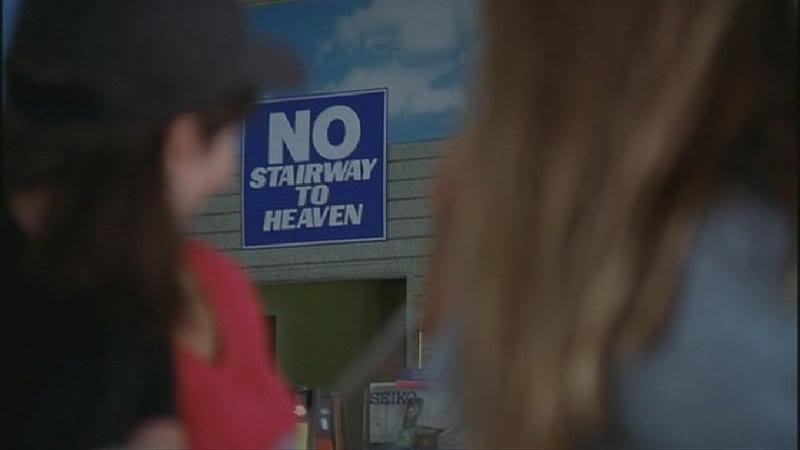
“Denied!”: Sorry, Wayne (and Rolf) – only the best covers have made it on to this list
Let’s be honest, most of them have been pap – for every easy listening-tastic Sinatra recording of Something there’s an oh-god-why Samantha Fox doing Satisfaction – but one or two have been decent, or even more than decent. Well, one or two. Yes, we’re talking cover versions here.
And the other day I set myself the task to note down the ten best cover versions ever to be committed to tape in a recording studio and listened to by yours truly – no, there’s been no straw poll conducted here, this is merely and entirely a subjective run-down from tenth-best to the very best.
So, make sure you’re sitting comfortably, peeps – and, remember, there’s no greater flattery than the art of imitation – and this lot really have made it an art…
Click on the song titles to hear examples
~~~
10 It Must Be Love ~ Madness, 1981
(Original version: Labi Siffre, 1971)

So, to kick off the countdown is a proper prince among pop covers from the ’80s’ biggest selling band in the UK. In spite of its use in a TV commercial last year, the original still remains little known, but it’s a charming jem – an upbeat, sunny early ’70s ditty that deserves many a listen. The cover, though, is unforgettable, of course. Suggs and friends took singer-songwriter Labi Siffre’s tune and, turning their back on ska and going for more pure pop sensibilities, used saxophones, strings and studio polish to produce a hit-and-a-half that marched up to Number 4 in the UK charts. But what of the likeable Labi Siffre? Well, 16 years after recording the first It Must Be Love, he hit the big-time again in 1987 with anti-apartheid anthem Something Inside So Strong. See, it really must’ve been love – it turned out nice for everyone in the end.
~~~
9 You’ve Got The Love ~ Florence + The Machine, 2009
(Original version: The Source, Featuring Candi Staton, 1991)
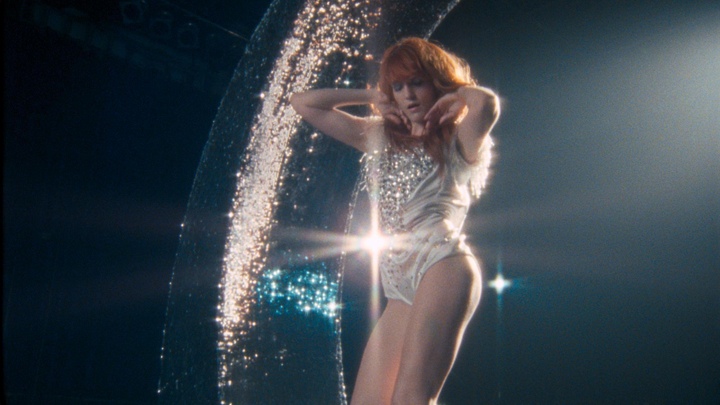
The original was a standard of late-’80s/ early-’90s pop soul, smattered with an acid house-style backing beat, but Florence + The Machine’s very recent cover (easily the youngest on this list) is a quality effort in my book – true quality. Florence (real surname Welch) and her ‘Machine’ (her backing group) not only have taken the song and given it a whole lease of new life, as all successful covers do, but reimagined it for a new generation of British pop followers. Theirs is a version that’s arguably even more urgent than the original, with its indie guitar-driven feel and heavy drums, yet it also has a sort of a transcendental effect with the touches of harp and overdubbing of Florence’s soaring and pulsating vocals. Few modern covers are worth the listen; this one’s worth several, one after another.
~~~
8 I Fought The Law ~ The Clash, 1979
(Original version: Sonny Curtis And The Crickets, 1959)

Bet you didn’t know this one was a cover, did you? If not, feel very smug with yourself – you get 1,000 brownie points. Yes, one of the all time Clash classics was, in a former life, a rather hickey yet fun rock ‘n’ roll ditty recorded by The Crickets with a new front man after they split with the unforgettable Buddy Holly. Indeed, do give the original a listen – it’s quite the curate’s egg. As for Joe & Co’s version, well, it’s an absolute psuedo-punk classic of course, its lyrics and simple-sounding structure fitting perfectly with the band’s radical, visceral, leftist image to a tee. Since The Clash, it’s been covered a host of times by everyone from Chumbawumba to Status Quo; before them it was covered – perhaps most famously in the States – by the Bobby Fuller Four in 1965. The Clash’s version was added to the US edition of their The Cost Of Living album, and the single itself criminally only reached Number 27 in the UK charts.
~~~
7 Everybody’s Talkin’ ~ Harry Nilsson, 1968
(Original version: Fred Neil, 1966)

And here’s another cast-iron classic that, again, probably few know was in fact a cover. Yes, playing optimistically as it did in Midnight Cowboy (in wonderful counterpoint to what was going on on-screen), it probably isn’t a stretch to say that Nilsson’s smooth, easy and oh-so agreeable version of Everybody’s Talkin’ helped define the close of the ’60s in America – all that hope, belief and goodwill of a few years earlier going up in smoke with Martin Luther King’s assassination, Nixon and the deepening hell that was Vietnam. It’s like an ironic cheer for the urban mess of 1969 New York and a satirical greeting for the hard realities the ’70s would bring. However, country singer Fred Neil’s original effort from a few years earlier had no such arty faux connotation to it, being a genuinely jaunty, upbeat song that seems to have been lost in the annals of music history thanks to the monster hit it bequeathed just three years later. I’m sure he never expected that – just as the world didn’t expect Midnight Cowboy, a film with an X-rating, to waltz off with the Best Picture Oscar that year. The times they had ‘a-changed, indeed.
~~~
6 Alfie ~ Cilla Black, 1966
(Original version: Cher, 1966)

Watch the end of Alfie again and you may be surprised – if you come from the UK, that is. For the titular Bacharach/ David-penned theme that closes said film is neither the version we all know so well, nor is it sung by the national institution that is Cilla Black. Nope, you’ll discover that what plays over the flick’s fantastically trendy end credits is actually a clunky yet cool rendition delivered by none other than Yank diva Cher. How so, you may wonder? Well, Cher’s ’60s beau Sonny Bono was, perhaps a little randomly, the composer of this Brit flick that almost single-handedly sums up the Swinging Sixties – and, rightly or wrongly, he presumably had the muscle with the producers to ensure his girlfriend got the gig for the movie.
But Cher’s, of course, wasn’t the big chart hit – that honour (over here, at least) went to arr Cilla. In fact, this version, with its epic, three-course-dinner-like orchestral sound, was recorded entirely live at Abbey Road Studios – with Cilla singing along with the full orchestra for each take. And there were a hell of a lot of takes too – so many that George Martin, who produced all of Cilla’s recordings at this time, had to step in and ask Bacharach (conducting the orchestra himself) just how many takes he was going to make the young rising star sing. The great one’s reply was that he was waiting for that one, single take that was ‘perfect’. Judge for yourself whether they found it.
~~~
5 Twist And Shout ~ The Beatles, 1963
(Original version: The Top Notes, 1961)

Such a fans’ favourite was The Fabs’ version of this r ‘n’ b classic that they always used to close their early sets with a raucous rendition of it. In fact, its raucous nature was the very reason why it was the set-closer, as its performance took too much of a toll on John’s vocal chords to appear elsewhere on the bill. Fondly recalled by all and sundry for John and George’s mop-topped head-shaking during their ‘oooh’ answers to John’s delivery of the title line, it’s also remembered by ’80s teen flick enthusiasts as the tune Ferris Bueller mimes and dances to (along with an entire parade through the streets of Chicago) while on his eponymous day off – which, in fact, gave it a whole new lease of life in the States and sent it back to the top of the charts in the summer of 1986.
But it shouldn’t be ignored that before The Beatles made it theirs, Twist And Shout was made hugely popular by The Isley Brothers a year before; indeed, if it weren’t for this original cover there’d have been no Fabs effort. Word to the wise: listen out for Lennon’s classic wisecrack intro to the 1964 Royal Variety Performance recording in the above link – it’s a humdinger, all right.
~~~
4 The Star-Spangled Banner ~ Jimi Hendrix, 1968
(Original version: Francis Scott Key/ John Stafford Smith)

Of course, there’s never really been a definitive – or indeed – original version of the US national anthem, or to give it its proper name The Star Spangled Banner (the lyrics of which came from the poem The Defence Of Fort McHenry by Francis Scott Lee and the tune from a British drinking song by John Stafford Smith). But if anything’s for sure then it must be that, when fully realised and having firmly found its vocation, this proud paean to all that is patriotically good about America was never intended to be covered in the way guitar god Jimi Hendrix did in the late-’60s. Instead of highlighting the distopyan view of the US many of its young people held at that time in the almost satiric manner the Everybody’s Talkin’/ Midnight Cowboy combo did, Hendrix went right for the jugular with his performances of his country’s national anthem – often closing his sets with it, in fact.
Drawing out the infamous notes of the melody in a manner that’s not a million miles away from one scratching their fingernails down a blackboard, he managed to make the notes themselves seem to screech, whimper and howl, as if in pity and pain. The effect was also aided by feedback and simulated sounds of gunfire and explosions (the sounds of war,if you will). Right or wrong, there’s no doubt what he was trying to say – the country is f***** and so are we. Best remembered, as it always will be, as the closer to his set at August 1969’s Woodstock Festival, this iconic – and so very different – version of an instantly recognisable piece of music simply has be one of the all-time great covers.
~~~
3 Mr Tambourine Man ~ The Byrds, 1965
(Original version: Bob Dylan, 1965)
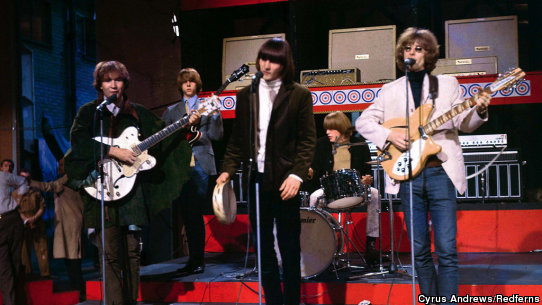
There’s a simple, pure, oh-so folky joy to Dylan’s original version of this all-time standard of pop/ rock songwriting; it’s sweet and touching in many ways – his vocal delivery emphasises the whole point of the lyrics. But is the cover better than the original? Well, I’m very, very loathe to besmirch the genius that was Bob, yet Roger McGuinn and his band knew exactly what they were doing when they slowed the tune down and smothered it with jangly guitars, giving it the effect, with its intelligent, surrealistic lyrics, not just of smart, arty pop, but also of unquestionable early psychedelia. In writing it, Dylan was apparently inspired by French poet Arthur Rimbauld and Italian filmmaker Federico Fellini; in covering it, The Byrds were clearly inspired by the hippy-friendly times happening around them and the growing interest in expressing the experience of drug taking (LSD, especially) into music.
Their version was their debut single and was surprisingly released only two weeks after Dylan’s, topping the charts on both sides of the Atlantic and kick-starting the ‘folk rock’ movement to be embraced by the likes of Simon & Garfunkel, The Lovin’ Spoonful and Jefferson Airplane – and without doubt also inspiring another band of the time you may have heard of… The Beatles.
~~~
2 All Along The Watchtower ~ Jimi Hendrix, 1968
(Original version: Bob Dylan, 1967)
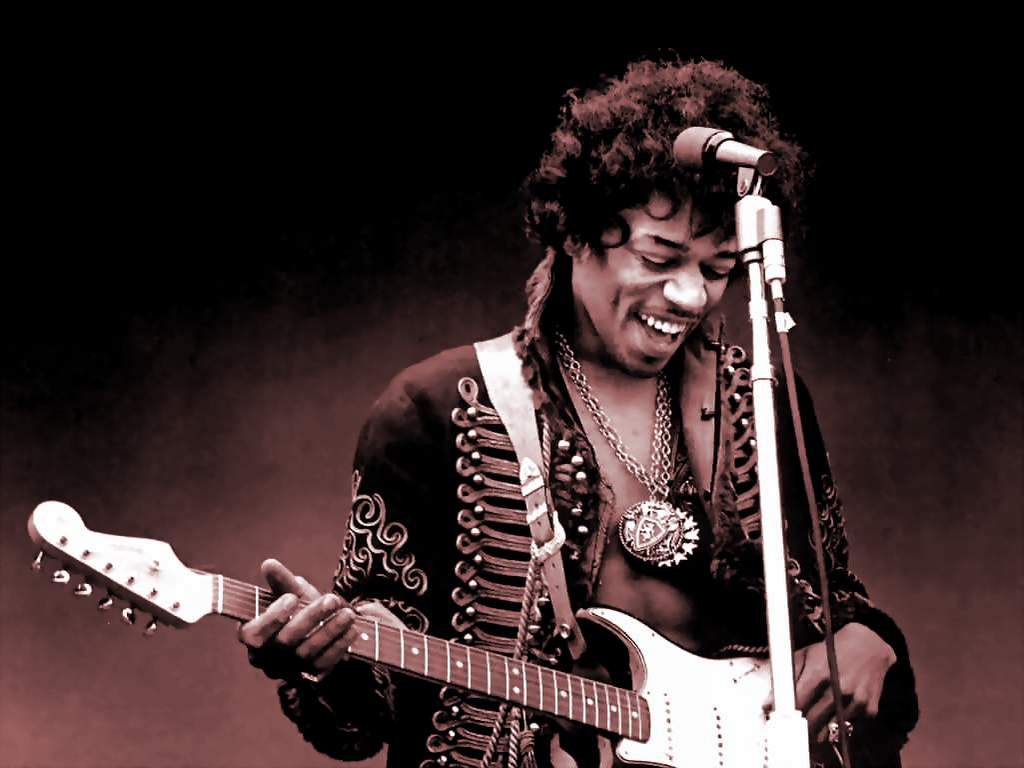
The second Hendrix cover on the list is also the second cover of a Dylan song on the list, and it’s also Number Two on my list. Why? Because it’s bloody brilliant. The original, released in November 1967, appeared on Dylan’s John Wesley Harding album and, like the other songs from that, its lyrics and tonality are influenced by passages from the Bible. There’s a general mysticism and unsettling aspect to it, perhaps most punctuated by the rather forbidding-sounding lyrics, which like those from so many great songs don’t actually make a lot of sense when you properly listen to them.
But what was it that Hendrix did that was so good with his version (released about a year later than Dylan’s on the album Electric Ladyland)? Well, let’s take it from the start. Frankly, if you’re not hooked immediately thanks to the heavy clash of drums and guitar riff at the beginning, then, to my mind, there’s no hope for you. I’ve always found that beginning infectious. It’s like a hit of aggressive adrenaline right into the brain. And then Hendrix lets his guitar wander in and out and all over the melody with a beautiful, sort of poetic, musing meandering that perfectly accompanies the forbidding, abstract lyrics, while all the while the heavy bass line drives the thing along. There’s a dark, hard, heavy feel to the song that, while terrific, you can’t really put your finger on. It’s intangible in a way. Yes, it’s very late-’60s. No wonder the anti-Vietnam crowd jumped on it and adopted it as something of an anthem – it really was ideal for that. Indeed, much in the way that Fleetwood Mac’s beautiful, drifting, lilting Albatross was the ideal soundtrack for the Moon Landing in 1969. Perhaps the two songs are negatives of each other? Perhaps.
~~~
1 With A Little Help From My Friends ~ Joe Cocker, 1968
(Original version: The Beatles, 1967)

And so finally we come to the final entry in my list – Number One, Numero Uno, the best of the best. Erm, yes, it may not surprise you that a music list of mine has been topped by a song written by The Beatles, but who is it who’s covered it? That’s right, it’s an ex-gas fitter from Sheffield. Let’s be honest, Joe Cocker should never have been a rock star. He’s always been ugly, he has a ridiculously un-cool name and he sounds like an extra from The Full Monty when he opens his mouth to talk. But when he opens his mouth to sing, something miraculous happens – he simply has one of the greatest blues/soul/ rock (whatever you want to call it) voices ever to have graced this fair earth. In his time, he’s come up with some blisteringly brilliant recordings – Delta Lady and You Are So Beautiful to name but two – but I’ve always loved, no adored, his version of the second song from Sgt Pepper’s, as have music fans across the globe.
But why have I placed it at the very summit of my list? Well, in part because I like it so much, I guess, but perhaps more because it’s such an audaciously different, and yet terrifically realised version of a song that had already entered the public consciousness to a huge degree when it was released. Cocker’s version is so good and such a departure from the original, nowadays it’s almost as if it’s looked upon as a totally different song from The Fabs’ efffort. Actually, in a way it is. It’s a radical rearrangement, using a a slower meter, a different key, different chords in the middle eight, and an unforgettable, lengthy instrumental introduction. And yet, with contributions from organist Tommy Eyre, Procul Harlem drummer BJ Wilson and Jimmy Page (who provided the introduction’s guitar lines), Cocker pulls it off, and then some.
Like Hendrix’s reworking of The Star Spangled Banner, this one too was always identified with Woodstock, yet in the late-’80s it found a new lease of life thanks to its use over the opening titles of the wonderful, long-running nostalgia-fest drama The Wonder Years. Owing to its sheer quality and association with both cultural landmarks it’s likely to remain iconic for all times. All in all then, not bad for a former gas-fitter. Yep, ‘The Sheffield Soul Shouter’ did Billy Shears proud, all right. 
George
Felicity Kendal: The Good Lithe
.
Talent…
.
… These are the lovely ladies and gorgeous girls of eras gone by whose beauty, ability, electricity and all-round x-appeal deserve celebration and – ahem – salivation here at George’s Journal…
.
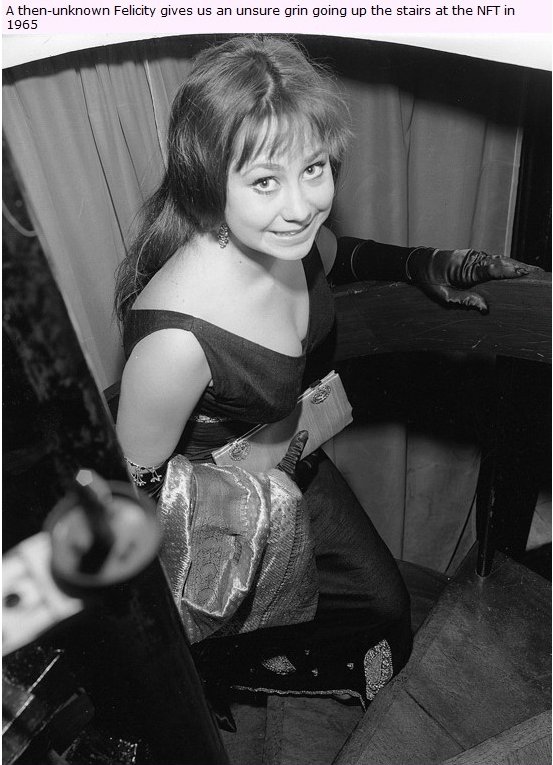
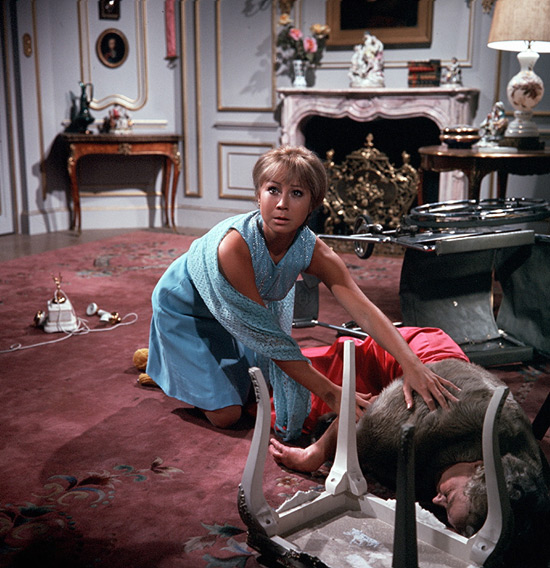
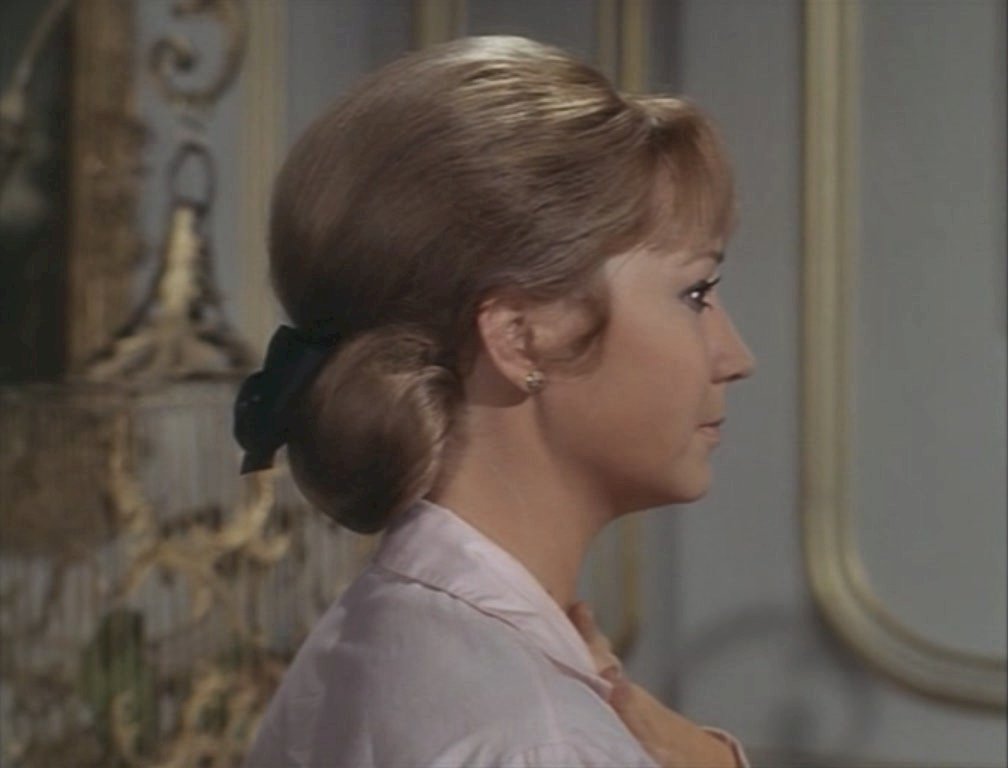
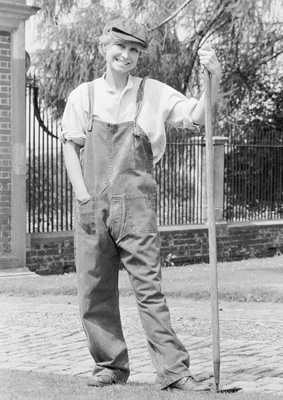
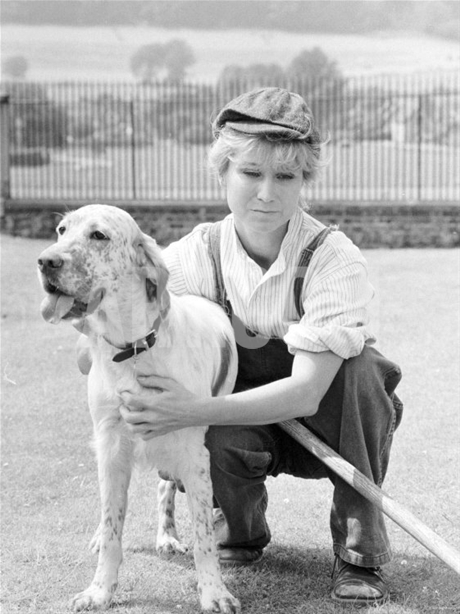
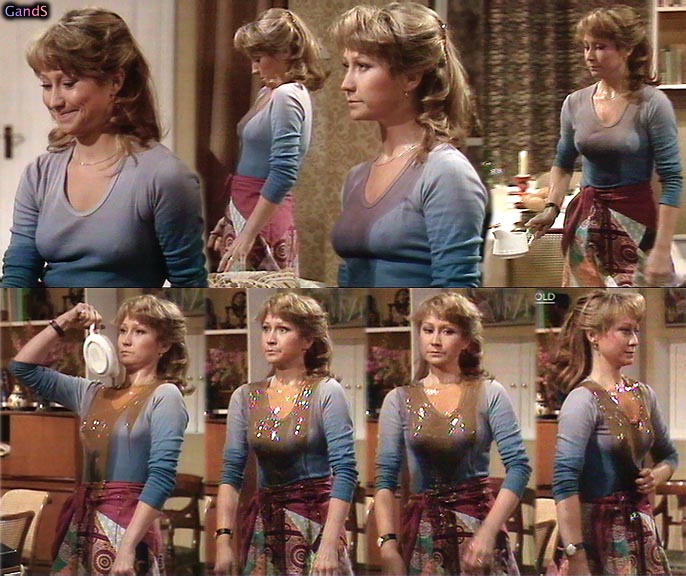
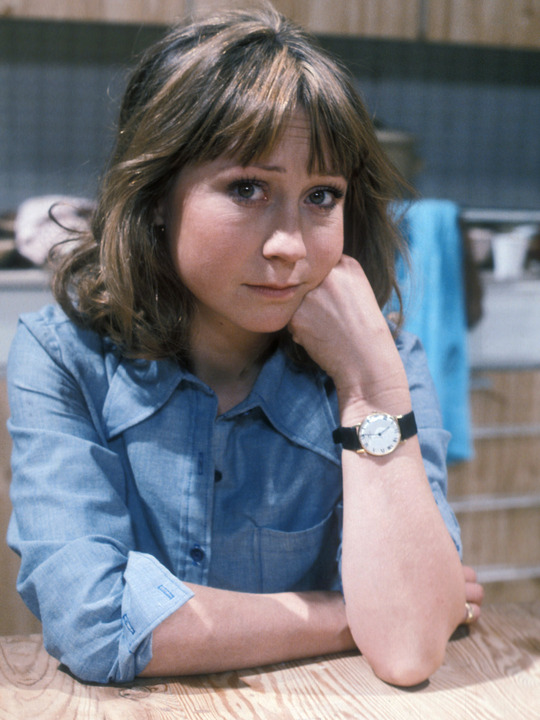
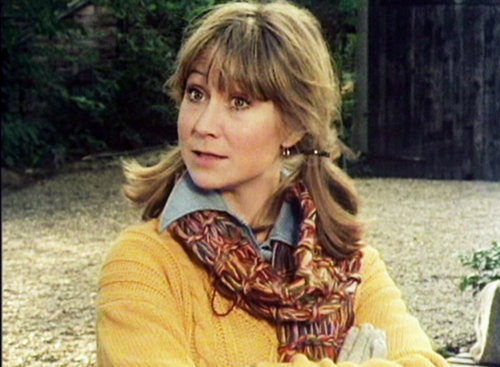
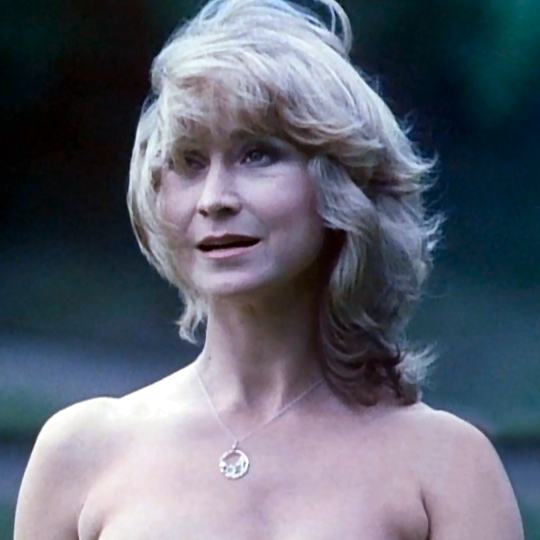
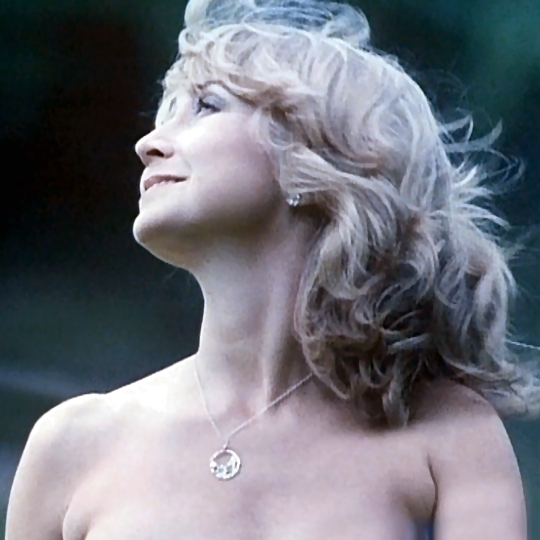
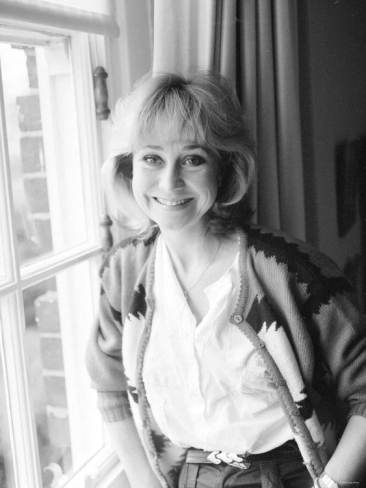
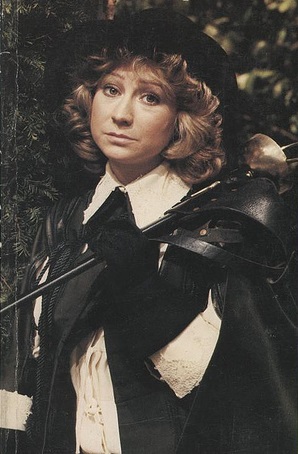
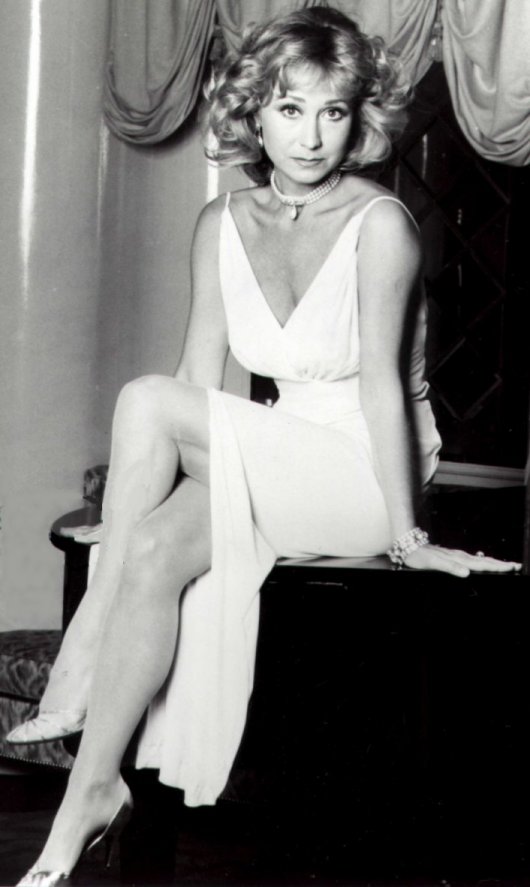
It’s Easter, which means it’s spring (sort of), so what better subject for our second Talent offering than the garden goddess who was a byword for Surbiton-based suburban self-sufficiency from the ’70s and is now a formidable grande dame of the West End theatre? Yes, that’s right, it’s the delightful, game and unforgettable Mrs Barbara Good, none other than Felicity Kendal…
.
Profile
Name: Felicity Ann Kendal, CBE
Nationality: English
Profession: Actress
Born: 25 September 1946 in Olton, Solihull, Warwickshire (now West Midlands), England
Height: 5ft
Known for: as the lovely self-sufficient Barbara in the iconic sitcom The Good Life (1975-78), her BBC follow-up dramedy Solo (1981-82), the Channel 4 literary adaptation The Camomile Lawn (1992) and as one half of ITV’s green-fingered crime-fighting duo Rosemary & Thyme ~ TV (2003-06). Over the decades she’s amassed a highly impressive body of worj, often in the West End, including the Tom Stoppard plays The Real Thing (1982), Hapgood (1988), Arcadia (1993) and Indian Ink (1995), and, most recently, The Vortex (2008), The Last Cigarette (2009) and Mrs Warren’s Profession (2010).
Strange but true: Her father led a traveling repertory company in India, in which she often appeared while growing up – performing in rural villages and before royalty; her older actress sister Jennifer appeared alongside legendary actor Shashi Kapoor in the 1965 Merchant/ Ivory film Shakespeare Wallah (inspired by her and Felicity’s parents’ company), after which she married Kapoor.
Peak of fitness: Willing a tub of plants to grow by cooing at them in her trademark croaky voice in The Good Life episode I Talk To The Trees (1976).
.
CLICK on images for full-size
.

.


…………………………….
.

.
.

.
.


.
.
.

.
.
.
.

 .
.
.


.

.

.

.

.
.
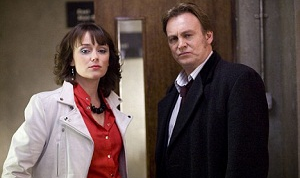

Double whammy: Keeley Hawes and Philip Glennister in Ashes To Ashes (left); new boy Matt Smith in Doctor Who
So, for all you Blighty readers out there, tell me, have your exciting BBQ and picnic-based double bank holiday plans been quashed by the weather and now you’re wondering what to do with yourselves as, outside, Easter looks set to feel more like Christmas?
Well, fear not, because, given you’re likely to be inevitably drawn to the gogglebox, instead of having to sit through either Jesus Christ Superstar or The Ten Commandments this Easter there’s two genuine – yes, really genuine – telly highlights to look forward to.
First up is the opening episode of the third series of the ’80s-tastic Ashes to Ashes (tonight, 9pm, BBC1). Yes, after two solid series, the Life On Mars follow-up, which has pleasingly found its own feet as opposed to becoming branded as the latter’s weaker brother, is having one final fling. And this last helping promises to tie up not just what the hell’s going on with modern heroine Alex Drake (the lovely Keeley Hawes) – hopefully not least why she’s returned to the ‘past’ after coming out of her coma at the end of Series Two – but also digging deeper into the entity that is Gene Hunt (Philip Glennister), as well as supposedly unravelling the whole brouhaha behind original Life On Mars protagonist Sam Tyler’s trip back to his own fantasy ’70s cop show world. Frankly, methinks it’ll do well to explain away all that, but as long as it’s good fun like the first two series, with the Gene Genie on his best uncompromising thief-takin’ form, who really cares?
Hmmm, who’d be a fool and go out on Saturday ensuring they miss the curtain-raiser of the brand-spanking new series of Doctor Who (Saturday, 6:20pm, BBC1)? Erm, well, me – still, it is for a friend’s 21st, which is a good excuse, right? All the same, I certainly can’t wait to catch up with the episode that promises properly to introduce us to Matt Smith’s new Doctor (following the few final seconds of the New Year’s Day special and that gimmicky thing you can watch on the Red Button). What will he be like compared to David Tennant’s hugely popular interpretation? Darker? Lighter? More old-fashioned (he is going for a tweed jacket and bow-tie look, after all)? Not as good? Or even better?
In the end, of course, the only way of finding out is to watch the new series of Doctor Who, now in control of executive producer Steven Moffat, something methinks that bodes well seeing as he wrote some of the best of the Ecclestone and Tennant episodes. Plus, there’s the fine-looking new assistant to look out for, in the shape of Karen Gillan’s Amy Pond. A lithe redhead with a Scottish brogue? Yup, I’m there with bells on. And, lest we forget, it looks like both the Daleks and the Cybermen will be back, as will those eerie stone statue things and there’ll be vampires in Venice. Oh yes, I really can’t wait – beam me up, Scotty! Ah, no, that’s another series, isn’t it?
More Easter telly highlights
The Sting (film) ~ today, 12:45pm, ITV4 Oscar-winning ’70s Depression-era con-caper starring Paul Newman and Robert Redford
The BFG (film) ~ today, 1:05pm, ITV3/ Saturday, 2:50pm, ITV3 Sprightly ’80s animated adaptation of Roald Dahl’s novel, featuring the voice of Only Fools And Horses‘ David Jason as the enormous, eponymous hero
Casablanca (film) ~ Saturday, 1:40pm, More4 Eternal WWII-set Hollywood classic starring Humphrey Bogart, Ingrid Bergman, Claude Rains, Conrad Veidt and Peter Lorre
When Harry Met Ali: A Tribute To Harry Carpenter ~ Saturday, 5:10pm, BBC2 Documentary of boxing commentator Harry Carpenter’s encounter with Muhammad Ali – see my blog on Harry Carpenter here
Crocodile Dundee (film) ~ Saturday, 5:30pm, Film4 Evergreen ’80s fish-out-of water comedy starring Paul Hogan and Linda Kozlowski
Private Life Of An Easter Masterpiece ~ Saturday, 6:55pm, BBC2 Documentary featuring Rogier van der Weyden’s painting The Descent Of The Cross
Apollo 13 (film) ~ Saturday, 6:55pm, ITV2 Engaging cinematic re-telling of NASA’s failed 1971 moon-launch, starring Tom Hanks
Oklahoma! (film) ~ Saturday, 7pm, BBC4 Glossy if stagey ’50s Hollywood version of the hit musical, starring Gordon McRae and Shirley Jones
The Cannonball Run (film) ~ Saturday, 8pm, Five USA Silly, knockabout car race caper, featuring Burt Reynolds and Roger Moore
Alfie (film) ~ Saturday, 9pm, Film4 Oscar-nominated 1966 drama, set in the Swinging Sixties and starring Michael Caine, Shelley Winters, Jane Asher and Eleanor Bron
The Italian Job (film) ~ Saturday, 9:05pm, Channel 4/ Sunday, 9pm, Film4 Hugely popular ’60s Brit crime caper starring Michael Caine, Noel Coward, Benny Hill and Simon Dee
Fiddler On The Roof (film) ~ Saturday, 1:20am, ITV1 Oscar-nominated 1971 Hollywood musical starring the terrific Topol
Up Pompeii (film) ~ Sunday, 11:50am, ITV3/ Monday, 10:20am, ITV3 Bawdy comedy based on the ’70s BBC series, starring Frankie Howerd as the legend that is Lurcio
Freaky Friday (film) ~ Sunday, 1pm, Film4 Fun body-swap comedy from the ’70s, starring Jodie Foster
Carry On Screaming (film) ~ Sunday, 1:30pm, ITV3/ Monday, 9pm, ITV3 Great horror film pastiche starring Kenneth Williams, Harry H Corbett, Fenella Fielding, Jim Dale and Angela Douglas
Carry On Cowboy (film) ~ Sunday, 3:30pm, ITV3/ Sunday, 8:20am, ITV3 Wonderful western parody, featuring Sid James, Kenneth Williams, Jim Dale, Joan Sims, Charles Hawtrey and Angela Douglas
Carry On Cleo (film) ~ Sunday, 9pm, ITV3/ Monday, 1:50pm, ITV3 Classical-set comedy, partly based on 1963’s Cleopatra, starring Sid James and Kenneth Williams
Arena: Johnny Mercer – The Dream’s On Me ~ Sunday, 9:25pm, BBC4 Documentary about the writer of Moon River from Breakfast At Tiffany’s and other classic songs
Oliver! (film) ~ Monday, 3:10pm, Fiver Vibrant, Oscar-winning film version of Lionel Bart’s ’60s musical, starring Ron Moody, Oliver Reed, Shani Wallis and Jack Wild
Van Gogh: Painted With Words ~ Monday, 5:10pm, BBC1 Documentary about the troubled Dutch painter genius
Romancing The Stone (film) ~ Monday, 6:55pm, Film4 Robert Zemeckis’s 1984 answer to Indiana Jones, starring Michael Douglas, Kathleen Turner and Danny DeVito
Casualties Of War (film) ~ Monday, 11pm, Five Brian De Palma’s 1989 Vietnam drama featuring Michael J Fox and Sean Penn
Richard Pryor Live In Concert ~ Monday, 12:30am, BBC2 The legendary stand-up in a 1979 performance
George
Arresting hero: the evolution of the TV detective
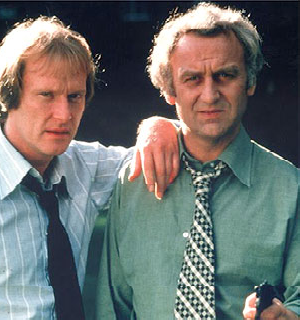

‘Ello, ‘ello, ‘ello: George Carter and Jack Regan in The Sweeney from the ’70s (left); Sam Tyler and Gene Hunt in Life On Mars from the ’00s… and the ’70s
You’re nicked! More like you’re hooked! For the last 40 or so years, fictional drama on our television sets and the solving of crimes have gone hand-in-hand. Together they’ve proved such a winning combo they’ve made household names of the very characters who have done the crime-solving, the villain-chasing, the car-chasing and, ultimately, the arresting. Indeed, most of the time, we’ve been so fascinated, nay, beguiled by these (often) anti-heroes that the dramas themselves have been created just to provide a playground in which the detectives have been allowed to run around. And thank goodness for that.
The long arm of the law was on TV screens on both sides of the Atlantic right from the off, of course – many a TV drama from the year dot would feature a policeman, if the plot needed one. Then in the ’50s and into the ’60s, UK TV devoted two drama series to the copper, Dixon Of Dock Green (1955-76) and Z-Cars (1964-78). Both were long-running and undeniably popular, the former focusing on uniform policing out of a London East End station and the latter on Northern England patrol policing. Z-Cars was grittier than Dixon Of Dock Green, for sure, but then the original early episodes of British soap Coronation Street were gritty for their day too.
Over in the States, ’50s and ’60s TV crime drama saw the likes of Dragnet (1951-59 and 1967-70), The F.B.I. (1965-74), The Fugitive (1963-67), which was later adapted by Hollywood into the 1993 Harrison Ford starrer of the same name, and The Untouchables (1959-63), which also was ‘adapted’ into a film of the same name – in 1987 and famously featuring Sean Connery. Sure, all of these series were popular and, like their British counterparts, groundbreaking in their way, but none of them specifically focused on their detectives as individual, unique characters; moreover, in The Fugitive, the actual fugitive was the protagonist.
But in the late-’60s things slowly began to change, as another police drama captured the public’s imagination and, frankly, never let it go. It was unlike anything that had gone before. It was pseudo-glamorous, indefatigably cool and had an awesome theme tune (three requirements that many a later cop show would attempt to emulate). It was Hawaii Five-O. And it was dynamite.
Aside from repeats – or reruns – over the decades, it’s estimated that Hawaii Five-O’s first run and syndication was seen by a staggering 400 million people around the world. The series ran from 1968-80 and featured former US naval officer Steve McGarrett and his partner Danny ‘Danno’ Williams of Hawaii’s fictional state police force. In truth, however, rather like the lead character from Dragnet, McGarrett was something of a dull plod seemingly married to his work (despite his cool shades), and the show is best remembered for his episode-closing catchphrase ‘Book ’em, Danno’ and the film of outrigger canoeists battling the surf that the catchy theme tune played over as the end credits rolled. Really, the truth is that when it comes to the TV detective, everything actually changed in the ’70s.
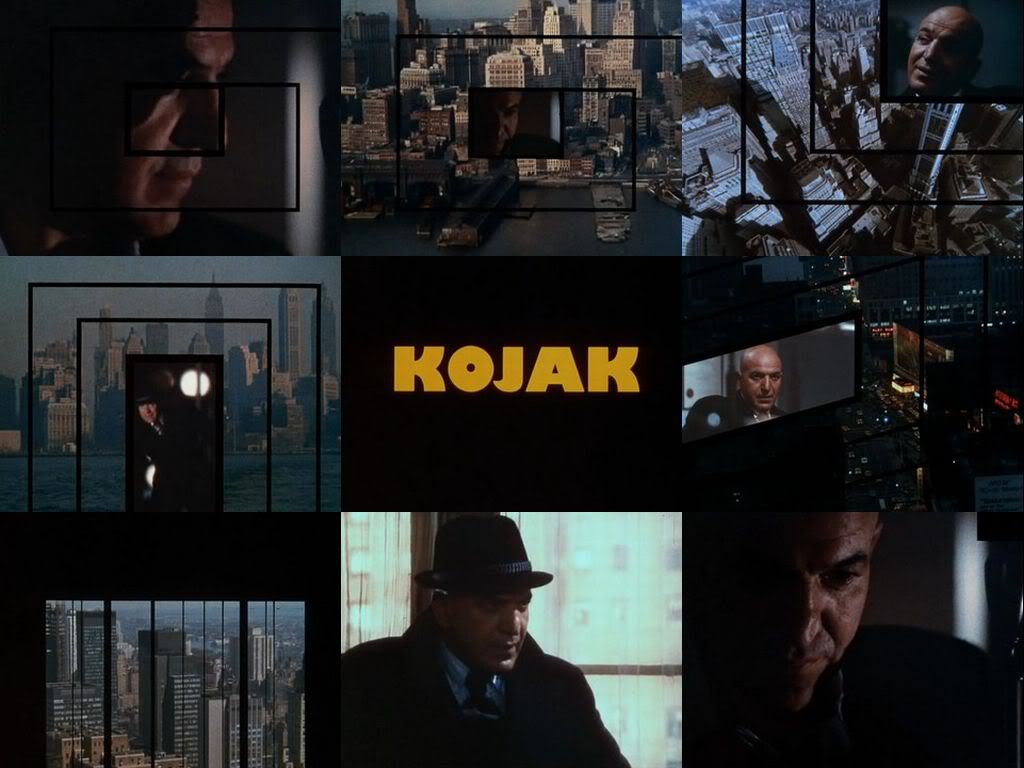
Telly on telly: Kojak brought New York neo-realism – and lollipops – to the small screen
And it may have been The French Connection’s fault. When it was released in 1971, William Friedkin’s hard-nosed thriller set on the mean streets of New York caused a sensation – and rightly won the big Oscars that year. Featuring Gene Hackman in career-best form as the uncompromising narcotics detective ‘Popeye’ Doyle, ably supported by Roy Scheider’s sidekick, it was an utter kick in the nuts for presenting police work and policeman on the screen, big or small. Perhaps unsurprisingly, it was entirely based on the experiences of two real-life NYPD detectives, Eddie Egan and Sonny Grosso – both of whom actually appeared in the film; well, it was Hollywood, after all. So how was it this film had such a catalyst-like effect on the small-screen detective then? Well, could you imagine Kojak ever making it on to the box if The French Connection hadn’t been a hit?
To my mind, Kojak changed everything. Like Hawaii Five-O, it was cool, had a cracking theme tune and a title sequence veering on the ludicrous (big letters spelling out the protagonist’s name would flash on screen in time with the pounding music), but it was also hard-edged, neo-realistic stuff and, undeniably, was driven along by its unusual, intriguing and charismatic central character – after which it was named, lest we forget. And Lt Theo Kojak, played by the late, great Telly Savalas, is unforgettable. No, actually, he’s iconic.
A snappily be-hatted, or otherwise just plain bald, Greek Noo Yawker, Kojak was the smartest, swankiest cat on the force, and seemingly forever had a lollipop in his mouth (a motif that was apparently introduced to bring the series in line with the growing public perception that cigarettes are harmful, given the character originally smoked instead). He also possessed surely the greatest catchphrase of any ’tec on the box: ‘Who loves ya, baby?’. Everybody loved Kojak – and everybody still does. It originally ran for five series from 1973-78 and was followed by two TV movies The Belarus File (1985) and The Price Of Justice (1987), and one final series in 1989, in which the eponymous hero commanded a wet-behind-the-ears sidekick.
With Kojak, it seemed, the floodgates opened. Telly schedules were chock-full of US detective shows in the ’70s; you couldn’t move for them. There was Cannon (1971-76), an overweight detective; Columbo (1971-94), a crumpled detective; Ironside (1967-75), a detective in a wheelchair; McCloud (1970-77), a cowboy detective in New York; The Rockford Files (1974-80), a small-time detective who was an ex-con; and Quincy, ME (1976-83), a detective whose gimmick was that he was, er, ugly.
Nah, that’s selling Quincy short – and then some. Played by Jack Klugman, star of the classic courtroom drama 12 Angry Men (1957) and the TV version (1970-75) of The Odd Couple, Quincy was a San Francisco pathologist who became so embroiled in solving murder cases that ended up on his slab he often couldn’t stop himself helping vulnerable and desperate people who were wrapped up in each episode’s plot. Being a pathologist and, well, not endowed in the looks department, it certainly shouldn’t have convinced that Quincy was such a hit with the ladies, but somehow it never seemed to rankle – and neither did the far from credible scenarios in which he became involved. Something very charming, almost innocent about the show – like the best of its contemporary detective shows from this decade – ensured its colourful escapist fantasy far outweighed its lack of realism, and made it a big hit. Its opening sequence – like so many of the best detectives’ shows – was an out-and-out classic too (see above).
Another cop show of the ’70s that traded heavily on the unlikely, while also seemingly trying to inject realism and a hard edge into proceedings, was Starsky & Hutch (1975-79). An all-time classic, it also made great use of the ‘buddy-buddy’ dynamic. David Starsky (Paul Michael Glaser) and Kenneth ‘Hutch’ Hutchinson (David Soul) were like a crime-fighting Butch and Sundance, prowling around the fictitious Bay City in their Gran Torino car (the real star of the show?) or ‘Striped Tomato’ as it became known, and calling on their extravagantly dressed underworld informer Huggy Bear (Antonio Fargas). As noted, the show started out with gritty intentions, but as the seasons clocked-up the emphasis shifted to buddy-buddy banter, comedic set-ups and, seemingly, the heroes driving their car through as many cardboard boxes as possible.
The same could not be said for the most fondly recalled British cop show of the era; also a buddy-buddy series. The Sweeney (1975-78) was unlike any UK police drama before or maybe since, in that it was as gritty and hard as a poorly laid motorway. Indeed, that may have been behind every aspect of its appeal. Aiming, right throughout its run, to lift the lid on the haphazard lives and not just violence but also, tellingly, the futility of the work of plain-clothes police, it featured Detective Inspector Jack Regan (John Thaw) and Detective Sergeant George Carter (Dennis Waterman), members of the London Metropolitan Police’s Flying Squad (the series’ title refers to this police branch in Cockney rhyming slang: ‘Flying Squad, Sweeney Todd’).
Rightfully remembered as an uncompromising portrayal of thief-takers that catch villains behind armed robbery and violent crime, The Sweeney was nonetheless intensely cool, with its punch-ups, violence, car chases, old-school chauvinism and dirty, lacklustre ’70s sheen. In actual fact, it featured more fantastical storylines than it’s often remembered for, as well as giving rise to some truly absurd catchprases (‘We’re the Sweeney and we haven’t had any dinner!’). But it may also lay claim to be the best cop drama these shores has ever produced. Two movie spin-offs made it into cinemas: Sweeney! (1977), whose plot was inspired by the 1963 Profumo political scandal, and the Malta-set Sweeney 2 (1978).
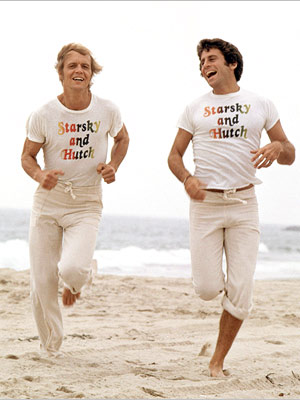
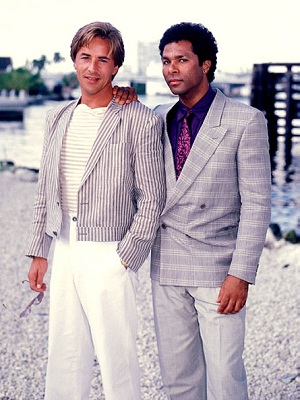
Beach buddies: In the ’70s, Starsky & Hutch use a jog on the beach for shameless self-promotion (left); in the ’80s, Miami Vice’s Crocket and Tubbs use the beach to pose in shameful men’s fashion
Other British cop efforts in the ’70s failed to hit the dizzy heights of The Sweeney, but two are notable. The first, Van Der Valk (1972-77 and 1991-92), because of its curious Amsterdam setting and entire cast of Dutch characters, as well as another ace theme tune, and the second, The Professionals (1977-83), because it essentially seemed to be an attempt to combine The Sweeney’s anti-hero realism and unashamed violence with the fantasy of Starsky & Hutch, portraying as it did the exploits of the part-police/ part-Intelligence branch CI5’s top operatives Bodie and Doyle (Lewis Collins and Martin Shaw), under the command of George Cowley (film actor Gordon Jackson).
The ’80s produced yet more changes for the humble TV detective. In the US, while fantasy abounded in the likes of TJ Hooker (1982-86), William Shatner’s family-friendly fare about a moralistic uniformed cop, and the terrific Magnum PI (1980-88), another Hawaii-set series with incredibly cool theme music that focused on the exploits of an easy-going, moustachioed ex-army private eye played by Tom Selleck who, interestingly, suffered from eerie Vietnam flashbacks, a commitment to neo-realism and police procedural returned with Hill Street Blues (1981-87).
This series was set around a police station – or precinct – and featured multiple characters instead one single or two ’tecs. Unlike (supposedly) Starsky & Hutch and definitely The Sweeney, its focus wasn’t on violence and grit, but more on character-stories and the relationships in the precinct. Nowadays, it’s perhaps best remembered for its pre-titles ‘roll-call’ scene (often ending in the line ‘Be careful out there!’) and the gentle, melodic title theme. Also groundbreaking and similar in tone, was the New York-set Cagney & Lacey (1982-88), in which Sharon Gless and Tyne Daly played the title characters – two female detectives. Riding on the wave of Women’s Lib during the ’80s, its mild feminism was countered by believable storylines and comic situations often at the expense of its protagonists. Its theme is also fondly recalled – a brassy, saxophone-led piece that could only have come from the ’80s.
Over here in Britain, a female TV cop finally took centre-stage in the dull Juliet Bravo (1980-85), while the Jersey-set but rather comfy Bergerac (1981-91), starring John Nettles, proved a ratings success, and the buddy-buddy formula went ‘boy and girl’ in Dempsey & Makepeace (1985-86), which starred Michael Brandon and Glynis Barber as an American and British crime-fighting duo. Inspired, no doubt, by The Professionals, with its ’80s glam it played more like a cross between Starsky & Hutch and the ’60s spy hokum show The Avengers. Brandon and Barber at least found love off-set, though.
Really, it was with Miami Vice (1984-90) that the ’80s TV detective really hit his groove. Inspired by the Bolivian and Cuban drug cartels that were terrorising Miami at the time, it offered a hard-nosed yet flashy, cool and extraordinarily appealing gloss to the real-life crisis in that city. The series was revolutionary in its introduction of Hollywood-style visuals, chart music and Italian men’s togs to television drama – and, indeed, to television in general. Masterminded by filmmaker Michael Mann, it seemed to focus less on the characters and stories of protagonists Crockett and Tubbs (Don Johnson and Philip Michael Thomas) and more on them cruising around and looking cool in a Ferrari. Style over substance? Maybe. MTV cops? Definitely. Two things are for sure though, thanks to Miami Vice, TV and men’s fashion would never be the same again.
As the ’80s drifted into the ’90s, the British TV ’tec fell into a predictable and rather dull character-type – a psychologically damaged but brilliant careerist crime solver. Such series were often comfortable and dull – Inspector Morse (1987-2000), A Touch Of Frost (1992-) – or something of rarer, genuine quality – Prime Suspect (1991-2006), Cracker (1993-96 and 2006). In the US, the very best TV detectives were harder, more screwed-up, more sweary and more genuinely realistic than ever before. Following Hill Street Blues’ lead and running with it further, at times NYPD Blue (1993-2005) and the Baltimore-set Homicide: Life On The Street (1993-99) felt more like documentaries than dramas – even making pioneering use of shakey-cam. And let’s not discount the late-’80s ’tec hit, the sometimes rather disturbing and almost always violent The Equalizer (1985-89), in which Brit Edward Woodward played a Death Wish-style vigilante in New York. Quentin Crisp he was not. Still, The Equalizer did possess the greatest ever theme tune of any detective series.
Then, in the ’00s, something unexpected and rather wonderful happened; the cop show went back to the ’70s – literally. Although, perhaps the biggest surprise has been this idea’s success (after all, reusing old styles is nothing new; just look at ’00s clothes fashions). While US television has been happy to update Miami Vice with the latest CGI in the shape of the multiple CSI series, more boldly UK telly sought to mix the old fashioned TV detective with sci-fi, by sending the protagonist back in time to a fantasy cop show universe of the ’70s.
In Life On Mars (2006-07), the world in which Detective Sergeant Sam Tyler (John Simm) finds himself is that of The Sweeney – only through rose-tinted specs. While bleak cop shops, police brutality and the three-day-week is at every turn, fondly recalled ’70s fashions and motors, outstanding songs and seductive politically incorrect behaviour abound. And at the centre of everything is the character of Gene Hunt (Philip Glennister). An amalgam of Jack Regan, David Starsky and maybe even the PE teacher from Kes, he’s a character that pulls together all the best and the worst of ’70s British culture and mixes it into an irresistible concoction of Mancunian grit and wit and caustic un-PC catchphrases. It’s no accident he’s become both a male fantasy figure and a sex symbol throughout the land.
And as the Gene Genie is about to leap back on to British screens in the third and final series of Life On Mars‘ follow-up, the ’80s-set Ashes To Ashes, the audience it seems can’t get enough of his exploits. But is this blatant back to the future (or moving-forwards-by-looking-backwards) approach to the TV detective actually a good thing? Is it genuinely an evolution? Frankly, I’m damned if I know. What I do know, though, is that, so far, it’s been a colourful, crazy, sometimes cool, often daft and almost always entertaining TV journey – and long may it continue. And, with that, it’s time for me to hang up my badge and hand in my firearm, or at least bring this article to an end and close the laptop. For as Gene Hunt would say, it’s 1973, almost dinnertime; I’m ’avin’ hoops… 
The Secret Of My Success – is unlimited

Need a lift?: looks like this elevator is engaged
Here at George’s Journal, we’re all about celebrating the good, the bad and the ugly of retro culture. There’s nowt wrong with nostalgia. And here’s a great example, because this 1987 Michael J Fox-starring, bargain-bin classic comedy encompasses all three – it has its good parts, it has its bad parts and it has its, frankly, ugly parts. Well, it does celebrate ’80s yuppiedom like it’s going out of fashion.
But, if like me, you’re always up for a bit of The Foxmeister, then it’s also an utterly infectious, very funny, feelgood blast. John Hughes could have made this movie. Only he didn’t, Herbert Ross did instead.
Plus, this was, like, my favourite flick when I was 12 – well for a month or two, at least – in which case, it remains one of my all-time guilty pleasure faves.

Sofa so, good: but things are getting complicated for our hero
And, for the sadly uninitiated, here’s six of the best scenes from The Secret Of My Success:
– Michael J Fox changes in the lift only for it to open when he’s halway through – thus he sports a muscle-man pose, throws his trousers out to his secretary and asks her to ‘take them to the cleaners’
– Fox arrives for his first day in the mailroom of a big Noo Yawk money firm and is taken through his job role by an a*sehole of a small-time boss. He asks the boss what he should call him, the boss replies, ‘you call me god…’
– After bedding a ‘wife of the company’, Fox and she are having a post-coital chat only for the husband to arrive home. Fox doesn’t realise what’s happening at first, so there’s a pause before he dives for his clothes and puts his t-shirt on over his checked shirt
– Fox barges into a meeting late, only to discover his uncle/ the boss of the company is there (who employed him in the mailroom, but doesn’t know he’s posing as an executive), so our hero covers his face, muffles ‘Oh god, nosebleed, get ’em all the time!’ and scarpers out of the room
– A Carry On-style, ‘bedrooms and hallways’ scene, in which all the main characters try to sneak into each other’s room for some rumpy-pumpy. It all ends in tears of course, during which Fox accuses cute heroine Helen Slater of indulging in ‘James Bond time’ with him – cool
– And the very best of all… Fox conducts a couple having sex in the apartment next door to his grotty one – and it’s perfectly in sync, of course – at the climax of which he opens his can of pop, which, yes, does go pop
So, see, now you’ve no excuse not to find out for yourselves the secret of its success. Enjoy, folks… 
George
Boxing clever: Harry Carpenter, RIP

Little and Large: Harry Carpenter and Frank Bruno – the ’80s top comedy duo?
It’s always sad when a broadcaster from your youth whom held something of a fond place in your heart passes on, and Harry Carpenter’s death last week was no exception for me.
In recent years we’ve lost some true bastions of TV and radio, the likes of the BBC World Service’s Alastair Cooke, ABC news anchor Peter Jennings, British gameshow Countdown’s Richard Whiteley and, most certainly, the voice of snooker and skiing in the UK, David Vine. Like Vine was for ‘his’ two sports, for me, Harry Carpenter simply was the voice of boxing. He was also a man seemingly of a different, fairer, perhaps more sensible and more gentlemanly age. Whether such an age ever existed is a moot point – but it may have done in the world of boxing, and to a good extent this real gentleman represented it.
“Suddenly Ali looks very tired indeed. In fact Ali, at times now, looks as though he can barely lift his arms up . . . Oh, he’s got him with a right hand! He’s got him! Oh, you can’t believe it. And I don’t think Foreman’s going to get up. He’s trying to beat the count. And he’s out! Oh my God, he’s won the title back at 32!” ~ Harry Carpenter commentating on the ‘Rumble in the Jungle’
Carpenter passed away last Saturday (March 20) at the age of 84. He lived a good, long life, into which he packed a great deal of professional success. He started out as a Fleet Street journalist, but spent 45 years of his career at the Beeb, during which time he presented its Saturday afternoon sport magazine Grandstand, its Wednesday night round-up Sportsnight and the Wimbledon tennis championships. But it’s for boxing that he made his name, in spite of seeming to be the sort of chap who didn’t seek fame. He presented coverage of, commentated on and interviewed figures from boxing for decades.
He was present at the iconic 1974 ‘Rumble in the Jungle’ bout in Zaire between Muhammad Ali and George Foreman, at which Ali won back the World Heavyweight title for an extraordinary third time. However, it was the relationship – and friendship – he struck up in the ’80s with British boxing superstar and grandmother’s favourite Frank Bruno that he’ll surely be most remembered for.
After presenting the coverage of Bruno’s fights and commentating on them, he would interview the boxer, giving rise to the latter’s unforgettable ‘Know what I mean, ‘Arry?’ exclamation, something which very quickly became a catchphrase and, maybe oddly but rather wonderfully, turned the two men into a sort of televisual double-act for a few years. The highpoint for them both probably came on 25 February 1989 when Bruno heroically lost in his bid to become undisputed World Heavyweight champion against American animal-cum-punching-machine Mike Tyson – the fight was stopped in the fifth round. It was real David versus Goliath stuff and, for the UK, at least, such a big event it was like a cross between an England World Cup football match and a royal wedding. Memorably, on this occasion Carpenter lost his impartial cool and willed Bruno on from the commentary box; the only time his professional polish ever faltered. He retired from the BBC in 1994 and was awarded an OBE for his contribution to broadcasting.
So goodbye, Harry, and rest peacefully – sport in the media has lost one of its greats, know what I mean…?