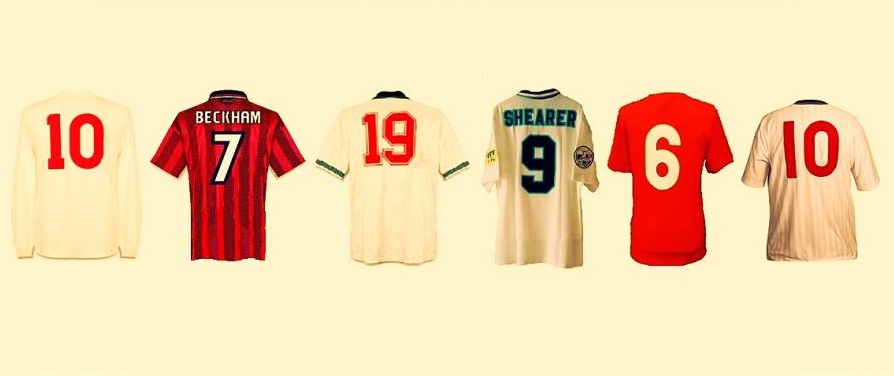
It’s a numbers game: Will the wearers of these iconic England shirts be on this ultimate list?
Four years and a few days ago, Spain took on the Netherlands to win the 19th football World Cup in South Africa. And, in the lead-up to that occasion, this wee corner of the Internet blessed – if that’s the right word for it – you, dear reader, with several posts celebrating classic World Cups of lore (England 66, Mexico 70, West Germany 74, Argentina 78, Spain 82, Mexico 86 and Italy 90). And now four years later, with the 20th World Cup ready to kick-off in just 18 days’ time in sunny, exotic Brazil, this very blog’s at it again. Oh yes; pick the bones out of that; back of the net, etc etc.
So, in the first of a series of (most likely) two or three World-Cups-of-lore marking posts, let’s take a look back, shall we, at the double dectet of the most marvellous players to pull on a Three Lions shirt? The criteria for this list? Well, you have to be an outstanding English talent, obviously, but also you must at the very least have appeared in a major tournament; even better, performed with distinction at a tournament, preferably a World Cup (hence why you’ll see nary an England player from before the ’60s here; so, like it or not, there’s no Billy Wright, Stanley Matthews, Nat Lofthouse, Tom Finney, Steve Bloomer or Vivian Woodward). Sorry, folks, you’ve got to draw the (white chalk) line somewhere.
But wait… is that the billiard ball-like bonce of Pierluigi Collini dazzling in the light thrown out by the mega-wattage of the Wembley floodlights? Yes, I believe it is. And, lo, I hear his whistle tooting too. So, peeps, away we go…
.
CLICK
on the player’s names for video clips of their ‘precious moments’…
.
.
20. Paul Ince (1992-2000)

The position: Central midfield (classic shirt number: 4)
The performances: 53 caps/ 2 goals
(World Cups: France 1998/ Euros: England 1996, Holland and Belgium 2000)
The player: Midfield water-carrier with much nous, whom balanced the forward thrusting exploits of more extravagantly talented teammates in Euro 96 and France 98
The pros: Highly reliable in the modern ‘holding midfielder’ role, yet cultured and skillful, he formed a fine central-midfield pairing with Gazza at Euro 96. Seen as a true ‘hard man’ too, he echoed the image of Terry Butcher’s bloody-bandaged head in the excellent draw away to Italy to qualify for France 98, a tournament throughout which he, in fact, played with a broken foot
The cons: Labelled by former manager Alex Ferguson as a ‘big-time charlie’, the self-styled ‘The Guv’nor’ clearly thought (too?) much of himself and his talents and, like too many players, drifted during the early ’90s’ Graham Taylor years
The precious moment: Fooling a hapless defender into fouling him by trapping and dragging the ball back as he entered the penalty area in the legendary England-Netherlands Euro 96 match, thereby winning the penalty that led to the first of England’s four goals that night
The perfectly true: He’s both the first black man to captain England (against Italy in that autumn ’97 encounter) and to manage a top-flight English club (Blackburn Rovers in 2008)
.
.
19. David Seaman (1988-2002)

The position: Goalkeeper (classic shirt number: 1)
The performances: 75 (World Cups: France 1998, Japan and South Korea 2002/
Euros: England 1996, Holland and Belgium 2000)
The player: The memorably moustachioed, sometimes dubiously ponytailed goalkeeper par excellence with the soft Yorkshire brogue, Seaman was the nation’s first outstanding – and thus first long-serving – man to keep goal since Peter Shilton; a hero of the Euro 96 team, his success there quickly (two penalty saves, one against Scotland and another in a shoot-out) made him a near-national institution
The pros: Easily the best English keeper of his generation, he had nary a weakness (a top shot-stopper especially) and for a brief time – basically during Euro 96 – an uncanny knack of guessing the right way at penalties and thus pulling off a fair number of spot-kick saves
The cons: His one weakness (which, to be fair, aside from Arsenal’s Cup Winners’ Cup Final appearance back in ’95, didn’t resurface for years) was on long, drooping crosses into the box, which saw him foxed by Ronaldinho’s fluke free-kick winner in the 2002 World Cup quarter final against Brazil and then a European Championships qualifier against Macedonia a year later
The precious moment: That terrific shoot-out in the Euro 96 quarter final against Spain, in which he saved a penalty, playing a crucial role in not just seeing England through but winning our only ever shoot-0ut win
The perfectly true: He decided to grow his, frankly, daft early to mid-’00s ponytail when his teammate, the, frankly, coolly ponytailed Emmanuel Petit, left Arsenal; presumably Big Dave believed Highbury simply couldn’t survive without a ‘hair rat’. Goalkeepers, eh?
.
.
18. John Barnes (1983-95)

The position: Left-winger (classic shirt numbers: 11/ 19)
The performances: 79 caps/ 11 goals
(World Cups: Mexico 1986, Italy 1990/ Euros: West Germany 1988)
The player: Often flamboyant and undeniably gifted left-sided midfielder, whom offered razzle-dazzle to the all-conquering Liverpool side of the ’80s and the admittedly less-than-all-conquering England side of the ’80s, thereby rightfully becoming a major black cultural icon
The pros: Young, gifted and (ahem) black, Barnes was a big up-tick for England (every time he stepped on to the pitch he looked like a star of a progressive, multi-cultural nation) when he turned on the stuff; via pacy, excellent dribbling and his sweet left foot, combined with Gary Lineker, he almost pulled England back from a two-goal-deficit in that Mexico 86 quarter final against Argentina – had it gone on 10 minutes longer, they’d have probably scored that equaliser
The cons: Unfortunately, he simply didn’t turn on the stuff often enough for England, ensuring he was something of an enigma at international level – a wonderfully talented player whom just couldn’t replicate his club form for his nation (for instance, he made little impression on Italia 90, England’s second greatest World Cup)
The precious moment: That outstanding solo goal he scored in a 1984 friendly against Brazil at the Maracanã, jinking in all white (and inexplicably red socks) through that oh-s0 gifted yellow midfield and unleashing an unstoppable shot into the net. Well, it’s either that or his rap for England’s Italia 90 song World In Motion (1990), of course
The perfectly true: Barnes’ father played a pivotal role in setting up the first and notorious Jamaican bobsleigh team for the Calgary 88 Winter Olympics, forever immortalised in the hit film Cool Runnings (1993)
.
.
17. Alan Ball (1965-75)

The position: Right/ central midfield (classic shirt numbers: 7/ 8)
The performances: 72 caps/ 8 goals
(World Cups: England 1966, Mexico 1970/ Euros: Italy 1968)
The player: Inexplicably squeaky-voiced midfield dynamo who worked his socks off when wearing the Three Lions thanks to – in the sport’s clichéd parlance – an enormous engine, which allowed him to cover every blade of grass in the name of his team, yet was also blessed with an excellent touch and an eye for a fine pass. An essential (and, at just 22, the youngest) member of England’s victorious 1966 World Cup winning side
The pros: Was officially named ‘man of the match’ of the ’66 final. ’Nuff said, methinks
The cons: His England career extended well into the nation’s nadir era (the ’70s), suggesting his efforts, unquestionably dedicated though they were, did little avert to England’s embarrassing slide during this decade. Indeed, he was sent off in a 1974 World Cup qualifier away to Poland meaning he was suspended for the critical and infamously disastrous return fixture
The precious moment: Although he memorably struck the bar in the classic Mexico 70 group match against Brazil, his finest moments came in his tireless performance in the ’66 final, specifically playing a prominent role in the last three of England’s four goals
The perfectly true: As a teenager, he was turned down a professional contract with Bolton Wanderers for being too small
.
.
16. Stuart Pearce (1987-99)
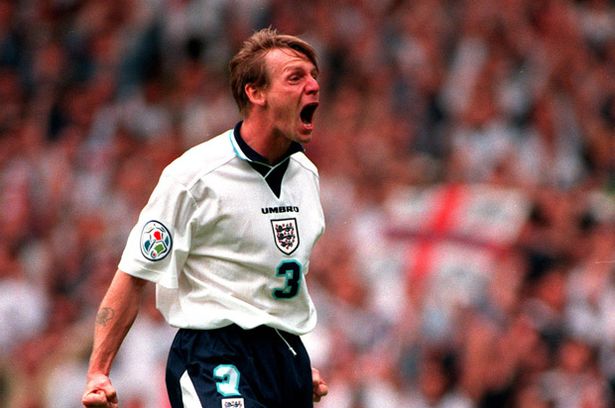
The position: Left-back (Classic shirt number: 3)
The performances: 78 caps/ 5 goals
(World Cups: Italy 1990/ Euros: Sweden 1992, England 1996)
The player: Iconic symbol of determination and never-say-die-ism in the cause of national football glory, Stuart ‘Psycho’ Pearce may just be one of the most popular of all players to pull on an England shirt thanks to his heart-on-a-sleeve dedication to the Three Lions, not least in two of the country’s most successful tournaments, Italia 90 and Euro 96
The pros: Aside from his unbridled passion and dedication, Pearce was a useful, often combative and always tireless left-back, as well as (at his best) a free-kick specialist
The cons: Admittedly, he wasn’t the greatest left-back ever to play for England (on occasions, he was at sea defensively) and, of course, there was that heartbreaking penalty miss against West Germany in the 1990 World Cup semi-final shoot-out; a setback so big it could have broken lesser characters
The precious moment: Undoubtedly that penalty he absolutely rammed home against Spain in the Euro 96 quarter final shoot-out (and his instant celebration, see image above); redemption – both personal and public – has never been so sweet
The perfectly true: Immediately following his move to Nottingham Forest (where he would spend much of his career), the unfancied Pearce was so unsure about his long-term prospects as a professional footballer he advertised himself as an electrician in the matchday programme
.
.
15. Wayne Rooney (2003-present)
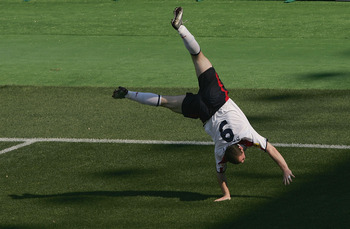
The position: Forward (classic shirt numbers: 10/ 9)
The performances: 89 caps/ 38 goals (World Cups: Germany 2006, South Africa 2010/
Euros: Portugal 2004, Poland and Ukraine 2012)
The player: England’s best player of the last 10 years and the greatest of his generation that these British Isles has seen fit to produce (perhaps excepting Gareth Bale, or perhaps not?), he’s the one-time boy wonder whom Sven-Göran Eriksson rather dramatically warned us not to ‘kill’ following the 2006 World Cup as, frankly, any hope of our national team achieving anything of note for years to come falls squarely on Wazza’s shoulders, whether we like it or not
The pros: Supremely gifted (for a British footballer), with electric acceleration, a fast brain, an impressive passing ability, deft touch and variety of shots, as well as a willingness to wander all over the pitch to get involved in play and drive his side on, Rooney has been a talismanic figure for England ever since he made his debut as a callow yet awesome 17-year-old. Plus, with appearance/ goal stats almost identical to those of Michael Owen (but with years on his side yet), it’s a good bet he’ll break England’s all-time goalscoring record before he’s done
The cons: His desire to to get on the ball and make something happen can often be to the detriment of his (withdrawn) striker duties, plus his fiery temper (although more muted as he’s matured) has caused him and England trouble in times past, most memorably when he stamped on an opponent’s privates and got sent off in the Germany 2006 quarter-final against Portugal, thereby helping to scupper England’s chances of further progression in said tournament
The precious moment: Despite fair criticism that, John Barnes-style, he hasn’t turned up enough for England in tournaments, his performances in Euro 2004 remain an unequivocal highpoint; his pace, skill and tenacity scaring the living daylights out of world champions France and then him running the show and scoring two fine goals against Croatia (following a familiar first-half f*ck-up by England) to seal his side a place in the quarter finals. Had he not broken his foot early in that match against Portugal, who knows what could have happened?
The perfectly true: A self-proclaimed follower of the Catholic faith, Rooney boasts more than twice the number of Twitter followers of the Pontifex himself, Pope Francis
.
.
14. Bryan Robson (1980-91)

The position: Central/ right midfield (classic shirt numbers: 7/ 16)
The performances: 90 caps/ 26 goals
(World Cups: Spain 1982, Mexico 1986, Italy 1990/ Euros: West Germany 1988)
The player: England’s undoubted on-the-pitch leader for much of their up-and-down 1980s, Robson (also Manchester United skipper) was nicknamed ‘Captain Marvel’ by teammates and fans alike for his take-a-match-by-the-scruff-of-the-neck approach, ensuring he was the centre-point in the spine of manager and namesake Bobby Robson’s England team (along with Peter Shilton, Terry Butcher and Gary Lineker)
The pros: Utterly tenacious, thoroughly rambunctious, yet a fine passer and ‘reader of the game’, Robson was arguably the outstanding English midfielder of his generation, captaining his country on 65 occasions (putting him third in those terms only to Bobby Moore and Billy Wright) and chipping in with a fair number of goals – including critical ones in World Cup and Euro qualifiers and memorably in the Spain 82 group stage. He’s been hailed as one of England’s greatest ever players by Bobby Robson, Paul Gascoigne, Tony Adams and Peter Beardsley
The cons: A big con here; his non-shrinking violet nature saw him get injured far too often, most specifically in two of England’s best tournaments since ’66, Mexico 86 and Italia 90. Bizarrely, he sustained injuries in the second group match of both competitions and, ironically, manager Robson’s necessary tactical changes in his captain’s absence saw both teams’ football and form improve (indeed, Robson’s dropping from the team in Italia 90 saw arguable long-term replacement David Platt enter the side)
The precious moment: Just 27 seconds into England’s opening game at the 1982 World Cup against France when Robbo pounced, hooking the ball into the back of the net. This remained the fastest goal ever scored in a World Cup for 20 years and, in celebration, saw him pick up an inscribed gold watch from FIFA that he apparently still wears. He scored another in the second-half of that match to help England win 3-1
The perfectly true: Robson once owned a stake in the now defunct Birthdays high street chain
.
.
13. Jimmy Greaves (1959-68)
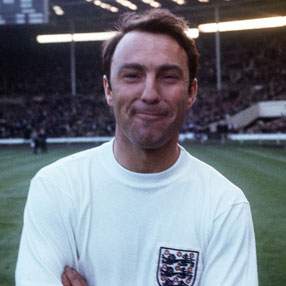
The position: Forward (classic shirt number: 8)
The performances: 57 caps/ 44 goals (World Cups: Chile 1962, England 1966)
The player: England’s deadliest post-war goalscorer (his goal average an awesome 0.77 for every game he played), the one-time Chelsea and Spurs forward was a cert in the stating line-up in the early to mid-’60s thanks to his penalty-box prowess, which saw him score six hat-tricks (still a record today) and ensures he stands third in the nation’s all-time scoring charts. In later years and after beating alcoholism, he became a jolly, rotund, moustachioed TV personality, most memorable for co-fronting ITV’s lightweight football show Saint And Greavsie (1985-92)
The pros: Blessed with electric acceleration, excellent anticipation an an utterly uncanny eye for goal (when one-on-one with a goalkeeper he genuinely barely ever missed), Greaves was arguably the ultimate striker of his era, both in England and maybe anywhere else in the world
The cons: It’s hard to find a fault in Greavsie’s make-up (how do you criticise practically the perfect striker?), but the low-point of his England and wider career, nay his entire life, came when he was injured in the side’s third group game in the much anticipated home World Cup of ’66. Not only did this ensure, with a gashed leg requiring several stitches, he missed out on the quarter final (in which his understudy Geoff Hurst scored the winning goal), he also missed out on the rest of the tournament, including famously of course the final itself. This slice of enormous bad luck led to his retirement from England in ’67 (he played just three more times) and may have contributed to his descent into alcoholism following the end of his professional career in ’71
The precious moment: Well, he did score half-a-dozen hat-tricks, of course, but because it’s good old, fun-lovin’ Greavsie, I’ve got to plump for him getting down on his hands and knees and coaxing an errant dog off the pitch in the 1962 World Cup quarter final against Brazil; an encounter Brazilian ace Garrincha found so funny he adopted the pooch as he pet
The perfectly true: While out of the Spurs first team, Greaves raced in 1970’s London to Mexico World Cup Rally, finishing sixth out of 96 entrants
.
.
12. Michael Owen (1998-2008)
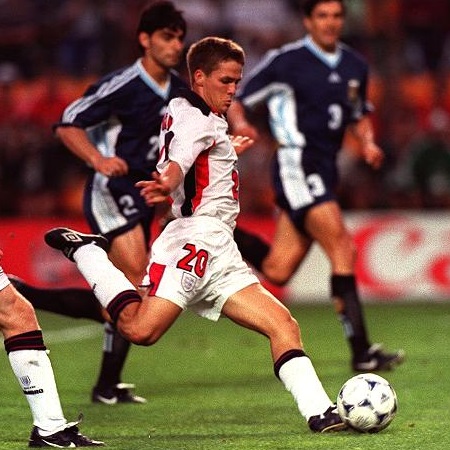
The position: Forward (classic shirt numbers: 10/ 20)
The performances: 89 caps/ 40 goals (World Cups: France 1998, Japan and South Korea 2002, Germany 2006/ Euros: Holland and Belgium 2000, Portugal 2004)
The player: The heir to Gary Lineker’s crown, Michael Owen was England’s indispensable turn-of-the-millennium striker – whenever in a tight spot, needing a goal to claim a win or a draw, it was to Owen the nation usually turned in the Sven-Göran Eriksson-coached era
The pros: An out-and-out ‘fox in the box’, Owen made his one-time national team coach Glenn Hoddle look like a right wally (without a brolly) by proving the latter’s assertion he ‘wasn’t a natural goalscorer’ utter cobblers. An essential cog in the Eriksson England machine (hence gaining vice-captain status at just 21 years of age), Owen was arguably the side’s most dynamic, significant and dependable player in this era, grabbing absolutely critical goals in World Cup and European qualifiers, as well as goals in four consecutive tournaments – the only England player yet to do so. Plus, with a ratio of just under one goal every other game, he currently weighs in at fourth on England’s all-time scorers’ list
The cons: Like that other highly prized England ‘number 10’ of the ’00s (rugby union’s Johnny Wilkinson), Owen became injury prone round the middle of the decade and thereafter. His nadir came in the 2006 World Cup – after getting over yet another injury and building up to match-fitness in the first two games, he twisted his knee after just 51 seconds in the third match
The precious moment: What else could it be? The 18-year-old Owen’s sensational run at the panicking Argentine defence and then the rocket he fired into the top corner to make it 2-1 in that electric France 98 second round match (to make the score 2-1 – after just 16 minutes). Frankly, it’s England’s last truly great tournament moment
The perfectly true: As a child Owen played for Deeside Area’s Under-11 team, for which he scored 97 goals in a single season, breaking a record held by Ian Rush (whom had also gone on to become a legendary Liverpool striker) by 25 goals
.
.
11. David Beckham (1996-2009)
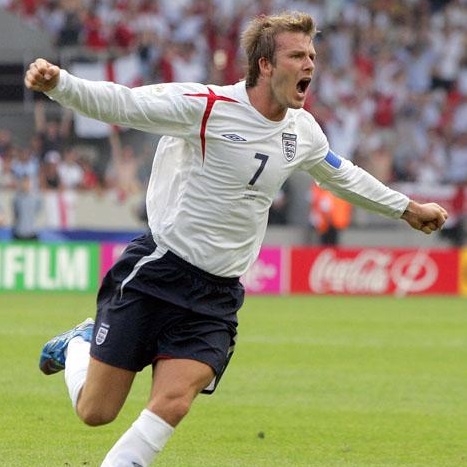
The position: Right/ central midfield (classic shirt number: 7)
The performances: 115 caps/ 17 goals (World Cups: France 1998, Japan and South Korea 2002, Germany 2006/ Euros: Holland and Belgium 2000, Portugal 2004)
The player: England has arguably had three ‘golden boys’. The first was Bobby Moore, the second Gary Lineker and the third – and maybe the biggest – was David Beckham. When playing away from home, as far as the local media and fans were concerned, England were a one-man-team; it was Beckham and nothing else. It wasn’t really, of course, but in his prime he was an immovable, Hollywood-handsome monolith whom, at his best, defined the ’00s England
The pros: Awarded the captaincy by Sven-Göran Eriksson at the tender age of 25, he evolved into an on-the-pitch leader by example, sometimes dragging the team along with him to a draw or victory seemingly by his sheer will, or more precisely by his talent. A supreme crosser and dead-ball specialist, he also possessed a cultured passing ability; all of which made him the second most talented English player of his generation after Wayne Rooney
The cons: If we’re being fair, Beckham-as-England-captain was as much a brand as it was a football entity. Happy to go along with any and every publicity opportunity the FA asked him to (along with all his other million-dollar-endorsements), this saw England develop into a circus, especially when it came to tournaments – and coach Eriksson too seemed only too happy with the arrangement, never deigning to drop his captain despite the latter’s injury-related sluggish form in both the latter World Cups he played (2002 and ’06) and Euro 2004
The precious moment: Many will say that free-kick he scored in injury time against the Greeks in autumn 2001 to send England to the World Cup, but I’ll plump for a bigger goal: his nerveless penalty against Argentina to grab a decisive, unexpected and, dare one say it, vengeful win in the tournament-to-come’s group stages. That penalty, of course, was seen to be redemption for him getting stupidly sent-off against the same opposition in France 98
The perfectly true: Despite attending church as a child, his maternal grandfather was Jewish, leading him to claim he’s ‘probably had more contact with Judaism than any other religion’
.
.
10. Alan Shearer (1992-2000)

The position: Forward (classic shirt number: 9)
The performances: 63 caps/ 30 goals (World Cups: France 1998/
Euros: England 1996, Holland and Belgium 2000)
The player: Geordie striker extraordinaire who led England’s line for pretty much the entirety of the ’90s and became an undisputed national hero thanks to his scoring exploits in Euro 96
The pros: Shearer’s physical presence and aerial prowess ensured he was the first out-and-out ‘number 9′ to cut the mustard in an England shirt since Nat Lofthouse. His reliability as a striker, ability on the ball, capacity to score spectacularly from long-range and nervelessness from the penalty spot earned him not just an unconditional place in England fans’ hearts (his five goals made him Euro 96’s top scorer and he scored penalties in three separate shoot-outs), but also the England captaincy from autumn ’96 onwards (for a total 34 appearances)
The cons: It’s easy to forget, but Big Al’s England career was far from glorious for several years. He managed only five goals in his first 23 caps and, worse, went 12 games over 21 months without hitting the net in the lead-up to Euro 96. It all changed there, though, of course. He retired after England’s poor performance at Euro 2000 and, despite having hit the age of 30 by then, it’s been argued he could have carried on or at least made himself available for later tournaments; although Michael Owen was by then going great guns for England
The precious moment: He might himself point to that fine strike against the Swiss that reignited his England career in the opening group game of Euro 96, yet I have to go for that third goal (his second of the match) against the Netherlands in the third group game; it started with a terrific run into the penalty area by Gazza, then the playmaker pulled it back it across the box to Teddy Sheringham, whose deft touch moved it on to Shearer on the right, whom slammed it home via a side-footed finish. An exquisite goal and England at their best
The perfectly true: Shearer is one of the Deputy Lieutenants of Northumberland, a role that requires him (along with 21 others) to stand in for the Duchess of Northumberland when she can’t fulfill her role at engagements as The Queen’s official representative in the region
.
.
9. David Platt (1989-96)

The position: Central/ attacking midfield (classic shirt numbers: 17 / 7)
The performances: 62 caps/ 27 goals (World Cups: Italy 1990/ Euros: England 1996)
The player: The one shining light in England’s bleak early to mid-’90s, a dynamic, goal-scoring midfielder who more often than not kept his sides afloat, as well as usually captaining them; in happier, earlier days, he burst on to the scene to electrifying effect at Italia 90
The pros: Arguably the epitome of the English midfielder at its best, Platt was both a tireless workhorse and gifted passer, plus, of course, he loved to dash forwards and arrive late in the box to head, tap or crash an unexpected pull-back into the back of the net. The vast majority of his quarter-century-plus goals for his country were scored this way and usually for medicore or below-average England teams. To this day, he remains the second highest-scoring midfielder ever to play for England – behind Bobby Charlton, whom arguably played as a withdrawn striker half the time anyway. Moreover, Platt played a crucial role in the high-achieving Italia 90 and (to a lesser extent) Euro 96 teams, scoring in penalty shoot-outs for both
The cons: It’s hardly like he could be blamed personally, but much of England’s ‘Platt era’ was among its darkest, seeing them woefully stumble at Euro 92 and then fail even to qualify for the following World Cup. By the time of Euro 96, in which Platt played three times (twice as a substitute and once as a starter), he had lost much of his cut and thrust due to injury and, although still effective, was used as a ‘holding midfielder’ more than anything else
The precious moment: Where it all began, naturally – that dreamlike goal in the last minute of extra time against Belgium in Italia 90’s second round. Platt drifted to the side of the penalty area to connect with a deep free-kick from Gazza, which he did perfectly, hooking it into the net with a glorious volley. He’d score (and have more chances) in the next match against Cameroon and again in the third/ fourth place play-off against Italy
The perfectly true: Platt’s total transfer fees in the ’90s, including (unusually for an Englishman) for Italian sides such as Juventus and Sampdoria, totalled £20m
.
.
8. Martin Peters (1966-74)

The position: Attacking midfield (classic shirt numbers: 16 / 11)
The performances: 67 caps/ 20 goals
(World Cups: England 1966, Mexico 1970/ Euros: Italy 1968)
The player: Indispensable member of Alf Ramsey’s ‘first 11’ in both the ’66 and ’70 World Cups, the slight, barely capped West Ham (and later Spurs and Norwich) all-rounder proved a sensation at the former tournament – and thus one of the thinking England fan’s all-time greats
The pros: Peters was a pacy, two-footed, hard-working, attacking, tracking-back coach’s dream of a midfielder, who was also a dead-ball specialist, leading Ramsey to claim in 1968 he was ’10 years ahead of his time’. Debuting just a month before the ’66 tournament, he made a huge impact in the second match and became a key ingredient of the team, ensuring (along with Alan Ball) Ramsey’s experimental ‘wingless wonders’ formation worked. He kept his place throughout the competition and scored England’s third goal in the final – had the Germans not scrambled an injury-time equaliser, Peters would have been our World Cup-winning hero. He also played in all four games of the ’70 World Cup, putting his side 2-0 up in the quarter final against West Germany before being inexplicably substituted (England went on to lose 3-2)
The cons: Following Mexico 70, Peters (along with other greats) couldn’t prevent England’s failure to qualify for the next World Cup. Indeed, he was actually captain for that torrid Wembley encounter with Poland in October ’73 (the match they needed to win, but couldn’t) and later admitted he dived in order to win a penalty that resulted in England’s solitary goal that game
The precious moment: It has to be one of his cracking contributions to England’s glorious summer of ’66 – and what better than his goal in the final? Sport (and life, of course) is full of ‘ifs’ and ‘buts’ – and his opportunistic strike could have grabbed us glory. Could have…
The perfectly true: He played in every position for West Ham at least once, including goal
.
.
7. Peter Shilton (1970-90)
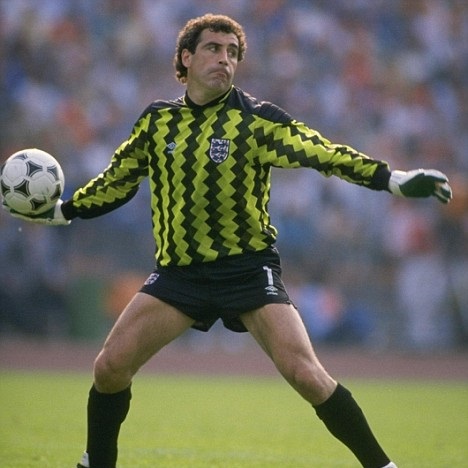
The position: Goalkeeper (classic shirt number: 1)
The performances: 125 caps (World Cups: Spain 1982, Mexico 1986, Italy 1990/
Euros: Italy 1980, West Germany 1988)
The player: Incredibly long-serving shot-stopper for his country, whose longevity saw him link the ’66-’70 golden and ’86-’90 silver eras of the England team
The pros: The best Englishman between the sticks across across two generations (he first saw off his Leicester City mentor Gordon Banks, then Ray Clemence and later kept out Gary Bailey, Dave Beasant and David Seaman), Shilts literally was an immovable object in the England goal. Not only is he still the nation’s most capped male footballer, but also holds the record for the most clean-sheets (10) in World Cup finals with France’s Fabien Barthez and, playing in every one of England’s qualifying matches for Italia 90, didn’t concede a single goal in that campaign
The cons: Having played so many times for his country (and in, potentially at times, such a precarious position), he was bound to have experienced the odd cock-up – and he did have a couple of major ones. First, he was partly at fault for Poland’s goal in that notorious 1973 World Cup qualifier that ended in a 1-1 draw, but England needed to win; diving too late to save the striker’s shot in order to make ‘the perfect save’ and being beaten. And, second, when his attempted aerial punch was infamously beaten by Maradona’s ‘Hand of God’ (read: handball) in the ’86 World Cup quarter final against Argentina, his leap hardly got off the ground – indeed, consider just how diminutive the devilish Diego is compared to Shilts
The precious moment: Memorably, he was beaten by all four of the expertly taken German penalties in the Italia 90 semi-final shoot-out (despite guessing the right way for every one), yet he did actually save a penalty from a German – and their penalty-converter from that tournament’s 1-0 final, Andreas Brehme, at that – in a 1985 friendly, which England won 3-0
The perfectly true: Shilts played until the age of 47 to break the 1,000 professional-appearances-barrier; his last game was for Leyton Orient in November ’96 and was his 1,005th
.
.
6. Gordon Banks (1963-72)

The position: Goalkeeper (classic shirt number: 1)
The performances: 73 caps (World Cups: England 1966, Mexico 1970/ Euros: Italy 1968)
The player: The other legendary Leicester-hailing keeper for England, but the one who won the World Cup in ’66 and made that save from Pelé in Mexico 70
The pros: Yes, Banks kept goal for the World Cup-winning England side, but he wasn’t arguably as tested as Shilton was in his tournaments – all of those tournaments – and won nowhere near the number of caps his 20-year-long-serving protégé did; so why’s he one place higher in this rundown? Well, out of all his 73 appearances, Banks kept a clean sheet in 35 of them (yes, more than half) and was on the losing side just nine times. Quite brilliant stats for a man whose international career stretched nearly 10 years. And then, of course, there’s that remarkable instant-reflex save in the 1970 World Cup group game against Brazil, which saw him not just save Pelé’s thunderous downward header, but also somehow flick the ball over the bar. Pelé (among many others) reckons it was the greatest save of the 20th Century. He may just be right…
The cons: Banksy’s pretty blameless here, but his lowest point in (or rather out) of an England shirt came due to catching a bug out in Mexico, thus having to sit in his hotel room and watch his teammates throw away a 2-0 lead in the quarter final against West Germany – his replacement Peter Bonetti didn’t exactly cover himself in glory on the Germans’ three goals either
The precious moment: Erm, that save. Like, obviously
The perfectly true: Banks’s nephew Nick was the drummer with top Britpop band Pulp
.
.
5. Geoff Hurst (1966-72)

The position: Forward (classic shirt number: 10)
The performances: 49 caps/ 24 goals
(World Cups: England 1966, Mexico 1970/ Euros: Italy 1968)
The player: Lanky and front-teeth-missing West Ham ace whom became England’s hat-trick hero in the ’66 World Cup final and went on to appear in Mexico 70 too
The pros: Well, frankly, we’re talking the legend whose three goals won the nation its only football World Cup, which is why Hurst makes this list’s top five; surely only a hard-hearted soul would deny the always amiable Sir Geoff that. Or a die-hard Jimmy Greaves fan. In fact, nearly 50 years later, Hurst remains the only man to have scored a hat-trick in a World Cup final
The cons: No question, the records (goal volume and caps) of Michael Owen, Wayne Rooney and, yes, Greaves are greater than Hurst’s. Indeed, he only made his debut for England four months before the ’66 World Cup and his international career was far from illustrious thereafter; he made little impression on the two games in which England played in the (admittedly two-game-only) Euro 68 and played in only three of his side’s four games in Mexico 70, scoring a single goal. He was involved in a few matches in England’s unsuccessful qualification campaign for Euro 72, but by then his time in an England shirt was fizzling out
The precious moment: Take a wild guess, go on…
The perfectly true: To this day, controversy still surrounds that dubious second goal he scored in the final (and, let’s be honest, wonderfully always will), but the third arguably shouldn’t have been either – it was scored, of course, with just seconds of extra-time remaining and England having just gone a goal up again, so in receiving a long pass from Bobby Moore, Hurst ran with it and unleashed his shot towards the German goal with no intention of scoring, but of firing over to waste time. Yet the ball hit a divot in the pitch just before Hurst hit it, ensuring he struck it perfectly to smash it home and confirm England’s victory in emphatic fashion
.
.
4. Paul Gascoigne (1988-98)
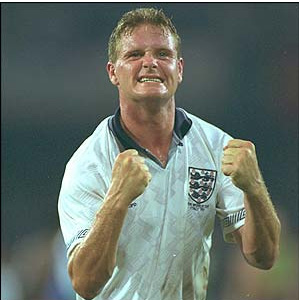
The position: Attacking/ central midfield (classic shirt numbers: 19/ 8)
The performances: 57 caps/ 10 goals (World Cups: Italy 1990/ Euros: England 1996)
The player: The impossible-not-to-love Geordie prankster who also happened to be perhaps the most gifted man ever to wear an England shirt; his talent proving pivotal to his nation’s success at both Italia 90 and Euro 96
The pros: A mercurial midfielder whose two-footed-touch, vision and unbridled creativity was matched by his spirit, endeavour and sheer joy in playing the game. Like Wayne Rooney would 14 years later, Gazza (as he was instantly nicknamed by teammates, fans and the nation alike) was an instant success on the biggest stage, the 1990 World Cup; providing moments of perfection to play a huge role in getting his country to the semi-finals – for the first time in 24 years; something they’ve not managed to repeat for another for 24 years now. In 1996, he replicated these exploits at England’s own European Championships as the playmaker in Terry Venables pseudo-‘Total Football’ side, scoring possibly one of the greatest goals of all-time in the process
The cons: Gazza’s lows are, of course, as legendary as his highs. A victim of alcoholism off the pitch and of (partly self-inflicted) injury woes on it, he simply didn’t play enough for England and, thus, wasn’t as big an influence as his talent demanded he should have been. Owing to injury, he missed far too much of England’s qualification campaigns for Euro 92 and the ’94 World Cup (he wasn’t even present at Euro 92; had he been, England may have been quite a different side and had he played more thereafter, there’s a good chance they’d have made it to USA 94). Later, following Euro 96, he was active during qualification for France 98, but was axed from that tournament’s preliminary squad, deemed not to be in good enough shape. The debate rages on whether that was the right decision; what’s unequivocal is it spelled the end of his England career
The precious moment: That sensational goal against Scotland in the second group match of Euro 96 – outfoxing the blond-mulleted Colin Hendry before volleying the ball home and reigniting a sleeping giant of the international game for another tournament
The perfectly true: The reason why, every match, Gazza stuck his tongue out to the TV camera as it passed the England line-up prior to kick-off of Italia 90 matches wasn’t because it was a cheeky gesture he couldn’t resist, but a gesture of obscure, superstitious good-luck-granting
.
.
3. Gary Lineker (1984-92)

The position: Forward (classic shirt number: 10)
The performances: 80 caps/ 48 goals (World Cups: Mexico 1986, Italy 1990/
Euros: West Germany 1988, Sweden 1992)
The player: At one time, the sight of today’s ‘Mr BBC Sport’ Gary Lineker in the England ‘No. 10’ shirt scoring goals for his country was as familiar as Maggie Thatcher dividing opinion, Aussie soap stars topping the charts and Michael Buerk telling us The Nine O’Clock News
The pros: An unfaltering servant for England, Lineker was their chief goal-getter for nearly 10 years; it’s no surprise their fortunes flourished during his era (Mexico 86 quarter finalists and Italia 90 semi-finalists) and wilted when he stepped down (ineptitude until Euro 96). Perhaps not the world’s greatest footballer, usually by his own admission, he was nevertheless the ultimate penalty-box poacher; the man who made goal-hanging glorious. Indeed, across two World Cup finals he racked up a sensational tally of 10 goals. So prolific was he, the then nicknamed ‘Queen Mother of Football’ (as he was never booked in his entire career) retired just one, single strike short of equalling Bobby Charlton’s England goal-scoring record
The cons: Admittedly, Lineker’s efforts at both Euro 88 and Euro 92 were left wanting. There’s caveats in both cases, though. His poor performance at Euro 88 coincided with him suffering from hepatitis, while Euro 92 came slap-bang in the middle of the woeful Graham Taylor era that saw creativity thrown out in favour of ‘long ball’ tactics. Indeed, so crap was England’s experience at the latter it included Lineker’s substitution before the end of the last group game, inexplicable given they had to win it to progress and everyone knew it would be his last cap
The precious moment: Purists may say his greatest moment for England came in another match they needed to win, against Poland in their final group game of Mexico 86, and did thanks to his terrific hat-trick. However, I’ve just got to go for maybe the most important strike of his career – England’s extra-time-forcing equaliser in the Italia 90 semi-final against West Germany. A brilliant finish, it saw him receive and flick the ball to his left foot and away from the two German defenders in the box, before expertly whacking it past the keeper into the far corner
The perfectly true: A national institution and housewife’s heart-throb (before and definitely) after Italia 90, ol’ Gal saw his name used for the title of a West End comedy about a group of Spanish holidaymakers watching that semi-final, An Evening With Gary Lineker (1991); he actually made a cameo appearance in its 1994 ITV adaptation
.
.
2. Bobby Moore (1962-73)

The position: Centre-back (classic shirt number: 6)
The performances: 108 caps/ 2 goals
(World Cups: Chile 1962, England 1966, Mexico 1970/ Euros: Italy 1968)
The player: The man who led his side to World Cup-wining glory, ensuring the summer of ’66 was, in England at least, the ‘Summer of Love’; talismanic national leader at Mexico 70 too
The pros: Quite frankly, Bobby Moore was England’s greatest ever defender and, given he’s the guy who lifted the Jules Rimet trophy, its greatest captain (a role in which he served 90 times, in fact; a record shared with Billy Wright). A fantastic reader of the game, very rarely found wanting positionally and only too happy to stride out of defence and get involved in midfield play or feed a forward with an expert pass (he assisted two of Hurst’s three goals in the ’66 final), Moore was arguably decades ahead of his time as a centre-back. He also looked damn good, becoming (thanks to his ’66 exploits) the nation’s first unequivocally adored football pin-up with a gorgeous wife (i.e. the proto David Beckham). Moreover, his 108 caps was the national record for an outfield player until David Beckham beat it 36 years later, although Moore played every minute of every one of his appearances. Fellow legends including Pelé, Franz Beckenbauer and Alex Ferguson claim Moore was the greatest defender ever to have played the game
The cons: Most players’ careers wind down, so really this isn’t a con, but Moore’s final days for England were particularly sad. He was at fault for both the goals that Poland scored in a 1973 home victory against England, which ensured the visitors had to win the return match that October to reach the ’74 World Cup. Owing to his dip in form, Moore was dropped by coach Alf Ramsey and England infamously couldn’t gain the win (Ramsey seemingly lost in indecision when a substitution surely had to be made and, according to Moore himself, the off-field captain practically becoming de facto coach and forcing the change). Moore would play just once more for England and, eventually, a far less successful post-football life would follow
The precious moment: Receiving the World Cup from Her Maj and lifting it high
The perfectly true: According to Geoff Hurst, ahead of the ’66 final, he overheard Ramsey discussing with his coaches the possibility of dropping Moore for the iconic match in favour of other England centre-back Jack Charlton’s Leeds United teammate (and the more rambunctious than Moore) Norman Hunter. How different things could have been, eh?
.
.
1. Bobby Charlton (1958-70)

The position: Attacking/ central midfield (classic shirt number: 9)
The performances: 106 caps/ 49 goals
(World Cups: Chile 1962, England 1966, Mexico 1970/ Euros: Italy 1968)
The player: England’s talisman throughout the ’60s, Charlton was the ultimate gentleman’s footballer – and, both then and now, considered one of the world’s greatest ever players
The pros: Where do you start? Not only was he immeasurably talented, a terrific passer and mover who, at times, was almost balletic on the ball, he also boasted a thunderbolt of a strike from either foot. Initially, he established himself both for England and Manchester United (with whom he was equally as successful) as an old-fashioned inside-forward, then evolved into what today would be recognised as the ‘number 10’ role. Never playing as an out-and-out forward then, he nevertheless raced away to become England’s greatest ever goalscorer – and 44 years on from his retirement, his record haul – just one short of a half-century – is yet to be bettered. He also excelled in the old ‘Home Tournament’ (against the other ‘Home Nations’), scoring 16 goals and winning it with England on 10 occasions (five times shared). Plus, he remains the only Englishman to have been selected for four World Cup squads. Oh, and in ’66 he won the thing itself, of course, when Alf Ramsey’s legendary team was built around him
The cons: It’s only fair to say that as matches wore on at Mexico 70 Charlton looked past his best, tiring in the Central American heat, but really, in later years by far his biggest drawback was that ill-advised old man’s comb-over he favoured instead of embracing baldness. A noble, stubborn, thus very English gent to the end then
The precious moment: His 49th and final goal (the strike that ensures he still holds the all-time record) during a 4-0 victory away to Colombia in warm-up for Mexico 70 might just be his greatest moment, but surely his most important goals – and thus his ultimate moments – were his brace against Portugal in the 2-1 semi-final win that took England to the ’66 final
The perfectly true: Always a committed family man, Charlton’s legacy might be said to be his children as much as football memories, and in this way he could be said to have blessed TV meteorology – his daughter Suzanne was a regular BBC weather forecaster in the ’90s
.

.

.
Has there ever been an era as socially and culturally dramatic, diverse and transformative as the mid- to late 1960s? Surely the answer to that’s a definitive no. The civil rights agenda (and youthful reaction to Vietnam) driving the Establishment on both sides of the Atlantic to face and/ or make sweeping progressive changes; the art and fashions bursting into brilliant and surprising colour; the consumerist mentality infecting the UK (as well as the US) mindset in a way it never had before; and rock music exploding into the stratosphere, with in particular The Beatles scaling abstract, weird and incredible heights arguably nobody’s scaled again since. This half-decade had it all.
In short, the gloves were finally off between the years 1965-69, with the Anglo-American cinema and music scenes reflecting – and benefitting from – that maybe more than anything else. Surely, without doubt, the pop/ rock charts of this era have never been equalled, let alone bettered, in their dynamism, diversity and overall quality (just look at the length of those song lists below – apologies in advance) and, to a slightly lesser extent, perhaps the box-office charts never have been either.
So, here we go then, peeps, the latest post in the stand-out-movie-and-song-from-each-year-celebrating extension of George’s Journal‘s fourth birthday party (see here, here and here), has – if it hadn’t already – verily hit its stride and its midway point, with, yes, the mid- to late ’60s. Throw on those bell-bottoms, throw out those peace-sign finger-salutes and drop out, folks, because here we go…
.
.
CLICK
on the film and song titles for video clips…
.
.
.
.
1965
.
US race riots; first spacewalk; Churchill passes on; Dylan ‘goes electric’;
Beatles release Rubber Soul and stage first ever stadium rock concert;
Thunderbirds are go; Charlie Brown celebrates ‘first Christmas’
.
Film:
.
.
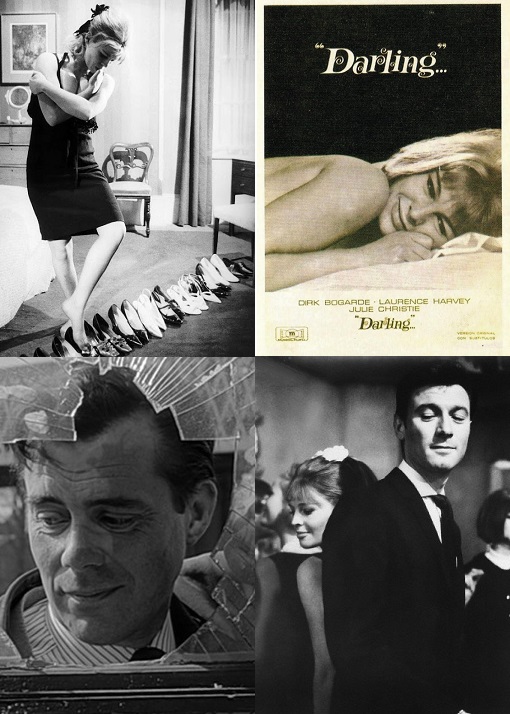
Directed by: John Schlesinger/ Starring: Julie Christie, Laurence Harvey, Dirk Bogarde, José Luis de Vilallonga and Roland Curram/ Country: UK/ 123 minutes/ (Human-social drama)
What George says: As essential a slice of Swinging Sixties expression, Darling may not be as treasured by today’s critical set and masses as, say, Blowup (1966) or The Italian Job (1969), but that may be because helmer John Schlesinger chose a pseudo-melodramatic, nay satirical approach and played down the fashionably radical cinéma vérité stylings to tell his tale of the materialistic rise but existential fall of middle-class model du jour Diana Scott (an Oscar-winning Julie Christie) in the rotten-to-the-core world of mid-’60s London image-making. Tellingly, it’s arguably as relevant today as it was scathingly revelatory 50 years ago.
What the critics say: “As a slashing social satire and… a devastating spoof of the synthetic, stomach-turning output of the television-advertising age [Darling] is loaded with startling expositions and lacerating wit. The screen never put forth types and dialogue more purple and frank than those here … [offering a] brilliantly graphic and fluid surface-skimming of … in-group social scenes … in London, Paris, and Italy. [Schlesinger’s] film is a documentation of implicit ironies rather than a discovery of why people act as they do … [he] has made a film that will set tongues to wagging and moralists to wringing their hands” ~ Bosley Crowther (writing in 1965)
Oscar count: 3
Oscar’s Best Picture pick this year: The Sound Of Music
The public’s pick this year: The Sound Of Music
Read why Darling is one of the ultimate films of the 1960s here
.
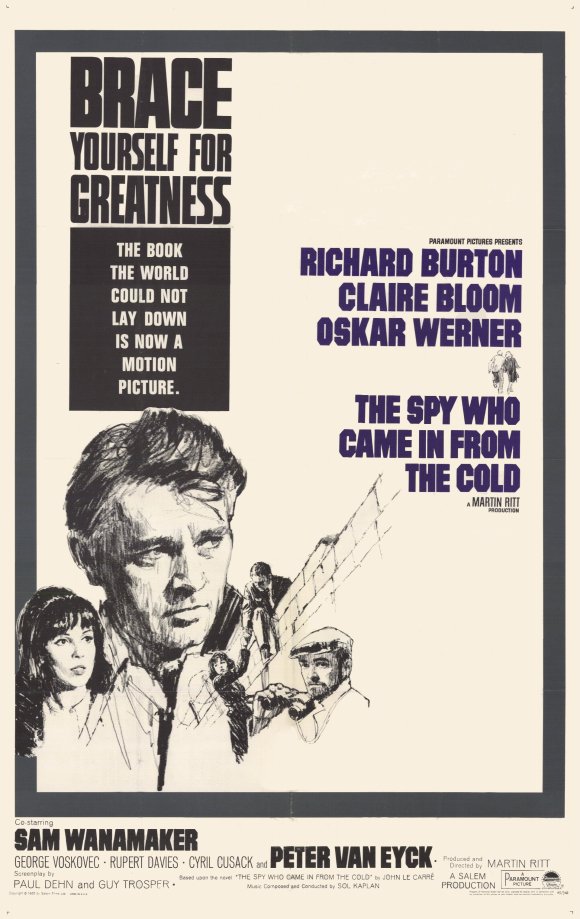
George’s runners-up: 2. Doctor Zhivago; 3. Repulsion;
4. The Spy Who Came In From The Cold; 5. The Ipcress File



.
And the rest: Alphaville; Le Bonheur (Happiness); The Cincinnati Kid; The Collector; For A Few Dollars More; Giulietta degli Spiriti (Juliet Of The Spirits); Help!; The Hill; The Knack… And How To Get It; Othello; A Patch Of Blue; Pierrot le Fou (Pierrot The Madman); What’s New Pussycat?
.
.
.
Song:
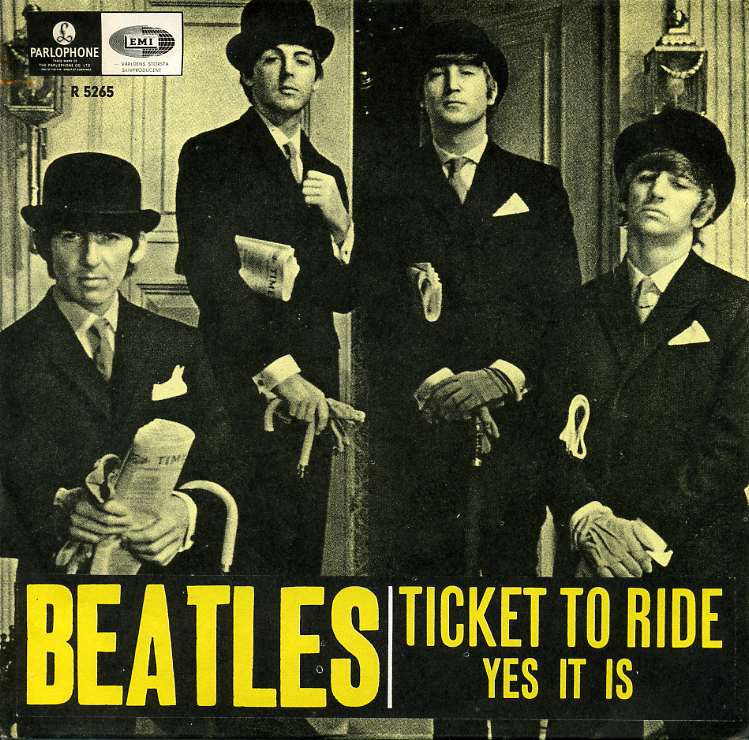
Ticket To Ride ~ The Beatles
.
.
Writers: Lennon/ McCartney/ Released: April 1965
What George says: Possibly – just possibly – The Beatles’ greatest pre-Revolver (1966) tune, Ticket To Ride joyously juxtaposes John Lennon’s searing yet melancholic vocals with an awesomely uplifting but driving melody, while Ringo’s drums boom and there’s a hint of an Eastern flavour to the whole thing. Are The Fabs beginning to curl up at the corners? You betcha…
What the critics say: “[Ticket To Ride is] psychologically deeper than anything The Beatles had recorded before … extraordinary for its time – massive with chiming electric guitars, weighty rhythm and rumbling floor tom-toms” ~ Ian MacDonald
Chart performance: US #1/ UK #1
Recognition: Ranked #34 for 1965, #239 for the 1960s and #928 for ‘all-time’ on acclaimedmusic.net‘s cumulatively ranked ‘top songs’ lists
.
George’s runners-up:
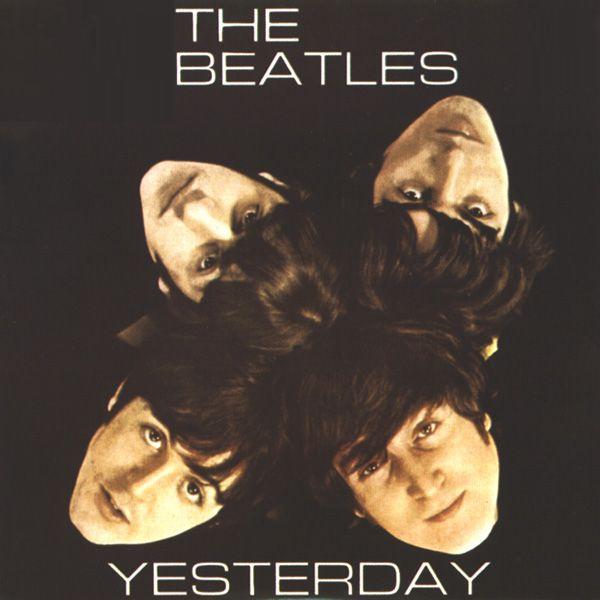
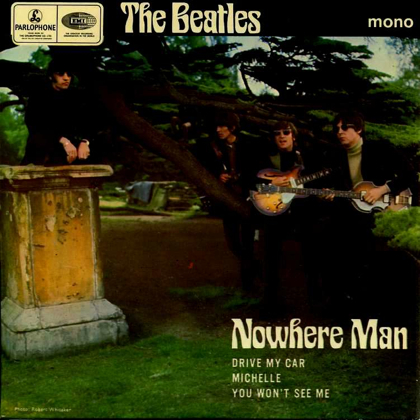
2. Yesterday (The Beatles)/ 3. Nowhere Man (The Beatles)/
4. California Dreamin’ (The Mamas & The Papas)/
5. It Was A Very Good Year (Frank Sinatra)


.
And the rest: As Tears Go By; Get Off Of My Cloud; (I Can’t Get No) Satisfaction (The Rolling Stones)/ Barbara Ann; California Girls; Help Me, Rhonda (The Beach Boys)/ A Change Is Gonna Come (Sam Cooke)/ Day Tripper; Eight Days A Week; Girl; Help!; In My Life; Michelle; Norwegian Wood (This Bird Had Flown); We Can Work It Out; You Won’t See Me (The Beatles)/ Feeling Good; I Put A Spell On You (Nina Simone)/ I Can’t Help Myself (Sugar Pie Honey Bunch) (The Four Tops)/ In The Midnight Hour (Wilson Pickett)/ It’s Not Unusual (Tom Jones)/ Like A Rolling Stone; Positively 4th Street; Subterranean Homesick Blues (Bob Dylan)/ Lara’s Theme (Maurice Jarre)/ Main Title Theme from The Ipcress File (John Barry)/ Mr Tambourine Man; Turn! Turn! Turn! (To Everything There Is A Season) (The Byrds)/ My Favourite Things (Julie Andrews)/ My Generation (The Who)/ See My Friends (The Kinks)/ September Song (Frank Sinatra)/ So Important To Make Someone Happy (Jimmy Durante)/ The Sound Of Silence (Simon & Garfunkel)/ Stop! In The Name Of Love (The Supremes)/ A Taste Of Honey; Zorba The Greek (Herb Alpert and the Tijuana Brass)/ Unchained Melody; You’ve Lost That Loving Feeling (The Righteous Brothers)/ You’re Nobody Till Somebody Loves You (Dean Martin)/ We Gotta Get Out Of This Place (The Animals)/ What’s New Pussycat? (Tom Jones)/ What The World Needs Now Is Love (Jackie DeShannon)
.
.
.
.
1966
.
Wilson and Labour re-elected; Brezhnev takes Soviet reins; Chinese ‘Cultural Revolution’ begins;
London swings; England wins World Cup; Beach Boys release Pet Sounds;
Beatles follow up with Revolver; Fabs ‘more popular than Jesus’
.
Film:
.
.
Directed by: Ingmar Bergman/ Starring: Bibi Andersson, Liv Ullman, Margaretha Krook, Gunnar Björnstrand and Jörgen Lindström/ Country: Sweden/ 84 minutes/ (Psychological thriller-horror)
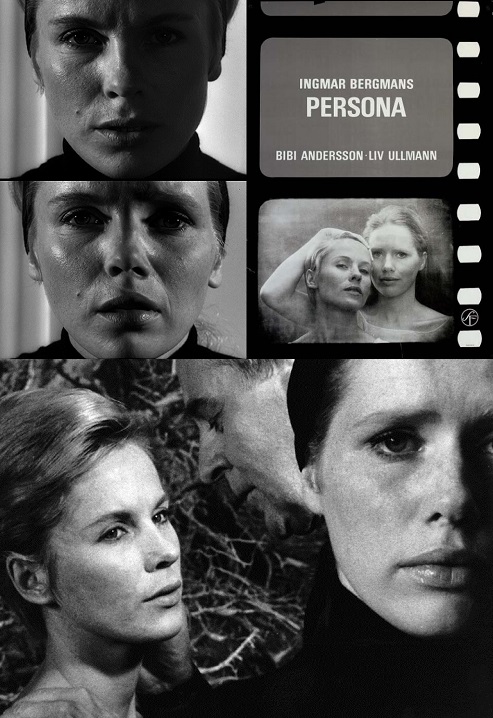
What George says: An exercise in monochrome minimalism and/ or examination of filmmaking itself; the blurring of dreams and reality; the contemplation of death in the face of illness and bleakness; and the is-it-happening-or-isn’t-it-happening merger of two personalities (with all those overlapping faces – hello, future ABBA videos) – all in all, one could say Persona is a flick for the purists. It’s a challenging watch, sure (you have to allow yourself to be pulled into it, otherwise it’ll just come off as pretentious at best, confusing nonsense at worst), but it is an ambiguous, beautiful masterpiece. At least, I think it is; many movie experts think they think it is. Ultimately, it’s a fascinating, can’t-take-your-eyes-off-it slice of arty cinema.
What the critics say: “[Persona] is exactly about what it seems to be about. ‘How this pretentious movie manages to not be pretentious at all is one of the great accomplishments of Persona,’ says a moviegoer named John Hardy, posting his comments on the Internet Movie Database. Bergman shows us everyday actions and the words of ordinary conversation. And Sven Nykvist’s cinematography shows them in haunting images. One of them, of two faces, one frontal, one in profile, has become one of the most famous images of the cinema” ~ Roger Ebert
Oscar count: 0
Oscar’s Best Picture pick this year: A Man For All Seasons
The public’s pick this year: The Bible: In The Beginning (US box-office #1)
.
George’s runners-up: 2. Alfie; 3. Blowup;
4. A Man For All Seasons; 5. Who’s Afraid Of Virginia Woolf?

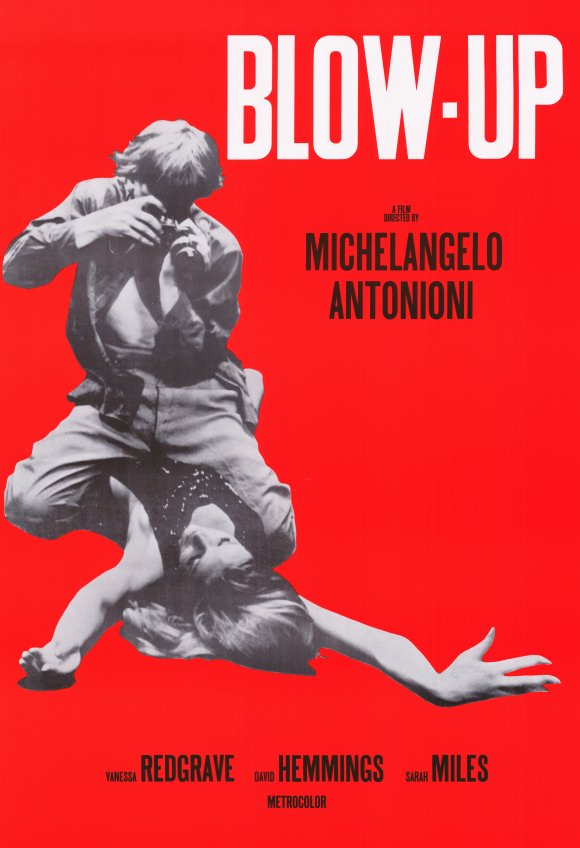

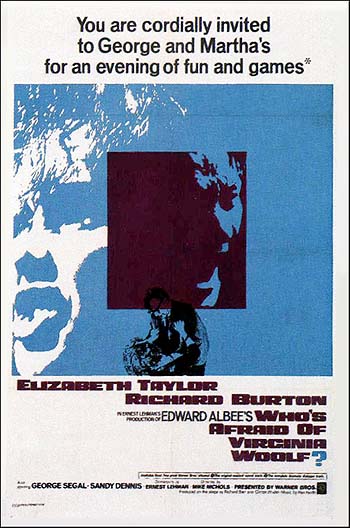
.
And the rest: Chimes At Midnight; Cul-de-Sac; Fantastic Voyage; Georgy Girl; The Good, The Bad And The Ugly; Grand Prix; Un Homme Et Une Femme (A Man And A Woman); Morgan – A Suitable Case For Treatment; Ostře Sledované Vlaky (Closely Watched/ Observed Trains); The Russians Are Coming, The Russians Are Coming; Seconds
.
.
.
Song:
God Only Knows ~ The Beach Boys
.

.
Writers: Brian Wilson and Tony Asher/ Released: July 1966
What George says: One of the most beautiful (nay, easily one of the greatest) songs ever written and recorded, God Only Knows is an exquisite work of art from start to finish. Its brilliance is arguably two-fold: first, on the surface, it’s a lilting, mellifluous love song aimed to blissfully waft over you; second, dig deeper and you realise it’s the stuff of near genius, with that powerhouse opening containing french horns, accordions and a string section and that awe-inspiring climax when the group’s angelic harmonies perfectly tumble over one another.
What the contemporary says: “God Only Knows is one of the few songs that reduces me to tears every time I hear it. It’s really just a love song, but it’s brilliantly done. It shows the genius of Brian. I’ve actually performed it with him and I’m afraid to say that during the sound check I broke down. It was just too much to stand there singing this song that does my head in and to stand there singing it with Brian” ~ Paul McCartney
Chart record: US #1/ UK #2
Recognition: Ranked #4 for 1966, #23 for the 1960s and #42 for ‘all-time’ on acclaimedmusic.net‘s cumulatively ranked ‘top songs’ lists/ ranked #1 on Pitchfork Media‘s ‘The 200 Best Songs of the 1960s’ list (2010)/ voted by listeners of BBC Radio 2 as ‘one of the three songs that changes people’s lives’
Read why God Only Knows is one of the ultimate UK chart hits here
.
George’s runners-up:
2. Good Vibrations (The Beach Boys)/ 3. Tomorrow Never Knows (The Beatles)/
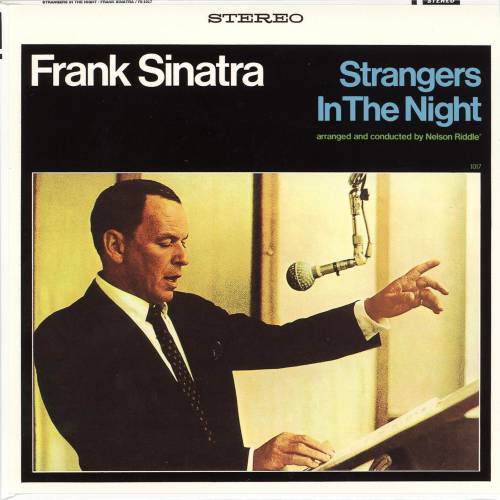
4. For No One (The Beatles)/ 5. Strangers In The Night (Frank Sinatra)
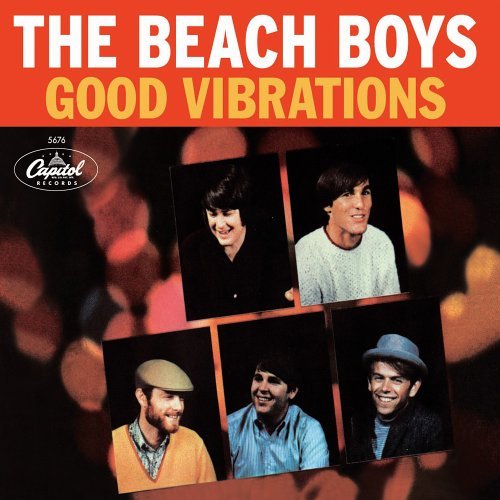

.
And the rest: Alfie (Cilla Black)/ Bang Bang (My Baby Shot Me Down); Sugar Town; These Boots Are Made For Walking (Nancy Sinatra)/ Born Free (Matt Monro)/ Eleanor Rigby; Good Day Sunshine; Here, There And Everywhere; I’m Only Sleeping; Paperback Writer; She Said She Said; Taxman; Yellow Submarine (The Beatles)/ For What It’s Worth (Buffalo Springfield)/ Gimme Some Loving; Keep On Running (Spencer Davis Group)/ I Know There’s An Answer; Sloop John B; Wouldn’t It Be Nice (The Beach Boys)/ A Groovy Kind Of Love (The Mindbenders)/ Homeward Bound; I Am A Rock (Simon & Garfunkel)/ I’m A Believer; Last Train To Clarksville (The Monkees)/ I Want You; Just Like A Woman (Bob Dylan)/ It Takes Two (Marvin Gaye and Kim Weston)/ Land Of 1,000 Dances (Wilson Pickett)/ Mellow Yellow; Sunshine Superman (Donovan)/ Monday Monday (The Mamas & The Papas)/ Paint It, Black; Under My Thumb (The Rolling Stones)/ Reach Out I’ll Be There (The Four Tops)/ River Deep-Mountain High (Ike and Tina Turner)/ Summer In The City (The Lovin’ Spoonful)/ You Can’t Hurry Love; You Keep Me Hanging On (The Supremes)/ Walk Away Renée (The Left Banke)/ When A Man Loves A Woman (Percy Sledge)
.
.
.
.
1967
.
‘Summer of Love’; Six-Day War; Sgt. Pepper; Che Guevara executed;
North Sea oil starts; Superbowl I; first global satellite TV broadcast;
BBC brings colour to BBC2 and launches Radio 1
.
Film:
.
.
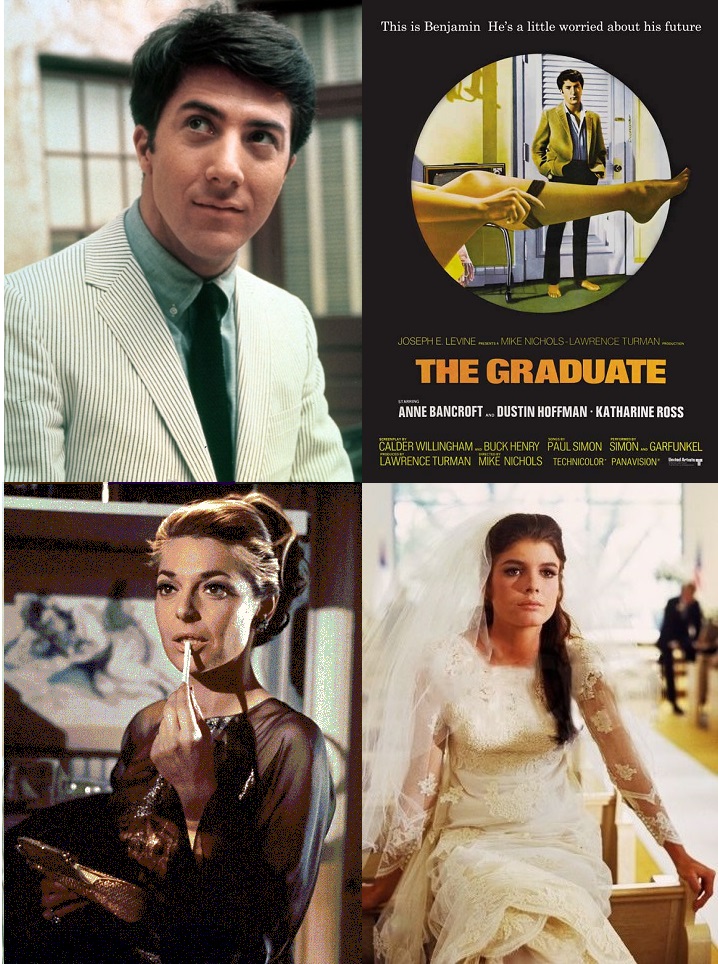
Directed by: Mike Nichols/ Starring: Dustin Hoffman, Anne Bancroft, Katherine Ross, William Daniels, Elizabeth Wilson and Murray Hamilton/ Country: USA/ 105 minutes/ (Social-satirical-comedy-drama)
What George says: Part arty-satirical-sideswipe on moneyed, middle-class American hypocrisy, part classic comedy of manners packed with witty zingers and a dash of adorable slapstick, The Graduate caused a sensation on its release – not least with late ’60s students, whom identified with its ‘is that all there is?’ acidie as they all queued around the block to see it. One of the greatest exponents of ‘Old-‘ and ‘New Hollywood’ colliding with magnificent results (cf. with 1972’s The Godfather), it introduced imaginative helmer Mike Nichols as a major new player, Dustin Hoffman as an exciting new actor-ly star and an exiting new form of film language (that’d be Nouvelle Vague or ‘New Wave’ then) at last to the US mainstream.
What the critics say: “Mark it right down in your datebook as a picture you’ll have to see – and maybe see twice to savor all its sharp satiric wit and cinematic treats. For in telling a pungent story of the sudden confusions and dismays of a bland young man fresh out of college who is plunged headlong into the intellectual vacuum of his affluent parents’ circle of friends, it fashions a scarifying picture of the raw vulgarity of the swimming-pool rich, and it does so with a lively and exciting expressiveness through vivid cinema” ~ Bosley Crowther (writing in 1967)
Oscar count: 1
Oscar’s Best Picture pick this year: In The Heat Of The Night
The public’s pick this year: The Graduate (US box-office #1)
Read why The Graduate is one of the ultimate films of the 1960s here
.
George’s runners-up: 2. The Jungle Book; 3. Belle de Jour;
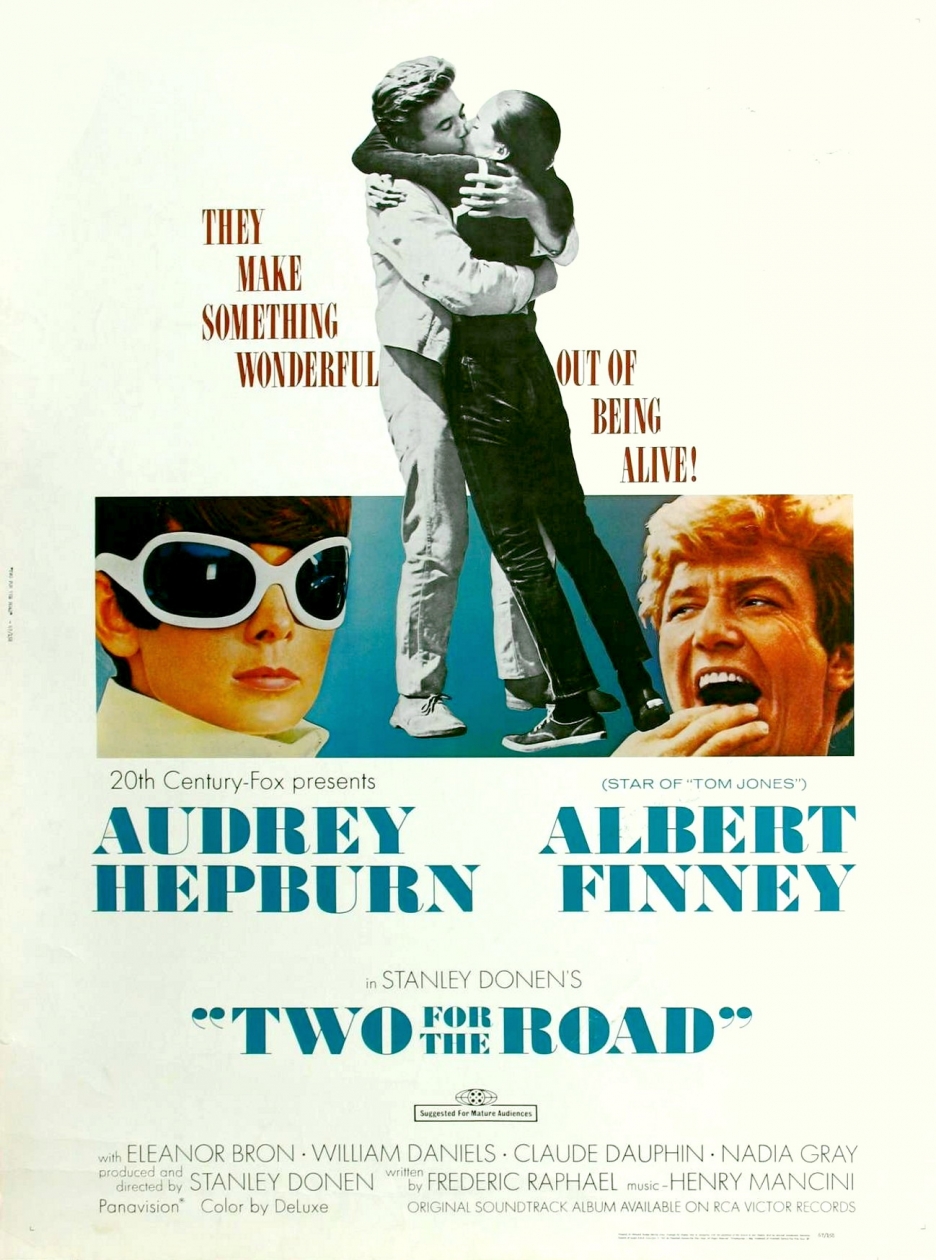
4. Two For The Road; 5. Bonnie And Clyde



.
And the rest: Bedazzled; Camelot; Cool Hand Luke; Les Demoiselles de Rochefort (The Young Girls of Rochefort); The Dirty Dozen; Elvira Madigan; The Fearless Vampire Killers; Guess Who’s Coming To Dinner; How To Succeed In Business Without Really Trying; In The Heat Of The Night; Point Blank; Le Samouraï (The Samurai); You Only Live Twice
.
.
.
Song:
Strawberry Fields Forever ~ The Beatles
.
.
Writers: Lennon/ McCartney/ Released: April 1967
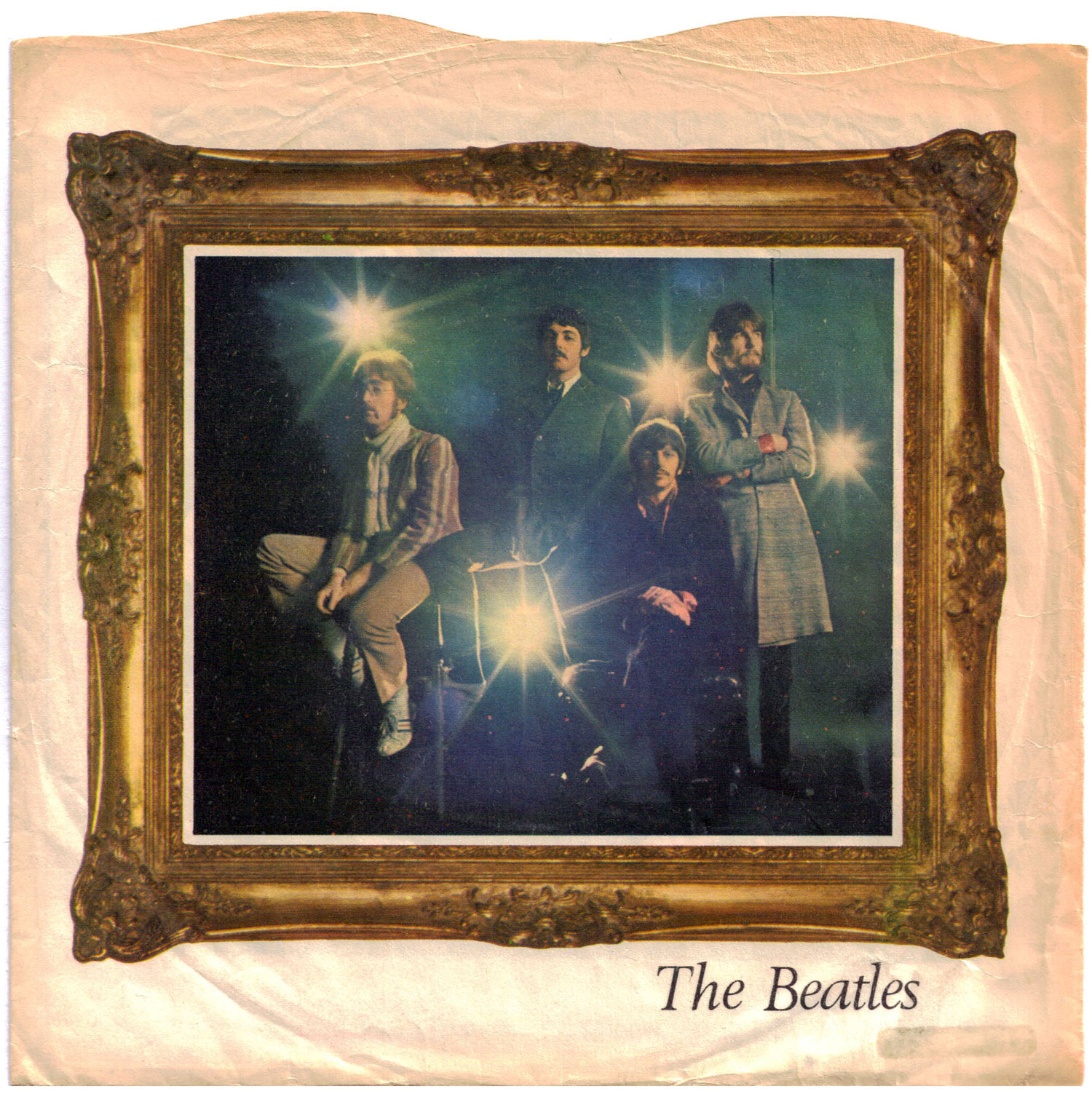
What George says: Perhaps The Beatles’ masterpiece, it’s an epic, haunting, frankly incredible exercise in musical experimentation married to pop-chart sensibility. Less accessible than its Double-A-side partner Penny Lane it may be, but for all its psychedelic influence and aspirations, deliberate dissonance and state-of-the-art studio technology showcasing (speeding-up, Mellatron-use and backwards-recorded cymbals), it’s a sensationally realised dip into beautiful, melodic melancholia. Plus, it features an Indian zither-like instrument called a swarmandal. You can’t say fairer than that.
What the critics say: “[It] shows expression of a high order… few if any [contemporary composers] are capable of displaying feeling and fantasy so direct, spontaneous and original” ~ Ian MacDonald
Chart record: US #8/ UK #2
Recognition: Ranked #2 for 1967, #6 for the 1960s and #8 for ‘all-time’ on acclaimedmusic.net‘s cumulatively ranked ‘top songs’ lists/ ranked #3 on Rolling Stone‘s ‘The 100 Greatest Beatles Songs’ list (2010)/ ranked #2 on Mojo magazine’s list of the greatest Beatles songs (2006)
Read why Strawberry Fields Forever is one of the ultimate UK chart hits here
.
George’s runners-up:
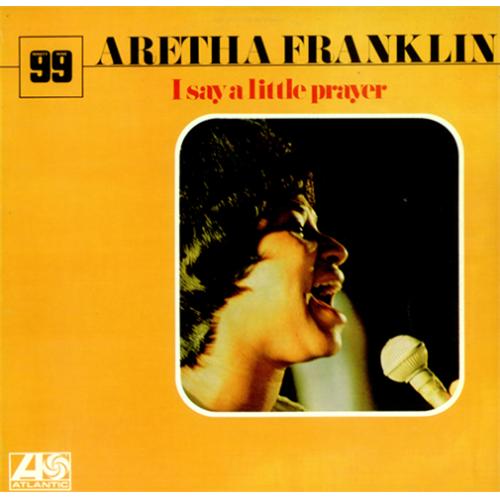
2. Penny Lane (The Beatles)/ 3. I Say A Little Prayer (Aretha Franklin)/
4. A Whiter Shade Of Pale (Procol Harum)/
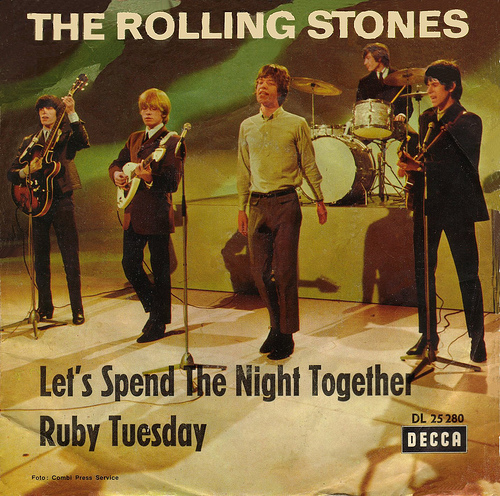
5. Let’s Spend The Night Together (The Rolling Stones)


.
And the rest: All You Need Is Love; Baby You’re A Rich Man; A Day In The Life; Hello, Goodbye; I Am The Walrus; Lucy In The Sky With Diamonds; She’s Leaving Home; Sgt. Pepper’s Lonely Heart’s Club Band; When I’m Sixty-Four; With A Little Help From My Friends (The Beatles)/ Ain’t No Mountain High Enough (Marvin Gaye and Tammi Terrell)/ At The Zoo; A Hazy Shade Of Winter; Mrs Robinson (Simon & Garfunkel)/ Are You Experienced?; Foxey Lady; Hey Joe; Purple Haze; Third Stone From The Sun; The Wind Cries Mary (The Jimi Hendrix Experience)/Autumn Almanac; Waterloo Sunset (The Kinks)/ The Ballad Of Bonnie And Clyde (Georgie Fame)/ The Bare Necessities (Phil Harris)/ Break On Through (To The Other Side); Light My Fire; People Are Strange (The Doors)/ Bummer In The Summer; Maybe the People Would Be The Times Or Between Clark And Hilldale; You Set The Scene (Love)/ Camelot (Richard Harris)/ Chain Of Fools; Respect; (You Make Me Feel Like) A Natural Woman (Aretha Franklin)/Dedicated To The One I Love; Twelve Thirty (Young Girls Are Coming To The Canyon) (The Mamas & The Papas)/ Daydream Believer; A Little Bit Me, A Little Bit You; Pleasant Valley Sunday (The Monkees)/ Don’t Sleep In The Subway (Petula Clark)/ Embryonic Journey; Somebody To Love; White Rabbit (Jefferson Airplane)/ The First Cut Is The Deepest (PP Arnold)/ Get Together (The Youngbloods)/ The Happening; Reflections (The Supremes)/ Happy Together (The Turtles)/ Itchycoo Park (The Small Faces)/ Hi Ho Silver Lining (Jeff Beck)/ I Can See For Miles (The Who)/ I Heard It Through The Grapevine (Marvin Gaye)/ I Think We’re Alone Now (Tommy James and the Shondells)/ I’m A Man (Spencer Davis Group)/ I Want To Be Like You (Louis Prima)/ I Wish I Knew How It Would Feel To Be Free (Nina Simone)/ Music To Watch Girls By (Andy Williams)/ Nights In White Satin (The Moody Blues)/ Ruby Tuesday; She’s A Rainbow (The Rolling Stones)/ San Francisco (Be Sure To Wear Flowers In Your Hair) (Scott Mackenzie)/ Silence Is Golden (The Tremeloes)/ Somethin’ Stupid (Frank and Nancy Sinatra)/ Soul Man (Sam and Dave)/ The Tears Of A Clown (Smokey Robinson & the Miracles)/ Theme from Mission: Impossible (Lalo Schfrin)/ Then He Kissed Me (The Crystals)/ There’s A Kind Of Hush (Herman’s Hermits)/ Two For The Road (Henry Mancini)/ Up, Up And Away (The 5th Dimension)/ You Only Live Twice (Nancy Sinatra)/ (Your Love Keeps Lifting Me) Higher And Higher (Jackie Wilson)/ What Do The Simple Folk Do? (Richard Harris and Vanessa Redgrave)
.
.
.
.
1968
.
Martin Luther King and RFK assassinated; ‘Prague Spring’ put down; LBJ won’t run;
student riots in Paris, London and across America; Black Panther salute at Olympics;
Enoch Powell’s ‘Rivers of Blood’; first interracial kiss on US TV – in episode of Star Trek
.
Film:
.
.
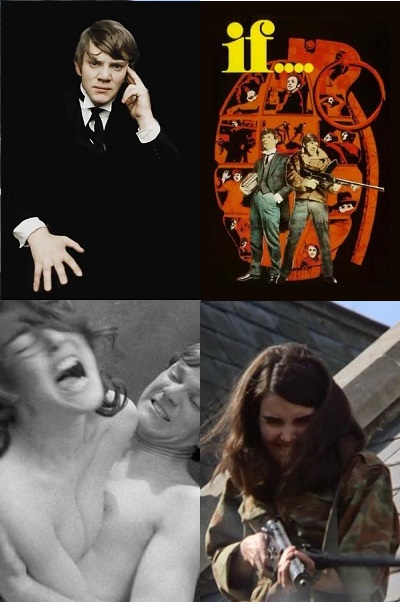
Directed by: Lindsay Anderson/ Starring: Malcolm MacDowell, Richard Warwick, David Wood, Christine Noonan, Robert Swann, Peter Jeffrey and Arthur Lowe/ Country: UK/
111 minutes/ (Social-satirical drama)
What George says: A movie that could only have emerged from the year it did, if… is an artistic tour de force whose aim to ambiguously yet viscerally explore how and why youthful libertarian rebellion should literally explode into violent protest in the face of an unswervingly sure, unyielding system (the arcane British public school) may not be perfectly realised, but the ambition, audacity and creative dynamism employed throughout positively crackles. Basically, it’s so 1968 it hurts.
What the critics say: “[It’s] a very human, very British social comedy that aspires to the cool, anarchic grandeur of Godard movies like Bande À Part and La Chinoise … I can’t quarrel with the aim … to turn the public school into the private metaphor, only with the apparent attempt to equate this sort of lethal protest with what’s been happening on real-life campuses around the world” ~ Vincent Canby (writing in 1968)
Oscar count: 0 (but it did win the Palme d’Or award at 1970’s Cannes Film Festival)
Oscar’s Best Picture pick this year: Oliver!
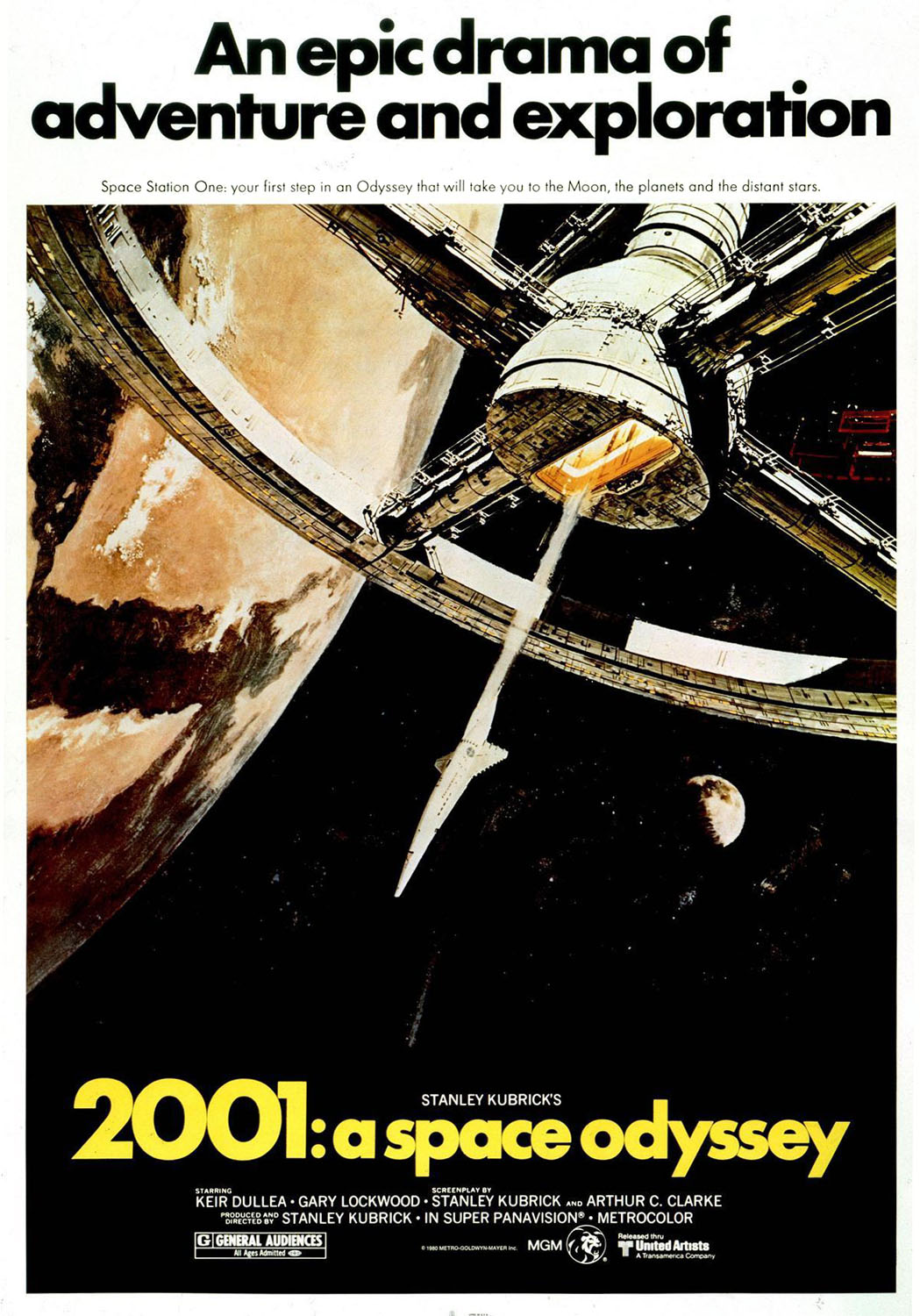
The public’s pick this year: 2001: A Space Odyssey (US box-office #1)
Read why if... is one of the ultimate films of the 1960s here
.
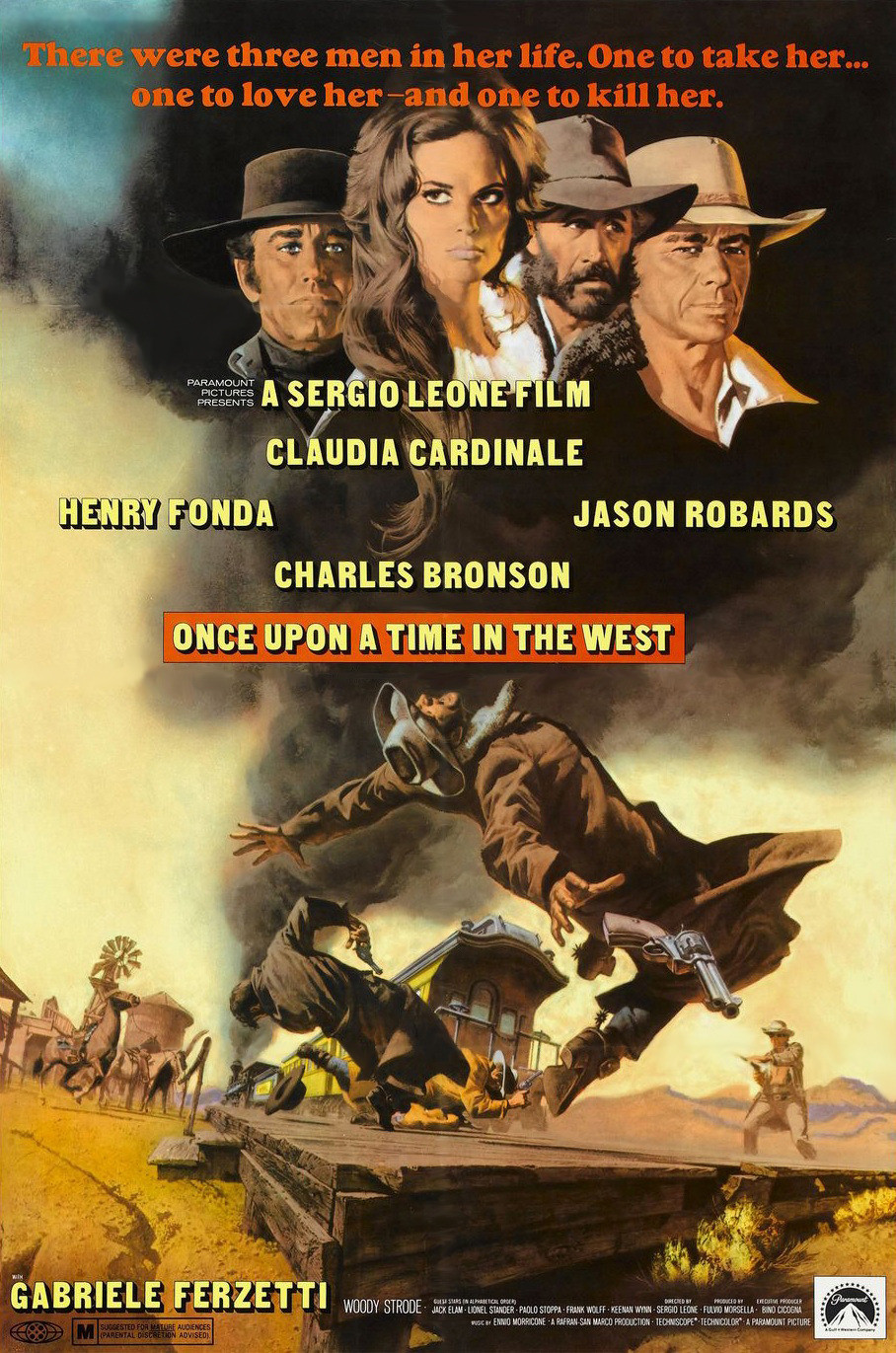
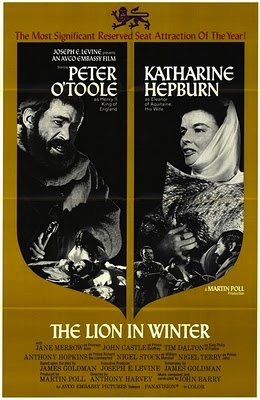
George’s runners-up: 2. Once Upon A Time In The West; 3. The Lion In Winter;
4. 2001: A Space Odyssey; 5. Yellow Submarine

.
And the rest: Barbarella; Bullitt; Carry On… Up The Khyber; Chitty Chitty Bang Bang; Faces; The Odd Couple; Oliver!; The Party; Planet Of The Apes; Romeo And Juliet; The Producers; Rosemary’s Baby; The Swimmer; The Thomas Crown Affair; Where Eagles Dare; Witchfinder General
.
.
.
Song:
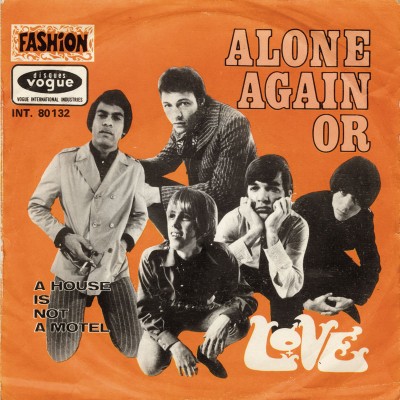
Alone Again Or ~ Love
.
.
Writer: Bryan MacLean/ Released: January 1968
What George says: Like God Only Knows, this definitive tune from the Arthur Lee-led LA outfit Love has to be one of, not just rock’s, but popular music’s most beautiful songs. It’s also one of its most mellifluously melancholic – the perfect kick-starter to the non-hippie-loved-up five-piece’s anti-paean to the ‘Summer of Love’, their masterpiece album Forever Changes (1967). Ostensibly a ballad guided by delicious Latin guitar and rhythms, each verse opening quietly and building and building with trembling strings to a punching, emotional chorus, its climax comes halfway through with that ebullient flamenco trumpet solo. A song once heard never ever forgotten for all the right reasons.
What the critics say: “Written by second guitarist Bryan MacLean in the early ’60s in musical tribute to his mother, a flamenco dancer, Alone Again Or is lushly beautiful, but also achingly sad, thanks both to MacLean’s distressed lost-love lyrics and Lee’s high-register vocals, which give the song an off-kilter quality … it fits perfectly as the start of [album] Forever Changes, a jaundiced ‘no thank you’ to the supposed sunshine and good vibes of the ‘Summer of Love'” ~ Stewart Mason
Chart record: US #99
Recognition: Ranked #12 for 1967, #78 for the 1960s and #195 for ‘all-time’ on acclaimedmusic.net‘s cumulatively ranked ‘top songs’ lists
.
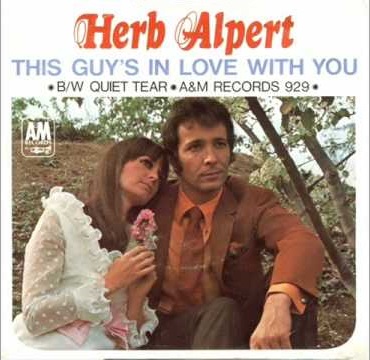
George’s runners-up: 2. This Guy’s In Love With You (Herb Alpert)/
3. While My Guitar Gently Weeps (The Beatles)/
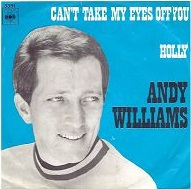
4. Can’t Take My Eyes Off You (Andy Williams)/
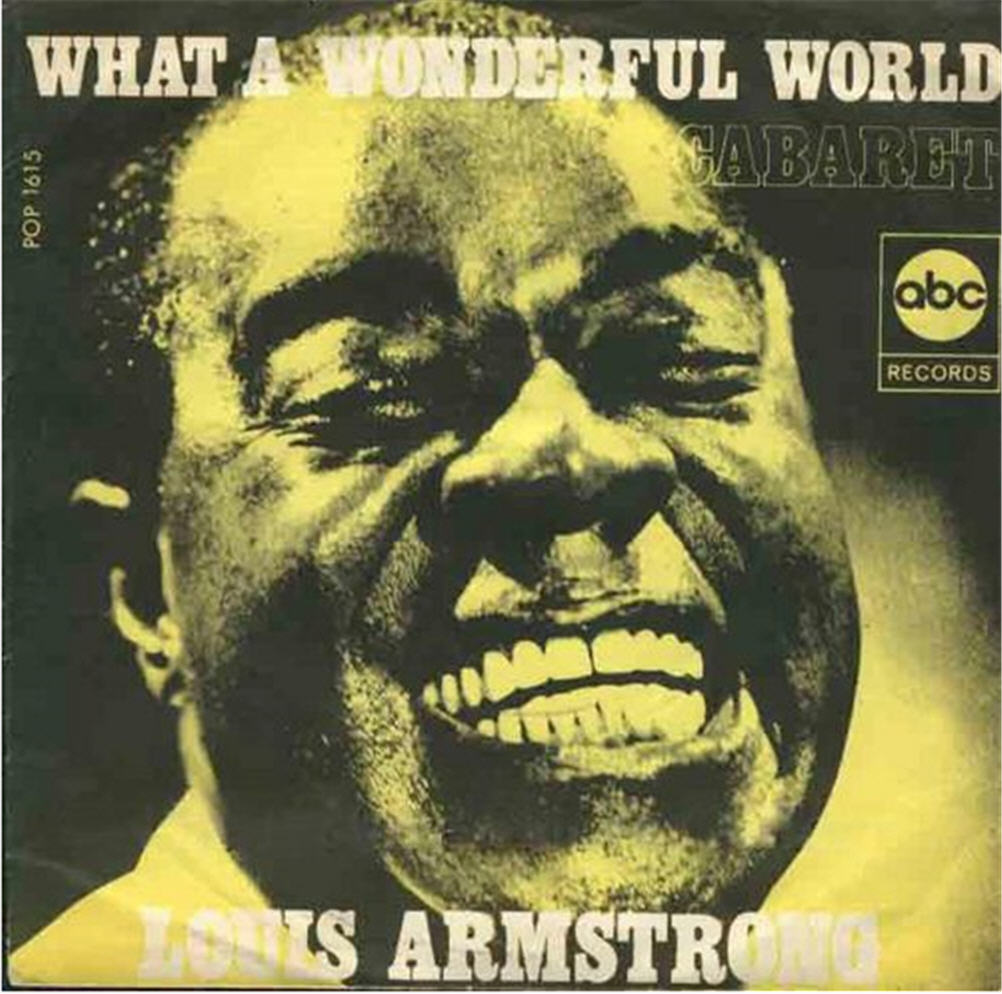
5. What A Wonderful World (Louis Armstrong)

.
And the rest: Abraham, Martin And John (Dion)/Ain’t Nothing Like The Real Thing; You’re All I Need To Get By (Marvin Gaye and Tammi Terrell)/ All Along The Watchtower; Crosstown Traffic; Voodoo Chile (Slight Return) (The Jimi Hendrix Experience)/ America (Simon & Garfunkel)/ Angel Of The Morning (Merrilee Rush)/ Atlantis; Jennifer Juniper; The Hurdy-Gurdy Man (Donovan)/ Back In The USSR; Blackbird; Dear Prudence; The Fool On The Hill; Happiness Is A Warm Gun; Hey Jude; Julia; Lady Madonna; Martha My Dear; Mother Nature’s Sun; Ob-La-Di, Ob-La-Da; Revolution (The Beatles)/ Ball ‘n’ Chain; Piece Of My Heart; Summertime (Big Brother and the Holding Company)/ Blackberry Way (The Move)/ Bonnie And Clyde (Serge Gainsbourg and Brigitte Bardot)/ Born To Be Wild; Magic Carpet Ride (Steppenwolf)/ Build Me Up Buttercup (The Foundations)/ Cabaret (Louis Armstrong)/ Chitty Chitty Bang Bang (Dick Van Dyke and Sally Ann Howes)/ Dance To The Music (Sly and the Family Stone); Days (The Kinks)/ Do You Know The Way To San Jose (Dionne Warwick)/ Dream A Little Dream Of Me (Mama Cass)/ Feelin’ Alright; With A Little Help From My Friends (Joe Cocker)/ Fox On The Run; Quinn The Eskimo (Mighty Quinn) (Manfred Mann)/ The Other Man’s Grass Is Always Greener (Petula Clark)/ Theme from The Good, The Bad And The Ugly (Hugo Montenegro)/ Hello, I Love You; Touch Me (The Doors)/ Hushabye Mountain (Dick Van Dyke)/ I Don’t Want To Hear It Anymore; Just A Little Lovin’; Son Of A Preacher Man (Dusty Springfield)/ I Get The Sweetest Feeling (Jackie Wilson)/ Initials BB (Serge Gainsbourg)/ I Shall Be Released; The Weight (The Band)/ If I Were A Carpenter (The Four Tops)/ In-A-Gadda-Da-Vida (Iron Butterfly)/ Jumpin’ Jack Flash; Street Fighting Man (The Rolling Stones)/ La-La Means I Love You; Ready Or Not Here I Come (Gonna Find You) (The Delfonics)/ Lazy Sunday; Ogden Nut Gone Flake (The Small Faces)/ A Little Less Conversation (Elvis Presley)/ MacArthur Park (Richard Harris)/ Mony Mony (Tommy James and the Shondells)/ One (Harry Nilsson)/ Put a Little Love In Your Heart (Jackie DeShannon)/ (Sittin’ On) The Dock Of The Bay (Otis Redding)/ Sky Pilot (Eric Burdon and the Animals)/ Sunshine Of Your Love (Cream)/ Think (Aretha Franklin)/ Those Were The Days (Mary Hopkin)/ Wichita Lineman (Glen Campbell)
.
.
.
.
1969
.
Man walks on the Moon; Nixon inaugurated; de Gaulle steps down;
Willy Brandt elected; Woodstock; The Beatles on the roof; Stonewall riots;
Concorde’s maiden flight; Monty Python and Sesame Street debut
.
Film:
.
.
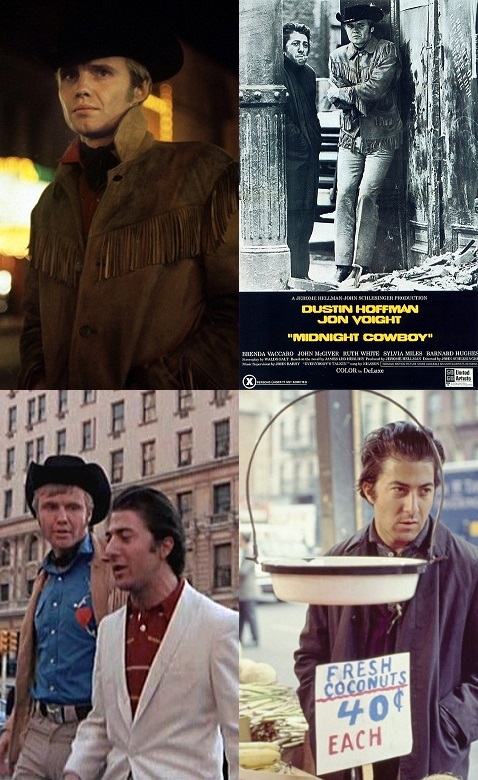
Directed by: John Schlesinger/ Starring: Jon Voight, Dustin Hoffman, Sylvia Miles, John McGiver, Brenda Vaccaro, Barnard Hughes and the ‘Warhol Superstars’/ Country: USA/
113 minutes/ (Urban comedy-drama)
What George says: A dark and gritty, at times almost apocalyptic, but at others hilarious and irresistibly psychedelic venture into the down-at-heel world of Manhattan small time cons, prostitution and flamboyant Warhol-esque excess. Midnight Cowboy isn’t a perfect film, but it’s one hell of a stylish and convincing exposé with one hell of a heart thanks to its two leads’ outstanding turns and John Barry and Harry Nilsson’s soulful musical contributions. An essential movie that serves as something of a bridge between cinema of the ’60s and the ’70s.
What the critics say: “[It] frequently cuts deep and accurately into the truth … The two [main characters] are shown to be in desperate need of each other, and it is a superbly observed relationship not only because this is so but because the hideous hollowness of the world they battle with is so clearly painted as well. We can identify with them without false sentimentality and it is impossible not to do so” ~ Derek Malcolm
Oscar count: 3
Oscar’s Best Picture pick this year: Midnight Cowboy
The public’s pick this year: Butch Cassidy And The Sundance Kid
(global box-office #1)
.
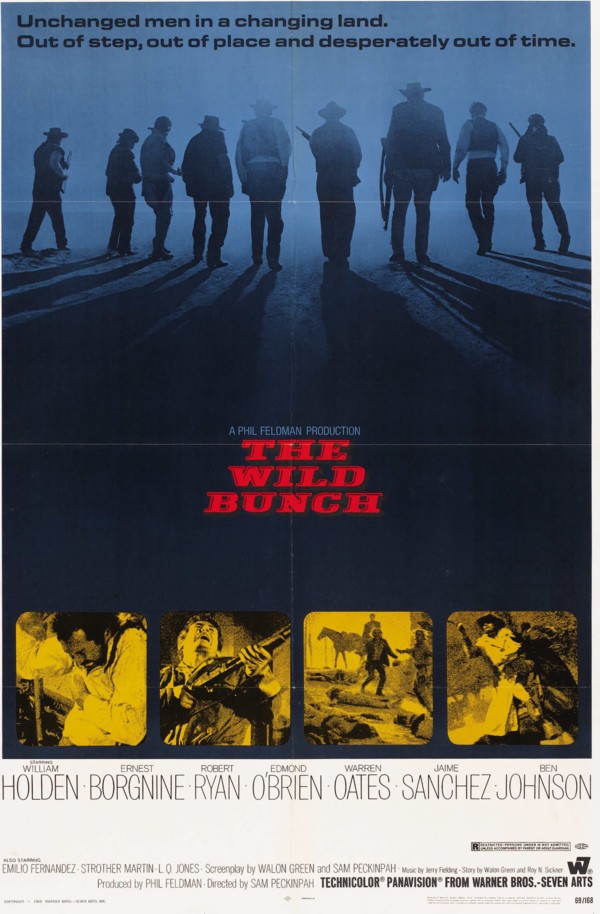
George’s runners-up: 2. Butch Cassidy And The Sundance Kid;
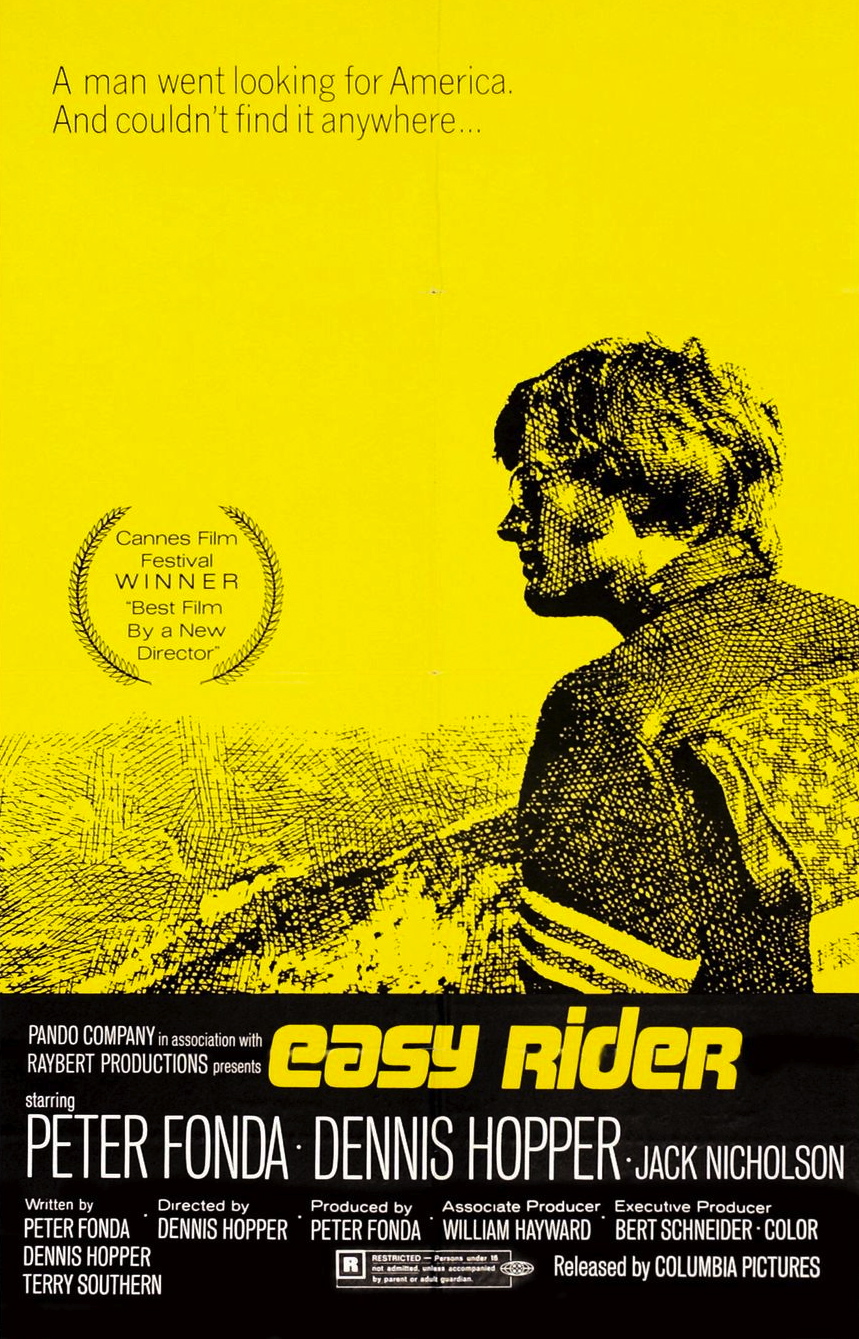
3. Easy Rider; 4. The Wild Bunch; 5. Kes


.
And the rest: Anne Of The Thousand Days; Bob & Carol & Ted & Alice; The Damned; The Italian Job; Oh! What A Lovely War; On Her Majesty’s Secret Service; The Prime Of Miss Jean Brodie; La Sirène du Mississipi (Mississippi Mermaid); Sweet Charity; They Shoot Horses, Don’t They?; Women In Love; Z
.
.
.
Song:
Something ~ The Beatles
.

.
Writer: George Harrison/ Released: October 1969
What George says: Along with Here Comes The Sun (also from the awesome Abbey Road album), this was the effort that saw Harrison emerge from Lennon and McCartney’s shadow and suggested the great songwriter he’d become. Actually, more than that, it confirmed it, given this is the best song he ever wrote. Like friend Eric Clapton’s Layla (1970), it’s ostensibly about Mrs Harrison, Pattie Boyd, but so soothingly cool and irresistible is it with all that luxuriant guitar playing, Something allows the listener to absolutely project any subject of amorous delight on to its perfect-in-the-eye-of-the-beholder inferences. Any ‘something’ or ‘someone’, you might say.
What the contemporary says: “The greatest love song of the past 50 years” ~
Frank Sinatra
Chart record: US #1/ UK #4
Recognition: Won the Ivor Novello award for ‘Best Song Musically and Lyrically’ (1969)/ ranked #15 for 1969, #127 for the 1960s and #394 for ‘all-time’ on acclaimedmusic.net‘s cumulatively ranked ‘top songs’ lists/ according to Broadcast Music Incorporated (BMI), the 17th most performed song of the 20th Century (1999)
.
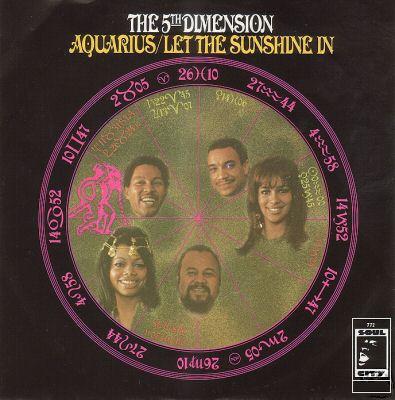
George’s runners-up: 2. Aquarius/ Let The Sunshine In (The 5th Dimension)/
3. Gimme Shelter (The Rolling Stones)/
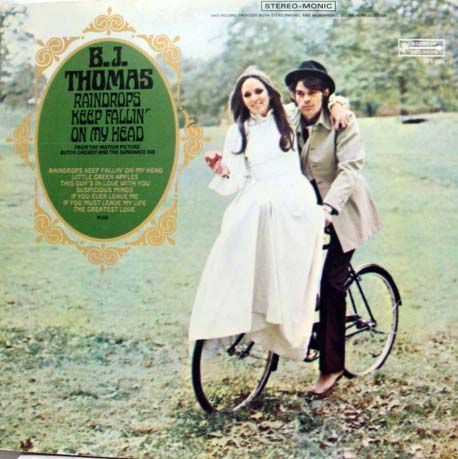
4. Raindrops Keep Fallin’ On My Head (B J Thomas)/
5. Suspicious Minds (Elvis Presley)


.
And the rest: Afterglow Of Your Love (The Small Faces)/ Baby It’s You (Smith)/ Bad Moon Rising; Fortunate Son (Creedence Clearwater Revival)/ Ballad Of Easy Rider; Jesus Is Just Alright (The Byrds)/ The Ballad Of John And Yoko; Come Together; Don’t Let Me Down; Get Back; Golden Slumbers/ Carry That Weight/ The End; Here Comes The Sun (The Beatles)/ Barabajal (Donovan)/ The Boxer (Simon & Garfunkel)/ A Boy Named Sue (Johnny Cash)/ Bringing On Back The Good Times (Love Affair)/ Chelsea Morning (Judy Collins)/ Communication Breakdown; Good Times Bad Times; Whole Lotta Love (Led Zeppelin)/ Daydream (Wallace Collection)/ Delta Lady (Joe Cocker)/ Dizzy (Tommy Roe)/ Everybody’s Talkin’ (Harry Nilsson)/ Everyday People (Sly and the Family Stone)/; Honky Tonk Women; Sympathy For the Devil (The Rolling Stones)/ Good Morning Starshine (Oliver)/ Happy Heart (Petula Clark)/ Happy Heart (Andy Williams)/ He Ain’t Heavy, He’s My Brother (The Hollies)/ Hitchin’ A Ride (Vanity Fare)/ I’ll Never Fall In Love Again (Bobbie Gentry)/ (If Paradise Is) Half As Nice (Amen Corner)/ In The Ghetto (Elvis Presley)/ In The Year 2525 (Zager and Evans)/ Is That All There Is? (Peggy Lee)/ Israelites (Desmond Dekker & the Aces)/ It’s Getting Better (Mama Cass)/ Je t’Aime… Moi Non Plus (Serge Gainsbourg and Jane Birkin)/ Lay Lady Lay (Bob Dylan)/ Light My Fire; Yummy Yummy Yummy (Julie London)/ Living In The Past (Jethro Tull)/ Marrakesh Express (Crosby, Stills and Nash)/ My Cherie Amour (Stevie Wonder)/ My Way (Frank Sinatra)/ The Night They Drove Old Dixie Down (The Band)/ On Days Like These (Matt Monro)/ On Her Majesty’s Secret Service; Main Theme from Midnight Cowboy (John Barry)/ Pinball Wizard (The Who)/ Plastic Man; Shangri-La; Victoria (The Kinks)/ Reflections Of My Life (The Marmalade)/ The Rhythm Of Life (Sammy Davis Jr.)/ Ruby, Don’t Take Your Love To Town (Kenny Rogers and the First Edition)/ Someday We’ll Be Together (Diana Ross & The Supremes)/ Something In The Air (Thunderclap Newman)/ Space Oddity (David Bowie)/ The Star Spangled Banner (Jimi Hendrix)/ Sugar Sugar (The Archies)/ Twenty-Five Miles (Edwin Starr)/ Vivo Contando (Salomé)/ We Have All The Time In The World (Louis Armstrong)/ Where Do You Go To (My Lovely)? (Peter Sarstedt)/ The Windmills Of Your Mind (Noel Harrison)/ You Showed Me (The Turtles)
.
.
And coming soon…
George’s pick of the flicks
and top of the pops ~ 1970-74
.
.
.
Although not regaled with the psychedelia, revolutionising folk rock and significant social change of the latter half, the first half of the 1960s were nonetheless fascinating and dramatic themselves. The rise of the civil rights movement in the States, the wave of satire and fading of deference to the British Establishment in the UK, the evolution of rock ‘n’ roll and the spread of Nouvelle Vague (‘New Wave’) across European cinema ensured that the times were undeniably changing from the ’50s, and Anglo-American culture becoming more like that which we’re familiar with today – not least in film and music.
So then, peeps, here’s, yes, the latest in an ambitious extension of George’s Journal‘s celebration of its recent fourth birthday (see here and here) – its absolute top picks from among the movies and songs of each year of the early ’60s. You may not agree with all the choices, but hopefully you’ll agree with me on the diverse quality (and appreciate the work that’s gone into the post, of course). Enjoy, folks…
.
.
CLICK
on film and song titles for video-clips…
.
.
.
.
1960
.
Kennedy versus Nixon; US spy plane shot down over USSR and pilot imprisoned;
Macmillan’s ‘Wind of Change’; To Kill A Mockingbird published; Lady Chatterley obscenity case;
Cassius Clay wins Olympic gold; The Flintstones makes TV debut
.
Film:
La Dolce Vita (The Sweet Life)
.
.
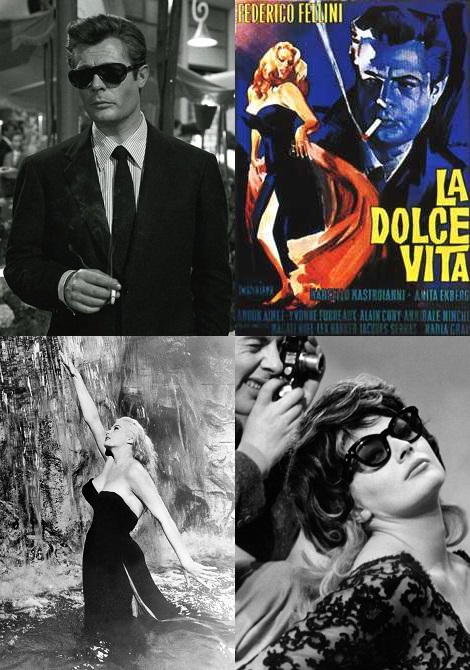
Directed by: Federico Fellini/ Starring: Marcello Mastroianni, Anouk Aimée, Anita Ekberg, Yvonne Furneaux, Magali Noël, Alan Cuny, Annibale Ninchi, Walter Santesso and Nico/ Country: Italy/ 180 minutes/ (Social comedy-drama)
What George says: More a collection of sequences – like many of the best of Fellini’s films – La Dolce Vita may lack a narrative drive, but that’s unquestionably made up for by its writer-director’s keen eye for beautiful black-and-white visuals and stark, unflinching irony. Although adored for its style and the early ’60s European cool it positively oozes, it’s actually a sly critique of the decadent, soulless, Roman ‘sweet life’ it so artfully showcases – and outstandingly so.
What the critics say: “[Fellini] has an uncanny eye for finding the offbeat and grotesque incident, the gross and bizarre occurrence that exposes a glaring irony. He has, too, a splendid sense of balance and a deliciously sardonic wit that not only guided his cameras but also affected the writing of the script. In sum, it is an awesome picture, licentious in content but moral and vastly sophisticated in its attitude and what it says” ~ Bosley Crowther
Oscar count: 1 (Best Foreign Language Film; also winner of the Palme d’Or award at 1960’s Cannes Film Festival)
Oscar’s Best Picture pick this year: The Apartment
The public’s pick this year: Spartacus (US box-office #1)
.
George’s runners-up: 2. À Bout De Souffle (Breathless);
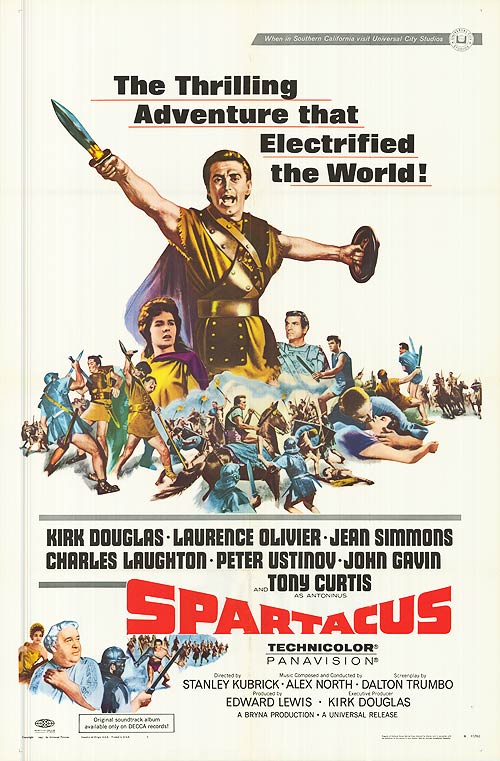
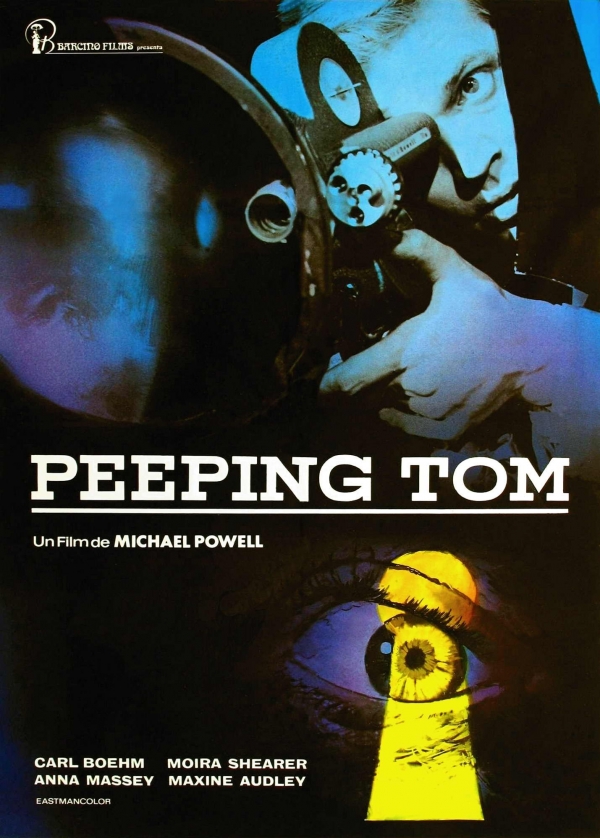
3. The Apartment; 4. Spartacus; 5. Peeping Tom


.
And the rest: L’Avventura (The Adventure); Butterfield 8; Elmer Gantry; The Entertainer; The League Of Gentlemen; Psycho; Saturday Night And Sunday Morning; Sons And Lovers
.
.
.
Song:
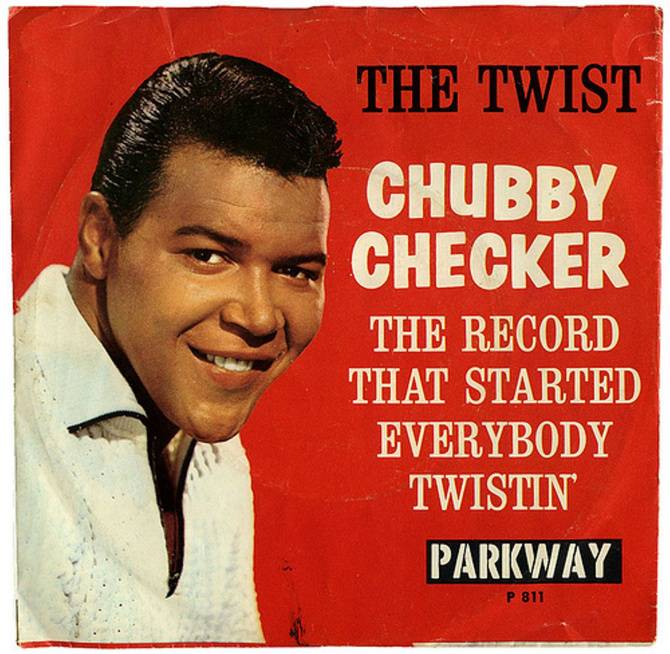
The Twist ~ Chubby Checker
.
.
Writers: Hank Ballard and The Midnighters/ Released: June 1960
What George says: Simple as a tin of baked beans it may be (even with that middle-eight sax solo to break up the repetitive verses and choruses), The Twist is nonetheless a quite simply perfect song. Honestly, if this came on in a nightclub even today, how could you resist breaking out into a dance (‘The Twist’ itself, naturally – the dance at the centre of the craze it launched into the stratosphere)? The answer is, of course, you couldn’t. There’s no way on Earth you could.
Chart history: US #1 (September 1960 and January 1962)
Recognition: Ranked #4 for 1960, #103 for the 1960s and #298 for ‘all-time’ on acclaimedmusic.net‘s cumulatively ranked ‘top songs’ lists
.
George’s runners-up: 2. True Love Ways (Buddy Holly)/ 3. Non, Je Ne Regrette Rien (Édith Piaf)/ 4. Three Steps To Heaven (Eddie Cochran)/
5. Only The Lonely (Roy Orbison)


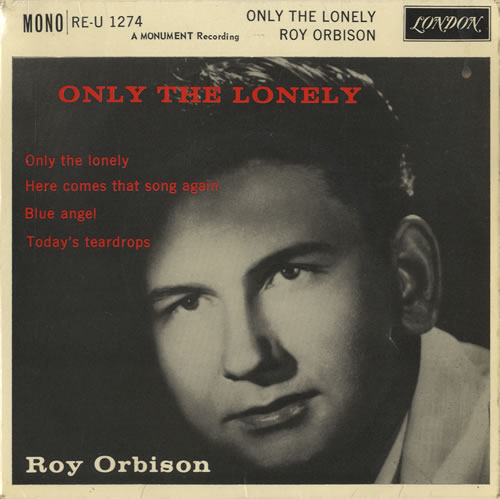
.
And the rest: Ain’t That A Kick In The Head (Dean Martin)/ Apache (The Shadows)/ At Last (Etta James)/ Cathy’s Clown (The Everly Brothers)/ Chain Gang; Wonderful World (Sam Cooke)/ Fools Rush In (Where Angels Fear To Tread) (Brook Benton)/ Hit The Road Jack (Ray Charles)/ Il Cielo Una Stanza (The Sky In A Room) (Mina)/ In The Wee Small Hours Of The Morning (Julie London)/ Money (That’s What I Want) (Barrett Strong)/ Poetry In Motion (Johnny Tillotson)/ Rubber Ball (Bobby Vee)/ Save The Last Dance For Me (The Drifters)/ Volare (Bobby Rydell)/ Walk, Don’t Run (The Ventures)/ Will You Still Love Me Tomorrow (The Shirelles)
.
.
.
.
1961
.
First man in space; Bay of Pigs Invasion; Kennedy sends thousands of troops to Vietnam;
USSR tests largest ever atomic bomb; Beyond The Fringe switches to West End;
Catch-22 published; Barbie gets a boyfriend in Ken
.
Film:
.

.
Directed by: Robert Wise and Jerome Robbins/ Starring: Natalie Wood, Richard Beymer, George Chakiris, Rita Moreno, Ross Tamblyn and William Bramley/ Country: USA/
152 minutes/ (Musical)
What George says: West Side Story is the Hollywood musical as art first, entertainment second. Or, at least, it’s as close as it’ll ever get to that. That’s not just because this movie’s a terrifically faithful adaptation of Bernstein and Sondheim’s clever-clever Romeo-and-Juliet-as-down-at-heel-NYC stage show, but also because co-helmers Wise and choreographer extraordinaire Robbins marry a dynamic and beautiful/ gritty aesthetic to all the muscular hoofing and stupendous tunes. Movie musicals never get better than this.
What the critics say: “Nothing short of a cinema masterpiece. In every respect … superbly and appropriately achieved. The drama of New York juvenile gang war, which cried to be released in the freer and less restricted medium of the mobile photograph, is now given range and natural aspect on the large Panavision color screen, and the music and dances that expand it are magnified as true sense-experiences” ~ Bosley Crowther (writing in 1961)
Oscar count: 10
Oscar’s Best Picture pick this year: West Side Story
The public’s pick this year: West Side Story (global box-office #1)
.
George’s runners-up: 2. Yojimbo; 3. Breakfast At Tiffany’s; 4. The Hustler; 5. The Misfits


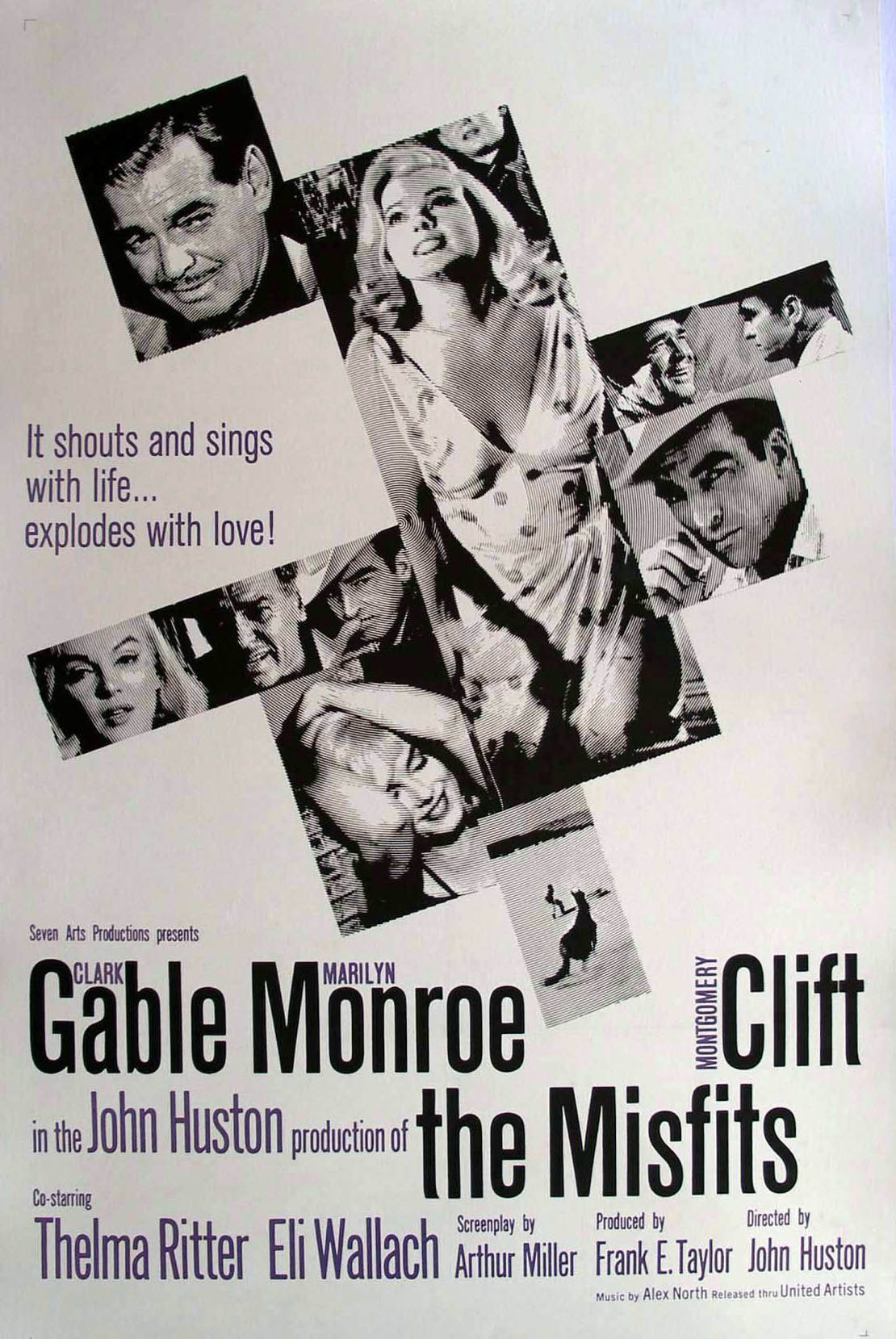
.
And the rest: The Guns Of Navarone; The Innocents; Judgment At Nuremburg; La Notte (The Night); One Hundred And One Dalmations; One, Two, Three; Såsom I En Spegel (Through A Glass Darkly); Splendor In The Grass; A Taste Of Honey; Whistle Down The Wind
.
.
.
Song:
Stand By Me ~ Ben E King
.
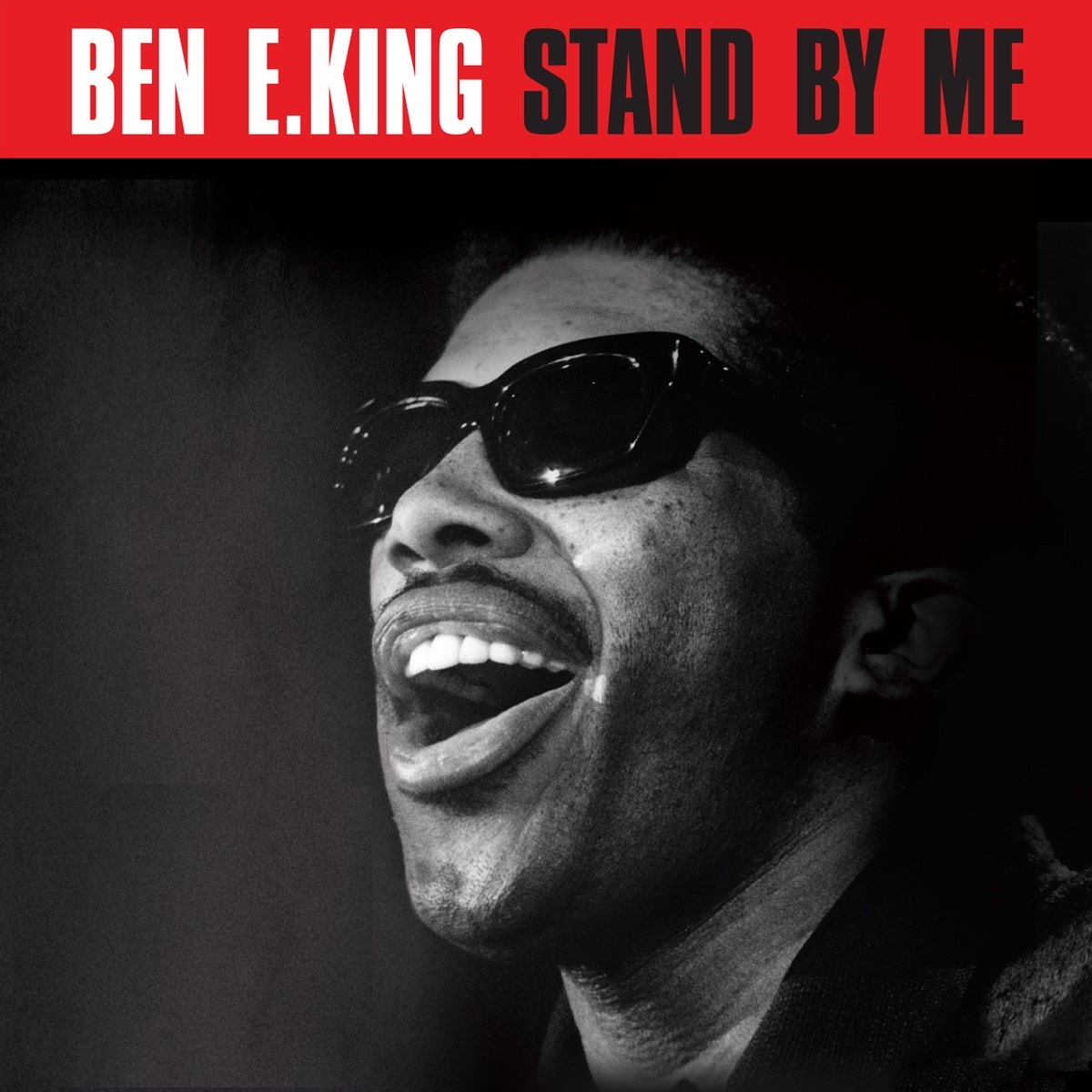
.
Writers: Ben E King, Jerry Leiber and Mike Stoller/ Released: 1961
What George says: Forever causing the hearer to think of platonic instead of amorous love thanks to its association with the 1986 coming-of-age flick that borrowed its title, Stand By Me also summons up notions of lasting, loyal friendship owing to its patent gospel influences, King’s steady then soaring emotive delivery and that guiding bass-line which holds your hand right the way to the end like a buddy you know would go through hell and back with you.
What the critics say: “Stand By Me sounds like it wasn’t written, that it just always existed … played like a love song, but it wasn’t. It was a testament to friendship, one of the best of its kind in pop history. Perhaps that’s why it was also one of the most endearing songs of the rock era” ~ Stephen Thomas Erlewine
Chart record: US #4 (#9 in 1986)/ UK #27 (#1 in 1987)
Recognition: Ranked #1 for 1961, #30 for the 1960s and #63 for ‘all-time’ on acclaimedmusic.net‘s cumulatively ranked ‘top songs’ lists/ voted #25 on the Recording Industry Association of America’s (RIAA) ‘Songs of the Century’ list (2012)
.
George’s runners-up: 2. Night And Day (Frank Sinatra)/ 3. Crazy (Patsy Cline)/
4. Moon River (Audrey Hepburn)/ 5. Come Rain Or Come Shine (Frank Sinatra)


.
And the rest: All Or Nothing At All (Frank Sinatra)/ America (George Chakiris and Rita Moreno)/ Baby Elephant Walk (Henry Mancini)/ Cupid (Sam Cooke)/ Big Bad John (Jimmy Dean)/ Baby It’s You (The Shirelles)/ Blue Moon (The Marcels)/ Hello Mary Lou (Rickie Nelson)/ I Don’t Know Why I Love You (But I Do) (Clarence ‘Frogman’ Henry)/ I Just Want To Make Love To You (Etta James)/ The Lion Sleeps Tonight (The Tokens)/ Mad About The Boy (Dinah Washington)/ Maria (Jim Bryant)/ Marie’s The Name (His Latest Flame) (Elvis Presley)/ My Favourite Things (John Coltrane)/ My Heart Belongs To Daddy (Julie London)/ Please Mr. Postman (The Marvelettes)/ Runaround Sue (Dion)/ Runaway (Del Shannon)/ Spanish Harlem (Ben E King)/ Tonight (Marni Nixon and Jim Bryant)/ Walkin’ Back to Happiness (Helen Shapiro)
.
.
.
.
1962
.
Cuban Missile Crisis; Marilyn Monroe dead at 33;
Macmillan’s ‘Night of the Long Knives’; Andy Warhol’s Campbell’s Soup Cans;
Brazil wins second consecutive World Cup; first trans-Atlantic signal sent via Telstar
.
Film:
.

.
Directed by: David Lean/ Starring: Peter O’Toole, Omar Sharif, Alec Guinness, Anthony Quinn, Jack Hawkins, Claude Rains, José Ferrer, Anthony Quayle and Arthur Kennedy/ Country: UK/ USA/ 228 minutes/ (Biopic-war film)
What George says: Quite simply, the epic to end all epics – grandstand filmmaking has never scaled these dizzy heights since, and it’s hard to imagine it ever will. At its centre, Lean’s masterpiece is the consummate study of a fascinatingly brilliant but contradictory individual (brought to the very big screen by Peter O’Toole, whom would arguably never be better), but more broadly, its an intellectual think-piece on the machinations and consequences of war that’s absolutely gorgeous to look at – and listen to. It may just be the greatest film ever made.
What the critics say: “The word ‘epic’ in recent years has become synonymous with ‘big budget B picture’. What you realise watching Lawrence of Arabia is that the word ‘epic’ refers not to the cost or the elaborate production, but to the size of the ideas and vision” ~ Roger Ebert
Oscar count: 7
Oscar’s Best Picture pick this year: Lawrence Of Arabia
The public’s pick this year: Lawrence Of Arabia (global box-office #1)
Read and see more about of Lawrence Of Arabia here
.
George’s runners-up: 2. The Manchurian Candidate;
3. Jules et Jim; 4. Lolita; 5. To Kill A Mockingbird

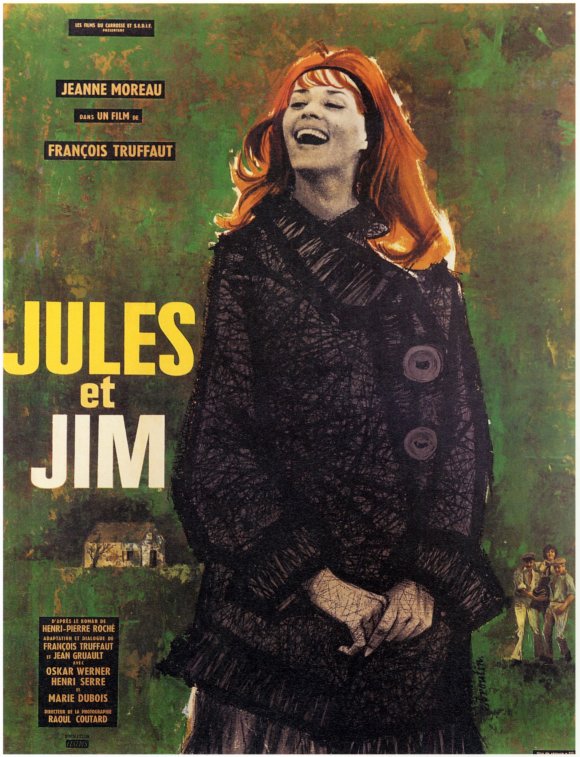


.
And the rest: Cape Fear; Days Of Wine And Roses; Dr No; Gypsy; A Kind Of Loving; The Loneliness Of The Long Distance Runner; The Miracle Worker; The Trial; Whatever Happened To Baby Jane?
.
.
.
Song:
James Bond Theme ~ John Barry Orchestra
.
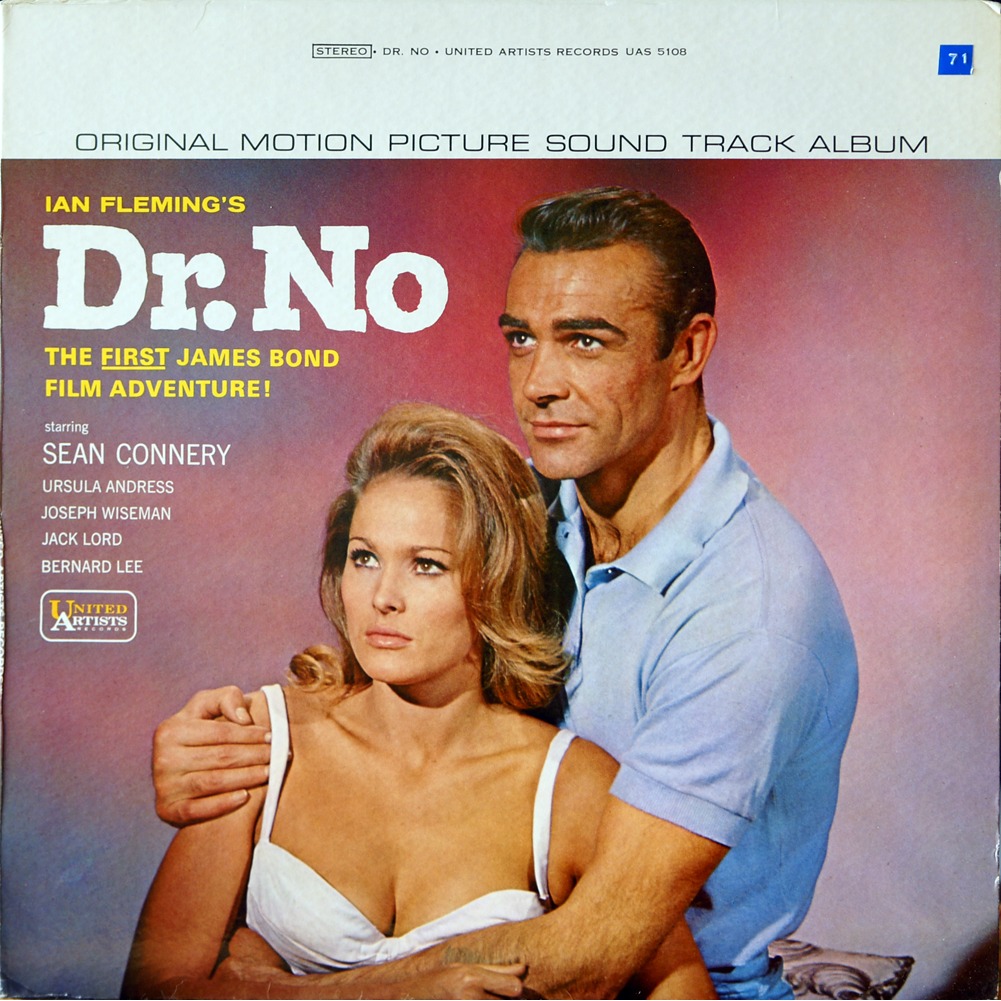
.
Writers: Monty Norman and John Barry/ Released: October 1962
(first heard in the film Dr No)
What George says: It’s pretty much impossible to separate the visuality of the cinematic Bond from this, his aural signature – so let’s not try. Suffice to say, the James Bond Theme is the ultimate musical embodiment of big-screen classy cool swagger, excitement and danger. No action movie theme has ever come close to ‘toppling’ its Dr No-esque sleek missile-like sound.
Chart record: UK #13
Recognition: Ranked #19 for 1962, #358 for the 1960s and #1,520 for ‘all-time’ on acclaimedmusic.net‘s cumulatively ranked ‘top songs’ lists
.
George’s runners-up: 2. Let There Be Love (Nat King Cole and George Dearing)/
3. The Loco-Motion (Little Eva)/ 4. Can’t Help Falling In Love (Elvis Presley)/
5. Misirlou (Dick Dale and the Del-Tones)


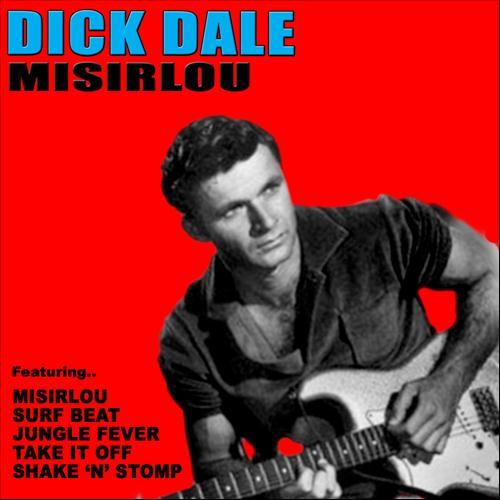
.
And the rest: Boom Boom (John Lee Hooker)/ Crying In The Rain (The Everly Brothers)/ Do You Love Me (The Contours)/End Of The World (Skeeter Davis)/ Green Onions (Booker T. & the M.G.s)/ I Left My Heart In San Francisco (Tony Bennett)/ I Remember You (Frank Ifield)/ If I Had A Hammer (Peter, Paul and Mary)/ It Might As Well Rain Until September (Carole King)/ The Lonely Bull (Herb Alpert & the Tijuana Brass)/ Love Me Do (The Beatles)/ Me And My Shadow (Frank Sinatra and Sammy Davis, Jr.)/ The Night Has A Thousand Eyes (Bobby Vee)/ Overture from Lawrence Of Arabia (Maurice Jarre)/ Return To Sender (Elvis Presley)/ Stranger On The Shore (Acker Bilk)/ The Stripper (David Rose and his Orchestra)/ A Swingin’ Safari (Bert Kaempfert)/ Telstar (The Tornadoes)/ Twistin’ The Night Away (Sam Cooke)/ What Kind Of Fool Am I (Sammy Davis, Jr.)/ Wonderful Land (The Shadows)
.
.
.
.
1963
.
JFK shot dead; ‘March on Washington’ and ‘I have a dream’;
‘Ich bin ein Berliner’; Profumo Affair; Douglas-Home succeeds Macmillan;
Great Train Robbery; Beatles release first album; Britain’s ‘Big Freeze’; Doctor Who debuts
.
Film:
.
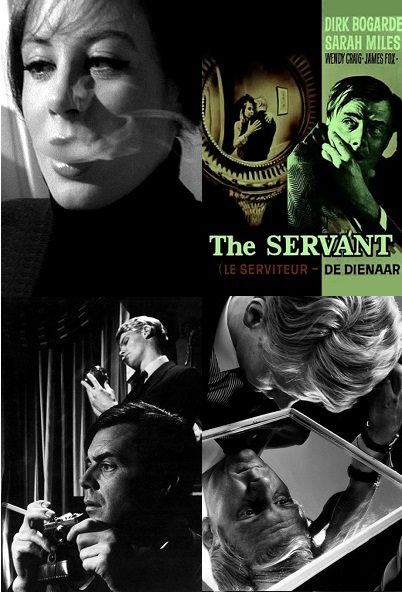
.
Directed by: Joseph Losey/ Starring: Dirk Bogarde, James Fox, Sarah Miles and Wendy Craig/ Country: UK/ 112 minutes/ (Psychological drama)
What George says: A groundbreaking deconstruction of the British class system, The Servant opens not as it means to go on, playing as a smart exploration of service for the upper classes in the ‘modern’ early ’60s, before sliding into something altogether more absorbing, darker, even disturbing, as the servant (a brilliant Bogarde) turns the tables on his master (a young Fox). No question we’re along for the ride, thanks to superbly obtuse, unsettling camera angles and subtle touches of not entirely show-and-tell, as we watch the line between the classes (more than) blur just as they were starting to in the real ‘Profumo Affair‘-racked Blighty of ’63.
What the critics say: “The Servant‘s fusion of Losey’s sensitivity to spaces and objects with Pinter’s stark approach to image and language – seen through cinematographer Douglas Slocombe’s magnificent black-and-white photography – initiated a new kind of cinema in the UK, one distinctly more ambitious than the social realism of the Woodfall films [and it] transformed Bogarde’s image, cemented Losey’s fruitful partnership with Pinter and launched the cinema careers of James Fox and Sarah Miles” ~ Nick James
Oscar count: 0
Oscar’s Best Picture pick this year: Tom Jones
The public’s pick this year: Cleopatra (global box-office #1)
.
George’s runners-up: 2. 8½; 3. Le Mépris (Comtempt); 4. Billy Liar; 5. Hud
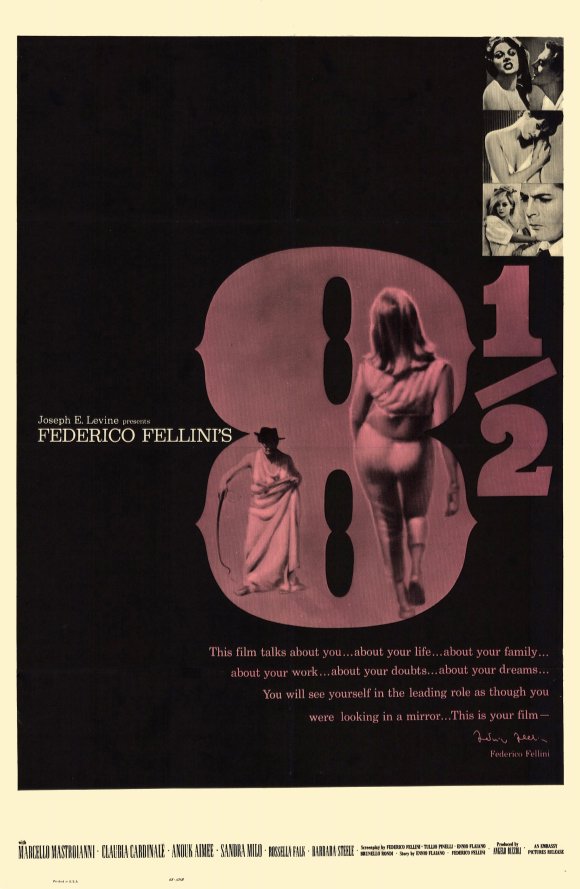

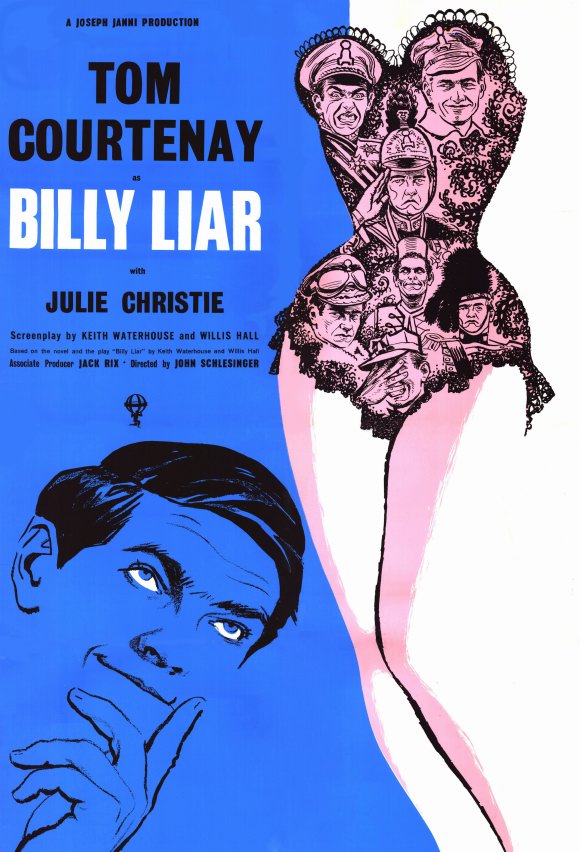

.
And the rest: America, America; The Birds; Charade; From Russia With Love; Il Gattopardo (The Leopard); The Great Escape; Lilies Of The Field; Nóż W Wodzie’ (Knife In The Water); A Shot In The Dark; This Sporting Life; Tystnaden (The Silence); Tom Jones
.
.
.
Song:
She Loves You ~ The Beatles
.
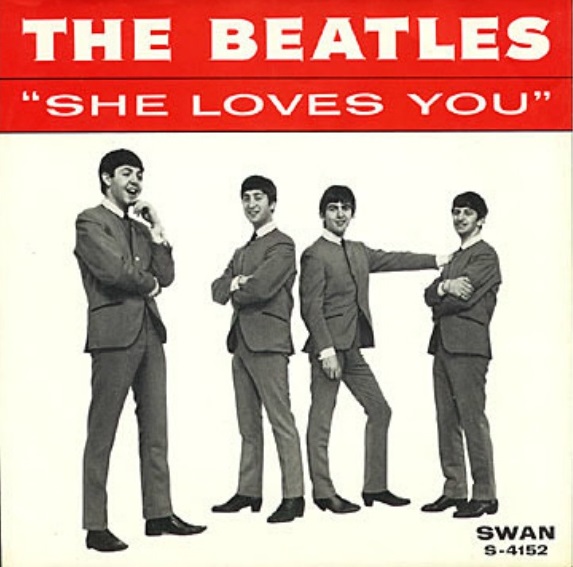
.
Writers: Lennon/ McCartney/ Released: August 1963
What George says: Instantly, from that opening drum-crash, it’s utterly impossible to resist She Loves You – just as it is at any and every other point in the song. It was the chart hit from debut album Please Please Me (1963) that truly heralded the arrival of The Beatles – with its breathless urgency, brilliant melody, perfect lyrics (‘Yeah! Yeah! Yeah!’) and cheeky ‘wooos’ – and hinted at the world domination that would be theirs just one year later.
What the critics say: “What would one would tell a Martian who landed and asked the meaning of rock and roll? The first answer would be She Loves You” ~ Greil Marcus
Chart performance: US #1/ UK #1
Recognition: Ranked #4 for 1963, #39 for the 1960s and #97 for ‘all-time’ on acclaimedmusic.net‘s cumulatively ranked ‘top songs’ lists
.
George’s runners-up: 2. Twist And Shout (The Beatles)/
3. Blowin’ In The Wind (Bob Dylan)/ 4. In My Room (The Beach Boys)/
5. Up On The Roof (The Drifters)
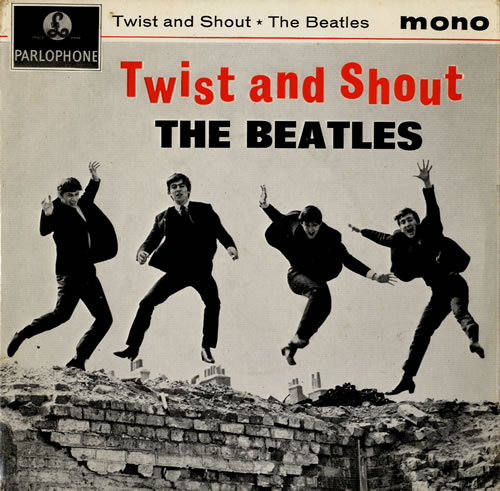

.
And the rest: Anyone Who Had A Heart (Dionne Warwick)/ Be My Baby (The Ronnettes)/ Be True To Your School; Surfin’ U.S.A.; Surfer Girl (The Beach Boys)/Blue Velvet (Bobby Vinton)/ Can’t Get Used To Losing You; Days Of Wine and Roses (Andy Williams)/ Charade (Hanry Mancini and Johnny Mercer)/ Da Doo Ron Ron (The Crystals)/ From Me To You; I Saw Her Standing There; I Want To Hold Your Hand; Please Please Me (The Beatles)/ Glad All Over (The Dave Clark Five)/ The Good Life (Tony Bennett)/ A Hard Rain’s A-Gonna Fall (Bob Dylan)/ Harlem Shuffle (Bob & Earl)/ He’s So Fine (The Chiffons)/ Heat Wave (Martha and the Vandellas)/ How Do You Do It?; I Like It; You’ll Never Walk Alone (Gerry and the Pacemakers)/ I Only Want To Be With You (Dusty Springfield)/ It’s My Party (Lesley Gore)/ On Broadway (The Drifters)/ The Pink Panther Theme (Henry Mancini)/ Puff, The Magic Dragon (Peter, Paul and Mary)/ Ring Of Fire (Johnny Cash)/ Twenty Four Hours From Tulsa (Gene Pitney)/ You Are My Sunshine (Andy Williams)
.
.
.
.
1964
.
LBJ signs Civil Rights Act into law; Wilson and Labour squeeze in; Khrushchev squeezed out;
Beatles conquer America and spark ‘British Invasion’; Tokyo hosts Olympics;
Burton and Taylor marry; Rolling Stones release debut album; Radio Caroline launches
.
Film:
.
.
Directed by: George Cukor/ Starring: Audrey Hepburn, Rex Harrison, Stanley Holloway, Wilfred Hyde-White and Jeremy Brett/ Country: USA/ 170 minutes/ (Musical)
What George says: My Fair Lady‘s easily the most lavish, graceful and intoxicating of the few Hollywood musicals that are near perfectly realised. Indeed, to fall under its spell feels much like falling under that similar spell of Audrey Hepburn herself, yet in George Cukor’s adaptation of, in turn, Lerner and Loewe’s musical adaptation of Shaw’s Pygmalion (1912), the career-defining turn comes from Rex Harrison as the cocksure linguistics expert whom gets more than he bargains for in pushing Hepburn’s Cockney flowergirl several notches up the class ladder.
What the critics say: “It is both a great entertainment and a great polemic. It is still not sufficiently appreciated what influence it had on the creation of feminism and class-consciousness in the years bridging 1914 when Pygmalion premiered, 1956 when the musical premiered, and 1964 when the film premiered. It was actually about something” ~ Roger Ebert
Oscar count: 8
Oscar’s Best Picture pick this year: My Fair Lady
The public’s pick this year: Mary Poppins (global box-office #1)
.
George’s runners-up:
2. Dr Strangelove Or: How Learned To Stop Worrying And Love The Bomb;
3. Mary Poppins; 4. Les Parapluies de Cherbourg (The Umbrellas Of Cherbourg);
5. A Hard Day’s Night


.
And the rest: Bande À Part (Band Of Outsiders); Becket; Il Deserto Rosso (The Red Dessert); A Fistful Of Dollars; Goldfinger; The Pawnbroker; Zorba The Greek; Zulu
.
.
.
Song:
Downtown ~ Petula Clark
.
.
Writer: Tony Hatch/ Released: November 1964
What George says: Taking on mid-’60s folk-rock and US soul (both enjoying dizzying rises of their own) and coming out on top because of its brilliant fusion of big band sound with a big, bouncy melody and Petula’s big, big vocals, Downtown is an ebullient, irresistible slice of (then) modern metropolitan-themed, ice-cool perfect pop.
Chart performance: US #1/ UK #2
Recognition: Won the Grammy Award for ‘Best Rock and Roll Song’ (1965)/ won the Ivor Novello Award for ‘Outstanding Song of the Year’ (1964)/ ranked #30 for 1964, #331 for the 1960s and #1,397 for ‘all-time’ on acclaimedmusic.net‘s cumulatively ranked ‘top songs’ lists
Read more about how Downtown is one of the ultimate UK chart hits here
.
George’s runners-up: 2. Baby Love (The Supremes)/ 3. You Really Got Me (The Kinks)/ 4. Oh, Pretty Woman (Roy Orbison)/ 5. Walk On By (Dionne Warwick)


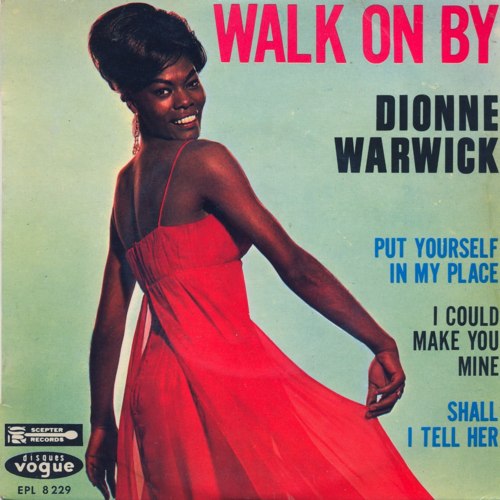
.
And the rest: All Day And All Of The Night (The Kinks)/ Almost There (Andy Williams)/ Baby, Please Don’t Go; Gloria (Them)/ And I Love Her; Can’t Buy Me Love; A Hard Day’s Night; I Feel Fine; If I Fell (The Beatles)/ As Tears Go By (Marianne Faithfull)/ Baby I Need Your Loving (The Four Tops)/ Chim Chim Cher-ee (Dick Van Dyke)/ The Crying Game (Dave Berry)/ Dancing In The Street (Martha and the Vandellas)/ Don’t Let Me Be Misunderstood; House Of The Rising Sun (The Animals)/ Fly Me To The Moon (Frank Sinatra)/ Fly Me To The Moon (Julie London)/ The Girl From Ipanema (Astrud Gilberto)/ Goldfinger (Shirley Bassey)/ I Could Have Danced All Night; Show Me (Marni Nixon)/ Don’t Worry Baby; I Get Around; When I Grow Up (To Be A Man) (The Beach Boys)/ I Just Don’t Know What To Do With Myself; Wishin’ And Hopin’ (Dusty Springfield)/ I’m Into Something Good (Herman’s Hermits)/ Just One Look (The Hollies)/ Leader Of The Pack (The Shangri-Las)/ Move Over, Darling (Doris Day)/ My Girl (The Temptations)/ My Guy (Mary Wells)/ On The Street Where You Live (Bill Shirley)/ Saturday Night At The Movies; Under The Boardwalk (The Drifters) / She’s Not There (The Zombies)/ The Shoop Shoop Song (It’s In His Kiss) (Betty Everett)/ A Spoonful Of Sugar (Julie Andrews)/ Supercalifragilisticexpialidocious! (Julie Andrews and Dick Van Dyke)/ (There’s) Always Something There To Remind Me (Sandie Shaw)/ Viva Las Vegas (Elvis Presley)/ A World Without Love (Peter and Gordon)/ Yeh, Yeh (Georgie Fame and the Blue Flames)
.
.
And coming soon…
George’s pick of the flicks
and top of the pops ~ 1965-69
.
.
Playlist: Listen, my friends! ~ May 2014



.
In the words of Moby Grape… listen, my friends! Yes, it’s the (hopefully) monthly playlist presented by George’s Journal just for you good people.
There may be one or two classics to be found here dotted in among different tunes you’re unfamiliar with or have never heard before – or, of course, you may’ve heard them all before. All the same, why not sit back, listen away and enjoy…
.
CLICK on the song titles to hear them
.
Tommy James and the Shondells ~ I Think We’re Alone Now (1967)1
Diana Ross & The Supremes ~ Supercalifragilisticexpialidocious (1967)
Barry Gray ~ Opening and Closing Themes from Joe 90 (1968)
Love Affair ~ Bringing On Back The Good Times (1969)
Mr. Bloe ~ Groovin’ With Mr. Bloe (1970)2
ZZ Top ~ Waitin’ For The Bus/ Jesus Just Left Chicago (1973)
Fleetwood Mac ~ Rhiannon (1976)3
John Inman ~ I’m Free (1977)
Blondie ~ I Feel Love (1979)
Big Country ~ In A Big Country (1983)
Kate Capshaw ~ Anything Goes (1984)4
Paul Hardcastle ~ The Wizard (theme from Top Of The Pops) (1986)5
John Barry ~ Peggy Sue’s Homecoming (1986)6
.
1 The original version (US #4) of the tune nowadays better recalled for Tiffany’s mega-hit version from 1987 (#1 in the US, UK and Canada); incidentally, Tiffany’s effort was followed to the top of the charts in the US by Billy Idol’s take on Mony Mony, another song originally recorded by Tommy James and the Shondells
2 Somewhat surprisingly perhaps, the pianist with Mr. Bloe (the one-off band of musicians that scored a one-hit wonder with this track – UK #2 in 1970 and only held off the top spot by Mungo Jerry’s ubiquitous In The Summertime) was Zack Laurence, whom years later would come up with Forcefield, the theme for the yuppies-as-contestants-featuring, hit Channel 4 activity gameshow The Crystal Maze (1990-95)
3 This awesome rendition of the classic hit was performed on a June ’76 edition of the NBC late-night music show The Midnight Special (1973-81)
4 From the opening scene of Indiana Jones And The Temple Of Doom (1984), sung in Cantonese by Capshaw (night club chanteuse Willie Scott in the movie)
5 This clip, yes, does feature the composer performing his own theme for Top Of The Pops (April ’86-September ’91) on an October ’86 edition of the show itself; it hit #15 in the UK charts that year
6 From the Francis Ford Coppola-directed Kathleen Turner/ Nicolas Cage-starrer Peggy Sue Got Married (1986)
.
Yvonne Elliman/ Stevie Nicks ~ Seventies Songstresses
.


.
Talent…
.
… These are the lovely ladies and gorgeous girls of eras gone by whose beauty, ability, electricity and all-round x-appeal deserve celebration and – ahem – salivation here at George’s Journal…
.
Ah, Easter, eh? A period of positive, joyful rebirth, you might say; well, there’s little that’s new or a rebirth about this post, given it’s the latest in this blog’s long line of pictorial tributes to terrifically talented beauties. I say that, but actually there is an Easter connection, as the first of its two subjects is the star of the monster rock musical that’s Jesus Christ Superstar, namely the Hawaiian honey we’d all like to have (but can’t), Yvonne Elliman. And the other’s Fleetwood Mac’s magnificently radiant and a wee bit crazy filly, Ms Stevie Nicks. So, bedeck their microphones with garlands of flowers, peeps, for here they come, the latest pair to enter this blog’s Talent corner…
.
Profiles
Names: Yvonne Marianne Elliman/ Stephanie ‘Stevie’ Lynn Nicks
Nationalities: American
Professions: Singer and actress/ Singer, songwriter and philanthropist
Born: December 29 1951, Honolulu, Hawaii/ May 26 1948, Phoenix, Arizona
Known for: Yvonne – performing the role of Mary Magdalene in the original 1970 concept album of Jesus Christ Superstar and later playing the part in both the rock musical’s Broadway production and film adaptation (1973), from which she enjoyed a chart hit with the tune I Don’t Know How To Love Him (1971) and later scored another with the pair of Bee Gees-penned songs Love Me (1976) and If I Can’t Have You (1977), the latter of which was a US #1 and appeared in both the disco drama blockbuster Saturday Night Fever (1977) and on its iconic soundtrack album/
Stevie – with legendary Anglo-American rock band Fleetwood Mac, writing and flamboyantly performing many iconic chart hits from the albums Fleetwood Mac (1976), Rumors (1977), Tusk (1979) and Mirage (1982), such as Landslide, Rhiannon (both 1976), Dreams, Gold Dust Woman (both 1977), Tusk, Sara (1979) and Gypsy (1982). In her pre-Fleetwood years she was in a musical and amorous partnership with Lindsey Buckingham, with whom she joined the band, leading to her (and Mac’s) finest years being detailed by the failed incestuous affairs among its members. In the early ’80s she launched a highly successfully solo career, kicking off with the acclaimed album Bella Donna (1981) and its major chart hit Edge Of Seventeen (1982).
Strange but true: Yvonne sang backing vocals on Eric Clapton’s US #1 cover of Bob Marley’s I Shot The Sheriff (1974) and, a native of Honolulu, appeared in a double episode of classic cop drama Hawaii Five-0 (1968-80); Stevie married Kim Anderson, the widow of her friend Robin, shortly after the latter’s death in 1982, believing together they could raise the couple’s baby daughter, but they divorced just eight months later.
Peak of fitness: Yvonne – although delicate and lovely in Jesus Christ Superstar, it pretty much has to be while she’s passionately and fantastically belting out If I Can’t Have You back in ’77 (see it here)/ Stevie – again, it has to be in her mystically flamboyant, shawl-adorned stage persona from the mid- to late ’70s – this performance of Rhinannon is a particularly unforgettable experience.
.
CLICK on the images for full-size
.
.

.
.
.

.


.



.


.




.

.


.

.

.

.


.
.


.


.

.

.
.

.


.
.

.


.
.

.

.


.
.

.

.
.

.
Just under a month ago, George’s Journal celebrated its fourth anniversary of peddling to peeps images, reviews and (I’d like to think) opinionated but balanced articles on all things cultural from – primarily – the ’60s, ’70s and ’80s. But how so? Well, in something of an ambitious mood, yours truly decided to mark the blog’s fourth birthday with a couple of posts dedicated to celebrating first ‘Talent‘ and then ‘Legends‘ representing each year of a 40 year- (a suitable multiple for a fourth birthday, see?) period, namely 1950-89.
Yes, it was something of a challenge – but nothing like the challenge I set myself next. For, I mused, how fun might it be to follow up that pair of posts with a series of ones that allowed me to opine on (what I consider to be) the greatest single film and greatest single song from each of those same 40 years? How fun, indeed. Basically, folks, I’m regretting it a little already, so consuming is it becoming. But, don’t get me wrong, it’s certainly proving interesting and fun too.
So, anyway, here’s the second in the series’ posts (see the first post here), which focuses on the second half of the ’50s, the era when rock ‘n’ roll collided with the American songbook and the largesse of Lean met the experimentation of Hitchcock – in short, it’s the greatest flicks and tunes, no less, from 1955-59…
.
.
CLICK
on the film and song titles for video clips…
.
.
.
.
1955
.
Warsaw Pact formed; Rosa Parks on the bus; Eden replaces Churchill;
Bill Haley rocks around the clock; James Dean killed; first McDonald’s served;
Disneyland opens; Eisenhower sends advisors to Vietnam; ITV debuts; Scrabble goes on sale
.
Film:
.

.
Directed by: Alexander Mackendrick/ Starring: Katie Johnson, Alec Guinness, Cecil Parker, Herbert Lom, Peter Sellers, Danny Green and Frankie Howerd/ Country: UK/ 97 minutes (Crime-black comedy)
What George says: Pre-Eon’s Bond, the Carry Ons and the British film industry’s ’80s/ ’90s reinvigoration, the best of the Ealing comedies were the jewel in its crown, and to watch The Ladykillers it’s easy to see why. A smart, tight, near perfectly executed caper, whose warmth and delight generated by its central character, Johnson’s elderly but redoubtable Mrs Wilberforce, is balanced (if not slyly undermined) by the deceitful, cynical ruse pursued by Guinness’s wonderfully oleaginous oddball and his gang of heavies, spivs and cowardly amateurish crims.
What the critics say: “The subtext of The Ladykillers was the stultifying conservatism of contemporary Britain. Mrs Wilberforce and her similarly aged friends represent the continuing weight of Victorian England holding back progress and innovation (that this innovation is represented here as robbery and murder gives some indication of the ambiguity of Mackendrick’s vision)” ~ Mark Duguid
Oscar count: 0
Oscar’s Best Picture pick this year: Marty
The public’s pick this year: Lady And The Tramp (US box-office #1)
George’s runners-up: 2. The Night Of The Hunter; 3. Rififi; 4. Les Diaboliques (Diabolique/ The Devils/ The Fiends); 5. Rebel Without A Cause
And the rest: East Of Eden; Guys And Dolls; Kiss Me Deadly; Lady And The Tramp; The Man With The Golden Arm; Marty; Oklahoma!; The Seven Year Itch; The Trouble With Harry
.
.
.
Song:
In The Wee Small Hours Of The Morning ~
Frank Sinatra
.

.
Writers: David Mann and Bob Hilliard
What George says: Slow, sweet and mellifluously melancholic, this is undoubtedly one of the perfect Sinatra tracks. A product of arguably his golden mid-’50s period of recordings, it could have been a little twee next to the grandeur of the likes of the previous year’s Come Rain Or Shine or Night And Day, yet thanks to the master chanter‘s fantastic phraseology and Nelson Riddle’s exquisite orchestration it’s a work of haunting, delicious excellence.
What the contemporary says: In his autobiography Blue All Around Me (1999), B B King declares himself a ‘Sinatra nut’ and that at one time he ‘went to bed every night listening to In The Wee Small Hours (1955), the album on which In The Wee Small Hours Of The Morning is the opening track.
.
George’s runners-up: 2. Tutti Frutti (Little Richard)/ 3. Mannish Boy (Muddy Waters)/ 4. Un Bel Dì (Maria Callas)/ 5. Memories Are Made Of This (Dean Martin)
And the rest: Ain’t That A Shame (Fats Domino)/ Dambusters March (Eric Coates)/ Folsom Prison Blues (Johnny Cash)/ I Hear You Knocking (Smiley Lewis)/ Love And Marriage; Love Is (The Tender Trap) (Frank Sinatra)/ Luck Be A Lady (Marlon Brando)/ Love Me Or Leave Me; My Funny Valentine; That Old Black Magic; Something’s Gotta Give (Sammy Davis, Jr.)/ Mack The Knife (Louis Armstrong)/ Mambo Italiano (Dean Martin)/ Maybellene (Chuck Berry)/ Oklahoma! (Cast of Oklahoma! (1955)/ Only You (The Platters)/ People Will Say We’re In Love; The Surrey With The Fringe On Top (Gordon McRae and Shirley Jones)/ Rock Around The Clock; Shake, Rattle And Roll (Bill Haley & His Comets)/ Sit Down, You’re Rocking The Boat (Stubby Kaye)/ The Wallflower (Roll With Me Henry) (Etta James)
.
.
.
.
1956
.
Suez Crisis; Elvis shakes his hips; Eisenhower back in;
Hungarian Revolution; Castro lands in Cuba; Grace Kelly becomes a real princess;
Melbourne hosts Olympics; Look Back In Anger debuts on UK stage; Monroe marries Arthur Miller
.
Film:
.

.
Directed by: Laurence Olivier/ Starring: Laurence Olivier, Ralph Richardson, John Gielgud, Claire Bloom, Laurence Naismith, Cedric Hardwicke and Stanley Baker/ Country: UK/ 159 minutes (Shakespeare adaptation)
What George says: A bit of a cheat this one, as it was released in the UK in ’55, but it was in ’56 when in the US it premiered in tandem at cinemas and on TV, netting huge viewing figures on the latter. Criticised on release for its staginess when compared to Olivier’s previous Bard flicks, it’s nonetheless crammed with the cream of seasoned Brit acting talent, not least Larry himself, delivering a mesmeric performance as the Machiavellian-and-a-half ‘Crookback King’, whose stark exploits of usurpation seem emphasised by the photography’s bold colours. A dynamic and essential collision of old-school UK thesping and postwar Anglo-American multimedia.
What the critics say: “[It] may have done more to popularise Shakespeare than any other single work. When shown on US television that same year, the resulting audience (estimated at between 25 and 40 million) would have outnumbered the sum total of the play’s theatrical audiences over the 358 years since its first performance” ~ Michael Brooke
Oscar count: 0
Oscar’s Best picture pick this year: Around The World In 80 Days
The public’s pick this year: The Ten Commandments (global box-office #1)
George’s runners-up: 2. The Searchers; 3. High Society; 4. Giant; 5. The King & I
And the rest: Anastasia; Around The World In 80 Days; Bigger Than Life; Bus Stop; Forbidden Planet; The Killing; Le Monde du Silence (The Silent World); Reach For The Sky; The Ten Commandments
.
.
.
Song:
Hound Dog ~ Elvis Presley
.
.
Writers: Jerry Leiber and Mike Stoller/ Released: July 1956
What George says: To beat Ella Fitzgerald’s definitive version of Where Or When as this year’s top of the pops, it’s got to be some tune and, well, this one’s among the most important, nay among the greatest in all music history, given it’s the one that quickly became the anthem of the oh-so quickly dominant rock ‘n’ roll. It didn’t need Elvis’s shakin’ hips to hook you, merely a listen to that driving rhythm, those handclaps, that punchy guitar, those crashing drums at the end of every verse and, of course, Presley’s irresistible vocals. Sixty years later, it still sounds fresh as a – very cool – daisy; back then it sounded like the future, pretty much because it was.
What the contemporary says: “What got me into the whole thing in the beginning wasn’t songwriting. When Hound Dog came across the radio, there was nothing in my mind that said, ‘Wow, what a great song, I wonder who wrote that?’ … It was just… it was just there” ~
Bob Dylan
Chart record: US #2 (#1 on both the US R&B and C&W charts)
Recognition: Inducted into the Grammy Hall of Fame (1988)/ ranked #2 for 1956, #8 for the 1950s and #69 for ‘all-time’ on acclaimedmusic.net‘s cumulatively ranked ‘top songs’ lists
.
George’s runners-up: 2. Where Or When (Ella Fitzgerald)/ 3. Who Wants To Be A Millionaire? (Frank Sinatra and Celeste Holm)/ 4. Why Do Fools Fall In Love (Frankie Lymon & The Teenagers)/ 5. Day-O (The Banana Boat Song) (Harry Belafonte)
All the rest: Be-Bop-A-Lula (Gene Vincent and His Blue Caps)/ Blue Suede Shoes; Heartbreak Hotel; Love Me Tender (Elvis Presley)/ Can’t Help Lovin’ That Man; Cry Me A River; September In The Rain; S’ Wonderful; Where Or When (Julie London)/ Ev’rytime We Say Goodbye; Let’s Do It (Let’s Fall In Love) (Ella Fitzgerald)/ The Girl Can’t Help It; Long Tall Sally (Little Richard)/ The Great Pretender (The Platters)/ I Walk The Line (Johnny Cash)/ Just Walkin’ In The Rain (Johnnie Ray)/ Now You Has Jazz (Bing Crosby and Louis Armstrong)/ Roll Over Beethoven (Chuck Berry)/ See You Later Alligator (Bill Haley & His Comets)/ True Love (Bing Crosby and Grace Kelly)/ Well, Did You Evah! (Frank Sinatra and Bing Crosby)
.
.
.
.
1957
.
Sputnik 1, first space satellite, orbits Earth; Eden out, Macmillan in;
EEC established; On The Road and Atlas Shrugged published;
West Side Story debuts on Broadway; Lennon and McCartney meet; first Frisbee sold
.
Film:
.
.
Directed by: David Lean/ Starring: William Holden, Alec Guinness, Jack Hawkins, Sessue Hayakawa, James Donald and Geoffrey Horne/ Country: UK/ USA/ 161 minutes/ (War film)
What George says: On the surface, a Brit-POWs-defying-their-captors-tubthumper-cum-men-on-a-mission-WWII-actioner, but dig deeper and it’s much more; a work of satirical near genius from David Lean. The first of his spectacular epics, it has the thrills, spills and scenic money-shots for which he’d become renowned, but more satisfyingly – and significantly – an acerbic line of subversion throughout, with the ‘bad guy’ turning out to be the most stoic Brit in South East Asia whom, going off his rocker colludes with the enemy in a project reluctant, sardonic William Holden must destroy. Ultimately an examination of the absurdity of war, it’s way more black comic than Colonel-Bogey-triumphant, with an outstanding turn from Alec Guinness. Again.
What the critics say: “David Lean has directed it so smartly and so sensitively for image and effect that its two hours and forty-one minutes seem no more than a swift, absorbing hour. In addition to splendid performance, he has it brilliantly filled with … the atmosphere of war’s backwash and the jungle … touched startlingly with humour, heart and shock” ~
Bosley Crowther
Oscar count: 7
Oscar’s Best Picture pick this year: The Bridge On The River Kwai
The public’s pick this year: The Bridge On The River Kwai (global box-office #1)
George’s runners-up: 2. Sweet Smell Of Success; 3. Det Sjunde Inseglet (The Seventh Seal);
4. 12 Angry Men; 5. Paths Of Glory
And the rest: Heaven Knows, Mr Allison; Kumonosu-Jō (Throne Of Blood); The Incredible Shrinking Man; Le Notti di Cabiria (Nights Of Cabiria); Pal Joey; The Prince And The Showgirl; Sayonara; Smultronstället (Wild Strawberries)
.
.
.
Song:
Peggy Sue ~ Buddy Holly and The Crickets
.
.
Writers: Buddy Holly, Jerry Allison and Norman Petty/ Released: September 1957
What George says: Considered by many the finest recording Buddy and his Crickets committed to tape in their tragically brief career, Peggy Sue is pretty much the perfect rock ‘n’ roll ballad. Incredibly catchy, genuinely unforgettable and easily impersonated (as it has been trillions of times), it’s actually Holly’s idiosyncratic interpretation of his lyrics and the wonderfully infectious rumbling of those paradiddles on Jerry Allison’s drums that get you on repeat listens. As well as, of course, the sheer simple, perfect purity of the tune.
What the critics say: “An early work of rock genius. Holly and The Crickets created a penetrating slab of early, guitar driven blues … listening to it today, the track still sounds fresh and original” ~ nme.com
Chart record: US #3/ UK #6
Recognition: Inducted into the Grammy Hall of Fame (1999)/ ranked #4 for 1957, #17 for the 1950s and #110 for ‘all-time’ on acclaimedmusic.net‘s cumulatively ranked ‘top songs’ lists
.
George’s runners-up: 2. Not Fade Away (Buddy Holly and The Crickets)/ 3. Jailhouse Rock (Elvis Presley)/ 4. When I Fall In Love (Nat King Cole)/ 5. Great Balls Of Fire (Jerry Lee Lewis)
And the rest: All Shook Up (Elvis Presley)/ All The Way; The Lady Is A Tramp (Frank Sinatra)/ Baby, It’s Cold Outside (Sammy Davis, Jr. and Carmen McRae)/ Blueberry Hill (Fats Domino)/ Bye Bye Love; Wake Up Little Susie (The Everly Brothers)/ Catch A Falling Star (Perry Como)/ Everyday; Oh Boy!; Rave On; That’ll Be The Day (Buddy Holly and The Crickets)/ Have I Told You Lately That I Love You? (Eddie Cochran)/ Lucille (Little Richard)/ Reet Petite (Jackie Wilson)/ Someone To Watch Over Me (Sammy Davis, Jr.)/ Summertime (Ella Fitzgerald and Louis Armstrong)/ Whole Lotta Shakin Goin’ On (Jerry Lee Lewis)
.
.
.
.
1958
.
Khrushchev becomes Soviet Premier; De Gaulle leads the Gauls again; Notting Hill riots;
Pelé and Brazil’s first World Cup; Munich Air Crash; CND established – instantly adopts ‘peace symbol’;
first motorway and parking meters come to UK; Elvis in the army; Blue Peter debuts
.
Film:
.
.
Directed by: Alfred Hitchcock/ Starring: James Stewart, Kim Novak, Barbara Bel Geddes and Tom Helmore/ Country: USA/ 129 minutes/ (Psychological thriller)
What George says: Overrated by today’s critics it may, but Vertigo‘s still a highly impressive, very important and far-from-easy-to-pin-down flick. Ostensibly a San Francisco-set melodramatic thriller that twirls around a premise as far-fetched as anything you’ll see in a Poirot or Columbo episode, it nonetheless takes twists and turns you simply don’t expect and slowly becomes a haunting voyage into unrequited love/ lust, melancholia and, most of all, obsession. Photographed as beautifully as any film you care mention, it also features one of the movies’ finest scores from Bernard Herrmann and popularised the disorienting ‘dolly zoom’ shot.
What the critics say: “Hitchcock turned a cleverly plotted book … into an acute psychological fable and a dark, romantic poem. In so doing, he deliberately disrupts the narrative and disturbs the audience’s normal expectations … Vertigo is, among other things, about the way men exploit women. Only at a second viewing can its complexity be properly understood; it rewards endless revisits” ~ Philip French
Oscar count: 0
Oscar’s Best Picture pick this year: Gigi
The public’s pick this year: South Pacific (US box-office #1)
George’s runners-up: 2. Kakushi Toride No San Akunin (The Hidden Fortress); 3. Touch Of Evil; 4. Cat On A Hot Tin Roof; 5. Dracula
And the rest: Les Amants (The Lovers); The Defiant Ones; Gigi; Ice Cold In Alex; Ivan Grozniy (Ivan The Terrible: Parts I and II); Mon Oncle (My Uncle); The Seventh Voyage Of Sinbad; Some Came Running
.
.
.
Song:
Johnny B. Goode ~ Chuck Berry
.

.
Writer: Chuck Berry/ Released: March 1958
What George says: A legendary slice of rock ‘n’ roll, often imitated (perhaps most memorably by Marty McFly in 1985’s Back To The Future), but never bettered, Chuck Berry’s original version may boast one of the purest, (to the ear, at least) simplest and greatest pieces of guitar playing ever committed to record, but – not least because of his semi-autobiographical lyrics – it’s also bursting with the exuberance to which countless future rock and pop songs would aspire. All that, and it kicks-off with possibly the most unmistakeable intro in all guitar music.
What the critics say: “Johnny B. Goode is the supreme example of Berry’s poetry in motion. The rhythm section rolls with freight-train momentum, while Berry’s stabbing, single-note lick in the chorus sounds, as he put it, ‘like a-ringin’ a bell’ – a perfect description of how rock & roll guitar can make you feel on top of the world” ~ Rolling Stone
Chart record: US #8
Recognition: Inducted into the Grammy Hall of Fame (1999)/ ranked #1 for 1958, #1 for the 1950s and #7 for ‘all-time’ on acclaimedmusic.net‘s cumulatively ranked ‘top songs’ lists/ ranked #1 on Rolling Stone‘s ‘100 Greatest Guitar Songs Of All-Time’ list (2008)
.
George’s runners-up: 2. All I Have To Do Is Dream (The Everly Brothers)/ 3. My Baby Just Cares For Me (Nina Simone)/ 4. Fever (Peggy Lee)/ 5. Smoke Gets In Your Eyes (The Platters)
And the rest: At The Hop (Danny and the Juniors)/ Bewitched (Bewitched, Bothered And Bewildered) (Sammy Davis, Jr.)/ Chantilly Lace (The Big Bopper)/ C’mon Everybody; Summertime Blues (Eddie Cochran)/ Dream A Little Dream Of Me (Dean Martin)/ Good Golly Miss Molly (Little Richard)/ Heartbeat (Buddy Holly)/ King Creole (Elvis Presley)/ Magic Moments (Perry Como)/ Main Theme from Vertigo (Bernard Herrmann)/ Maybe Baby (Buddy Holly and The Crickets)/ Volare (Domenico Modugno)/ On Green Dolphin Street (Miles Davis)/ Rebel-‘Rouser (Duane Eddy)/ Rockin’ Robin (Bobby Day)/ Scene d’Amour from Vertigo (Bernard Herrmann)/ Splish Splash (Bobby Darin)/ Stupid Cupid (Connie Francis)/ Yakety Yak (The Coasters)
.
.
.
.
1959
.
Cuban Revolution; Alaska and Hawaii become 49th and 50th US states; the Mini takes to the road;
first human dies from HIV; ‘the day the music died’; Motown Records begins recording;
first photocopier copies; Astérix hits the bookshelves; Barbie makes her bow
.
Film:
.

.
Directed by: Billy Wilder/ Starring: Tony Curtis, Jack Lemmon, Marilyn Monroe, Joe E Brown, George Raft, Pat O’ Brien, Joan Shawlee, Dave Barry and Nehemiah Persoff/ Country: USA/ 121 minutes/ (Screwball-crime comedy)
What George says: A seamless, peerless melding of screwball farce, crime caper and romcom, Wilder’s masterpiece may have harked back to the past (the Prohibition era and, via delicious touches and casting nods, the gangster flicks it saw Hollywood churn out), but also adroitly looked forward with its blink-and-you’ll-miss-a-gag pace, extremely witty script and racy boys-as-girls and boys-fancying-boys-as-girls japes. Indeed, anyone versed in Shakespeare knows cross-dressing’s funny, but it’s never funnier than here, as Wilder expertly guides Lemmon (hilarious) and Curtis (eerily brilliant and also tremendous channelling Cary Grant) through all their costume changes, as they try to fool both the mob and a wonderfully winning Monroe.
What the critics say: “One of the enduring treasures of the movies, a film of inspiration and meticulous craft” ~ Roger Ebert
Oscar count: 1
Oscar’s Best Picture pick this year: Ben-Hur
The public’s pick this year: Ben-Hur (US box-office #1)
George’s runners-ups: 2. North By Northwest; 3. Les Quatre Cent Coups (The 400 Blows); 4. Anatomy Of A Murder; 5. Room At The Top
And the rest: Ben-Hur; The Diary Of Anne Frank; I’m All Right, Jack; Imitation Of Life; The Nun’s Story; Orfeu Negro (Black Orpheus); Pillow Talk; Sleeping Beauty; Suddenly, Last Summer; Tiger Bay
.
.
.
Song:
Take Five ~ The Dave Brubeck Quartet
.
.
Writers: Paul Desmond/ Released: June 1959
What George says: That piano vamp, that oh-so cool sax melody and that jittery drum solo, all wrapped up in unusual 5/4 (quintuple) time. Take Five is maybe the epitome of mainstream jazz; as smooth as silk, as accessible as a can of Coke and as irresistible as Audrey Hepburn – no wonder it (easily) became the biggest selling jazz single of all-time. Instantly recognisable and a TV ad man’s dream it may be, it’s also surely one of the greatest crossover tracks in the history of consumable music.
What the critics say: “Take Five, despite its overexposure, really is a masterpiece; listen to how well [Paul] Desmond’s solo phrasing fits the 5/4 meter, and how much Joe Morello’s drum solo bends time without getting lost” ~ Steve Huey
Chart record: US #25 (1961 re-release)
Recognition: Ranked #11 for 1959, #90 for the 1950s and #982 for ‘all-time’ on acclaimedmusic.net‘s cumulatively ranked ‘top songs’ lists
.
George’s runners-up: 2. Beyond The Sea (Bobby Darin)/ 3. Shout (The Isley Brothers)/ 4. Sea Of Love (Phil Phillips)/ 5. I Only Have Eyes For You (The Flamingos)
And the rest: Dream Lover; Mack The Knife (Bobby Darin)/ Chega de Saudade (João Gilberto)/ High Hopes (Frank Sinatra)/ La Bamba (Richie Valens)/ Hippy Hippy Shake (Chan Romero)/I Wanna Be Loved By You; I’m Through With Love; Runnin’ Wild (Marilyn Monroe)/ Lipstick On Your Collar (Connie Francis)/ Main Theme from North By Northwest (Bernard Herrmann)/ Peggy Sue Got Married; Raining In My Heart (Buddy Holly)/ Once Upon A Dream (Mary Costa and Bill Shirley)/ So What (Miles Davis)/ A Teenager In Love (Dion and the Belmonts)/ Theme From A Summer Place (Hugo Winterhalter)/ Three Cool Cats (The Coasters)/ What A Diff’rence A Day Makes (Dinah Washington)
.
.
And coming soon:
George’s pick of the flicks
and top of the pops ~ 1960-64
.

.
Playlist: Listen, my friends! ~ April 2014
.
In the words of Moby Grape… listen, my friends! Yes, it’s the (hopefully) monthly playlist presented by George’s Journal just for you good people.
There may be one or two classics to be found here dotted in among different tunes you’re unfamiliar with or have never heard before – or, of course, you may’ve heard them all before. All the same, why not sit back, listen away and enjoy…
.
CLICK on the song titles to hear them
.
Doris Day ~ Que Sera Sera (1956)1
Herb Alpert And The Tijuana Brass ~ Zorba The Greek (1965)
Traffic ~ 40,000 Headmen (1968)
Hugo Monenegro ~ MacArthur Park (1969)2
Smith ~ Baby It’s You (1969)
Lalo Schifrin ~ Scorpio’s Theme from Dirty Harry (1971)
Anthony Newley ~ Pure Imagination (1971)3
Yvonne Elliman ~ Love Me (1976)
Jeff Wayne featuring Richard Burton ~ The Red Weed (Part 1) from Jeff Wayne’s Musical Version Of The War Of The Worlds (1978)
Dan Hartman ~ Instant Replay (1978)
The Flying Pickets ~ Only You (1983)4
The Dream Academy ~ Power To Believe (Instrumental) from Planes, Trains And Automobiles (1987)
Danny John-Jules ~ Theme from Maid Marian And Her Merry Men (1989)
.
1 Fondly recalled by all and sundry as a Doris Day standard this may be, but it actually originated from Hitchcock’s 1956 Hollywood remake of The Man Who Knew Too Much, his 1934 thriller in which a man and wife attempt to locate their kidnapped child (as illustrated in this clip). The song rightly won 1956’s Best Original Song Oscar
2 Curiously, this composition from Montenegro’s 1969 Good Vibrations album sounds much less like Jimmy Webb’s classic song of the same name (made famous by Richard Harris’s hit 1967 version) than it does Pete Moore’s Asteroid, the Pearl & Dean advertising theme familiar to millions of UK cinemagoers
3 A rare version of the classic tune (sung by Gene Wilder’s protagonist in 1971’s Willy Wonka and The Chocolate Factory), here peformed by the man whom, along with Leslie Bricusse, composed it; Newley and Bricusse also wrote the lyrics (to John Barry’s music) for Shirley Bassey’s Goldfinger (1964)
4 This outstanding a-cappella version of the Yazoo song (1982) managed to go more than one better than the original UK #2-hitting original – not only did it make it to #1 in Blighty, but it also did so in time for Crimbo, making it 1983’s Christmas #1; in total, it was at the summit of the charts for five weeks. Christopher Ryan, who would go on to play Rick in anarchic sitcom The Young Ones (1982-84), was an original member of the group but left before they hit the big time.
.
George’s (extended) fourth birthday: pick of the flicks and top of the pops ~ 1950-54
.
Well, I suppose it had to happen sooner or later… yes, one day yours truly, the man behind George’s Journal, would cave and offer up in a series of (most likely ill-advised, very likely insanity-inducing) posts, his selection of the very best movie and the very best song from each of the years his blog likes to concern itself with.
And, yay, it seems the stars have so aligned themselves at this very point in time and space – following this blog’s celebration of its fourth anniversary with a pair of posts (1 and 2) dedicated to both ‘Legends‘ and ‘Talent‘ for each year of 40 years of retrospective greatness (namely, 1950-89) – that there now is the perfect excuse… sorry, perfect opportunity to ‘extend’ these self-anniversary celebrations by (hugely indulgently) bringing you good people a rundown of, yes, the pick of the flicks and the top of the pops from each annus of that quartet of decades.
In which case then, like it or not, here we go – here’s George’s (that’d be me) choices for best movie and best tune from 1950-54. Don’t blame me, peeps, some higher power forced me to undertake this venture, that great Retro God in the sky, no less. Er… yep, let’s go with that…
.
.CLICK on the film and song titles for video clips…
.
.
.
.
1950
.
Korean War begins; Truman orders construction of hydrogen bomb;
McCarthyism kicks-off; Uruguay wins second World Cup; first organ transplant
.
Film:
.

.
Directed by: Billy Wilder/ Starring: William Holden, Gloria Swanson, Erich von Stroheim, Nancy Olsen and Cecil B DeMille/ Country: USA/ 110 minutes (Film noir comedy-drama)
What George says: A near seamless marriage of classic Hollywood noir with scathing critique of Tinseltown itself, Sunset Boulevard was critically acclaimed from the very start, if (understandably) not entirely embraced by all and sundry in its home town. A beautifully crafted yet deliberately skewed classic from the Golden Age’s master of satire, it’s Billy Wilder at his very best, eliciting a performance for all-time as the monstrous, Miss Havisham-esque, faded silent-era star Norma Desmond from real-life, faded silent-era star Gloria Swanson.
What the critics say: “The fusion of writer-director Billy Wilder’s biting humor and the classic elements of film noir make for a strange kind of comedy, as well as a strange kind of film noir. There are no belly laughs here, but there are certainly strangled giggles” ~ Julie Kirgo
Oscar count: 3
Oscar’s Best Picture pick this year: All About Eve
The public’s pick this year: Cinderella (US box-office #1)
George’s runners-up: 2. Rashomon; 3. All About Eve; 4. Harvey; 5. D.O.A.
And the rest: The Asphalt Jungle; Born Yesterday; Cinderella; Father Of The Bride; Gun Crazy (Deadly Is The Female); Stage Fright; Stromboli
.
.
.
Song:
The Third Man Theme ~ Anton Karas
.

.
Writer: Anton Karas/ Released: 1949 (UK)/ 1950 (US)
What George says: Alternatively known as The Harry Lime Theme, Anton Karas’s zither-tastic instrumental isn’t just brilliant because it’s instantly recognisable (although admittedly that doesn’t hurt in the least), but because, just like the all-time classic film it soundtracks, it’s terribly seductive, sort of romantic, not-quite-sure eerie and, overall then, a work of off-kilter genius from that fascinatingly blurry, what-the-hell’s-going-on, European early post-war period.
What the critics say: “Has there ever been a film where the music more perfectly suited the action than in Carol Reed’s The Third Man?” ~ Roger Ebert
Chart record: US #1 (for 11 weeks)
.
George’s runners-up: 2. Someone To Watch Over Me (Ella Fitzgerald)/ 3. Mona Lisa (Nat King Cole)/ 4. Let It Snow! Let It Snow ! Let It Snow! (Frank Sinatra)/ 5. But Not For Me (Ella Fitzgerald)
And the rest: Bewitched (Bewitched, Bothered & Bewildered (Doris Day)/ Bibbidi-Bobbidi-Boo (Verna Felton)/ A Dream Is A Wish Your Heart Makes (Ilene Woods)/ Get Happy (Judy Garland)/ Mambo #5 (Perez Prado)
.
.
.
.
1951
.
Churchill and the Tories return to power; South Africans forced to carry ID cards;
The Goon Show begins; USA and Japan sign peace treaty – officially ending WWII (at last)
.
Film:
.

.
Directed by: John Huston/ Starring: Humphrey Bogart, Katharine Hepburn, Robert Morley, Peter Bull, Theodore Bikel, Walter Gotell, Peter Swanwick and Richard Marner/ Country: USA/ UK/ 105 minutes/ (Action-adventure)
What George says: An utter delight from start to finish, this isn’t a swashbuckling adventure in the breathless manner of Raiders Of The Lost Ark (1981), but a warm, evergreen, should-be-arduous-but-isn’t-at-all trip through the African jungle with mature, mismatched pair Bogie and Kate, throughout which the whiff of these opposites attracting one another is in the steamy, mosquito-filled air. A two-hander then for this hugely charismatic, starry duo it may be (Bogart deservedly won an Oscar; Hepburn’s even better), but much credit must go to fellow seasoned legends Huston and cinematographer Jack Cardiff for their expert work.
What the critics say: “A ripping, gripping yarn, a surprisingly erotic love story and, as it happens, a premonition of Herzog’s Fitzcarraldo (1982). Humphrey Bogart plays the boozy riverboat captain in German East Africa who with the outbreak of war in 1914 grumpily agrees to help British national Miss Sayer escape the enemy. Just as their downriver journey looks like being a metaphor for sexual initiation, it becomes an actual sexual initiation. The courage and lip-quivering vulnerability of Hepburn are tremendous” ~ Peter Bradshaw
Oscar count: 1
Oscar’s Best Picture pick this year: An American In Paris
The public’s pick this year: Quo Vadis (US box-office #1)
George’s runners-up: 2. A Streetcar Named Desire; 3. The Lavender Hill Mob; 4. Strangers On A Train; 5. An American In Paris
And the rest: Alice In Wonderland; The Man In The White Suit; A Place In The Sun; Quo Vadis; Show Boat
.
.
.
Song:
Nat King Cole
.
.
Writer: Irving Gordon/ Released: 1951
What George says: Let’s be honest, if you’ve got the cojones to give your tune this title, you’ve got to be sure it lives up to it, nay defines it. Just as well then that this simple but sublime melodic dream does exactly that, delivered with the velvet-to-a-tee vocal verisimilitude of Nat King Cole. It would go on to become his signature hit, of course, and to listen to it seems to sum up the performer himself perfectly. Pure bliss.
Chart record: US #1
Recognition: Inducted into the Grammy Hall of Fame (2000)
.
George’s runners-up: 2. Our Love Is Here To Stay (Gene Kelly)/ 3. I Got Rhythm (Gene Kelly)/ 4. The Glory Of Love (The Five Keys)/ 5. Rocket 88 (Jackie Brenston and his Delta Cats)
And the rest: Because Of You; Cold, Cold Heart (Tony Bennett)/ One For My Baby (Frankie Laine)/ The Thrill Is Gone (Roy Hawkins)/ Too Young (Nat King Cole)
.
.
.
.
1952
.
Elizabeth becomes Queen; Eva Perón dies; fog over London kills an estimated 12,000;
polio vaccine created; Jacques Cousteau discovers Ancient Greek ship in the Mediterranean
.
Film:
.

.
Directed by: Stanley Donen/ Starring: Gene Kelly, Debbie Reynolds, Donald O’Connor, Jean Hagen, Millard Mitchell and Cyd Charisse/ Country: USA/ 103 minutes/ (Musical)
What George says: Easily one of the greatest movie musicals ever made, Singin’ In The Rain (unlike Sunset Boulevard; see above) lovingly embraces and celebrates everything Hollywood, with its nostalgic retelling of the industry’s bumpy transition from silence to sound, throwing over its players – Kelly the über-hoofer, O’Connor the consumate clown and Reynolds (mother of Carrie Fisher) the breakout star – all the style, panache and Technicolor colour Tinseltown could possibly muster. A rich, joyous experience with terrific tunes and stupendous routines, it’ll plaster a grin across your chops many times before the final reel.
What the critics say: “Compounded generously of music, dance, colour, spectacle and a riotous abundance of Gene Kelly, Jean Hagen and Donald O’Connor on the screen, all elements in this rainbow program are carefully contrived and guaranteed to … put you in a buttercup mood” ~ Bosley Crowther
Oscar count: 0
Oscar’s Best Picture pick this year: The Greatest Show On Earth
The public’s pick this year: The Greatest Show On Earth (US box-office #1)
George’s runners-up: 2. Jeux Interdits (Forbidden Games); 3. Ikiru; 4. The Bad And The Beautiful; 5. High Noon
And the rest: Monkey Business; Moulin Rouge; Othello; The Quiet Man; Viva Zapata!
.
.
.
Song:
Singin’ In The Rain ~ Gene Kelly
.
.
Writers: Nacio Herb Brown and Arthur Freed
What George says: Forever synonymous with the film that took its name and used it for the terrific sequence in which H20-pelted singer Gene Kelly tap-dances his way into cinematic immortality, this has to be one of the perfect show tunes, not least when it opens up into full orchestral instrumental to allow space for Kelly’s rain-related chicanery. Its blend with the dance routine feels like kismet; a tune and routine that together express unbridled exuberance straight after the realisation you’ve fallen in love – after all, why else would you sing (and dance) in a downpour?
Recognition: Ranked #4 for 1952, #127 for the 1950s and #1582 for ‘all-time’ on allmusic.net‘s cumulatively ranked ‘top songs’ lists/ ranked #3 on the American Film Institute’s ‘100 Years… 100 Songs’ list (2004)
.
George’s runners-up: 2. Good Morning (Gene Kelly, Debbie Reynolds and Donald O’Connor)/ 3. Tenderly (Rosemary Clooney)/ 4. I Only Have Eyes For You (Billie Holiday)/ 5. Night Train (Buddy Murrow and his Orchestra)
And the rest: Because You’re Mine (Nat King Cole)/ Botch-A-Me (Ba-Ba-Baciami Piccina) (Rosemary Clooney)/ Delicado (Percy Faith)/ Here In My Heart (Al Martino)/ Make ‘Em Laugh (Donald O’Connor)/ Moses Supposes (Gene Kelly and Donald O’Connor)/ When I Fall In Love (Doris Day)
.
.
.
.
1953
.
Eisenhower inaugurated; Elizabeth II coronated; Stalin dies;
DNA discovered; Hillary and Norgay climb Everest; debut of Playboy magazine
.
Film:
Le Salaire de la Peur (The Wages Of Fear)
.

.
Directed by: Henri-Georges Clouzot/ Starring: Yves Montand, Charles Vanel, Peter van Eyck, Folco Lulli and Véra Clouzot/ Country: France/ Italy/ 131 minutes/ (Melodrama-thriller)
What George says: Overlong it may be, but this Franco-Italian-made, South American-set tale of desperate Europeans looking for any way to get out of the middle of nowhere and back home deceptively develops from a watchable melodrama into a taught thriller as the four most intriguing of them take on a death-defying job of driving trucks loaded high with nitroglycerine across 300 miles of wild roads to prevent an oil corporation’s bottom line taking a bit of a hit. Which of them will turn yellow and which dig deep and prove himself the ruthless ‘hero’? As much a study of testosterone-fuelled blokes under intense pressure as a thrill-ride in the face of high explosives, it’s thoroughly absorbing entertainment.
What the critics say: “The film’s extended suspense sequences deserve a place among the great stretches of cinema” ~ Roger Ebert/ “The excitement derives entirely from the awareness of nitroglycerine and the gingerly, breathless handling of it. You sit there waiting for the theatre to explode” ~ Bosley Crowther
Oscar count: 0 (but did win Best Film at 1953’s BAFTA Awards, the Palme d’Or award at 1953’s Cannes Film Festival and the Golden Bear award at 1953’s Berlin Film Festival)
Oscar’s Best Picture pick this year: From Here To Eternity
The public’s pick this year: Peter Pan (global box-office #1)
George’s runners-up: 2. From Here To Eternity; 3. Roman Holiday; 4. Peter Pan; 5. Gentlemen Prefer Blondes
And the rest: Genevieve; How To Marry A Millionaire; Niagara; The Robe; Stalag 17; The War Of The Worlds
.
.
.
Song:
Diamonds Are A Girl’s Best Friend ~
Marilyn Monroe
.

.
Writers: Jule Styne and Leo Robin
What George says: Fair dues, poor old Norma Jean was never a great chanteuse, but her performance of this subsequent standard from wonderful musical comedy Gentlemen Prefer Blondes is perfectly realised froth that’s rightly become the stuff of iconoclasm. A terrific on-screen tease throughout the ’50s, Monroe here delivers the ideal tease of a show number, being presented as both a (for her) traditional sexual fantasy object and a pseudo feminist gold-digger from Little Rock who’s more interested in big rocks than the male of the species. With its clever lyrics, Marilyn’s mostly coquettish singing and all-round irresistibility, it instantly became her high-glamour high-point.
What the critics say: “Marilyn Monroe’s … upbeat Diamonds are a Girl’s Best Friend, with Monroe clad in a bright pink ballgown and evening gloves, comes with an aching sense of decay and disillusion: ‘Men grow cold/ As girls grow old/ And we all lose our charms in the end/ But square-cut or pear-shaped/ These rocks don’t lose their shape/ Diamonds are a girl’s best friend’ … [It’s an assertion] of female independence; women choosing reliable diamonds over unreliable men” ~ Felicity Capon
Recognition: Ranked #12 on the American Film Institute’s ‘100 Years… 100 Songs’ list (2004)
.
George’s runners-up: 2. That’s Amore (Dean Martin)/ 3. Secret Love (Doris Day)/ 4. Mess Around (Ray Charles)/ 5. Rags To Riches (Tony Bennett)
And the rest: Dragnet (Ray Anthony)/ Hound Dog (Willie Mae ‘Big Mama’ Thornton)/ I’m Walking Behind You (Eddie Fisher)/ Never Smile At A Crocodile (Henry Calvin)/ Pretend (Nat King Cole)/ Street Scene (Alfred Newman)/ Takes Two To Tango (Louis Armstrong)/ Young At Heart (Frank Sinatra)/ Your Cheatin’ Heart (Hank Williams)
.
.
.
.
1954
.
The first nuclear submarine, USS Nautilus, is launched; report declares cigarettes cause cancer;
West Germany wins first World Cup; Roger Bannister breaks the ‘four-minute mile’
.
Film:
.
.
Directed by: Alfred Hitchcock/ Starring: James Stewart, Grace Kelly, Wendell Corey, Thelma Ritter and Raymond Burr/ Country: USA/ 118 minutes/ (Psychological thriller)
What George says: Lighter and less challenging than Vertigo (1958) and Psycho (1960) it may be, but Rear Window is Hitch at the peak of his powers. Setting himself the challenge of making a top-notch movie set entirely in a limited space (merely the larger room of a two-room apartment), the ‘master of suspense’ achieves it with bells and flashbulbs on, turning his tale of James Stewart’s wheelchair-bound amateur sleuth and his glorious fashion model girlfriend Grace Kelly suspecting and then trying to solve a murder, while spying on the neighbours, into an exercise of embroiling the audience into unwitting voyeurism too – it’s arguably one of the great coups of cinema. A sardonic delight throughout, with an astonishingly well realised and well filmed apartment-block set; Stewart’s hero may not agree, but frankly we never want him to have that leg cast removed.
What the critics say: “[Rear Window] develops such a clean, uncluttered line from beginning to end that we’re drawn through it (and into it) effortlessly. The experience is not so much like watching a movie, as like … well, like spying on your neighbours. Hitchcock traps us right from the first … And because Hitchcock makes us accomplices in Stewart’s voyeurism, we’re along for the ride” ~ Roger Ebert
Oscar count: 0
Oscar’s Best Picture pick this year: On The Waterfront
The public’s pick this year: White Christmas (US box-office #1)
George’s runners-up: 2. Shichinin No Samurai (Seven Samurai); 3. On The Waterfront; 4. White Christmas; 5. Hobson’s Choice
And the rest: Animal Farm; The Caine Mutiny; The Country Girl; Dial M For Murder; Sabrina; A Star Is Born; 20,000 Leagues Under The Sea
.
.
.
Song:
Judy Garland
.
.
Writers: Harold Arlen and Ira Gershwin
What George says: As torch songs go, it don’t get much better than this. We’re talking Edith Piaf territory here – and then some. Written for A Star Is Born, specifically the scene in which would-be-svengali James Mason discovers Judy Garland’s talent in an after-session nightclub, this slow, jazzy, melancholic, remorseful and eventually – as it builds and builds – searing tune is the one that convinces him she’s he’s the one he’s looking for. Let’s be honest, thanks to her impassioned, outstanding performance, we’re all James Mason sitting in the dark instantly falling for her.
Recognition: Nominated for the Best Original Song at 1954’s Oscars/ ranked #11 on the American Film Institute’s ‘100 Years… 100 Songs’ list (2004)
.
George’s runners-up: 2. Mambo Italiano (Rosemary Clooney)/ 3. Sway (Dean Martin)/ 4. My Funny Valentine (Sarah Vaughan)/ 5. Someone To Watch Over Me (Frank Sinatra)
And the rest: Almost Like Being In Love (Gene Kelly)/ Count Your Blessings (Instead Of Sheep) (Bing Crosby and Rosemary Clooney)/ Earth Angel (Will You Be Mine) (The Penguins)/ The Gal That Got Away; I Get A Kick Out Of You; My Funny Valentine; They Can’t Take That Away From Me (Frank Sinatra)/ Sisters (Rosemary Clooney)/ Embraceable You; September Song (Sarah Vaughan with Clifford Brown)/ La Vie En Rose (Audrey Hepburn)/ Snow; White Christmas (Bing Crosby, Danny Kaye, Rosemary Clooney and Trudy Stevens)
.
.
And coming soon…
George’s pick of the flicks
and top of the pops ~ 1955-59
.
.
George’s Journal’s fourth birthday party: forty years of undeniable legends (1950-89)

(Summer of ) Love train? a collision of legendary ’60s rock royalty as Paul McCartney and Mick Jagger share a railway carriage aboard a train leaving London’s Euston Station in 1967
So, how was the birthday cake yesterday, peeps? Must say, you really are a greedy bunch. Not only have you scoffed all that sponge, raspberry jam, cream and icing, but I get the feeling you’d like more post-related birthday party shenanigans, wouldn’t you? Just as well then I’ve another dose of pictorial near-perfection up my virtual sleeve, for here comes the second of two posts celebrating this blog’s fourth anniversary (which it’s actually celebrating this very day, don’cha know).
So, folks, following on from yesterday’s ‘Talent’-tastic offering, today’s is an image-based bumper collection of ‘Legends‘ from across this nook of the Internet’s favoured four decades past. Whether they represent the fields of film, TV, music, sport or unrivalled human achievement, the legends of the ’50s, ’60s, ’70s and ’80s are all here. Oh yes. So, let’s, each and every one of us, crack out the brandy and toast the great men of lore – oh, and George’s Journal, of course…
.
CLICK on the images for full-size
.
.
1950 ~ Nat King Cole
Making this year his by: recording one of his career-defining tunes Mona Lisa, which will top the US charts for a full four weeks and win the Oscar for Best Original Song (after appearing in the film Captain Carey, USA)
.

.
.
.
.1951 ~ Spike Milligan, Peter Sellers
and Harry Secombe
Making this year theirs by: revolutionising comedy for all-time by coming up with the first season of the nation-gripping BBC radio programme The Goon Show (1951-60)
.
.
.
.
.
1952 ~ Richard Burton
Making this year his by: unleashing his immense talent on America by making his Hollywood debut in – and winning the first of his seven Oscar nominations for – My Cousin Rachel
.

.
.
.
.
1953 ~ Edmund Hillary
Making this year his by: becoming the first human being to make it to the summit of Mount Everest, along with Nepalese sherpa extraordinaire Tenzing Norgay; he will devote much of the rest of his life to improving the lives of the Sherpa people through the Himalayan Trust
.
.
.
.
.
1954 ~ Frank Sinatra
Making this year his by: resurrecting his career by winning an Oscar for his role in From Here To Eternity (1953) and bouncing back to the top of the charts with his first two albums for Capitol Records, Songs For Young Lovers and Swing Easy!
.

.
.
.
.
1955 ~ Marlon Brando
Making this year his by: winning the first of his two Oscars (the one he didn’t turn down) and changing film acting forever thanks to a powerhouse performance in Elia Kazan’s blistering On The Waterfront (1954)
.
.
.
.
.
1956 ~ Elvis Presley
Making this year his by: becoming rock ‘n’ roll’s de facto leader thanks to his unforgettable first national TV appearances, eponymous debut album and sensational singles Heartbreak Hotel, Blue Suede Shoes, Hound Dog and Love Me Tender
.

.
.
.
.
1957 ~ Jack Kerouac
Making this year his by: having his debut novel On The Road (written in 1951) finally published, immediately catapulting him to the head of the ‘Beat Generation’ pack
.
.
.
.
.
1958 ~ David Niven
Making this year his by: confirming himself as the ultimate English-gent-Hollywood-insider by following up his turn as Phileas Fogg in Around The World In 80 Days (1956) with an Oscar-winning performance in Separate Tables
.

.
.
.
.
1959 ~ Cary Grant
Making this year his by: providing the perfectly urbane yet somehow also everyman-in-peril heroic lead to Alfred Hitchcock’s adventure masterpiece North By Northwest
.

.
.
.
.
1960 ~ John F Kennedy
Making this year his by: becoming the 35th – and youngest ever elected – President of the United States
.
.
.
.
.
1961 ~ Peter Cook, Dudley Moore,
Alan Bennett and Jonathan Miller
Making this year theirs by: setting The Establishment in their sights and ushering in a dynamic, devastating era of satire as they take their Beyond The Fringe revue to the West End
.

.
.
.
.
1962 ~ Peter O’Toole
Making this year his by: becoming an instant global star via a perfectly nuanced lead performance in the awesome Lawrence Of Arabia
.
.
.
.
.
1963 ~ Martin Luther King Jr.
Making this year his by: leading the ‘March on Washington’ and delivering his extraordinary ‘I have a dream’ speech, thereby giving the civil rights movement a momentous leap forward
.

.
.
.
.
1964 ~ Sean Connery
Making this year his by: redefining cool by sporting that white tuxedo jacket and red carnation as very special secret agent 007 in the utterly iconic Goldfinger
.
.
.
.
.
1965 ~ Bob Dylan
Making this year his by: ruffling feathers throughout the folk scene by going electric, but inspiring an entire generation by releasing the albums Bringing It Back Home and Highway 61 Revisited and the singles The Times They Are A-Changin’, Subterranean Homesick Blues, Like A Rolling Stone and Positively 4th Street
.
.
.
.
.
1966 ~ The Beatles
Making this year theirs by: recording their (and the world’s?) best ever album Revolver, while looking like the coolest people ever to have walked the Earth
.
.
.
.
.
1967 ~ Sidney Poitier
Making this year his by: headlining the trio of blockbusters Guess Who’s Coming To Dinner, In The Heat Of The Night and To Sir, With Love, making him the year’s #1 box-office star
.
.
.
.
.
1968 ~ George Best
Making this year his by: consolidating his reputation as ‘The Fifth Beatle’ by proving the catalyst in Manchester United winning football’s European Cup – the first English club to do so
.

.
.
.
.
1969 ~ Neil Armstrong, Buzz Aldrin
and Michael Collins
Making this year theirs by: going to The Moon. And, in the case of Armstrong and then Aldrin, becoming the first peeps ever to set foot and walk on it
.

.
.
.
.
1970 ~ Pelé
Making this year his by: displaying dazzling display after dazzling display in Mexico’s World Cup for the incredible Brazil, whom keep the trophy after winning it a record third time
.

.
.
.
.
1971 ~ Steve McQueen
Making this year his by: confirming his ‘King of Cool’ credentials by following up racing car drama Le Mans (1971) by filming visceral thriller The Getaway (1972) with girlfriend Ali McGraw
.
.
.
.
.
1972 ~ The Rolling Stones
Making this year theirs by: becoming tax exiles in Southern France but turning out their career masterpiece, the album Let It Bleed
.

.
.
.
.
1973 ~ David Bowie
Making this year his by: leading glam rock to dizzying heights with his Ziggy Stardust alter ego and the sensational Spiders From Mars album
.

.
.
.
.
1974 ~ Muhammad Ali
Making this year his by: regaining boxing’s World Heavyweight title for an astonishing fourth time by beating George Foreman in perhaps the sporting event of the decade, Zaire’s ‘The Rumble in the Jungle’
.

.
.
.
.
1975 ~ Dustin Hoffman, Robert Redford,
Bob Woodward and Carl Berstein
Making this year theirs by: the two Hollywood stars making the world aware, via the brilliant All The President’s Men, just how the ace Washington Post journos’ investigating precipitated the Watergate scandal
.

.
.
.
.
1976 ~ James Hunt
Making this year his by: leading an enviable jet-setting playboy lifestyle while somehow becoming the Formula 1 World Champion with race team McLaren
.
.
.
.
.
1977 ~ Roger Moore
Making this year his by: irresistibly embossing the Sir Rog brand all over his favourite Bond film The Spy Who Loved Me, ensuring summer ’77 truly was the season of 007
.

.
.
.
.
1978 ~ Morecambe and Wise
Making this year theirs by: riding the crest of the wave generated by their 1977 Christmas special attracting an audience of 28 million across Blighty – and following it up in this year’s by (despite moving from the Beeb to ITV) featuring and sending up recently stepped-down PM Harold Wilson
.

.
.
.
.
1979 ~ Tom Baker
Making this year his by: confirming his status as ‘the master’ of all Docs by seeing his City Of Death serial of Doctor Who (1963-present) attract 16 million Saturday teatime viewers
.

.
.
.
.
1980 ~ Robert De Niro
Making this year his by: delivering an utterly knock-out, Oscar-winning performance as boxing hero-to-zero Jake La Motta in Martin Scorsese’s Raging Bull
.
.
.
.
.
1981 ~ John McEnroe and Bjorn Borg
Making this year theirs by: ensuring their rivalry reaches its zenith in a climactic encounter in the Wimbledon tennis final – which saw the outspoken New Yorker (immortalising his ‘You can’t be serious!’ exclamation at this tournament) finally defeat the ice-cool Swede
.
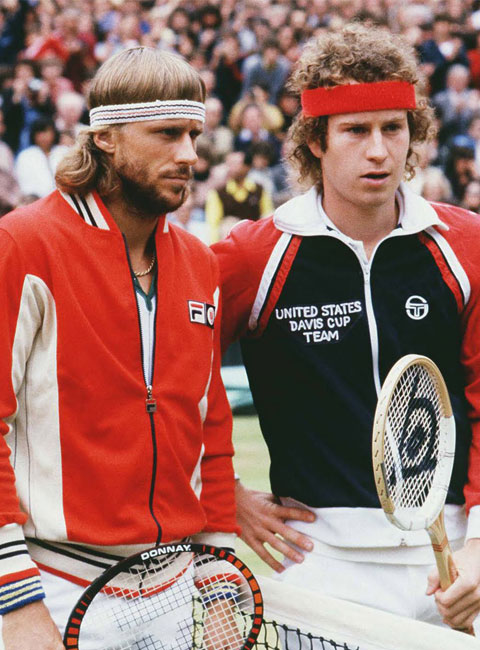
.
.
.
.
1982 ~ Harrison Ford
Making this year his by: completing an incredible three-year-hat-trick by following up The Empire Strikes Back (1980) and Raiders Of The Lost Ark (1981) with lead duties in Ridley Scott’s ingenious sci-fi noir Blade Runner (1982)
.

.
.
.
.
1983 ~ Michael Caine
Making this year his by: putting one too many box-office bombs behind him by going on to win a BAFTA and getting Oscar-nominated for maybe his best ever performance in the brilliant class-improvement-themed comedy drama Educating Rita
.
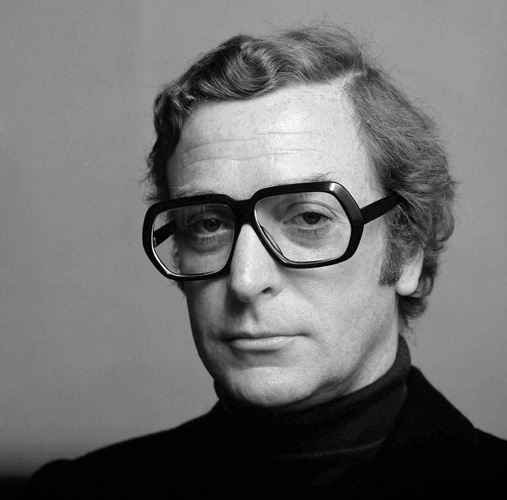
.
.
.
.
1984 ~ Daley Thompson
Making this year his by: superbly winning back-to-back Olympic decathlon gold medals in Los Angeles, then winding up Brit traditionalists by whistling God Save The Queen on the podium but charming the socks off everyone else
.

.
.
.
.
1985 ~ Michael J Fox
Making this year his by: starring in both the #1 movie at the box office and the #1 show on US TV – that’d be, respectively, Back To The Future and Family Ties (1982-89) then
.
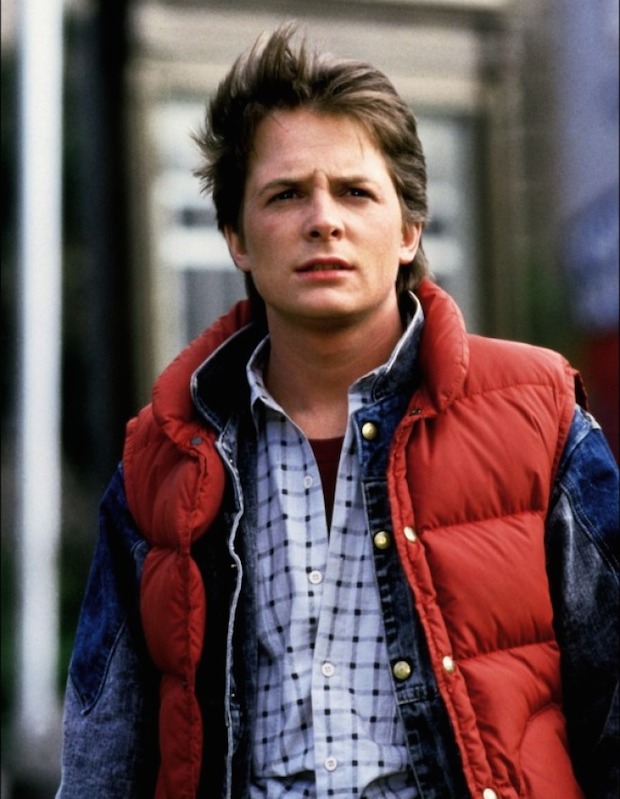
.
.
.
.
1986 ~ Freddie Mercury
Making this year his by: following up a sensational set that made 1984’s phenomenal trans-Atlantic Live Aid rock/ pop event in aid of Ethiopian famine relief with another sell-out but Queen-only gig at Wembley stadium
.

.
.
.
.
1987 ~ Paul Newman
Making this year his by: earning himself a Best Actor Oscar thanks to hitting the green beize again as ‘Fast’ Eddie Felson (from 1961’s The Hustler) in Scorsese’s The Color Of Money
.

.
.
.
.
1988 ~ Mikhail Gorbachev
Making this year his by: launching Glastnost, his programme of increased openness throughout the Soviet Union, thus taking a decisive step towards ending the Cold War (and dismantling the nation of which he’s premier)
.

.
.
.
.
1989 ~ Frank Bruno
Making this year his by: going toe-to-toe in the ring with World Heavyweight boxing champion Mike Tyson and thus becoming a British national hero – before appearing in panto
.

.
.
.
.
.
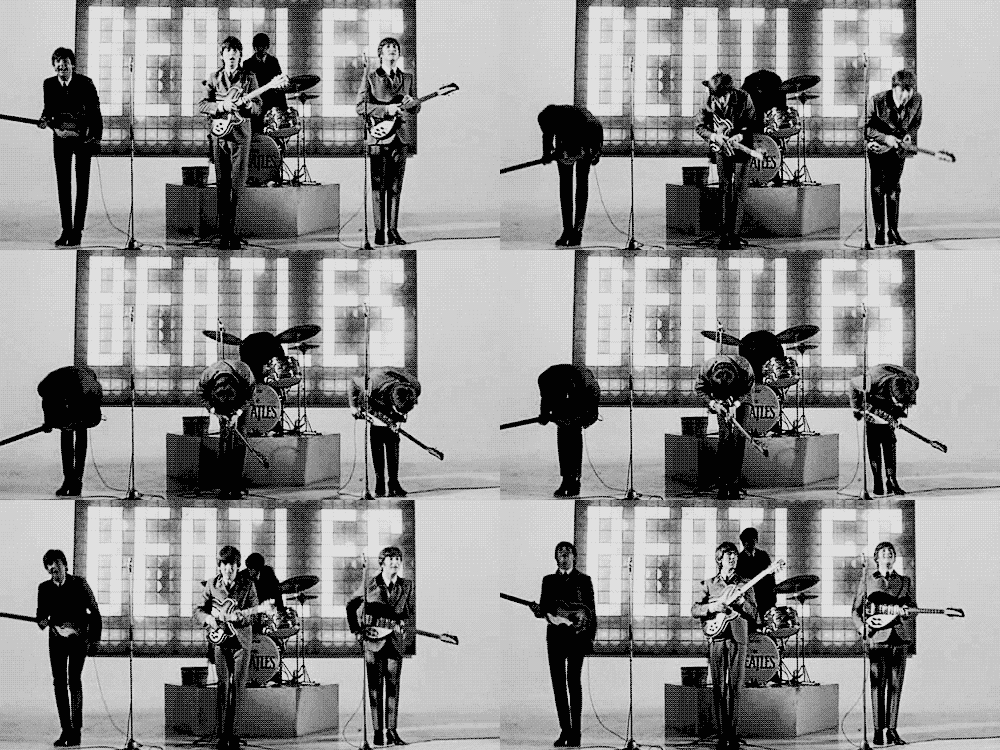
.

Mirror, mirror, on the wall, who’s the fairest of them all? the angelic Audrey Hepburn and the glorious Grace Kelly greet each other backstage at the 1955 Academy Awards ceremony
Yes, believe it or not, but this very nook of the Internet has been around for (almost exactly) four years. Tell me, have you been checking it out since the very beginning? Well, if not don’t worry, peeps, because although that means you’ll have missed out some, er, quality posts celebrating many a cultural touchstone from decades past, you’re more than invited to share in with George’s Journal‘s fourth birthday celebrations. Oh yes you are.
But following on the heels of the three posts published for the blog’s previous anniversaries (check out 2011’s here, 2012’s here and 2013’s here), just what’s coming your way this year? Well, it’s a two-legged affair, folks, the first half of which is a post of pictorial plenitude that itself celebrates some of the greatest (ahem) ‘Talent‘ to have graced the globe with their beauty and brilliance across the last 40 years (’40’ for a fourth birthday, geddit? Er, yes).
So, without further ado, let’s get the party started, shall we – but don’t all crowd round at once, chaps, there’s enough birthday cake for everyone; no really, there is, I promise…
.
CLICK on the images for full-size
.
.
.
1950 ~ Katharine Hepburn
Making waves this year for: enjoying the critical and public acclaim garnered by her husband-and-wife ‘battle of the sexes’ comedy hit Adam’s Rib, released it late ’49, in which she stars opposite love of her real-life Spencer Tracy
.

.
.
.
.
1951 ~ Rosemary Clooney
Making waves this year for: pre-White Christmas (1954) and becoming George’s aunt, recording the single Come On-A My House, which hits top spot in the US charts and stays there for eight weeks
.
.
.
.
.
1952 ~ Vera Lynn
Making waves this year for: building on her role as Blighty’s ‘forces’ sweetheart’ during World War Two by scoring a trio of UK top 10 hits, Forget-Me Not, The Homing Waltz and Auf Weiderseh’n Sweetheart – the latter of which becomes the first song by a British artist to top the US charts
.
.
.
.
.
1953 ~ Audrey Hepburn
Making waves this year for: making the world instantly fall in love with her angelic charms by starring in her Hollywood debut Roman Holiday – and going on to win an Oscar for it
.

.
.
.
.
1954 ~ Grace Kelly
Making waves this year for: sparkling opposite James Stewart in Hitchcock’s classic thriller Rear Window and giving an Oscar-winning performance in The Country Girl
.

.
.
.
.
1955 ~ Princess Margaret
Making waves this year for: for right or wrong, being denied the opportunity to marry the man she loves, Captain Peter Townshend – because he’s divorced and she’s royal. Still looks fantastic with a cigarette holder, though
.

.
.
.
.
1956 ~ Deborah Kerr
Making waves this year for: teaching the kids (and Yul Brynner) how to fall in love with her in The King And I
.

.
.
.
.
1957 ~ Julie London
Making waves this year for: hitting her prime on the hit-parade and in Hollywood
.
.
.
.
.
1958 ~ Brigitte Bardot
Making waves this year for: after becoming an icon for all-time in Roger Vadim’s Et Dieu… Créa La Femme (And God Created Woman) (1956), solidifying her ‘B.B.’ brand
.


.
.
.
.
1959 ~ Elizabeth Taylor
Making waves this year for: receiving her second Oscar nomination for Tennessee Williams adaptation Suddenly, Last Summer and filming the hard-hitting drama for which she’ll win her first, Butterfield 8 (1960), while securing Hollywood’s (then) record paycheck – a cool $1 million for Cleopatra (1963)
.
.
.
.
.
1960 ~ Jean Simmons
Making waves this year for: enjoying something of an annus mirabilis by starring in the triple-header that’s Spartacus, Elmer Gantry and The Grass Is Greener
.
.
.
.
.
1961 ~ Sophia Loren
Making waves this year for: becoming the first Oscar-winner in a non-English language role for her lead performance in La Ciociara (Two Women)
.

.
.
.
.
1962 ~ Marilyn Monroe
Making waves this year for: leaving a stunned world behind on August 5 – just weeks (maybe days) after the iconic images below were captured for eternity
.


.
.
.
.
1963 ~ Christine Keeler
Making waves this year for: becoming utterly infamous for her central involvement in the ‘Profumo Affair’
.

.
.
.
.
1964 ~ Shirley Bassey
Making waves this year for: delivering the Bond tune against which all that follow it’ll be judged, the John Barry-, Leslie Bricusse- and Anthony Newley-penned 24-carat classic Goldfinger
.
.
.
.
.
1965 ~ Catherine Deneuve
Making waves this year for: announcing herself to filmgoers everywhere with a captivating performance in Roman Polanksi’s eerie thriller Repulsion
.
.
.
.
.
1966 ~ Nancy Sinatra
Making waves this year for: challenging her dad’s chart-cool by taking her boots made for walking, er, for a walk
.
.
.
.
.
1967 ~ Vanessa Redgrave
Making waves this year for: following up a chic turn in Swinging Sixties Brit curio Blowup (1966) with lead duties in the hugely underrated, funky Hollywood adaptation of Camelot
.
.
.
.
.
1968 ~ Tammi Terrell
Making waves this year for: continuing her dominance of the charts with singing partner Marvin Gaye thanks to classic soul hits such as Ain’t Nothing Like The Real Thing and You’re All I Need To Get By
.

.
.
.
.
1969 ~ Jane Fonda
Making waves this year for: becoming a counter-culture sex-bomb by turning on the dropped-out generation in sexy sci-fi comic book comedy Barbarella, released October the previous year – plus acting up a storm in Depression-era drama They Shoot Horses, Don’t They?, for which she’ll receive her first Best Actress Oscar nomination next year
.


.
.
.
.
1970 ~ Goldie Hawn
Making waves this year for: leaving behind bimbo pastiches on the small-screen and kicking-off an enduring career on the big one by winning herself a Best Supporting Actress Oscar for Cactus Flower (1969)
.
.
.
.
.
1971 ~ Lana Wood
Making waves this year for: emerging from sister Natalie’s shadow by co-starring (and enjoying a clandestine affair) with Sean Connery in Bond caper Diamonds Are Forever (1971)
.

.
.
.
.
1972 ~ Sheila White
Making waves for: following up a blink-and-you’ll-miss-it appearance in Oliver! (1968) and a supporting turn in Here We Go Round The Mulberry Bush (1967) by lending titters (rather than, erm, her titties) to the Confessions series (1974-77) and giving us an unforgettable Messalina in I, Claudius (1976)
.
.
.
.
.
1973 ~ Jane Birkin
Making waves this year for: underlining her sexy on-screen persona by appearing opposite (if that’s the right word for it) Brigitte Bardot in Vadim’s Don Juan Ou Si Don Juan Était Une Femme… (Don Juan, Or If Don Juan Were A Woman)
.
.
.
.
.
1974 ~ Pam Grier
Making waves this year for: decades before becoming Tarantino’s Jackie Brown, turning heads thanks to her be-afroed head (and much more) in Blaxpoitation classic Foxy Brown
.
.
.
.
.
1975 ~ Agnetha Fältskog and Anni-Frid Lyngstad
Making waves this year for: transforming ABBA into a global phenomenon with performances of hits such as Mamma Mia and SOS
.
.
.
.
.
1976 ~ Farrah Fawcett, Kate Jackson and Jaclyn Smith
Making waves this year for: making Bosley’s day in the debut season of sunshiney semi-feminist detective show Charlie’s Angels (1976-81)
.
.
.
.
.
1977 ~ Fiona Walker (née Butler)
Making waves this year for: going commando as a model on a tennis court and helping create the ’70s most memorable – and cheekiest – photo
.

.
.
.
.
1978 ~ Olivia Newton-John
Making waves this year for: cutely dowdying-it-down and then deliciously vamping-it-up in pop culture touchstone monster hit Grease
.
.
.
.
.
1979 ~ Debbie Harry
Making waves this year for: breaking many a young man’s heart of glass as her band Blondie conquers the world
.
.
.
.
.
1980 ~ Ornella Muti
Making waves this year for: blowing the minds of adolescent geeks everywhere in so-camp-it’s-great cult classic Flash Gordon
.
.
.
.
.
1981 ~ Nastassja Kinski
Making waves this year for: squeezing in between a Golden Globe Award-winning introduction in Polanski’s Tess (1979) and morphing into a panther with David Bowie in Cat People (1982), with a poster-gracing horizontal pose with a python. Er, yes.
.
.
.
.
.
1982 ~ Michelle Pfeiffer
Making waves this year for: burning on to the big screen in Brian De Palma’s Scarface remake and, er, Grease 2
.
.
.
.
.
1983 ~ Madonna
Making waves this year for: breaking through and changing chart pop forever with her debut album
.
.
.
.
.
1984 ~ Sigourney Weaver
Making waves this year for: underlining her thinking-man’s-crumpet credentials amidst all the ghouls in Ghostbusters
.

.
.
.
.
1985 ~ Rosanna Arquette
Making waves this year for: portraying Madonna’s adorable alter-ego in Desperately Seeking Susan
.
.
.
.
.
1986 ~ Helena Bonham Carter
Making waves this year for: making a ravishing splash in the globally embraced, Oscar-nominated period piece A Room With A View
.
.
.
.
.
1987 ~ Lisa Bonet
Making waves this year for: moving on from the Huxtables in The Cosby Show (1984-92) by dabbling with the devil in the frank and visceral thriller Angel Heart
.

.
.
.
.
1988 ~ Jessica Rabbit
Making waves this year for: going positively three-dimensional in Who Framed Roger Rabbit? (‘I’m not bad – I’m just drawn that way’)
.

.
.
.
.
1989 ~ Kylie Minogue
Making waves this year for: consolidating her UK-wide 100%-recognition-factor by starring in feature-film debut The Delinquents
.
.
.
.
.
.
.