Playlist: Listen, my friends! ~ May 2014



.
In the words of Moby Grape… listen, my friends! Yes, it’s the (hopefully) monthly playlist presented by George’s Journal just for you good people.
There may be one or two classics to be found here dotted in among different tunes you’re unfamiliar with or have never heard before – or, of course, you may’ve heard them all before. All the same, why not sit back, listen away and enjoy…
.
CLICK on the song titles to hear them
.
Tommy James and the Shondells ~ I Think We’re Alone Now (1967)1
Diana Ross & The Supremes ~ Supercalifragilisticexpialidocious (1967)
Barry Gray ~ Opening and Closing Themes from Joe 90 (1968)
Love Affair ~ Bringing On Back The Good Times (1969)
Mr. Bloe ~ Groovin’ With Mr. Bloe (1970)2
ZZ Top ~ Waitin’ For The Bus/ Jesus Just Left Chicago (1973)
Fleetwood Mac ~ Rhiannon (1976)3
John Inman ~ I’m Free (1977)
Blondie ~ I Feel Love (1979)
Big Country ~ In A Big Country (1983)
Kate Capshaw ~ Anything Goes (1984)4
Paul Hardcastle ~ The Wizard (theme from Top Of The Pops) (1986)5
John Barry ~ Peggy Sue’s Homecoming (1986)6
.
1 The original version (US #4) of the tune nowadays better recalled for Tiffany’s mega-hit version from 1987 (#1 in the US, UK and Canada); incidentally, Tiffany’s effort was followed to the top of the charts in the US by Billy Idol’s take on Mony Mony, another song originally recorded by Tommy James and the Shondells
2 Somewhat surprisingly perhaps, the pianist with Mr. Bloe (the one-off band of musicians that scored a one-hit wonder with this track – UK #2 in 1970 and only held off the top spot by Mungo Jerry’s ubiquitous In The Summertime) was Zack Laurence, whom years later would come up with Forcefield, the theme for the yuppies-as-contestants-featuring, hit Channel 4 activity gameshow The Crystal Maze (1990-95)
3 This awesome rendition of the classic hit was performed on a June ’76 edition of the NBC late-night music show The Midnight Special (1973-81)
4 From the opening scene of Indiana Jones And The Temple Of Doom (1984), sung in Cantonese by Capshaw (night club chanteuse Willie Scott in the movie)
5 This clip, yes, does feature the composer performing his own theme for Top Of The Pops (April ’86-September ’91) on an October ’86 edition of the show itself; it hit #15 in the UK charts that year
6 From the Francis Ford Coppola-directed Kathleen Turner/ Nicolas Cage-starrer Peggy Sue Got Married (1986)
.

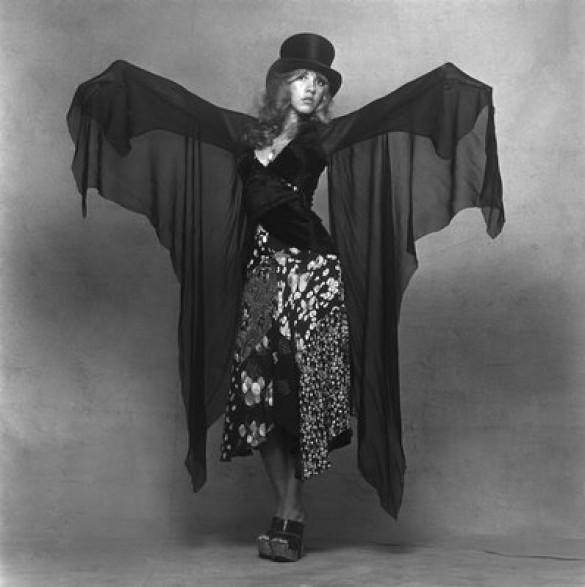
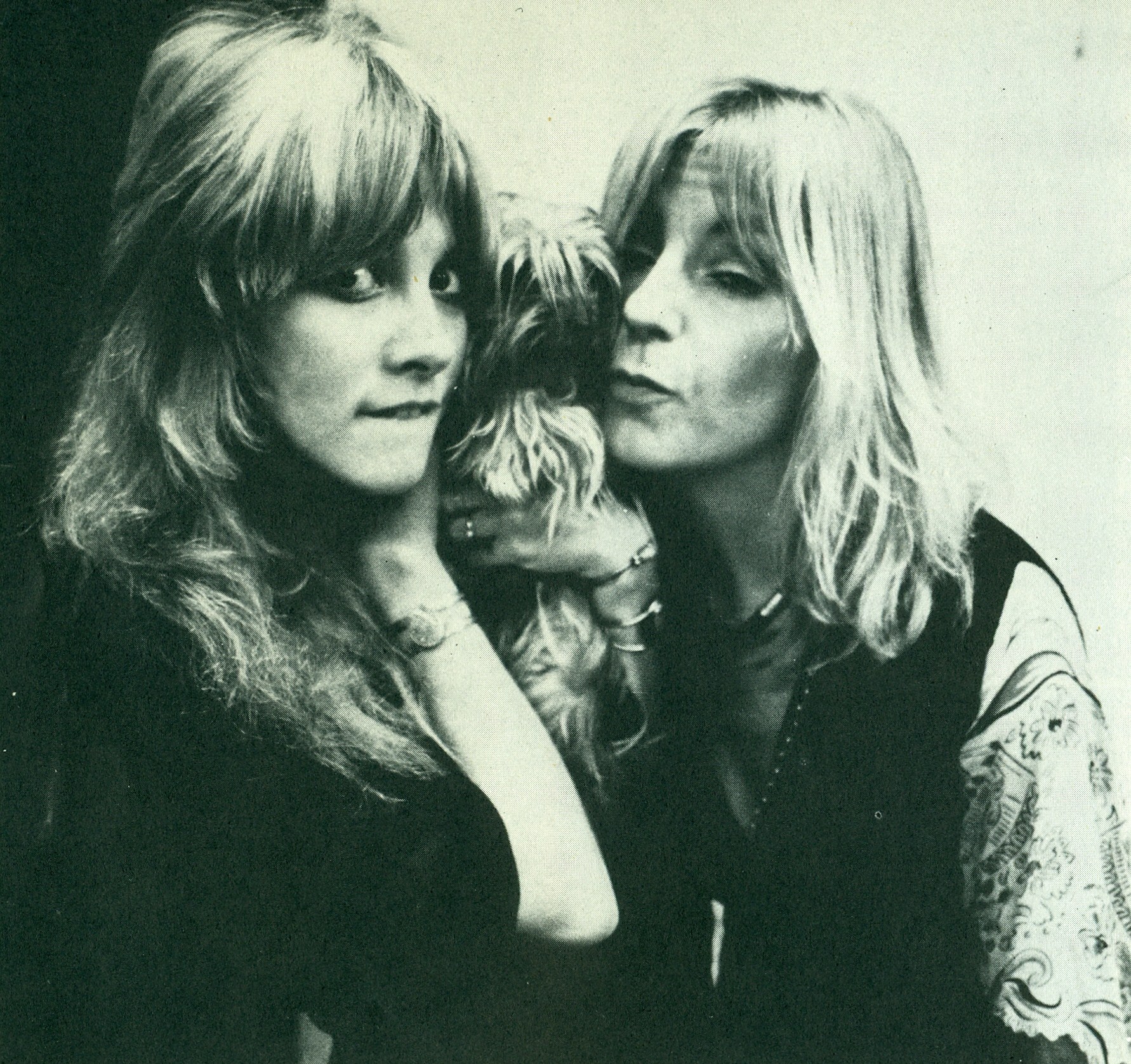
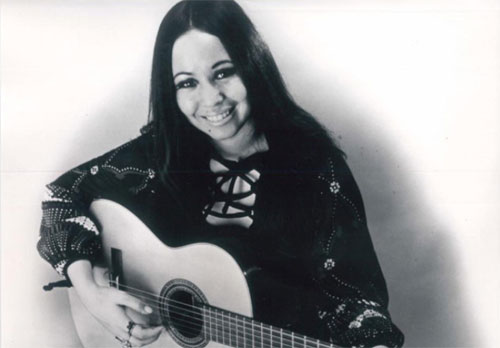
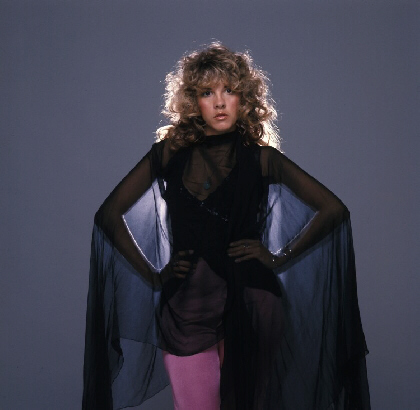
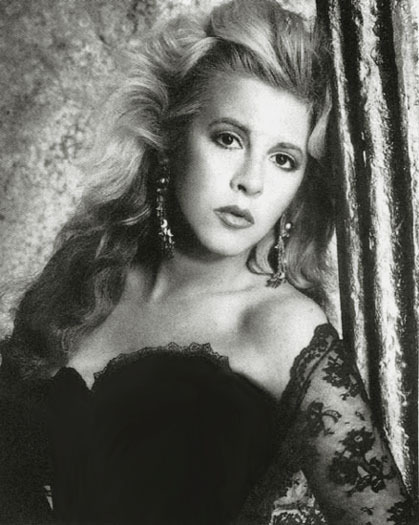
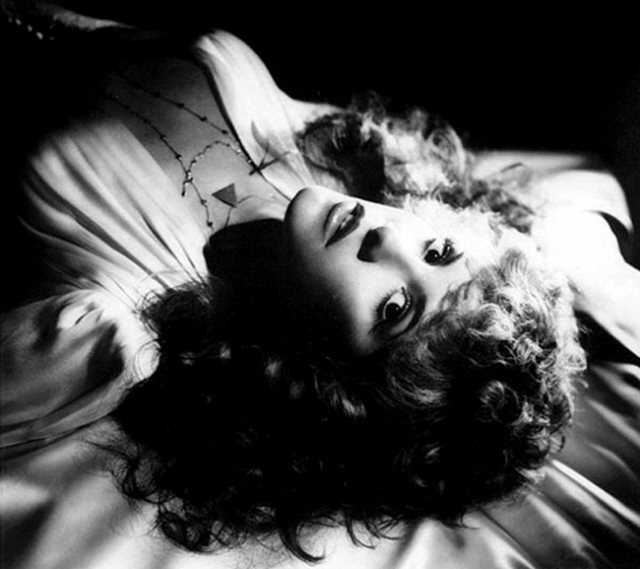
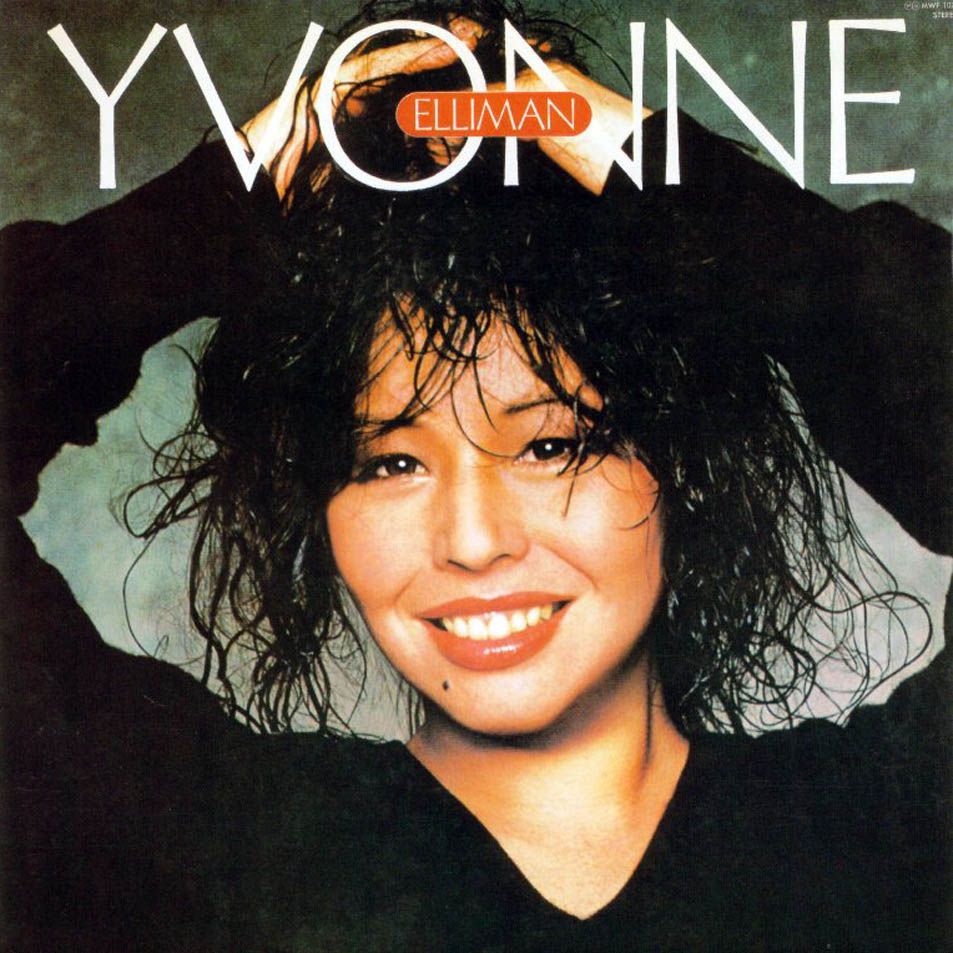
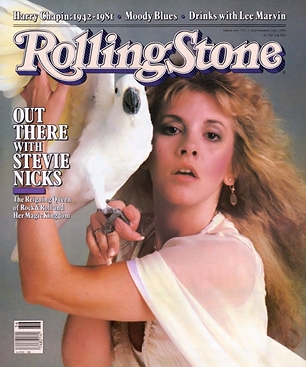
Yvonne Elliman/ Stevie Nicks ~ Seventies Songstresses
.

.
Talent…
.
… These are the lovely ladies and gorgeous girls of eras gone by whose beauty, ability, electricity and all-round x-appeal deserve celebration and – ahem – salivation here at George’s Journal…
.
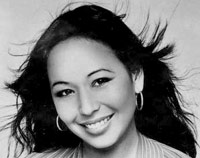
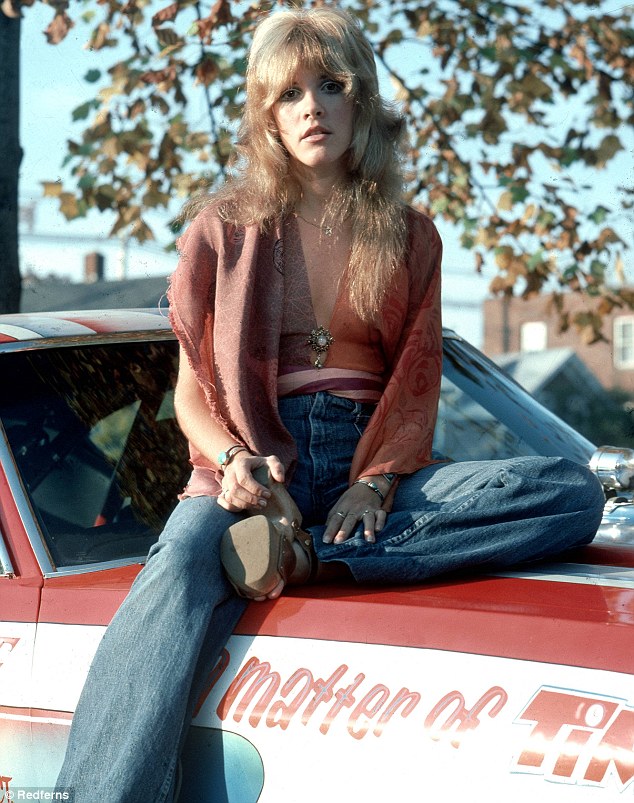
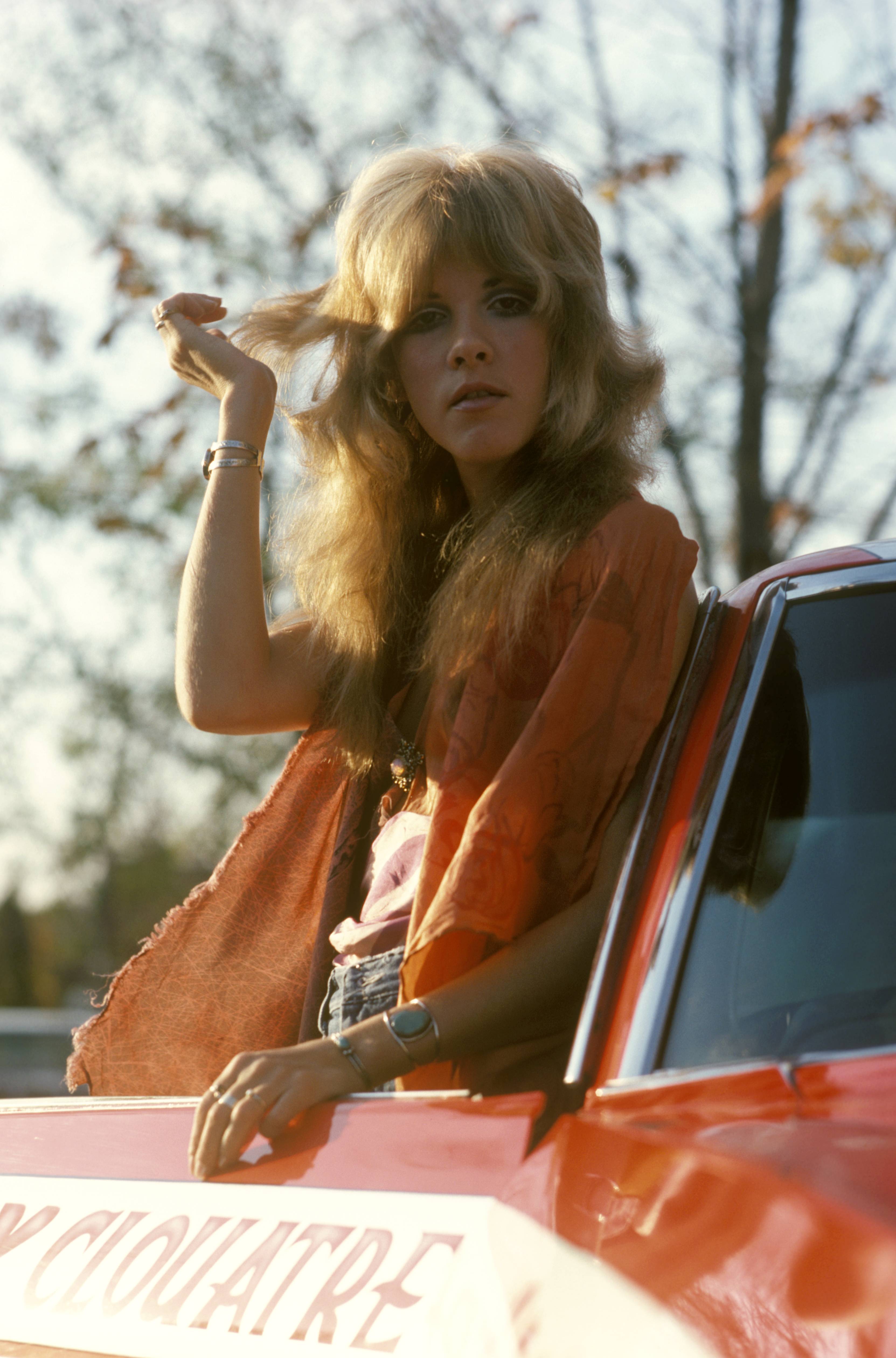
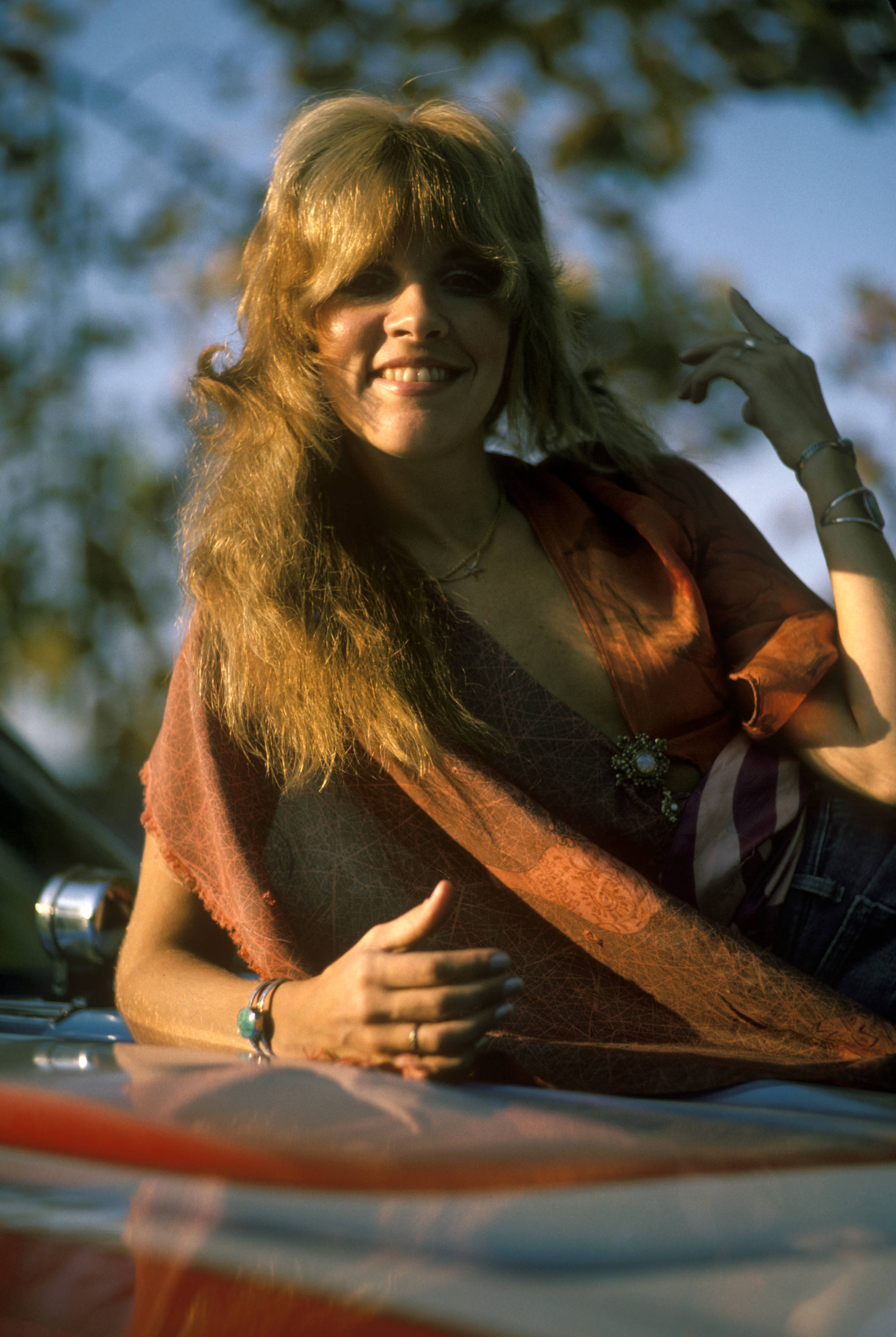
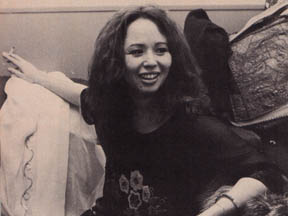
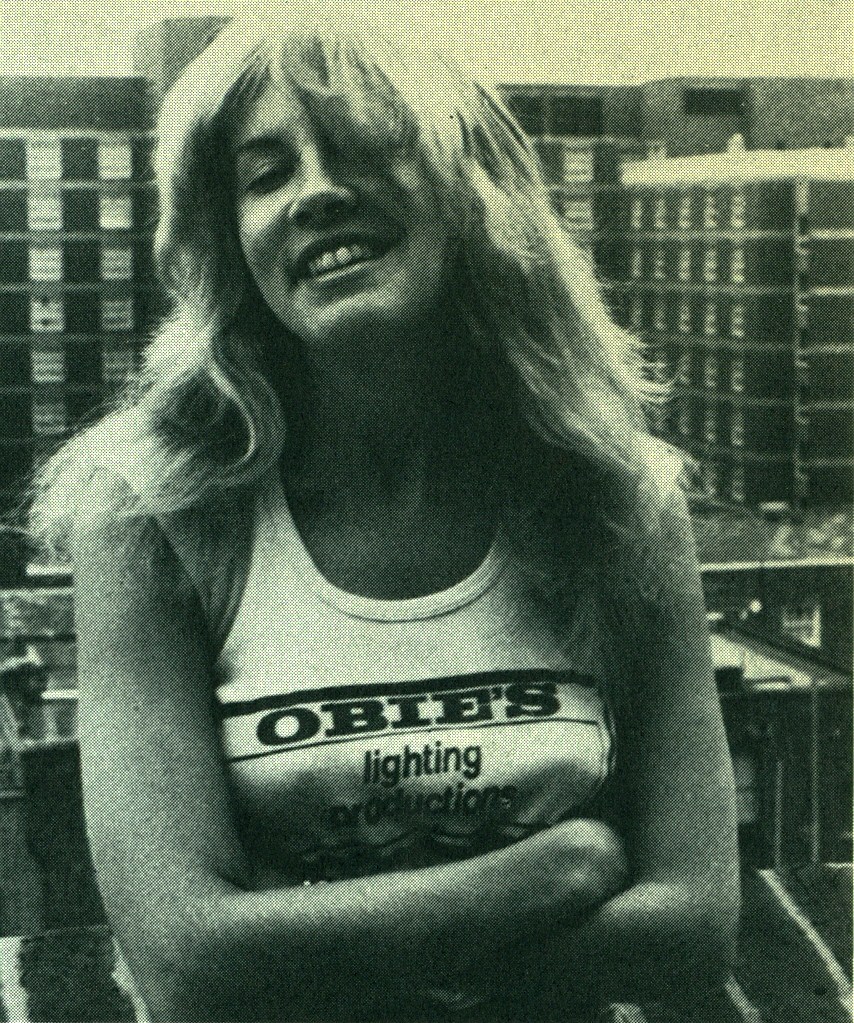
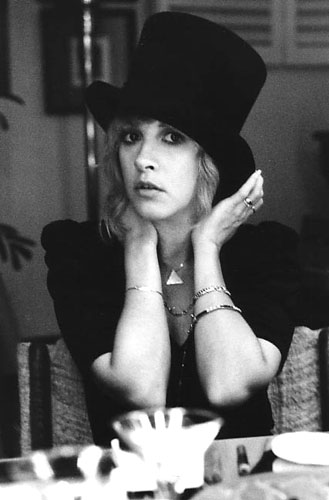
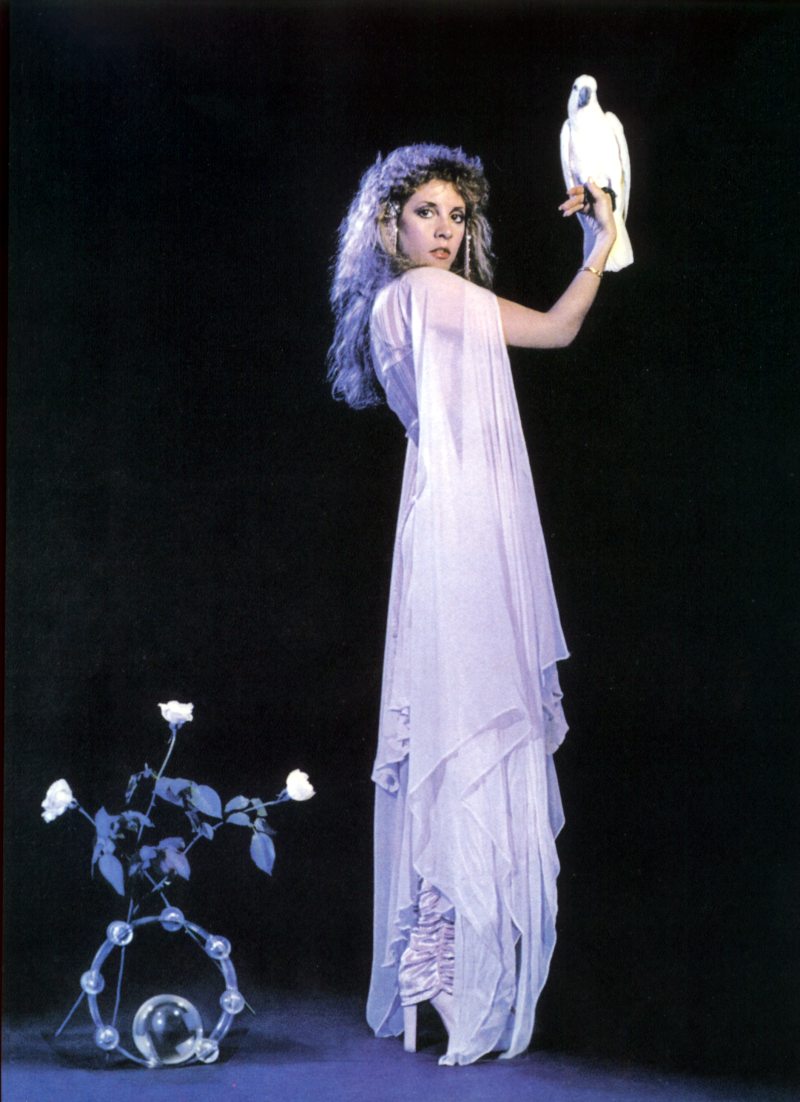
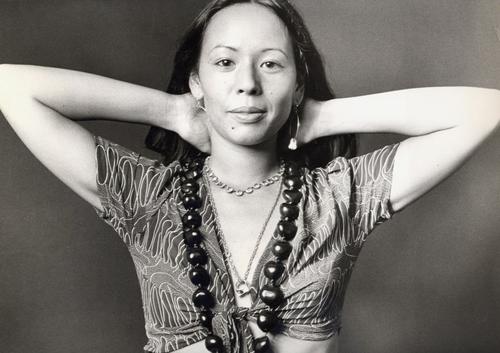
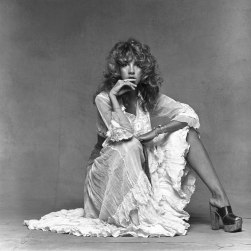
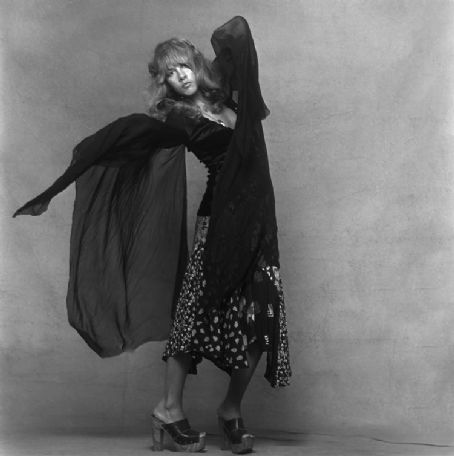
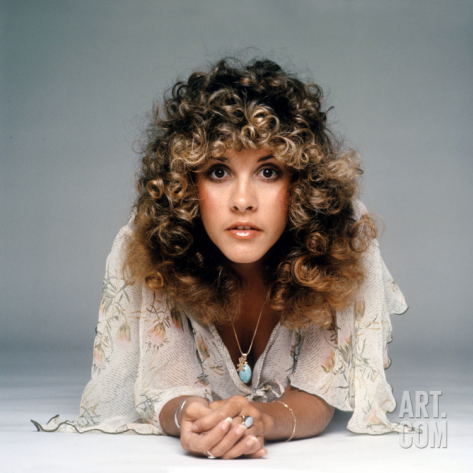
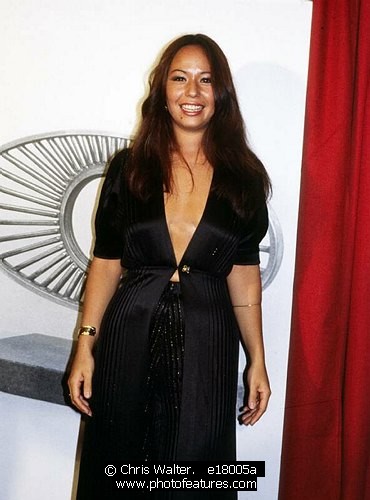
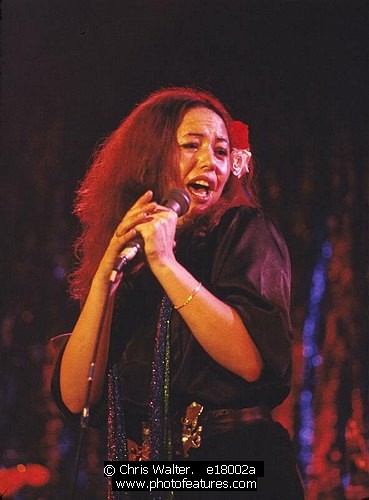
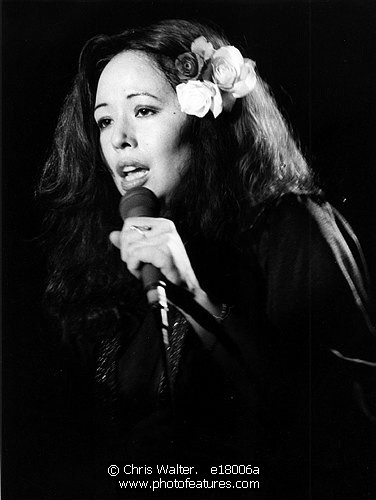
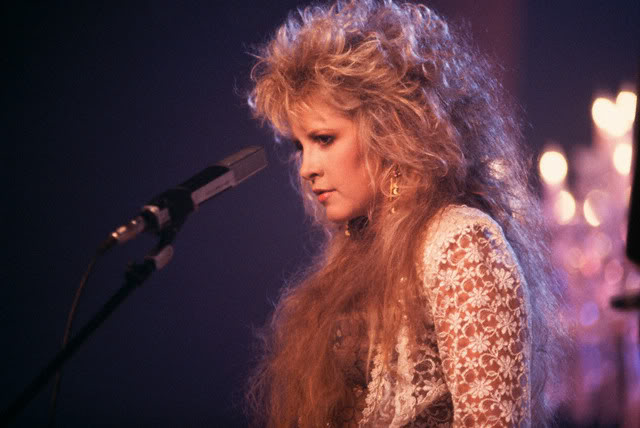
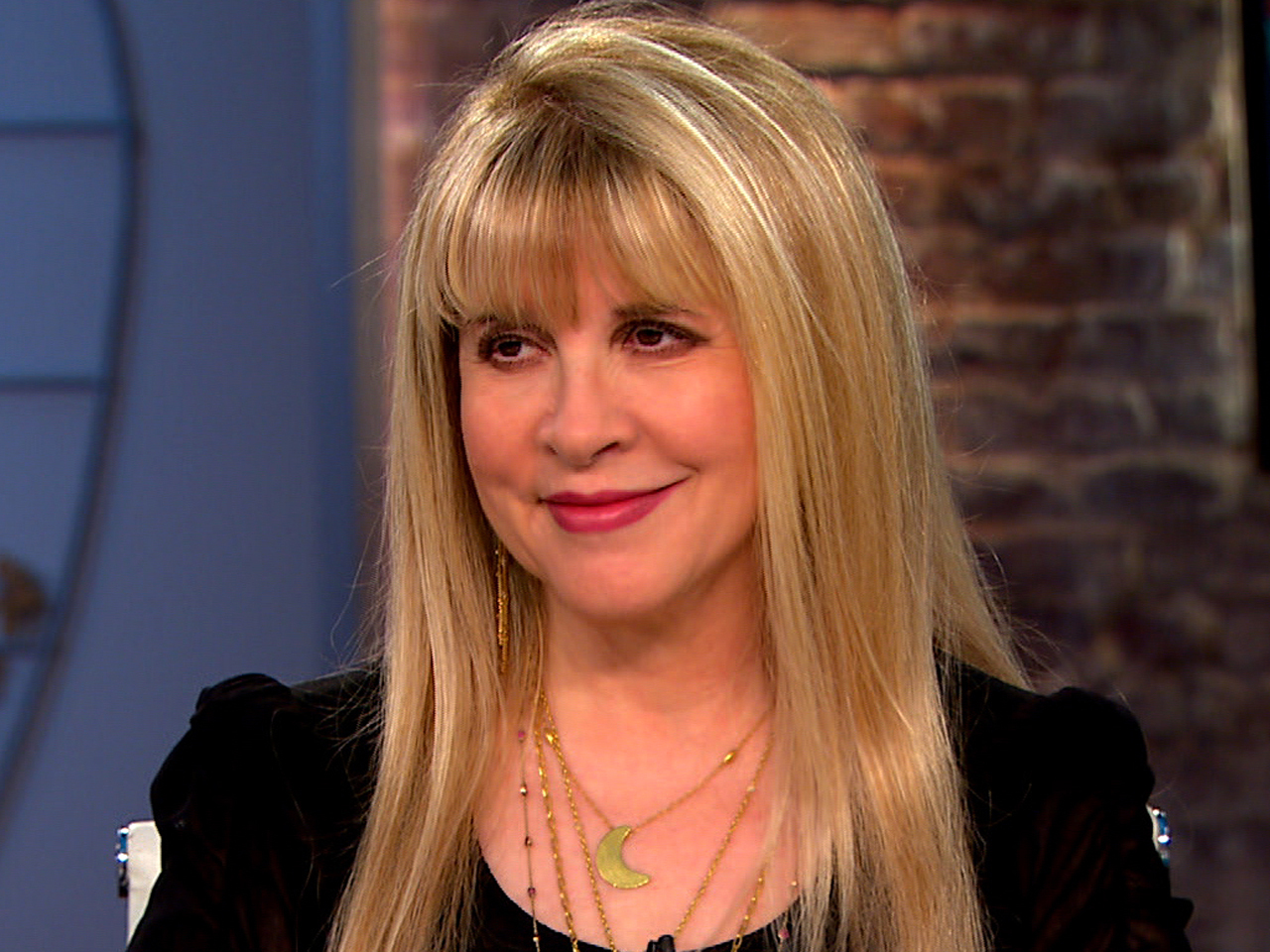
Ah, Easter, eh? A period of positive, joyful rebirth, you might say; well, there’s little that’s new or a rebirth about this post, given it’s the latest in this blog’s long line of pictorial tributes to terrifically talented beauties. I say that, but actually there is an Easter connection, as the first of its two subjects is the star of the monster rock musical that’s Jesus Christ Superstar, namely the Hawaiian honey we’d all like to have (but can’t), Yvonne Elliman. And the other’s Fleetwood Mac’s magnificently radiant and a wee bit crazy filly, Ms Stevie Nicks. So, bedeck their microphones with garlands of flowers, peeps, for here they come, the latest pair to enter this blog’s Talent corner…
.
Profiles
Names: Yvonne Marianne Elliman/ Stephanie ‘Stevie’ Lynn Nicks
Nationalities: American
Professions: Singer and actress/ Singer, songwriter and philanthropist
Born: December 29 1951, Honolulu, Hawaii/ May 26 1948, Phoenix, Arizona
Known for: Yvonne – performing the role of Mary Magdalene in the original 1970 concept album of Jesus Christ Superstar and later playing the part in both the rock musical’s Broadway production and film adaptation (1973), from which she enjoyed a chart hit with the tune I Don’t Know How To Love Him (1971) and later scored another with the pair of Bee Gees-penned songs Love Me (1976) and If I Can’t Have You (1977), the latter of which was a US #1 and appeared in both the disco drama blockbuster Saturday Night Fever (1977) and on its iconic soundtrack album/
Stevie – with legendary Anglo-American rock band Fleetwood Mac, writing and flamboyantly performing many iconic chart hits from the albums Fleetwood Mac (1976), Rumors (1977), Tusk (1979) and Mirage (1982), such as Landslide, Rhiannon (both 1976), Dreams, Gold Dust Woman (both 1977), Tusk, Sara (1979) and Gypsy (1982). In her pre-Fleetwood years she was in a musical and amorous partnership with Lindsey Buckingham, with whom she joined the band, leading to her (and Mac’s) finest years being detailed by the failed incestuous affairs among its members. In the early ’80s she launched a highly successfully solo career, kicking off with the acclaimed album Bella Donna (1981) and its major chart hit Edge Of Seventeen (1982).
Strange but true: Yvonne sang backing vocals on Eric Clapton’s US #1 cover of Bob Marley’s I Shot The Sheriff (1974) and, a native of Honolulu, appeared in a double episode of classic cop drama Hawaii Five-0 (1968-80); Stevie married Kim Anderson, the widow of her friend Robin, shortly after the latter’s death in 1982, believing together they could raise the couple’s baby daughter, but they divorced just eight months later.
Peak of fitness: Yvonne – although delicate and lovely in Jesus Christ Superstar, it pretty much has to be while she’s passionately and fantastically belting out If I Can’t Have You back in ’77 (see it here)/ Stevie – again, it has to be in her mystically flamboyant, shawl-adorned stage persona from the mid- to late ’70s – this performance of Rhinannon is a particularly unforgettable experience.
.
CLICK on the images for full-size
.
.

.
.
.

.


.



.


.




.

.


.

.

.

.


.
.


.


.

.

.
.

.


.
.

.


.
.

.

.


.
.

.
.
.

.
Just under a month ago, George’s Journal celebrated its fourth anniversary of peddling to peeps images, reviews and (I’d like to think) opinionated but balanced articles on all things cultural from – primarily – the ’60s, ’70s and ’80s. But how so? Well, in something of an ambitious mood, yours truly decided to mark the blog’s fourth birthday with a couple of posts dedicated to celebrating first ‘Talent‘ and then ‘Legends‘ representing each year of a 40 year- (a suitable multiple for a fourth birthday, see?) period, namely 1950-89.
Yes, it was something of a challenge – but nothing like the challenge I set myself next. For, I mused, how fun might it be to follow up that pair of posts with a series of ones that allowed me to opine on (what I consider to be) the greatest single film and greatest single song from each of those same 40 years? How fun, indeed. Basically, folks, I’m regretting it a little already, so consuming is it becoming. But, don’t get me wrong, it’s certainly proving interesting and fun too.
So, anyway, here’s the second in the series’ posts (see the first post here), which focuses on the second half of the ’50s, the era when rock ‘n’ roll collided with the American songbook and the largesse of Lean met the experimentation of Hitchcock – in short, it’s the greatest flicks and tunes, no less, from 1955-59…
.
.
CLICK
on the film and song titles for video clips…
.
.
.
.
1955
.
Warsaw Pact formed; Rosa Parks on the bus; Eden replaces Churchill;
Bill Haley rocks around the clock; James Dean killed; first McDonald’s served;
Disneyland opens; Eisenhower sends advisors to Vietnam; ITV debuts; Scrabble goes on sale
.
Film:
.

.
Directed by: Alexander Mackendrick/ Starring: Katie Johnson, Alec Guinness, Cecil Parker, Herbert Lom, Peter Sellers, Danny Green and Frankie Howerd/ Country: UK/ 97 minutes (Crime-black comedy)
What George says: Pre-Eon’s Bond, the Carry Ons and the British film industry’s ’80s/ ’90s reinvigoration, the best of the Ealing comedies were the jewel in its crown, and to watch The Ladykillers it’s easy to see why. A smart, tight, near perfectly executed caper, whose warmth and delight generated by its central character, Johnson’s elderly but redoubtable Mrs Wilberforce, is balanced (if not slyly undermined) by the deceitful, cynical ruse pursued by Guinness’s wonderfully oleaginous oddball and his gang of heavies, spivs and cowardly amateurish crims.
What the critics say: “The subtext of The Ladykillers was the stultifying conservatism of contemporary Britain. Mrs Wilberforce and her similarly aged friends represent the continuing weight of Victorian England holding back progress and innovation (that this innovation is represented here as robbery and murder gives some indication of the ambiguity of Mackendrick’s vision)” ~ Mark Duguid
Oscar count: 0
Oscar’s Best Picture pick this year: Marty
The public’s pick this year: Lady And The Tramp (US box-office #1)
George’s runners-up: 2. The Night Of The Hunter; 3. Rififi; 4. Les Diaboliques (Diabolique/ The Devils/ The Fiends); 5. Rebel Without A Cause
And the rest: East Of Eden; Guys And Dolls; Kiss Me Deadly; Lady And The Tramp; The Man With The Golden Arm; Marty; Oklahoma!; The Seven Year Itch; The Trouble With Harry
.
.
.
Song:
In The Wee Small Hours Of The Morning ~
Frank Sinatra
.

.
Writers: David Mann and Bob Hilliard
What George says: Slow, sweet and mellifluously melancholic, this is undoubtedly one of the perfect Sinatra tracks. A product of arguably his golden mid-’50s period of recordings, it could have been a little twee next to the grandeur of the likes of the previous year’s Come Rain Or Shine or Night And Day, yet thanks to the master chanter‘s fantastic phraseology and Nelson Riddle’s exquisite orchestration it’s a work of haunting, delicious excellence.
What the contemporary says: In his autobiography Blue All Around Me (1999), B B King declares himself a ‘Sinatra nut’ and that at one time he ‘went to bed every night listening to In The Wee Small Hours (1955), the album on which In The Wee Small Hours Of The Morning is the opening track.
.
George’s runners-up: 2. Tutti Frutti (Little Richard)/ 3. Mannish Boy (Muddy Waters)/ 4. Un Bel Dì (Maria Callas)/ 5. Memories Are Made Of This (Dean Martin)
And the rest: Ain’t That A Shame (Fats Domino)/ Dambusters March (Eric Coates)/ Folsom Prison Blues (Johnny Cash)/ I Hear You Knocking (Smiley Lewis)/ Love And Marriage; Love Is (The Tender Trap) (Frank Sinatra)/ Luck Be A Lady (Marlon Brando)/ Love Me Or Leave Me; My Funny Valentine; That Old Black Magic; Something’s Gotta Give (Sammy Davis, Jr.)/ Mack The Knife (Louis Armstrong)/ Mambo Italiano (Dean Martin)/ Maybellene (Chuck Berry)/ Oklahoma! (Cast of Oklahoma! (1955)/ Only You (The Platters)/ People Will Say We’re In Love; The Surrey With The Fringe On Top (Gordon McRae and Shirley Jones)/ Rock Around The Clock; Shake, Rattle And Roll (Bill Haley & His Comets)/ Sit Down, You’re Rocking The Boat (Stubby Kaye)/ The Wallflower (Roll With Me Henry) (Etta James)
.
.
.
.
1956
.
Suez Crisis; Elvis shakes his hips; Eisenhower back in;
Hungarian Revolution; Castro lands in Cuba; Grace Kelly becomes a real princess;
Melbourne hosts Olympics; Look Back In Anger debuts on UK stage; Monroe marries Arthur Miller
.
Film:
.

.
Directed by: Laurence Olivier/ Starring: Laurence Olivier, Ralph Richardson, John Gielgud, Claire Bloom, Laurence Naismith, Cedric Hardwicke and Stanley Baker/ Country: UK/ 159 minutes (Shakespeare adaptation)
What George says: A bit of a cheat this one, as it was released in the UK in ’55, but it was in ’56 when in the US it premiered in tandem at cinemas and on TV, netting huge viewing figures on the latter. Criticised on release for its staginess when compared to Olivier’s previous Bard flicks, it’s nonetheless crammed with the cream of seasoned Brit acting talent, not least Larry himself, delivering a mesmeric performance as the Machiavellian-and-a-half ‘Crookback King’, whose stark exploits of usurpation seem emphasised by the photography’s bold colours. A dynamic and essential collision of old-school UK thesping and postwar Anglo-American multimedia.
What the critics say: “[It] may have done more to popularise Shakespeare than any other single work. When shown on US television that same year, the resulting audience (estimated at between 25 and 40 million) would have outnumbered the sum total of the play’s theatrical audiences over the 358 years since its first performance” ~ Michael Brooke
Oscar count: 0
Oscar’s Best picture pick this year: Around The World In 80 Days
The public’s pick this year: The Ten Commandments (global box-office #1)
George’s runners-up: 2. The Searchers; 3. High Society; 4. Giant; 5. The King & I
And the rest: Anastasia; Around The World In 80 Days; Bigger Than Life; Bus Stop; Forbidden Planet; The Killing; Le Monde du Silence (The Silent World); Reach For The Sky; The Ten Commandments
.
.
.
Song:
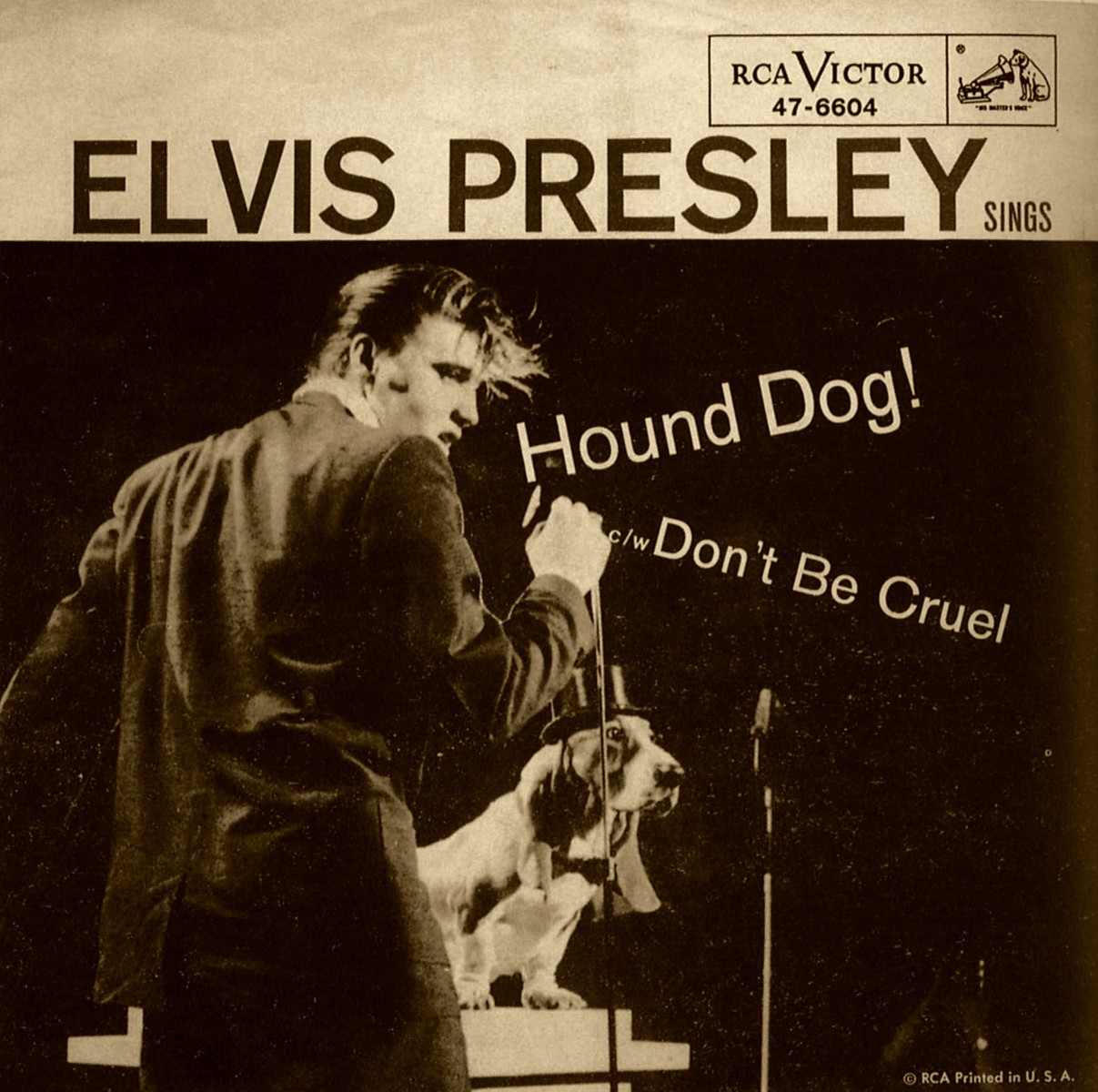
Hound Dog ~ Elvis Presley
.
.
Writers: Jerry Leiber and Mike Stoller/ Released: July 1956
What George says: To beat Ella Fitzgerald’s definitive version of Where Or When as this year’s top of the pops, it’s got to be some tune and, well, this one’s among the most important, nay among the greatest in all music history, given it’s the one that quickly became the anthem of the oh-so quickly dominant rock ‘n’ roll. It didn’t need Elvis’s shakin’ hips to hook you, merely a listen to that driving rhythm, those handclaps, that punchy guitar, those crashing drums at the end of every verse and, of course, Presley’s irresistible vocals. Sixty years later, it still sounds fresh as a – very cool – daisy; back then it sounded like the future, pretty much because it was.
What the contemporary says: “What got me into the whole thing in the beginning wasn’t songwriting. When Hound Dog came across the radio, there was nothing in my mind that said, ‘Wow, what a great song, I wonder who wrote that?’ … It was just… it was just there” ~
Bob Dylan
Chart record: US #2 (#1 on both the US R&B and C&W charts)
Recognition: Inducted into the Grammy Hall of Fame (1988)/ ranked #2 for 1956, #8 for the 1950s and #69 for ‘all-time’ on acclaimedmusic.net‘s cumulatively ranked ‘top songs’ lists
.
George’s runners-up: 2. Where Or When (Ella Fitzgerald)/ 3. Who Wants To Be A Millionaire? (Frank Sinatra and Celeste Holm)/ 4. Why Do Fools Fall In Love (Frankie Lymon & The Teenagers)/ 5. Day-O (The Banana Boat Song) (Harry Belafonte)
All the rest: Be-Bop-A-Lula (Gene Vincent and His Blue Caps)/ Blue Suede Shoes; Heartbreak Hotel; Love Me Tender (Elvis Presley)/ Can’t Help Lovin’ That Man; Cry Me A River; September In The Rain; S’ Wonderful; Where Or When (Julie London)/ Ev’rytime We Say Goodbye; Let’s Do It (Let’s Fall In Love) (Ella Fitzgerald)/ The Girl Can’t Help It; Long Tall Sally (Little Richard)/ The Great Pretender (The Platters)/ I Walk The Line (Johnny Cash)/ Just Walkin’ In The Rain (Johnnie Ray)/ Now You Has Jazz (Bing Crosby and Louis Armstrong)/ Roll Over Beethoven (Chuck Berry)/ See You Later Alligator (Bill Haley & His Comets)/ True Love (Bing Crosby and Grace Kelly)/ Well, Did You Evah! (Frank Sinatra and Bing Crosby)
.
.
.
.
1957
.
Sputnik 1, first space satellite, orbits Earth; Eden out, Macmillan in;
EEC established; On The Road and Atlas Shrugged published;
West Side Story debuts on Broadway; Lennon and McCartney meet; first Frisbee sold
.
Film:
.
.
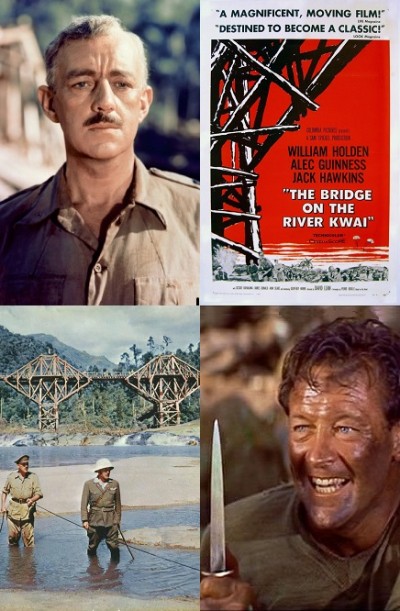
Directed by: David Lean/ Starring: William Holden, Alec Guinness, Jack Hawkins, Sessue Hayakawa, James Donald and Geoffrey Horne/ Country: UK/ USA/ 161 minutes/ (War film)
What George says: On the surface, a Brit-POWs-defying-their-captors-tubthumper-cum-men-on-a-mission-WWII-actioner, but dig deeper and it’s much more; a work of satirical near genius from David Lean. The first of his spectacular epics, it has the thrills, spills and scenic money-shots for which he’d become renowned, but more satisfyingly – and significantly – an acerbic line of subversion throughout, with the ‘bad guy’ turning out to be the most stoic Brit in South East Asia whom, going off his rocker colludes with the enemy in a project reluctant, sardonic William Holden must destroy. Ultimately an examination of the absurdity of war, it’s way more black comic than Colonel-Bogey-triumphant, with an outstanding turn from Alec Guinness. Again.
What the critics say: “David Lean has directed it so smartly and so sensitively for image and effect that its two hours and forty-one minutes seem no more than a swift, absorbing hour. In addition to splendid performance, he has it brilliantly filled with … the atmosphere of war’s backwash and the jungle … touched startlingly with humour, heart and shock” ~
Bosley Crowther
Oscar count: 7
Oscar’s Best Picture pick this year: The Bridge On The River Kwai
The public’s pick this year: The Bridge On The River Kwai (global box-office #1)
George’s runners-up: 2. Sweet Smell Of Success; 3. Det Sjunde Inseglet (The Seventh Seal);
4. 12 Angry Men; 5. Paths Of Glory
And the rest: Heaven Knows, Mr Allison; Kumonosu-Jō (Throne Of Blood); The Incredible Shrinking Man; Le Notti di Cabiria (Nights Of Cabiria); Pal Joey; The Prince And The Showgirl; Sayonara; Smultronstället (Wild Strawberries)
.
.
.
Song:
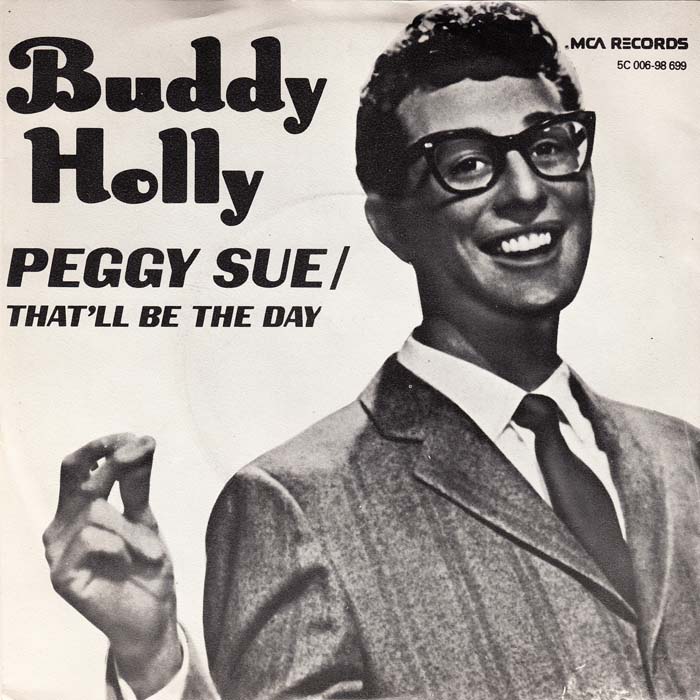
Peggy Sue ~ Buddy Holly and The Crickets
.
.
Writers: Buddy Holly, Jerry Allison and Norman Petty/ Released: September 1957
What George says: Considered by many the finest recording Buddy and his Crickets committed to tape in their tragically brief career, Peggy Sue is pretty much the perfect rock ‘n’ roll ballad. Incredibly catchy, genuinely unforgettable and easily impersonated (as it has been trillions of times), it’s actually Holly’s idiosyncratic interpretation of his lyrics and the wonderfully infectious rumbling of those paradiddles on Jerry Allison’s drums that get you on repeat listens. As well as, of course, the sheer simple, perfect purity of the tune.
What the critics say: “An early work of rock genius. Holly and The Crickets created a penetrating slab of early, guitar driven blues … listening to it today, the track still sounds fresh and original” ~ nme.com
Chart record: US #3/ UK #6
Recognition: Inducted into the Grammy Hall of Fame (1999)/ ranked #4 for 1957, #17 for the 1950s and #110 for ‘all-time’ on acclaimedmusic.net‘s cumulatively ranked ‘top songs’ lists
.
George’s runners-up: 2. Not Fade Away (Buddy Holly and The Crickets)/ 3. Jailhouse Rock (Elvis Presley)/ 4. When I Fall In Love (Nat King Cole)/ 5. Great Balls Of Fire (Jerry Lee Lewis)
And the rest: All Shook Up (Elvis Presley)/ All The Way; The Lady Is A Tramp (Frank Sinatra)/ Baby, It’s Cold Outside (Sammy Davis, Jr. and Carmen McRae)/ Blueberry Hill (Fats Domino)/ Bye Bye Love; Wake Up Little Susie (The Everly Brothers)/ Catch A Falling Star (Perry Como)/ Everyday; Oh Boy!; Rave On; That’ll Be The Day (Buddy Holly and The Crickets)/ Have I Told You Lately That I Love You? (Eddie Cochran)/ Lucille (Little Richard)/ Reet Petite (Jackie Wilson)/ Someone To Watch Over Me (Sammy Davis, Jr.)/ Summertime (Ella Fitzgerald and Louis Armstrong)/ Whole Lotta Shakin Goin’ On (Jerry Lee Lewis)
.
.
.
.
1958
.
Khrushchev becomes Soviet Premier; De Gaulle leads the Gauls again; Notting Hill riots;
Pelé and Brazil’s first World Cup; Munich Air Crash; CND established – instantly adopts ‘peace symbol’;
first motorway and parking meters come to UK; Elvis in the army; Blue Peter debuts
.
Film:
.
.
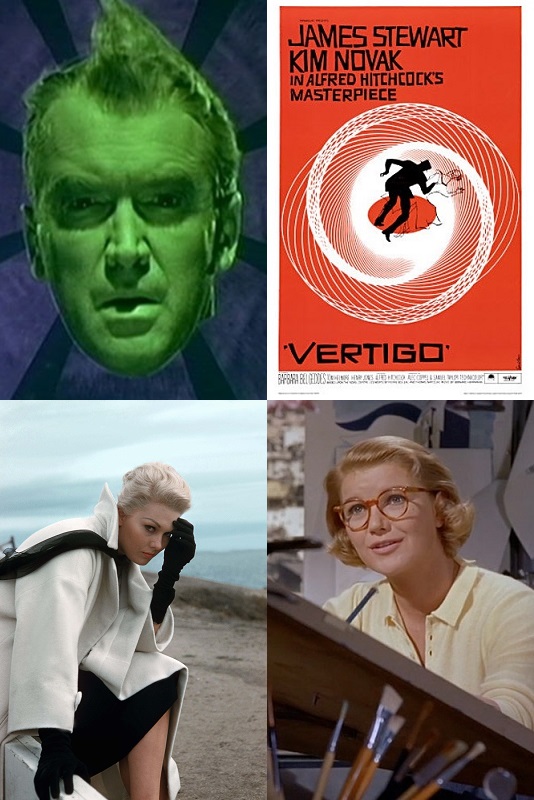
Directed by: Alfred Hitchcock/ Starring: James Stewart, Kim Novak, Barbara Bel Geddes and Tom Helmore/ Country: USA/ 129 minutes/ (Psychological thriller)
What George says: Overrated by today’s critics it may, but Vertigo‘s still a highly impressive, very important and far-from-easy-to-pin-down flick. Ostensibly a San Francisco-set melodramatic thriller that twirls around a premise as far-fetched as anything you’ll see in a Poirot or Columbo episode, it nonetheless takes twists and turns you simply don’t expect and slowly becomes a haunting voyage into unrequited love/ lust, melancholia and, most of all, obsession. Photographed as beautifully as any film you care mention, it also features one of the movies’ finest scores from Bernard Herrmann and popularised the disorienting ‘dolly zoom’ shot.
What the critics say: “Hitchcock turned a cleverly plotted book … into an acute psychological fable and a dark, romantic poem. In so doing, he deliberately disrupts the narrative and disturbs the audience’s normal expectations … Vertigo is, among other things, about the way men exploit women. Only at a second viewing can its complexity be properly understood; it rewards endless revisits” ~ Philip French
Oscar count: 0
Oscar’s Best Picture pick this year: Gigi
The public’s pick this year: South Pacific (US box-office #1)
George’s runners-up: 2. Kakushi Toride No San Akunin (The Hidden Fortress); 3. Touch Of Evil; 4. Cat On A Hot Tin Roof; 5. Dracula
And the rest: Les Amants (The Lovers); The Defiant Ones; Gigi; Ice Cold In Alex; Ivan Grozniy (Ivan The Terrible: Parts I and II); Mon Oncle (My Uncle); The Seventh Voyage Of Sinbad; Some Came Running
.
.
.
Song:
Johnny B. Goode ~ Chuck Berry
.

.
Writer: Chuck Berry/ Released: March 1958
What George says: A legendary slice of rock ‘n’ roll, often imitated (perhaps most memorably by Marty McFly in 1985’s Back To The Future), but never bettered, Chuck Berry’s original version may boast one of the purest, (to the ear, at least) simplest and greatest pieces of guitar playing ever committed to record, but – not least because of his semi-autobiographical lyrics – it’s also bursting with the exuberance to which countless future rock and pop songs would aspire. All that, and it kicks-off with possibly the most unmistakeable intro in all guitar music.
What the critics say: “Johnny B. Goode is the supreme example of Berry’s poetry in motion. The rhythm section rolls with freight-train momentum, while Berry’s stabbing, single-note lick in the chorus sounds, as he put it, ‘like a-ringin’ a bell’ – a perfect description of how rock & roll guitar can make you feel on top of the world” ~ Rolling Stone
Chart record: US #8
Recognition: Inducted into the Grammy Hall of Fame (1999)/ ranked #1 for 1958, #1 for the 1950s and #7 for ‘all-time’ on acclaimedmusic.net‘s cumulatively ranked ‘top songs’ lists/ ranked #1 on Rolling Stone‘s ‘100 Greatest Guitar Songs Of All-Time’ list (2008)
.
George’s runners-up: 2. All I Have To Do Is Dream (The Everly Brothers)/ 3. My Baby Just Cares For Me (Nina Simone)/ 4. Fever (Peggy Lee)/ 5. Smoke Gets In Your Eyes (The Platters)
And the rest: At The Hop (Danny and the Juniors)/ Bewitched (Bewitched, Bothered And Bewildered) (Sammy Davis, Jr.)/ Chantilly Lace (The Big Bopper)/ C’mon Everybody; Summertime Blues (Eddie Cochran)/ Dream A Little Dream Of Me (Dean Martin)/ Good Golly Miss Molly (Little Richard)/ Heartbeat (Buddy Holly)/ King Creole (Elvis Presley)/ Magic Moments (Perry Como)/ Main Theme from Vertigo (Bernard Herrmann)/ Maybe Baby (Buddy Holly and The Crickets)/ Volare (Domenico Modugno)/ On Green Dolphin Street (Miles Davis)/ Rebel-‘Rouser (Duane Eddy)/ Rockin’ Robin (Bobby Day)/ Scene d’Amour from Vertigo (Bernard Herrmann)/ Splish Splash (Bobby Darin)/ Stupid Cupid (Connie Francis)/ Yakety Yak (The Coasters)
.
.
.
.
1959
.
Cuban Revolution; Alaska and Hawaii become 49th and 50th US states; the Mini takes to the road;
first human dies from HIV; ‘the day the music died’; Motown Records begins recording;
first photocopier copies; Astérix hits the bookshelves; Barbie makes her bow
.
Film:
.

.
Directed by: Billy Wilder/ Starring: Tony Curtis, Jack Lemmon, Marilyn Monroe, Joe E Brown, George Raft, Pat O’ Brien, Joan Shawlee, Dave Barry and Nehemiah Persoff/ Country: USA/ 121 minutes/ (Screwball-crime comedy)
What George says: A seamless, peerless melding of screwball farce, crime caper and romcom, Wilder’s masterpiece may have harked back to the past (the Prohibition era and, via delicious touches and casting nods, the gangster flicks it saw Hollywood churn out), but also adroitly looked forward with its blink-and-you’ll-miss-a-gag pace, extremely witty script and racy boys-as-girls and boys-fancying-boys-as-girls japes. Indeed, anyone versed in Shakespeare knows cross-dressing’s funny, but it’s never funnier than here, as Wilder expertly guides Lemmon (hilarious) and Curtis (eerily brilliant and also tremendous channelling Cary Grant) through all their costume changes, as they try to fool both the mob and a wonderfully winning Monroe.
What the critics say: “One of the enduring treasures of the movies, a film of inspiration and meticulous craft” ~ Roger Ebert
Oscar count: 1
Oscar’s Best Picture pick this year: Ben-Hur
The public’s pick this year: Ben-Hur (US box-office #1)
George’s runners-ups: 2. North By Northwest; 3. Les Quatre Cent Coups (The 400 Blows); 4. Anatomy Of A Murder; 5. Room At The Top
And the rest: Ben-Hur; The Diary Of Anne Frank; I’m All Right, Jack; Imitation Of Life; The Nun’s Story; Orfeu Negro (Black Orpheus); Pillow Talk; Sleeping Beauty; Suddenly, Last Summer; Tiger Bay
.
.
.
Song:
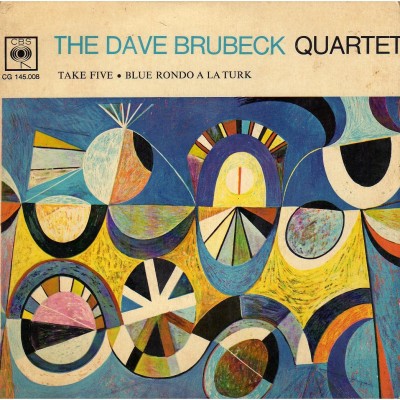
Take Five ~ The Dave Brubeck Quartet
.
.
Writers: Paul Desmond/ Released: June 1959
What George says: That piano vamp, that oh-so cool sax melody and that jittery drum solo, all wrapped up in unusual 5/4 (quintuple) time. Take Five is maybe the epitome of mainstream jazz; as smooth as silk, as accessible as a can of Coke and as irresistible as Audrey Hepburn – no wonder it (easily) became the biggest selling jazz single of all-time. Instantly recognisable and a TV ad man’s dream it may be, it’s also surely one of the greatest crossover tracks in the history of consumable music.
What the critics say: “Take Five, despite its overexposure, really is a masterpiece; listen to how well [Paul] Desmond’s solo phrasing fits the 5/4 meter, and how much Joe Morello’s drum solo bends time without getting lost” ~ Steve Huey
Chart record: US #25 (1961 re-release)
Recognition: Ranked #11 for 1959, #90 for the 1950s and #982 for ‘all-time’ on acclaimedmusic.net‘s cumulatively ranked ‘top songs’ lists
.
George’s runners-up: 2. Beyond The Sea (Bobby Darin)/ 3. Shout (The Isley Brothers)/ 4. Sea Of Love (Phil Phillips)/ 5. I Only Have Eyes For You (The Flamingos)
And the rest: Dream Lover; Mack The Knife (Bobby Darin)/ Chega de Saudade (João Gilberto)/ High Hopes (Frank Sinatra)/ La Bamba (Richie Valens)/ Hippy Hippy Shake (Chan Romero)/I Wanna Be Loved By You; I’m Through With Love; Runnin’ Wild (Marilyn Monroe)/ Lipstick On Your Collar (Connie Francis)/ Main Theme from North By Northwest (Bernard Herrmann)/ Peggy Sue Got Married; Raining In My Heart (Buddy Holly)/ Once Upon A Dream (Mary Costa and Bill Shirley)/ So What (Miles Davis)/ A Teenager In Love (Dion and the Belmonts)/ Theme From A Summer Place (Hugo Winterhalter)/ Three Cool Cats (The Coasters)/ What A Diff’rence A Day Makes (Dinah Washington)
.
.
And coming soon:
George’s pick of the flicks
and top of the pops ~ 1960-64
.

.
Playlist: Listen, my friends! ~ April 2014
.
In the words of Moby Grape… listen, my friends! Yes, it’s the (hopefully) monthly playlist presented by George’s Journal just for you good people.
There may be one or two classics to be found here dotted in among different tunes you’re unfamiliar with or have never heard before – or, of course, you may’ve heard them all before. All the same, why not sit back, listen away and enjoy…
.
CLICK on the song titles to hear them
.
Doris Day ~ Que Sera Sera (1956)1
Herb Alpert And The Tijuana Brass ~ Zorba The Greek (1965)
Traffic ~ 40,000 Headmen (1968)
Hugo Monenegro ~ MacArthur Park (1969)2
Smith ~ Baby It’s You (1969)
Lalo Schifrin ~ Scorpio’s Theme from Dirty Harry (1971)
Anthony Newley ~ Pure Imagination (1971)3
Yvonne Elliman ~ Love Me (1976)
Jeff Wayne featuring Richard Burton ~ The Red Weed (Part 1) from Jeff Wayne’s Musical Version Of The War Of The Worlds (1978)
Dan Hartman ~ Instant Replay (1978)
The Flying Pickets ~ Only You (1983)4
The Dream Academy ~ Power To Believe (Instrumental) from Planes, Trains And Automobiles (1987)
Danny John-Jules ~ Theme from Maid Marian And Her Merry Men (1989)
.
1 Fondly recalled by all and sundry as a Doris Day standard this may be, but it actually originated from Hitchcock’s 1956 Hollywood remake of The Man Who Knew Too Much, his 1934 thriller in which a man and wife attempt to locate their kidnapped child (as illustrated in this clip). The song rightly won 1956’s Best Original Song Oscar
2 Curiously, this composition from Montenegro’s 1969 Good Vibrations album sounds much less like Jimmy Webb’s classic song of the same name (made famous by Richard Harris’s hit 1967 version) than it does Pete Moore’s Asteroid, the Pearl & Dean advertising theme familiar to millions of UK cinemagoers
3 A rare version of the classic tune (sung by Gene Wilder’s protagonist in 1971’s Willy Wonka and The Chocolate Factory), here peformed by the man whom, along with Leslie Bricusse, composed it; Newley and Bricusse also wrote the lyrics (to John Barry’s music) for Shirley Bassey’s Goldfinger (1964)
4 This outstanding a-cappella version of the Yazoo song (1982) managed to go more than one better than the original UK #2-hitting original – not only did it make it to #1 in Blighty, but it also did so in time for Crimbo, making it 1983’s Christmas #1; in total, it was at the summit of the charts for five weeks. Christopher Ryan, who would go on to play Rick in anarchic sitcom The Young Ones (1982-84), was an original member of the group but left before they hit the big time.
.
George’s (extended) fourth birthday: pick of the flicks and top of the pops ~ 1950-54
.
Well, I suppose it had to happen sooner or later… yes, one day yours truly, the man behind George’s Journal, would cave and offer up in a series of (most likely ill-advised, very likely insanity-inducing) posts, his selection of the very best movie and the very best song from each of the years his blog likes to concern itself with.
And, yay, it seems the stars have so aligned themselves at this very point in time and space – following this blog’s celebration of its fourth anniversary with a pair of posts (1 and 2) dedicated to both ‘Legends‘ and ‘Talent‘ for each year of 40 years of retrospective greatness (namely, 1950-89) – that there now is the perfect excuse… sorry, perfect opportunity to ‘extend’ these self-anniversary celebrations by (hugely indulgently) bringing you good people a rundown of, yes, the pick of the flicks and the top of the pops from each annus of that quartet of decades.
In which case then, like it or not, here we go – here’s George’s (that’d be me) choices for best movie and best tune from 1950-54. Don’t blame me, peeps, some higher power forced me to undertake this venture, that great Retro God in the sky, no less. Er… yep, let’s go with that…
.
.CLICK on the film and song titles for video clips…
.
.
.
.
1950
.
Korean War begins; Truman orders construction of hydrogen bomb;
McCarthyism kicks-off; Uruguay wins second World Cup; first organ transplant
.
Film:
.

.
Directed by: Billy Wilder/ Starring: William Holden, Gloria Swanson, Erich von Stroheim, Nancy Olsen and Cecil B DeMille/ Country: USA/ 110 minutes (Film noir comedy-drama)
What George says: A near seamless marriage of classic Hollywood noir with scathing critique of Tinseltown itself, Sunset Boulevard was critically acclaimed from the very start, if (understandably) not entirely embraced by all and sundry in its home town. A beautifully crafted yet deliberately skewed classic from the Golden Age’s master of satire, it’s Billy Wilder at his very best, eliciting a performance for all-time as the monstrous, Miss Havisham-esque, faded silent-era star Norma Desmond from real-life, faded silent-era star Gloria Swanson.
What the critics say: “The fusion of writer-director Billy Wilder’s biting humor and the classic elements of film noir make for a strange kind of comedy, as well as a strange kind of film noir. There are no belly laughs here, but there are certainly strangled giggles” ~ Julie Kirgo
Oscar count: 3
Oscar’s Best Picture pick this year: All About Eve
The public’s pick this year: Cinderella (US box-office #1)
George’s runners-up: 2. Rashomon; 3. All About Eve; 4. Harvey; 5. D.O.A.
And the rest: The Asphalt Jungle; Born Yesterday; Cinderella; Father Of The Bride; Gun Crazy (Deadly Is The Female); Stage Fright; Stromboli
.
.
.
Song:
The Third Man Theme ~ Anton Karas
.

.
Writer: Anton Karas/ Released: 1949 (UK)/ 1950 (US)
What George says: Alternatively known as The Harry Lime Theme, Anton Karas’s zither-tastic instrumental isn’t just brilliant because it’s instantly recognisable (although admittedly that doesn’t hurt in the least), but because, just like the all-time classic film it soundtracks, it’s terribly seductive, sort of romantic, not-quite-sure eerie and, overall then, a work of off-kilter genius from that fascinatingly blurry, what-the-hell’s-going-on, European early post-war period.
What the critics say: “Has there ever been a film where the music more perfectly suited the action than in Carol Reed’s The Third Man?” ~ Roger Ebert
Chart record: US #1 (for 11 weeks)
.
George’s runners-up: 2. Someone To Watch Over Me (Ella Fitzgerald)/ 3. Mona Lisa (Nat King Cole)/ 4. Let It Snow! Let It Snow ! Let It Snow! (Frank Sinatra)/ 5. But Not For Me (Ella Fitzgerald)
And the rest: Bewitched (Bewitched, Bothered & Bewildered (Doris Day)/ Bibbidi-Bobbidi-Boo (Verna Felton)/ A Dream Is A Wish Your Heart Makes (Ilene Woods)/ Get Happy (Judy Garland)/ Mambo #5 (Perez Prado)
.
.
.
.
1951
.
Churchill and the Tories return to power; South Africans forced to carry ID cards;
The Goon Show begins; USA and Japan sign peace treaty – officially ending WWII (at last)
.
Film:
.

.
Directed by: John Huston/ Starring: Humphrey Bogart, Katharine Hepburn, Robert Morley, Peter Bull, Theodore Bikel, Walter Gotell, Peter Swanwick and Richard Marner/ Country: USA/ UK/ 105 minutes/ (Action-adventure)
What George says: An utter delight from start to finish, this isn’t a swashbuckling adventure in the breathless manner of Raiders Of The Lost Ark (1981), but a warm, evergreen, should-be-arduous-but-isn’t-at-all trip through the African jungle with mature, mismatched pair Bogie and Kate, throughout which the whiff of these opposites attracting one another is in the steamy, mosquito-filled air. A two-hander then for this hugely charismatic, starry duo it may be (Bogart deservedly won an Oscar; Hepburn’s even better), but much credit must go to fellow seasoned legends Huston and cinematographer Jack Cardiff for their expert work.
What the critics say: “A ripping, gripping yarn, a surprisingly erotic love story and, as it happens, a premonition of Herzog’s Fitzcarraldo (1982). Humphrey Bogart plays the boozy riverboat captain in German East Africa who with the outbreak of war in 1914 grumpily agrees to help British national Miss Sayer escape the enemy. Just as their downriver journey looks like being a metaphor for sexual initiation, it becomes an actual sexual initiation. The courage and lip-quivering vulnerability of Hepburn are tremendous” ~ Peter Bradshaw
Oscar count: 1
Oscar’s Best Picture pick this year: An American In Paris
The public’s pick this year: Quo Vadis (US box-office #1)
George’s runners-up: 2. A Streetcar Named Desire; 3. The Lavender Hill Mob; 4. Strangers On A Train; 5. An American In Paris
And the rest: Alice In Wonderland; The Man In The White Suit; A Place In The Sun; Quo Vadis; Show Boat
.
.
.
Song:
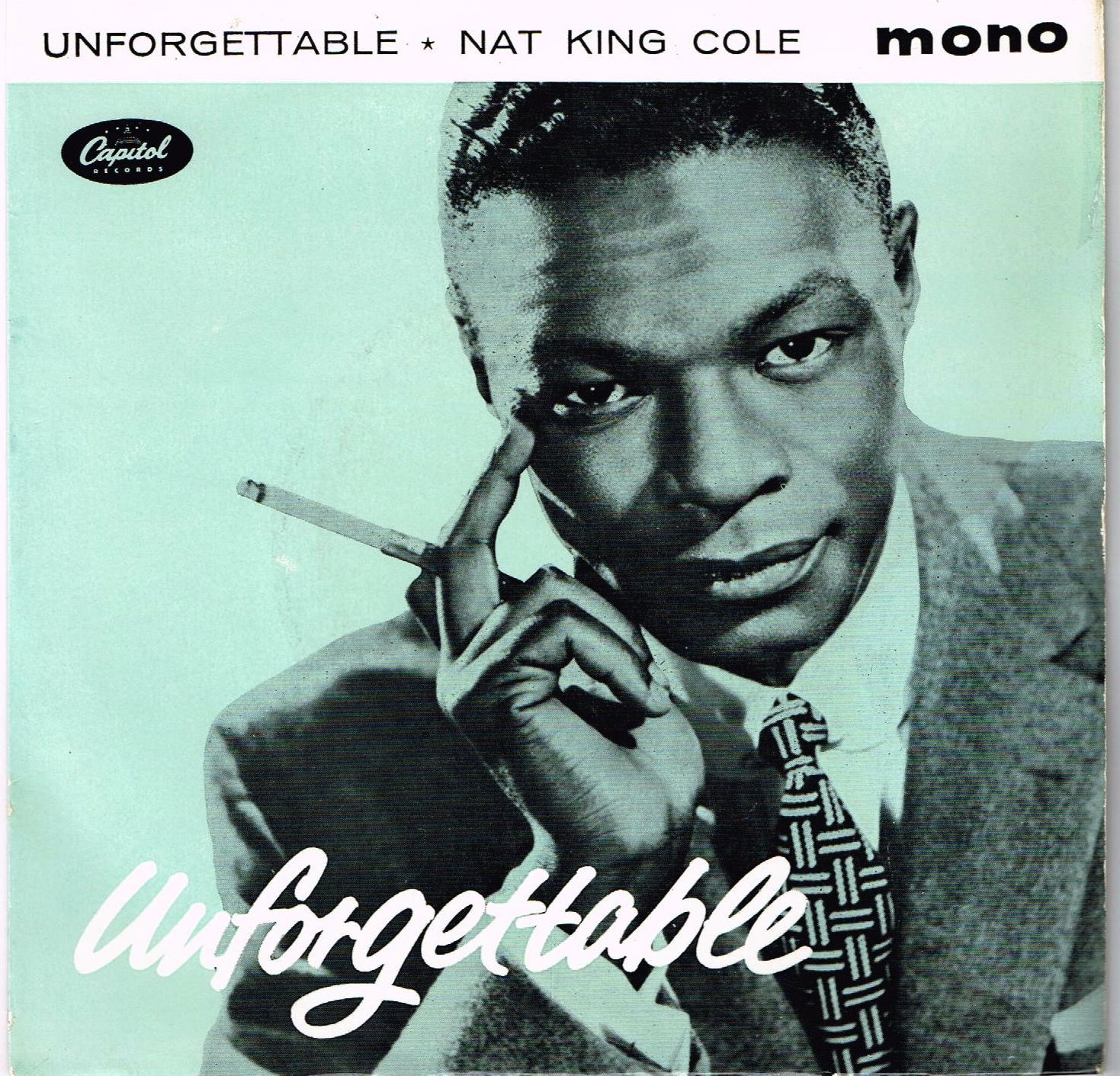
Nat King Cole
.
.
Writer: Irving Gordon/ Released: 1951
What George says: Let’s be honest, if you’ve got the cojones to give your tune this title, you’ve got to be sure it lives up to it, nay defines it. Just as well then that this simple but sublime melodic dream does exactly that, delivered with the velvet-to-a-tee vocal verisimilitude of Nat King Cole. It would go on to become his signature hit, of course, and to listen to it seems to sum up the performer himself perfectly. Pure bliss.
Chart record: US #1
Recognition: Inducted into the Grammy Hall of Fame (2000)
.
George’s runners-up: 2. Our Love Is Here To Stay (Gene Kelly)/ 3. I Got Rhythm (Gene Kelly)/ 4. The Glory Of Love (The Five Keys)/ 5. Rocket 88 (Jackie Brenston and his Delta Cats)
And the rest: Because Of You; Cold, Cold Heart (Tony Bennett)/ One For My Baby (Frankie Laine)/ The Thrill Is Gone (Roy Hawkins)/ Too Young (Nat King Cole)
.
.
.
.
1952
.
Elizabeth becomes Queen; Eva Perón dies; fog over London kills an estimated 12,000;
polio vaccine created; Jacques Cousteau discovers Ancient Greek ship in the Mediterranean
.
Film:
.

.
Directed by: Stanley Donen/ Starring: Gene Kelly, Debbie Reynolds, Donald O’Connor, Jean Hagen, Millard Mitchell and Cyd Charisse/ Country: USA/ 103 minutes/ (Musical)
What George says: Easily one of the greatest movie musicals ever made, Singin’ In The Rain (unlike Sunset Boulevard; see above) lovingly embraces and celebrates everything Hollywood, with its nostalgic retelling of the industry’s bumpy transition from silence to sound, throwing over its players – Kelly the über-hoofer, O’Connor the consumate clown and Reynolds (mother of Carrie Fisher) the breakout star – all the style, panache and Technicolor colour Tinseltown could possibly muster. A rich, joyous experience with terrific tunes and stupendous routines, it’ll plaster a grin across your chops many times before the final reel.
What the critics say: “Compounded generously of music, dance, colour, spectacle and a riotous abundance of Gene Kelly, Jean Hagen and Donald O’Connor on the screen, all elements in this rainbow program are carefully contrived and guaranteed to … put you in a buttercup mood” ~ Bosley Crowther
Oscar count: 0
Oscar’s Best Picture pick this year: The Greatest Show On Earth
The public’s pick this year: The Greatest Show On Earth (US box-office #1)
George’s runners-up: 2. Jeux Interdits (Forbidden Games); 3. Ikiru; 4. The Bad And The Beautiful; 5. High Noon
And the rest: Monkey Business; Moulin Rouge; Othello; The Quiet Man; Viva Zapata!
.
.
.
Song:
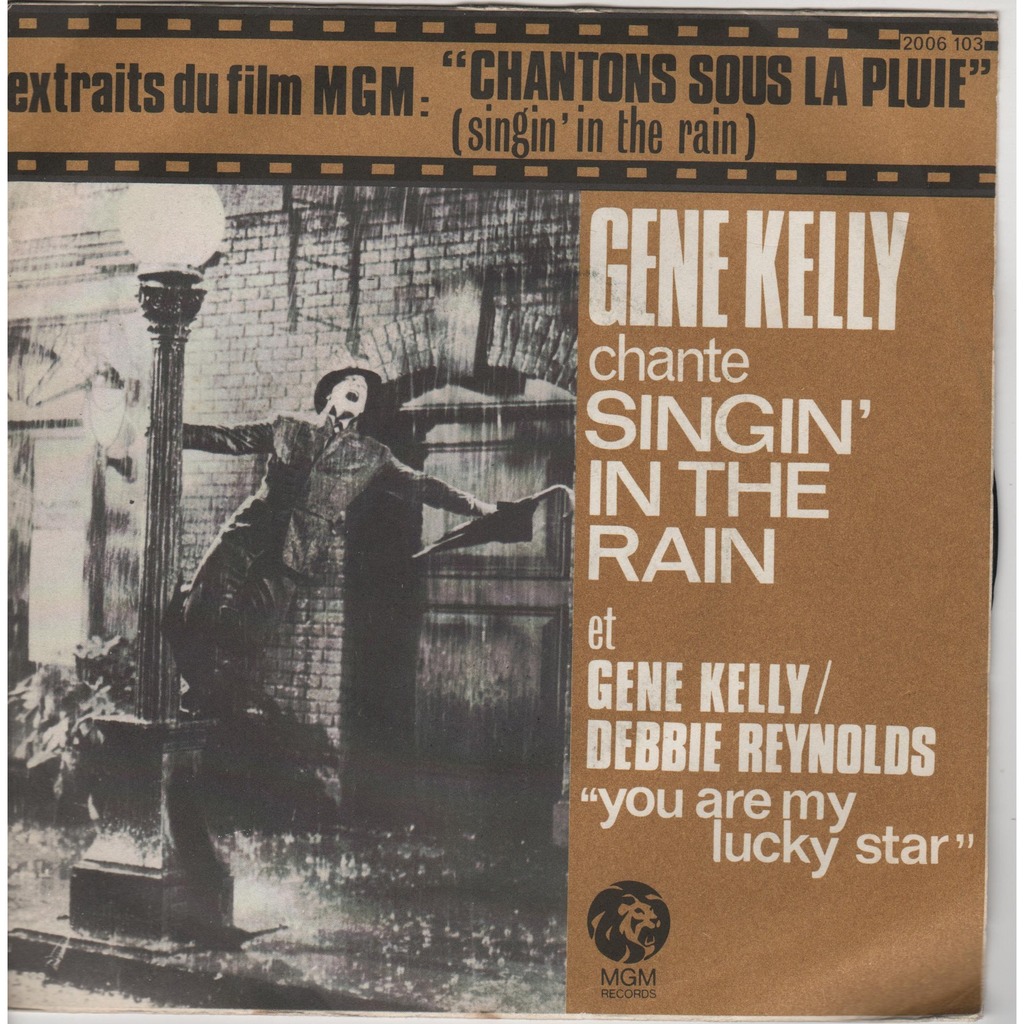
Singin’ In The Rain ~ Gene Kelly
.
.
Writers: Nacio Herb Brown and Arthur Freed
What George says: Forever synonymous with the film that took its name and used it for the terrific sequence in which H20-pelted singer Gene Kelly tap-dances his way into cinematic immortality, this has to be one of the perfect show tunes, not least when it opens up into full orchestral instrumental to allow space for Kelly’s rain-related chicanery. Its blend with the dance routine feels like kismet; a tune and routine that together express unbridled exuberance straight after the realisation you’ve fallen in love – after all, why else would you sing (and dance) in a downpour?
Recognition: Ranked #4 for 1952, #127 for the 1950s and #1582 for ‘all-time’ on allmusic.net‘s cumulatively ranked ‘top songs’ lists/ ranked #3 on the American Film Institute’s ‘100 Years… 100 Songs’ list (2004)
.
George’s runners-up: 2. Good Morning (Gene Kelly, Debbie Reynolds and Donald O’Connor)/ 3. Tenderly (Rosemary Clooney)/ 4. I Only Have Eyes For You (Billie Holiday)/ 5. Night Train (Buddy Murrow and his Orchestra)
And the rest: Because You’re Mine (Nat King Cole)/ Botch-A-Me (Ba-Ba-Baciami Piccina) (Rosemary Clooney)/ Delicado (Percy Faith)/ Here In My Heart (Al Martino)/ Make ‘Em Laugh (Donald O’Connor)/ Moses Supposes (Gene Kelly and Donald O’Connor)/ When I Fall In Love (Doris Day)
.
.
.
.
1953
.
Eisenhower inaugurated; Elizabeth II coronated; Stalin dies;
DNA discovered; Hillary and Norgay climb Everest; debut of Playboy magazine
.
Film:
Le Salaire de la Peur (The Wages Of Fear)
.

.
Directed by: Henri-Georges Clouzot/ Starring: Yves Montand, Charles Vanel, Peter van Eyck, Folco Lulli and Véra Clouzot/ Country: France/ Italy/ 131 minutes/ (Melodrama-thriller)
What George says: Overlong it may be, but this Franco-Italian-made, South American-set tale of desperate Europeans looking for any way to get out of the middle of nowhere and back home deceptively develops from a watchable melodrama into a taught thriller as the four most intriguing of them take on a death-defying job of driving trucks loaded high with nitroglycerine across 300 miles of wild roads to prevent an oil corporation’s bottom line taking a bit of a hit. Which of them will turn yellow and which dig deep and prove himself the ruthless ‘hero’? As much a study of testosterone-fuelled blokes under intense pressure as a thrill-ride in the face of high explosives, it’s thoroughly absorbing entertainment.
What the critics say: “The film’s extended suspense sequences deserve a place among the great stretches of cinema” ~ Roger Ebert/ “The excitement derives entirely from the awareness of nitroglycerine and the gingerly, breathless handling of it. You sit there waiting for the theatre to explode” ~ Bosley Crowther
Oscar count: 0 (but did win Best Film at 1953’s BAFTA Awards, the Palme d’Or award at 1953’s Cannes Film Festival and the Golden Bear award at 1953’s Berlin Film Festival)
Oscar’s Best Picture pick this year: From Here To Eternity
The public’s pick this year: Peter Pan (global box-office #1)
George’s runners-up: 2. From Here To Eternity; 3. Roman Holiday; 4. Peter Pan; 5. Gentlemen Prefer Blondes
And the rest: Genevieve; How To Marry A Millionaire; Niagara; The Robe; Stalag 17; The War Of The Worlds
.
.
.
Song:
Diamonds Are A Girl’s Best Friend ~
Marilyn Monroe
.

.
Writers: Jule Styne and Leo Robin
What George says: Fair dues, poor old Norma Jean was never a great chanteuse, but her performance of this subsequent standard from wonderful musical comedy Gentlemen Prefer Blondes is perfectly realised froth that’s rightly become the stuff of iconoclasm. A terrific on-screen tease throughout the ’50s, Monroe here delivers the ideal tease of a show number, being presented as both a (for her) traditional sexual fantasy object and a pseudo feminist gold-digger from Little Rock who’s more interested in big rocks than the male of the species. With its clever lyrics, Marilyn’s mostly coquettish singing and all-round irresistibility, it instantly became her high-glamour high-point.
What the critics say: “Marilyn Monroe’s … upbeat Diamonds are a Girl’s Best Friend, with Monroe clad in a bright pink ballgown and evening gloves, comes with an aching sense of decay and disillusion: ‘Men grow cold/ As girls grow old/ And we all lose our charms in the end/ But square-cut or pear-shaped/ These rocks don’t lose their shape/ Diamonds are a girl’s best friend’ … [It’s an assertion] of female independence; women choosing reliable diamonds over unreliable men” ~ Felicity Capon
Recognition: Ranked #12 on the American Film Institute’s ‘100 Years… 100 Songs’ list (2004)
.
George’s runners-up: 2. That’s Amore (Dean Martin)/ 3. Secret Love (Doris Day)/ 4. Mess Around (Ray Charles)/ 5. Rags To Riches (Tony Bennett)
And the rest: Dragnet (Ray Anthony)/ Hound Dog (Willie Mae ‘Big Mama’ Thornton)/ I’m Walking Behind You (Eddie Fisher)/ Never Smile At A Crocodile (Henry Calvin)/ Pretend (Nat King Cole)/ Street Scene (Alfred Newman)/ Takes Two To Tango (Louis Armstrong)/ Young At Heart (Frank Sinatra)/ Your Cheatin’ Heart (Hank Williams)
.
.
.
.
1954
.
The first nuclear submarine, USS Nautilus, is launched; report declares cigarettes cause cancer;
West Germany wins first World Cup; Roger Bannister breaks the ‘four-minute mile’
.
Film:
.
.
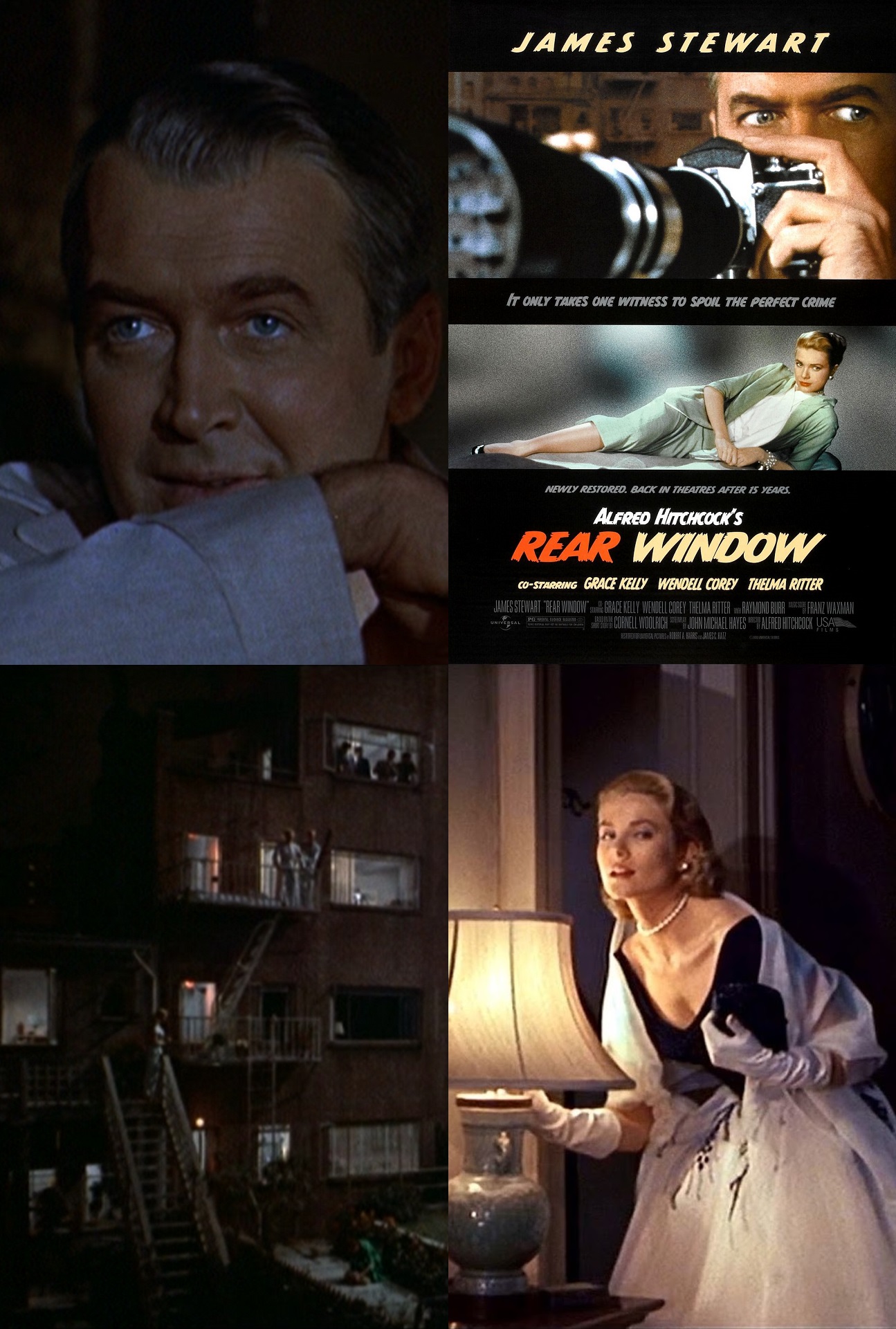
Directed by: Alfred Hitchcock/ Starring: James Stewart, Grace Kelly, Wendell Corey, Thelma Ritter and Raymond Burr/ Country: USA/ 118 minutes/ (Psychological thriller)
What George says: Lighter and less challenging than Vertigo (1958) and Psycho (1960) it may be, but Rear Window is Hitch at the peak of his powers. Setting himself the challenge of making a top-notch movie set entirely in a limited space (merely the larger room of a two-room apartment), the ‘master of suspense’ achieves it with bells and flashbulbs on, turning his tale of James Stewart’s wheelchair-bound amateur sleuth and his glorious fashion model girlfriend Grace Kelly suspecting and then trying to solve a murder, while spying on the neighbours, into an exercise of embroiling the audience into unwitting voyeurism too – it’s arguably one of the great coups of cinema. A sardonic delight throughout, with an astonishingly well realised and well filmed apartment-block set; Stewart’s hero may not agree, but frankly we never want him to have that leg cast removed.
What the critics say: “[Rear Window] develops such a clean, uncluttered line from beginning to end that we’re drawn through it (and into it) effortlessly. The experience is not so much like watching a movie, as like … well, like spying on your neighbours. Hitchcock traps us right from the first … And because Hitchcock makes us accomplices in Stewart’s voyeurism, we’re along for the ride” ~ Roger Ebert
Oscar count: 0
Oscar’s Best Picture pick this year: On The Waterfront
The public’s pick this year: White Christmas (US box-office #1)
George’s runners-up: 2. Shichinin No Samurai (Seven Samurai); 3. On The Waterfront; 4. White Christmas; 5. Hobson’s Choice
And the rest: Animal Farm; The Caine Mutiny; The Country Girl; Dial M For Murder; Sabrina; A Star Is Born; 20,000 Leagues Under The Sea
.
.
.
Song:
Judy Garland
.
.
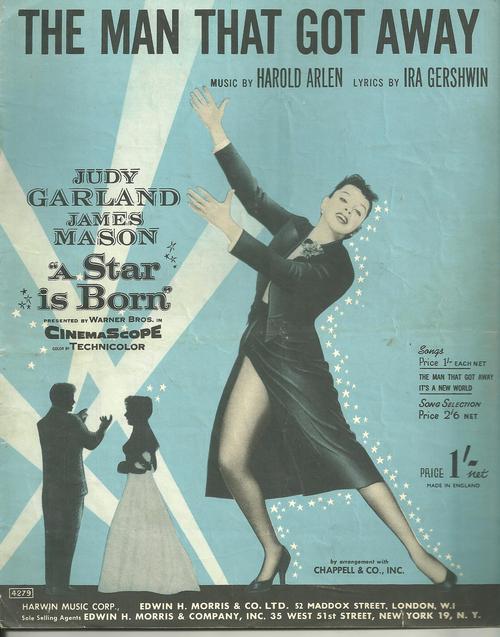
Writers: Harold Arlen and Ira Gershwin
What George says: As torch songs go, it don’t get much better than this. We’re talking Edith Piaf territory here – and then some. Written for A Star Is Born, specifically the scene in which would-be-svengali James Mason discovers Judy Garland’s talent in an after-session nightclub, this slow, jazzy, melancholic, remorseful and eventually – as it builds and builds – searing tune is the one that convinces him she’s he’s the one he’s looking for. Let’s be honest, thanks to her impassioned, outstanding performance, we’re all James Mason sitting in the dark instantly falling for her.
Recognition: Nominated for the Best Original Song at 1954’s Oscars/ ranked #11 on the American Film Institute’s ‘100 Years… 100 Songs’ list (2004)
.
George’s runners-up: 2. Mambo Italiano (Rosemary Clooney)/ 3. Sway (Dean Martin)/ 4. My Funny Valentine (Sarah Vaughan)/ 5. Someone To Watch Over Me (Frank Sinatra)
And the rest: Almost Like Being In Love (Gene Kelly)/ Count Your Blessings (Instead Of Sheep) (Bing Crosby and Rosemary Clooney)/ Earth Angel (Will You Be Mine) (The Penguins)/ The Gal That Got Away; I Get A Kick Out Of You; My Funny Valentine; They Can’t Take That Away From Me (Frank Sinatra)/ Sisters (Rosemary Clooney)/ Embraceable You; September Song (Sarah Vaughan with Clifford Brown)/ La Vie En Rose (Audrey Hepburn)/ Snow; White Christmas (Bing Crosby, Danny Kaye, Rosemary Clooney and Trudy Stevens)
.
.
And coming soon…
George’s pick of the flicks
and top of the pops ~ 1955-59
.
.
George’s Journal’s fourth birthday party: forty years of undeniable legends (1950-89)

(Summer of ) Love train? a collision of legendary ’60s rock royalty as Paul McCartney and Mick Jagger share a railway carriage aboard a train leaving London’s Euston Station in 1967
So, how was the birthday cake yesterday, peeps? Must say, you really are a greedy bunch. Not only have you scoffed all that sponge, raspberry jam, cream and icing, but I get the feeling you’d like more post-related birthday party shenanigans, wouldn’t you? Just as well then I’ve another dose of pictorial near-perfection up my virtual sleeve, for here comes the second of two posts celebrating this blog’s fourth anniversary (which it’s actually celebrating this very day, don’cha know).
So, folks, following on from yesterday’s ‘Talent’-tastic offering, today’s is an image-based bumper collection of ‘Legends‘ from across this nook of the Internet’s favoured four decades past. Whether they represent the fields of film, TV, music, sport or unrivalled human achievement, the legends of the ’50s, ’60s, ’70s and ’80s are all here. Oh yes. So, let’s, each and every one of us, crack out the brandy and toast the great men of lore – oh, and George’s Journal, of course…
.
CLICK on the images for full-size
.
.
1950 ~ Nat King Cole
Making this year his by: recording one of his career-defining tunes Mona Lisa, which will top the US charts for a full four weeks and win the Oscar for Best Original Song (after appearing in the film Captain Carey, USA)
.

.
.
.
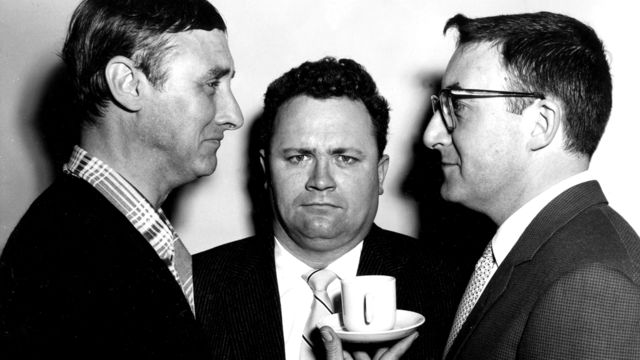
.1951 ~ Spike Milligan, Peter Sellers
and Harry Secombe
Making this year theirs by: revolutionising comedy for all-time by coming up with the first season of the nation-gripping BBC radio programme The Goon Show (1951-60)
.
.
.
.
.
1952 ~ Richard Burton
Making this year his by: unleashing his immense talent on America by making his Hollywood debut in – and winning the first of his seven Oscar nominations for – My Cousin Rachel
.

.
.
.
.
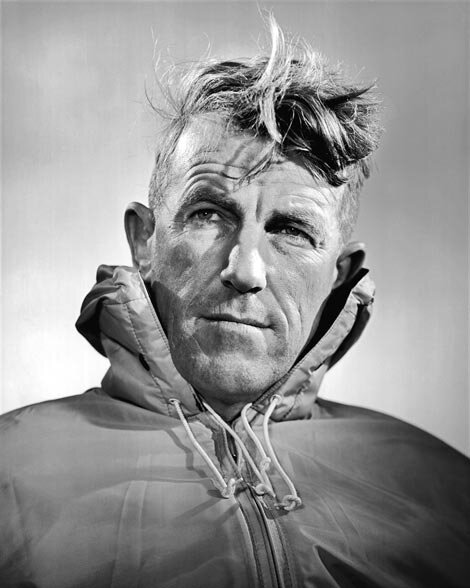
1953 ~ Edmund Hillary
Making this year his by: becoming the first human being to make it to the summit of Mount Everest, along with Nepalese sherpa extraordinaire Tenzing Norgay; he will devote much of the rest of his life to improving the lives of the Sherpa people through the Himalayan Trust
.
.
.
.
.
1954 ~ Frank Sinatra
Making this year his by: resurrecting his career by winning an Oscar for his role in From Here To Eternity (1953) and bouncing back to the top of the charts with his first two albums for Capitol Records, Songs For Young Lovers and Swing Easy!
.

.
.
.
.
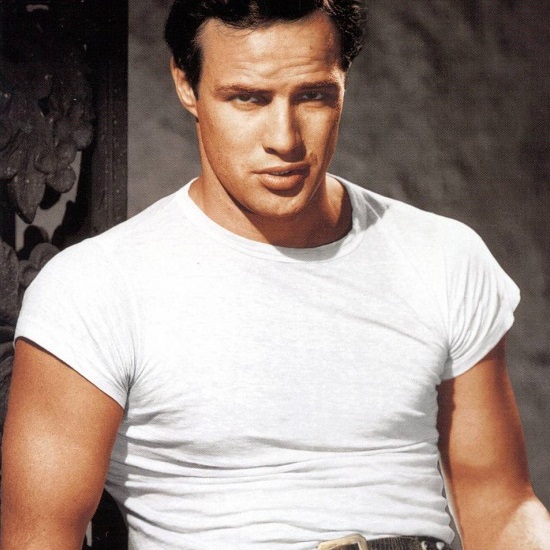
1955 ~ Marlon Brando
Making this year his by: winning the first of his two Oscars (the one he didn’t turn down) and changing film acting forever thanks to a powerhouse performance in Elia Kazan’s blistering On The Waterfront (1954)
.
.
.
.
.
1956 ~ Elvis Presley
Making this year his by: becoming rock ‘n’ roll’s de facto leader thanks to his unforgettable first national TV appearances, eponymous debut album and sensational singles Heartbreak Hotel, Blue Suede Shoes, Hound Dog and Love Me Tender
.

.
.
.
.
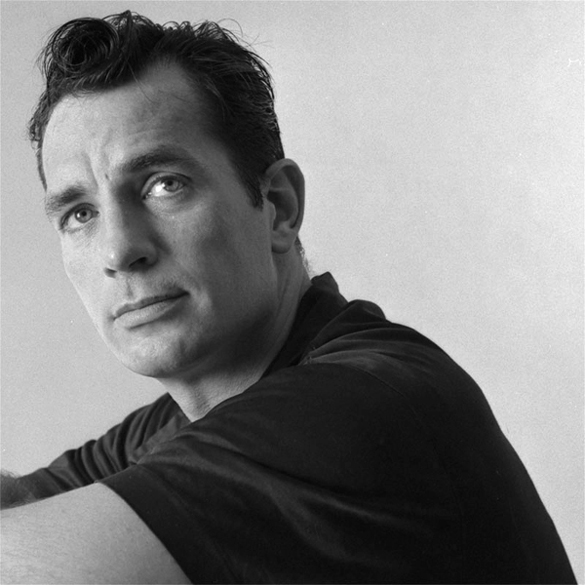
1957 ~ Jack Kerouac
Making this year his by: having his debut novel On The Road (written in 1951) finally published, immediately catapulting him to the head of the ‘Beat Generation’ pack
.
.
.
.
.
1958 ~ David Niven
Making this year his by: confirming himself as the ultimate English-gent-Hollywood-insider by following up his turn as Phileas Fogg in Around The World In 80 Days (1956) with an Oscar-winning performance in Separate Tables
.

.
.
.
.
1959 ~ Cary Grant
Making this year his by: providing the perfectly urbane yet somehow also everyman-in-peril heroic lead to Alfred Hitchcock’s adventure masterpiece North By Northwest
.

.
.
.
.
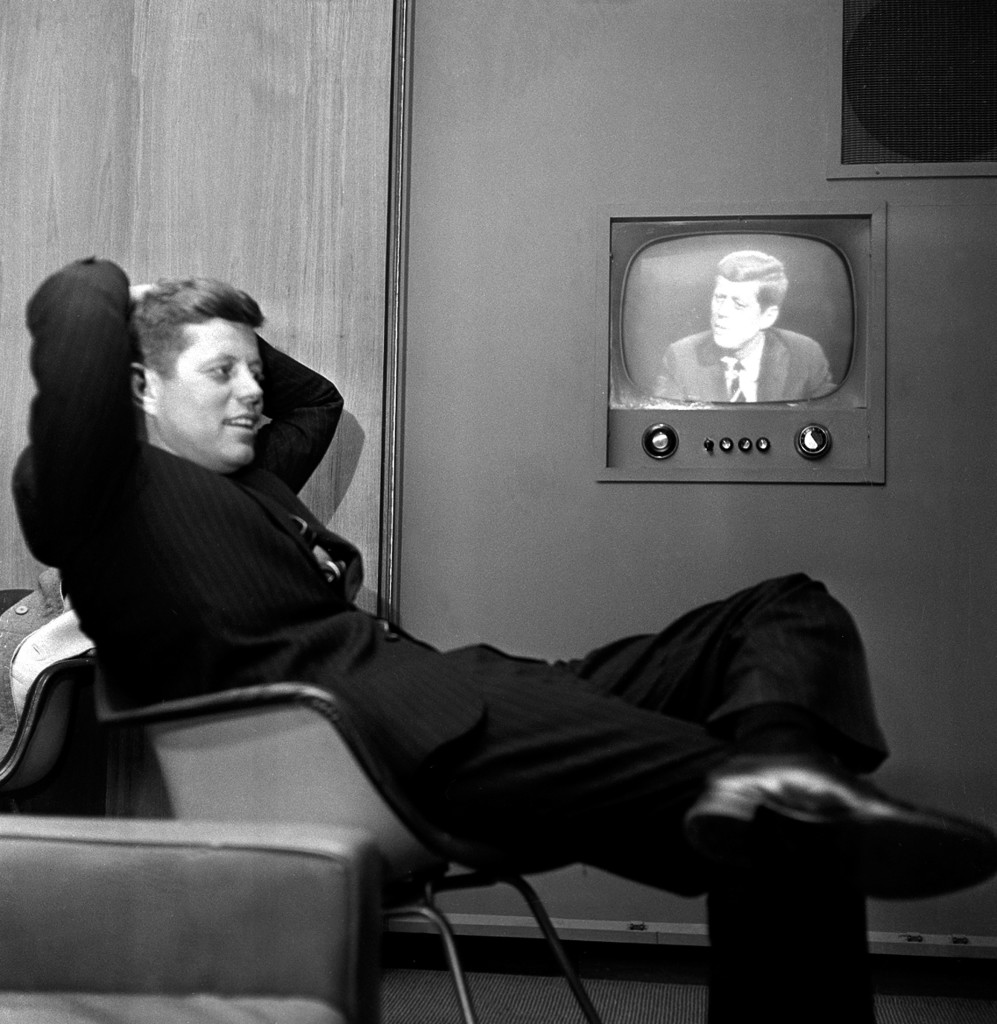
1960 ~ John F Kennedy
Making this year his by: becoming the 35th – and youngest ever elected – President of the United States
.
.
.
.
.
1961 ~ Peter Cook, Dudley Moore,
Alan Bennett and Jonathan Miller
Making this year theirs by: setting The Establishment in their sights and ushering in a dynamic, devastating era of satire as they take their Beyond The Fringe revue to the West End
.

.
.
.
.
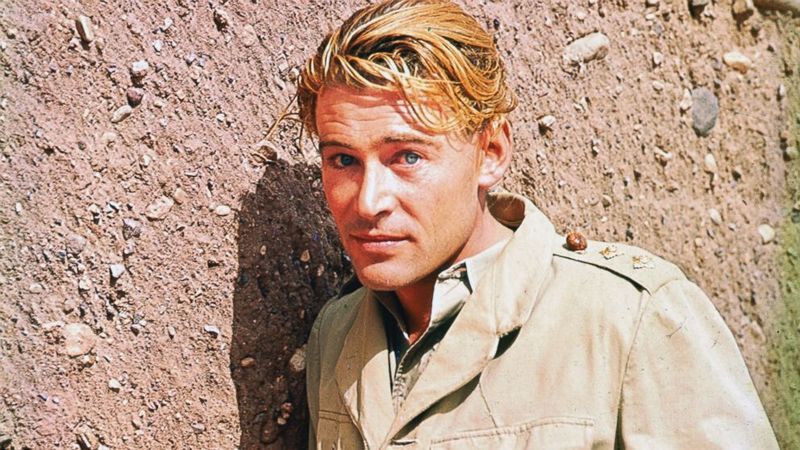
1962 ~ Peter O’Toole
Making this year his by: becoming an instant global star via a perfectly nuanced lead performance in the awesome Lawrence Of Arabia
.
.
.
.
.
1963 ~ Martin Luther King Jr.
Making this year his by: leading the ‘March on Washington’ and delivering his extraordinary ‘I have a dream’ speech, thereby giving the civil rights movement a momentous leap forward
.

.
.
.
.
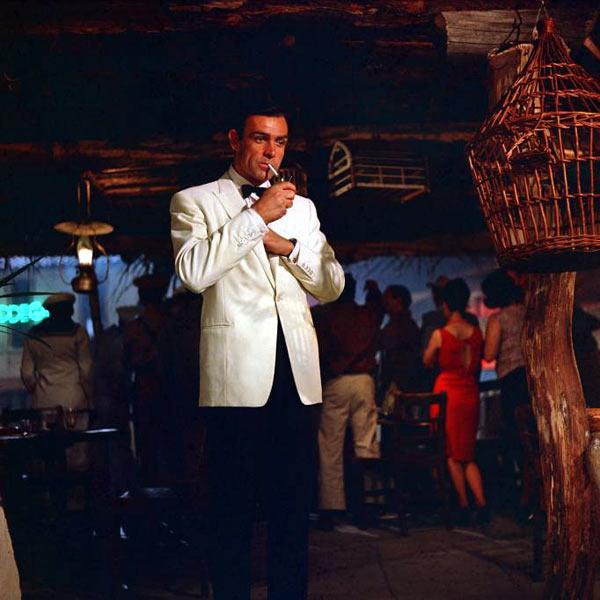
1964 ~ Sean Connery
Making this year his by: redefining cool by sporting that white tuxedo jacket and red carnation as very special secret agent 007 in the utterly iconic Goldfinger
.
.
.
.
.
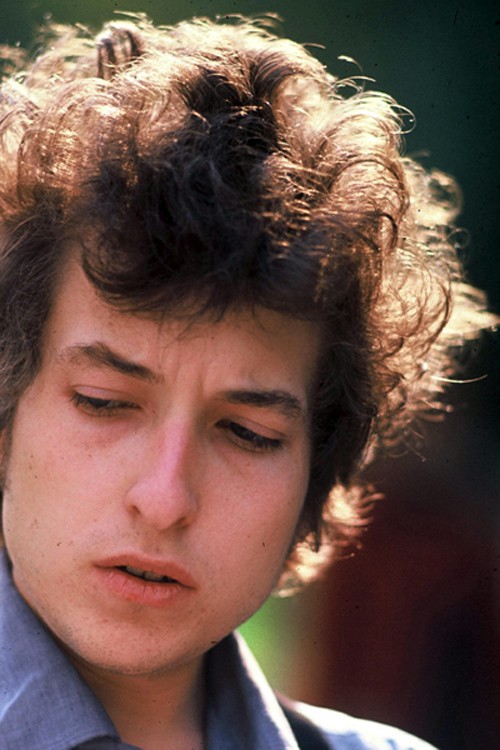
1965 ~ Bob Dylan
Making this year his by: ruffling feathers throughout the folk scene by going electric, but inspiring an entire generation by releasing the albums Bringing It Back Home and Highway 61 Revisited and the singles The Times They Are A-Changin’, Subterranean Homesick Blues, Like A Rolling Stone and Positively 4th Street
.
.
.
.
.
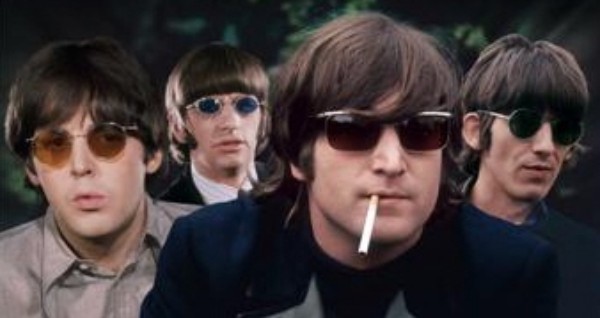
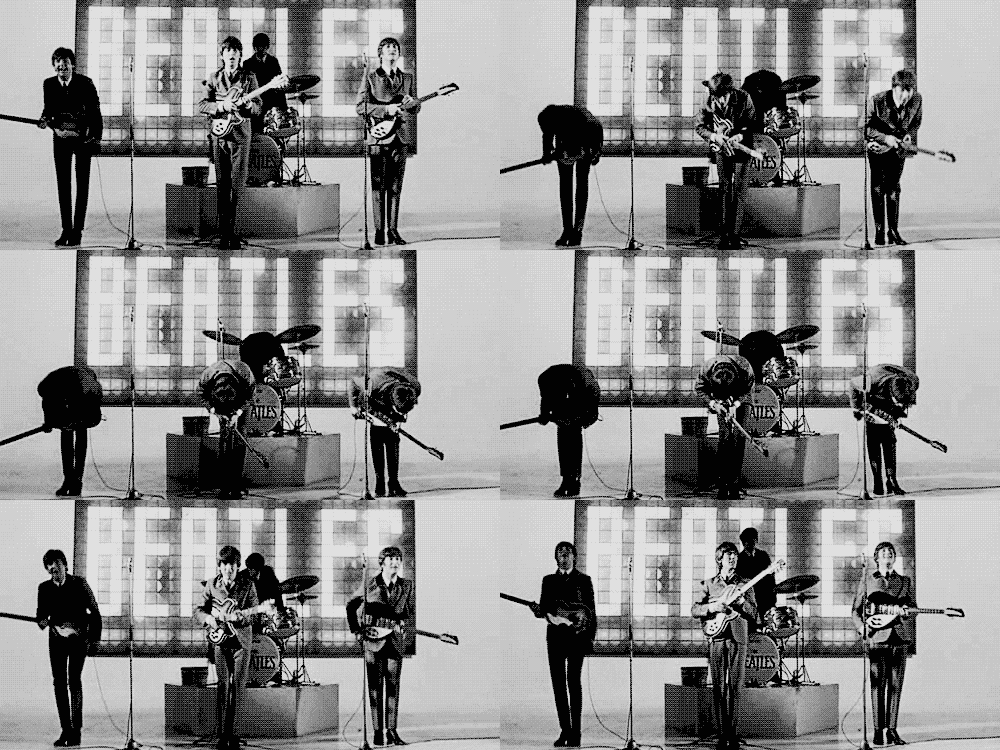
1966 ~ The Beatles
Making this year theirs by: recording their (and the world’s?) best ever album Revolver, while looking like the coolest people ever to have walked the Earth
.
.
.
.
.
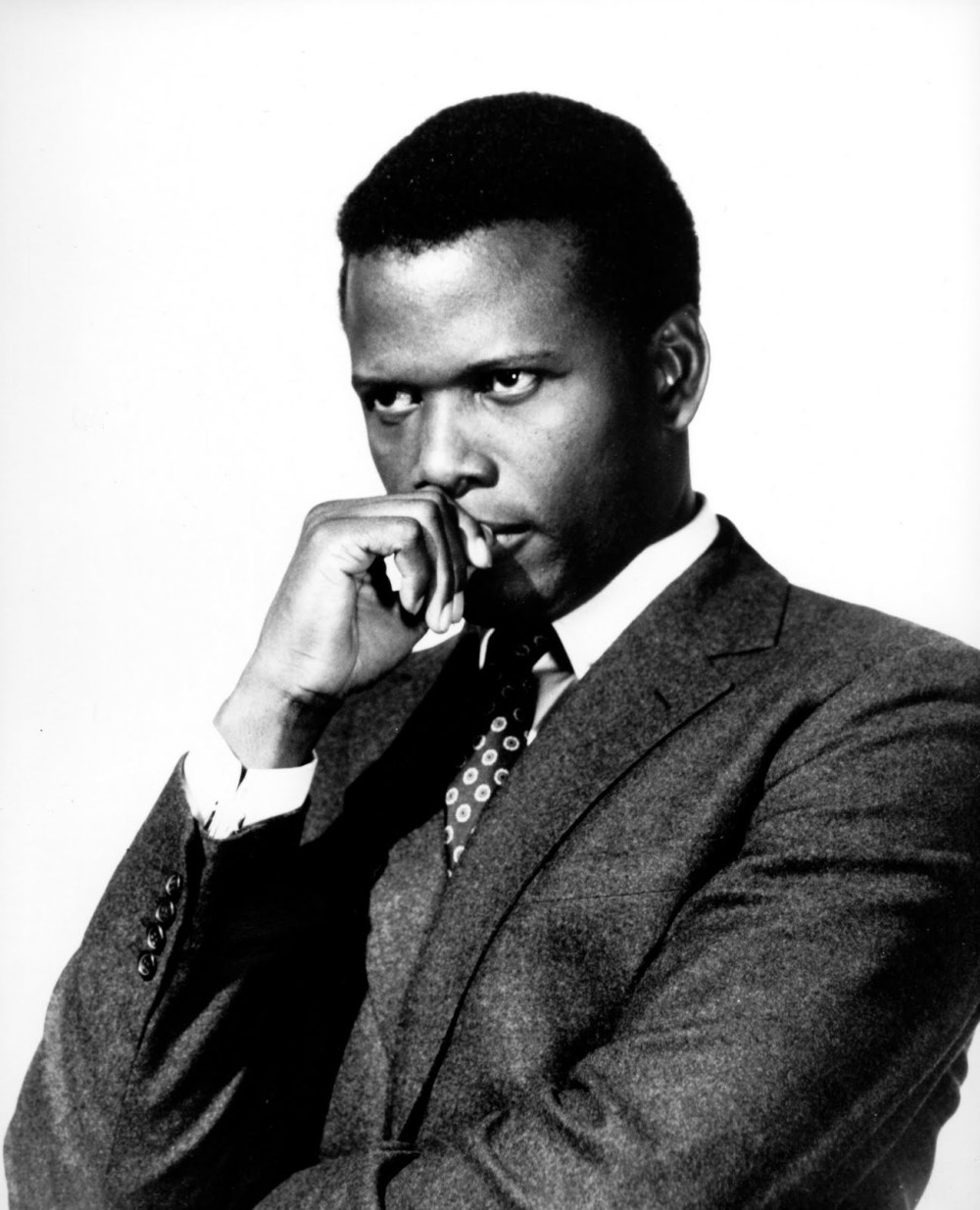
1967 ~ Sidney Poitier
Making this year his by: headlining the trio of blockbusters Guess Who’s Coming To Dinner, In The Heat Of The Night and To Sir, With Love, making him the year’s #1 box-office star
.
.
.
.
.
1968 ~ George Best
Making this year his by: consolidating his reputation as ‘The Fifth Beatle’ by proving the catalyst in Manchester United winning football’s European Cup – the first English club to do so
.

.
.
.
.
1969 ~ Neil Armstrong, Buzz Aldrin
and Michael Collins
Making this year theirs by: going to The Moon. And, in the case of Armstrong and then Aldrin, becoming the first peeps ever to set foot and walk on it
.

.
.
.
.
1970 ~ Pelé
Making this year his by: displaying dazzling display after dazzling display in Mexico’s World Cup for the incredible Brazil, whom keep the trophy after winning it a record third time
.

.
.
.
.
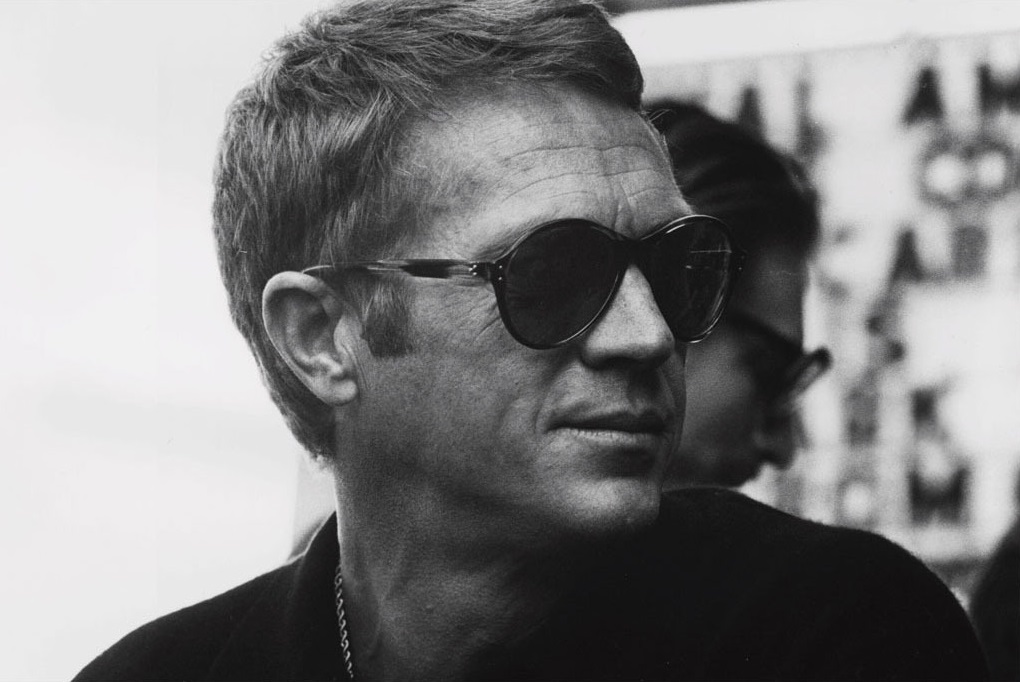
1971 ~ Steve McQueen
Making this year his by: confirming his ‘King of Cool’ credentials by following up racing car drama Le Mans (1971) by filming visceral thriller The Getaway (1972) with girlfriend Ali McGraw
.
.
.
.
.
1972 ~ The Rolling Stones
Making this year theirs by: becoming tax exiles in Southern France but turning out their career masterpiece, the album Let It Bleed
.

.
.
.
.
1973 ~ David Bowie
Making this year his by: leading glam rock to dizzying heights with his Ziggy Stardust alter ego and the sensational Spiders From Mars album
.

.
.
.
.
1974 ~ Muhammad Ali
Making this year his by: regaining boxing’s World Heavyweight title for an astonishing fourth time by beating George Foreman in perhaps the sporting event of the decade, Zaire’s ‘The Rumble in the Jungle’
.

.
.
.
.
1975 ~ Dustin Hoffman, Robert Redford,
Bob Woodward and Carl Berstein
Making this year theirs by: the two Hollywood stars making the world aware, via the brilliant All The President’s Men, just how the ace Washington Post journos’ investigating precipitated the Watergate scandal
.

.
.
.
.
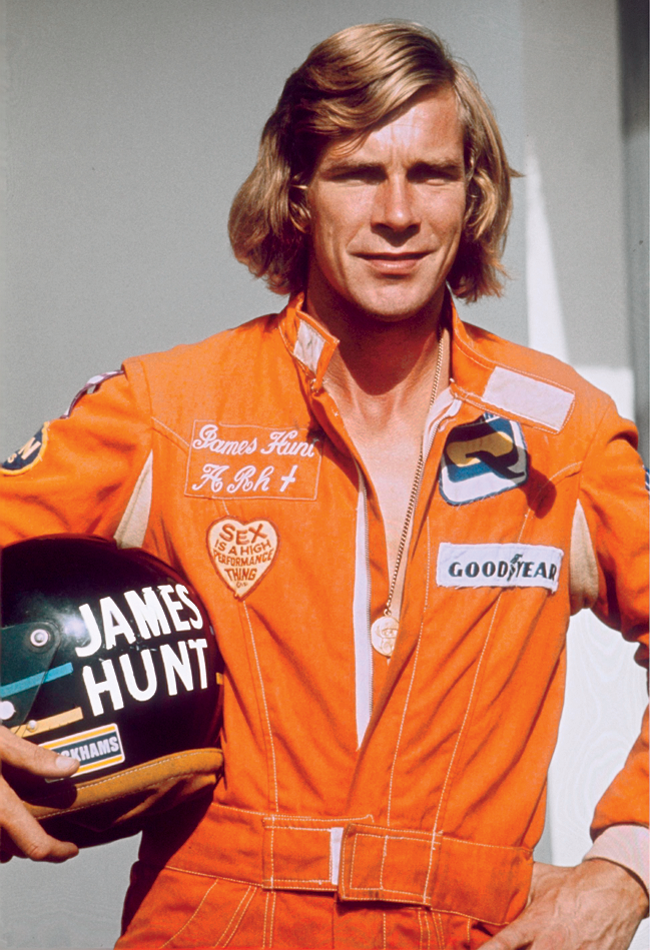
1976 ~ James Hunt
Making this year his by: leading an enviable jet-setting playboy lifestyle while somehow becoming the Formula 1 World Champion with race team McLaren
.
.
.
.
.
1977 ~ Roger Moore
Making this year his by: irresistibly embossing the Sir Rog brand all over his favourite Bond film The Spy Who Loved Me, ensuring summer ’77 truly was the season of 007
.

.
.
.
.
1978 ~ Morecambe and Wise
Making this year theirs by: riding the crest of the wave generated by their 1977 Christmas special attracting an audience of 28 million across Blighty – and following it up in this year’s by (despite moving from the Beeb to ITV) featuring and sending up recently stepped-down PM Harold Wilson
.

.
.
.
.
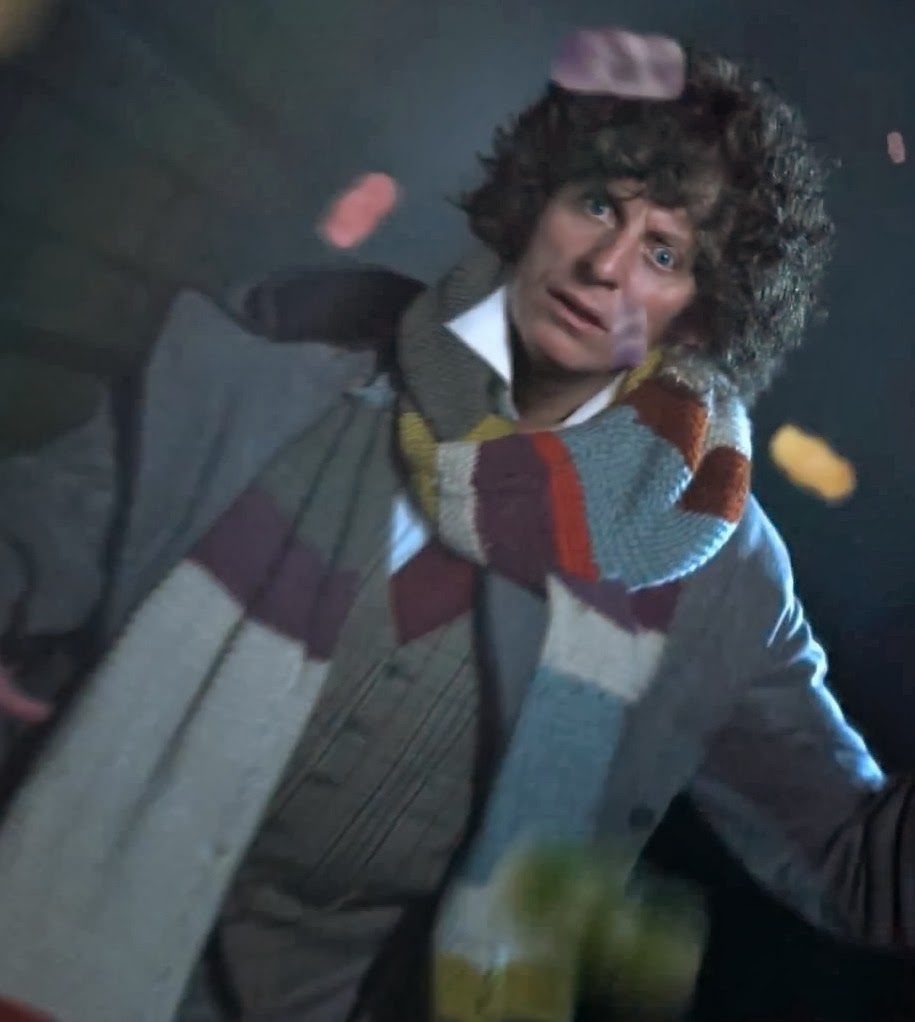
1979 ~ Tom Baker
Making this year his by: confirming his status as ‘the master’ of all Docs by seeing his City Of Death serial of Doctor Who (1963-present) attract 16 million Saturday teatime viewers
.
.
.
.
.
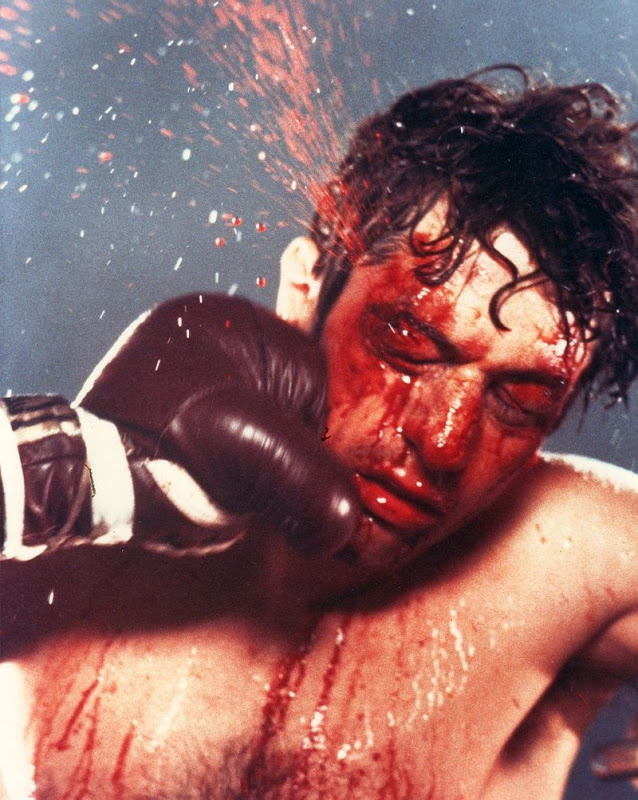
1980 ~ Robert De Niro
Making this year his by: delivering an utterly knock-out, Oscar-winning performance as boxing hero-to-zero Jake La Motta in Martin Scorsese’s Raging Bull
.
.
.
.
.
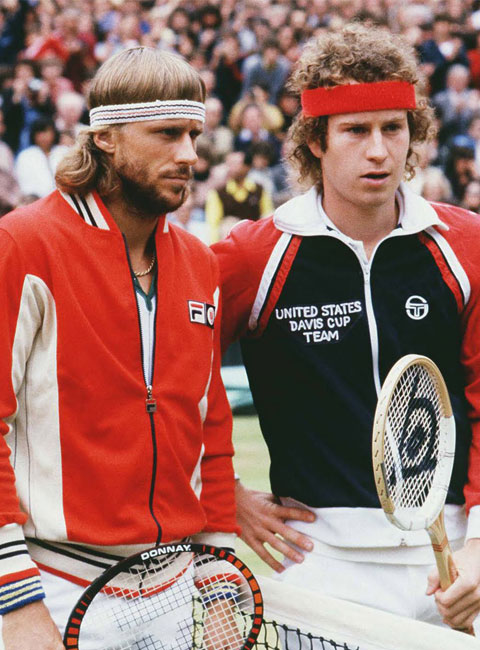
1981 ~ John McEnroe and Bjorn Borg
Making this year theirs by: ensuring their rivalry reaches its zenith in a climactic encounter in the Wimbledon tennis final – which saw the outspoken New Yorker (immortalising his ‘You can’t be serious!’ exclamation at this tournament) finally defeat the ice-cool Swede
.
.
.
.
.
1982 ~ Harrison Ford
Making this year his by: completing an incredible three-year-hat-trick by following up The Empire Strikes Back (1980) and Raiders Of The Lost Ark (1981) with lead duties in Ridley Scott’s ingenious sci-fi noir Blade Runner (1982)
.

.
.
.
.
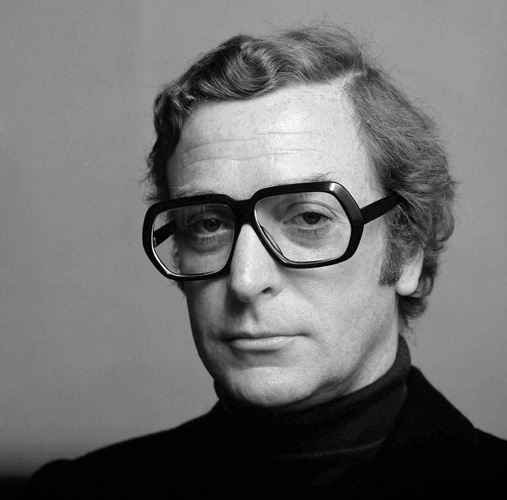
1983 ~ Michael Caine
Making this year his by: putting one too many box-office bombs behind him by going on to win a BAFTA and getting Oscar-nominated for maybe his best ever performance in the brilliant class-improvement-themed comedy drama Educating Rita
.
.
.
.
.
1984 ~ Daley Thompson
Making this year his by: superbly winning back-to-back Olympic decathlon gold medals in Los Angeles, then winding up Brit traditionalists by whistling God Save The Queen on the podium but charming the socks off everyone else
.

.
.
.
.
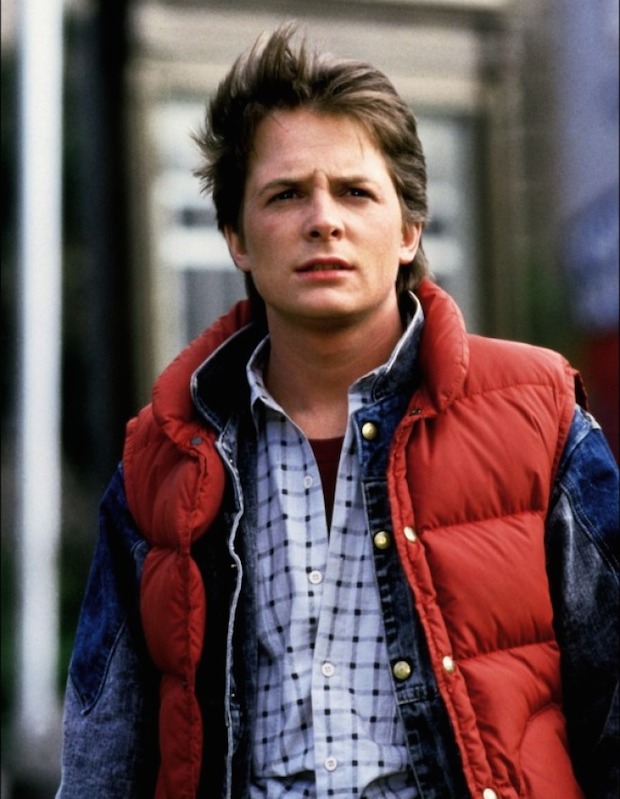
1985 ~ Michael J Fox
Making this year his by: starring in both the #1 movie at the box office and the #1 show on US TV – that’d be, respectively, Back To The Future and Family Ties (1982-89) then
.
.
.
.
.
1986 ~ Freddie Mercury
Making this year his by: following up a sensational set that made 1984’s phenomenal trans-Atlantic Live Aid rock/ pop event in aid of Ethiopian famine relief with another sell-out but Queen-only gig at Wembley stadium
.

.
.
.
.
1987 ~ Paul Newman
Making this year his by: earning himself a Best Actor Oscar thanks to hitting the green beize again as ‘Fast’ Eddie Felson (from 1961’s The Hustler) in Scorsese’s The Color Of Money
.

.
.
.
.
1988 ~ Mikhail Gorbachev
Making this year his by: launching Glastnost, his programme of increased openness throughout the Soviet Union, thus taking a decisive step towards ending the Cold War (and dismantling the nation of which he’s premier)
.

.
.
.
.
1989 ~ Frank Bruno
Making this year his by: going toe-to-toe in the ring with World Heavyweight boxing champion Mike Tyson and thus becoming a British national hero – before appearing in panto
.

.
.
.
.
.
.

Mirror, mirror, on the wall, who’s the fairest of them all? the angelic Audrey Hepburn and the glorious Grace Kelly greet each other backstage at the 1955 Academy Awards ceremony
Yes, believe it or not, but this very nook of the Internet has been around for (almost exactly) four years. Tell me, have you been checking it out since the very beginning? Well, if not don’t worry, peeps, because although that means you’ll have missed out some, er, quality posts celebrating many a cultural touchstone from decades past, you’re more than invited to share in with George’s Journal‘s fourth birthday celebrations. Oh yes you are.
But following on the heels of the three posts published for the blog’s previous anniversaries (check out 2011’s here, 2012’s here and 2013’s here), just what’s coming your way this year? Well, it’s a two-legged affair, folks, the first half of which is a post of pictorial plenitude that itself celebrates some of the greatest (ahem) ‘Talent‘ to have graced the globe with their beauty and brilliance across the last 40 years (’40’ for a fourth birthday, geddit? Er, yes).
So, without further ado, let’s get the party started, shall we – but don’t all crowd round at once, chaps, there’s enough birthday cake for everyone; no really, there is, I promise…
.
CLICK on the images for full-size
.
.
.
1950 ~ Katharine Hepburn
Making waves this year for: enjoying the critical and public acclaim garnered by her husband-and-wife ‘battle of the sexes’ comedy hit Adam’s Rib, released it late ’49, in which she stars opposite love of her real-life Spencer Tracy
.

.
.
.
.
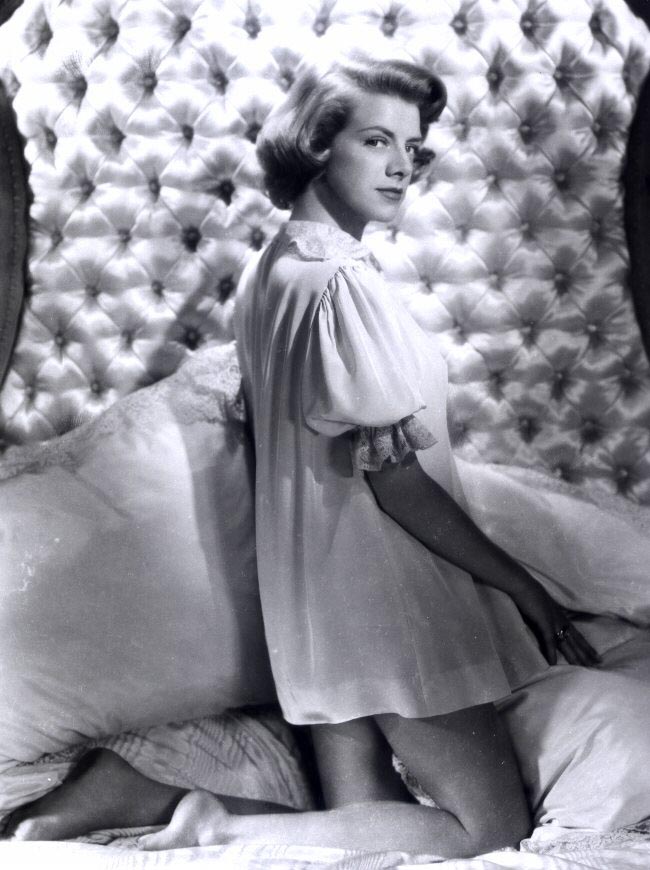
1951 ~ Rosemary Clooney
Making waves this year for: pre-White Christmas (1954) and becoming George’s aunt, recording the single Come On-A My House, which hits top spot in the US charts and stays there for eight weeks
.
.
.
.
.
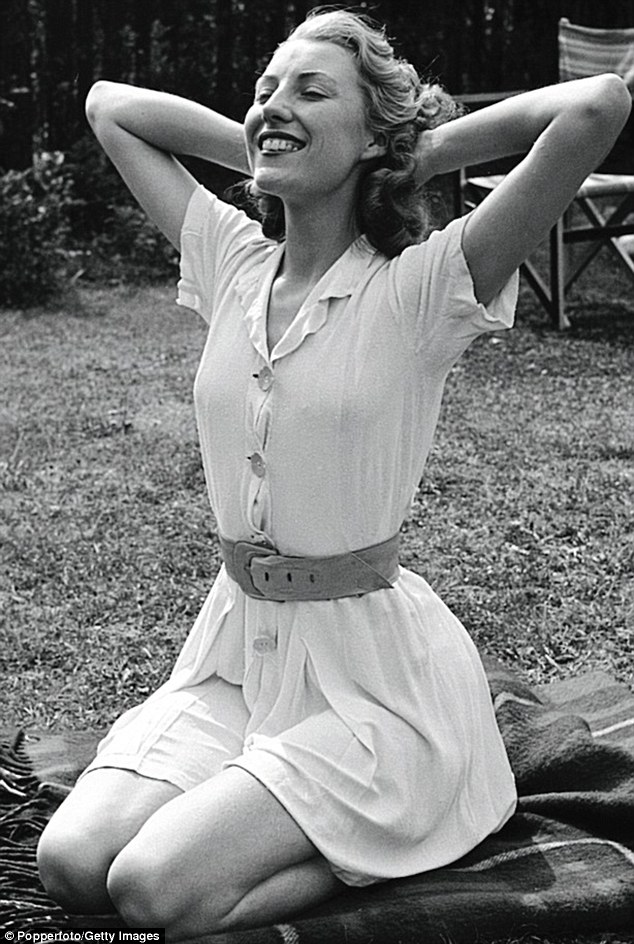
1952 ~ Vera Lynn
Making waves this year for: building on her role as Blighty’s ‘forces’ sweetheart’ during World War Two by scoring a trio of UK top 10 hits, Forget-Me Not, The Homing Waltz and Auf Weiderseh’n Sweetheart – the latter of which becomes the first song by a British artist to top the US charts
.
.
.
.
.
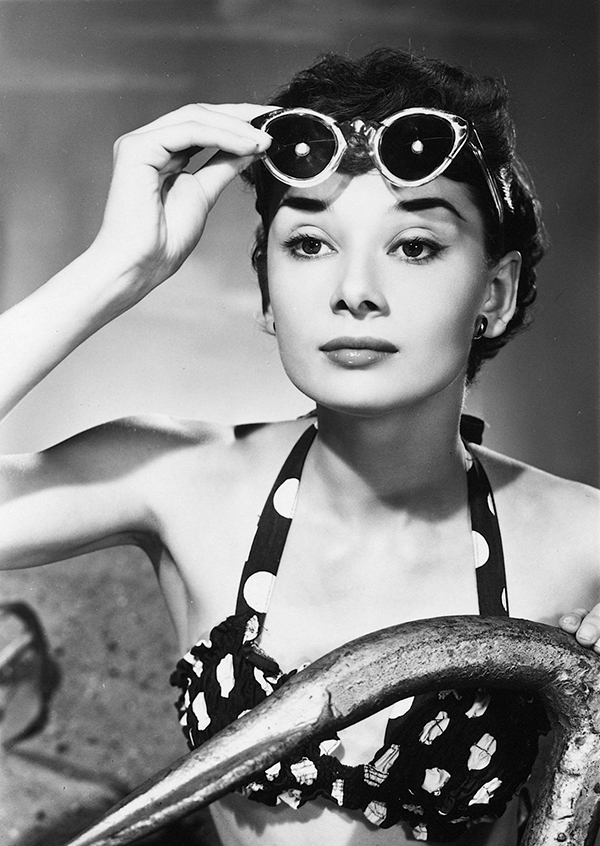
1953 ~ Audrey Hepburn
Making waves this year for: making the world instantly fall in love with her angelic charms by starring in her Hollywood debut Roman Holiday – and going on to win an Oscar for it
.
.
.
.
.
1954 ~ Grace Kelly
Making waves this year for: sparkling opposite James Stewart in Hitchcock’s classic thriller Rear Window and giving an Oscar-winning performance in The Country Girl
.

.
.
.
.
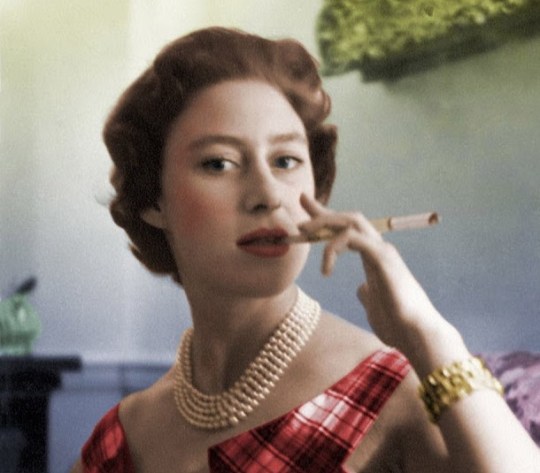
1955 ~ Princess Margaret
Making waves this year for: for right or wrong, being denied the opportunity to marry the man she loves, Captain Peter Townshend – because he’s divorced and she’s royal. Still looks fantastic with a cigarette holder, though
.
.
.
.
.
1956 ~ Deborah Kerr
Making waves this year for: teaching the kids (and Yul Brynner) how to fall in love with her in The King And I
.

.
.
.
.
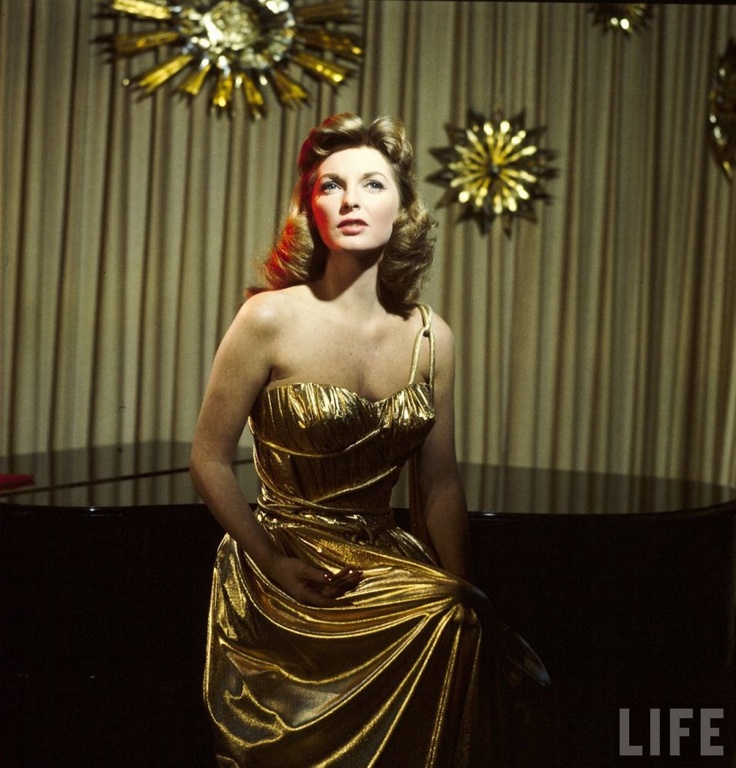
1957 ~ Julie London
Making waves this year for: hitting her prime on the hit-parade and in Hollywood
.
.
.
.
.
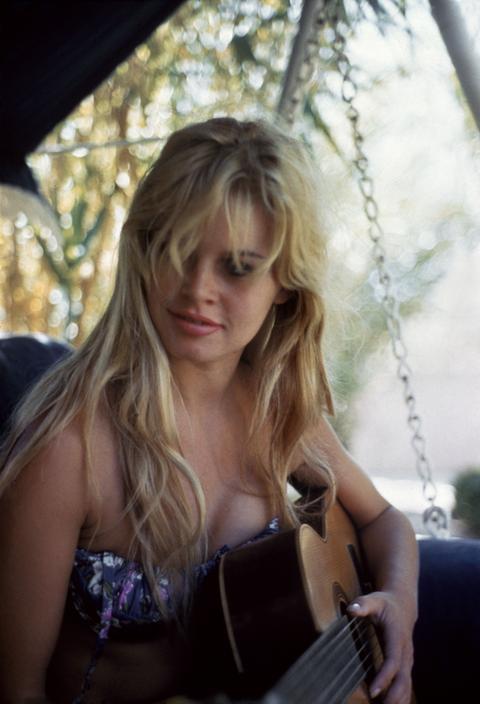
1958 ~ Brigitte Bardot
Making waves this year for: after becoming an icon for all-time in Roger Vadim’s Et Dieu… Créa La Femme (And God Created Woman) (1956), solidifying her ‘B.B.’ brand
.

.
.
.
.
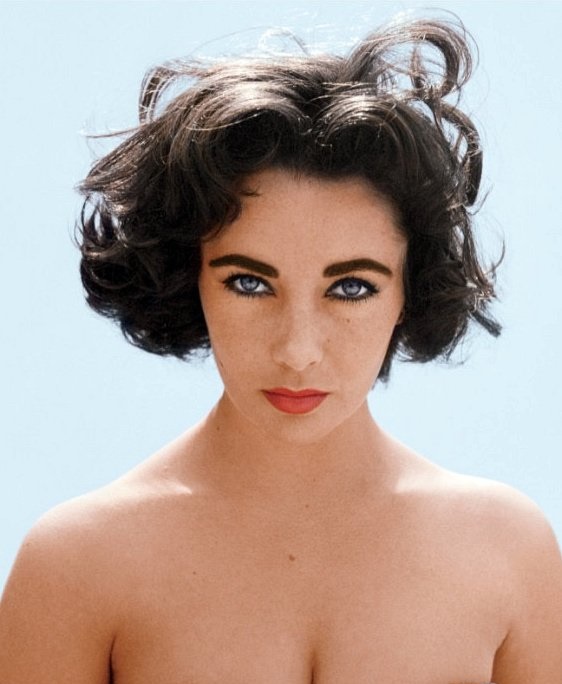
1959 ~ Elizabeth Taylor
Making waves this year for: receiving her second Oscar nomination for Tennessee Williams adaptation Suddenly, Last Summer and filming the hard-hitting drama for which she’ll win her first, Butterfield 8 (1960), while securing Hollywood’s (then) record paycheck – a cool $1 million for Cleopatra (1963)
.
.
.
.
.
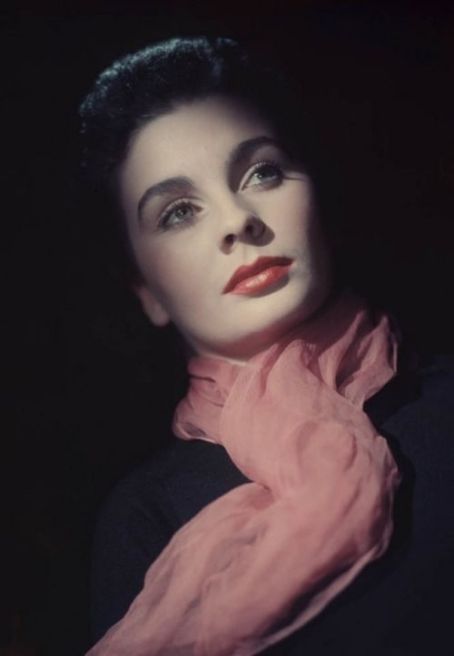
1960 ~ Jean Simmons
Making waves this year for: enjoying something of an annus mirabilis by starring in the triple-header that’s Spartacus, Elmer Gantry and The Grass Is Greener
.
.
.
.
.
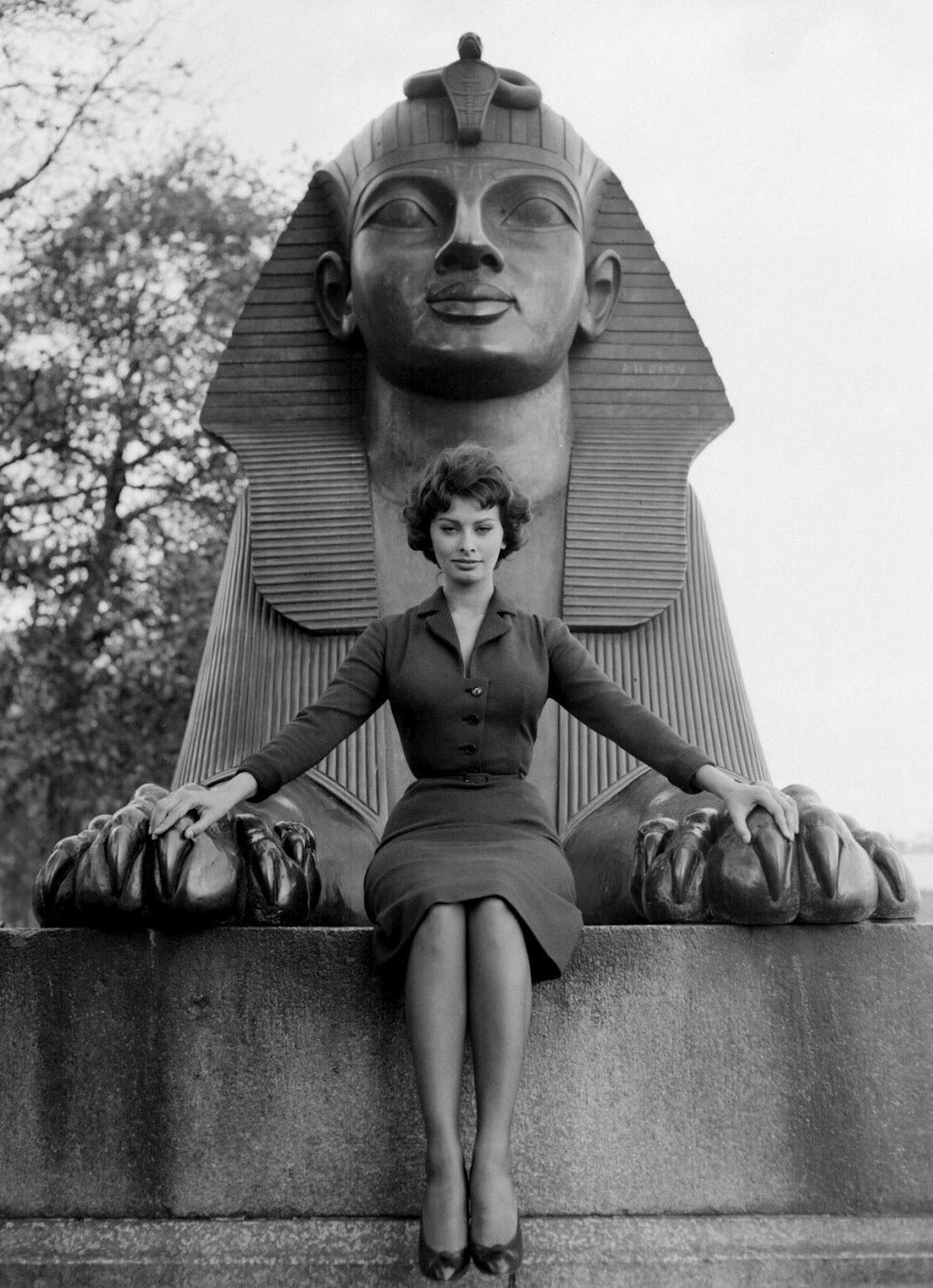
1961 ~ Sophia Loren
Making waves this year for: becoming the first Oscar-winner in a non-English language role for her lead performance in La Ciociara (Two Women)
.
.
.
.
.
1962 ~ Marilyn Monroe
Making waves this year for: leaving a stunned world behind on August 5 – just weeks (maybe days) after the iconic images below were captured for eternity
.


.
.
.
.
1963 ~ Christine Keeler
Making waves this year for: becoming utterly infamous for her central involvement in the ‘Profumo Affair’
.

.
.
.
.
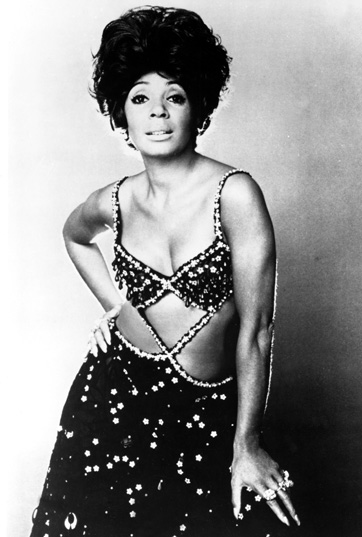
1964 ~ Shirley Bassey
Making waves this year for: delivering the Bond tune against which all that follow it’ll be judged, the John Barry-, Leslie Bricusse- and Anthony Newley-penned 24-carat classic Goldfinger
.
.
.
.
.
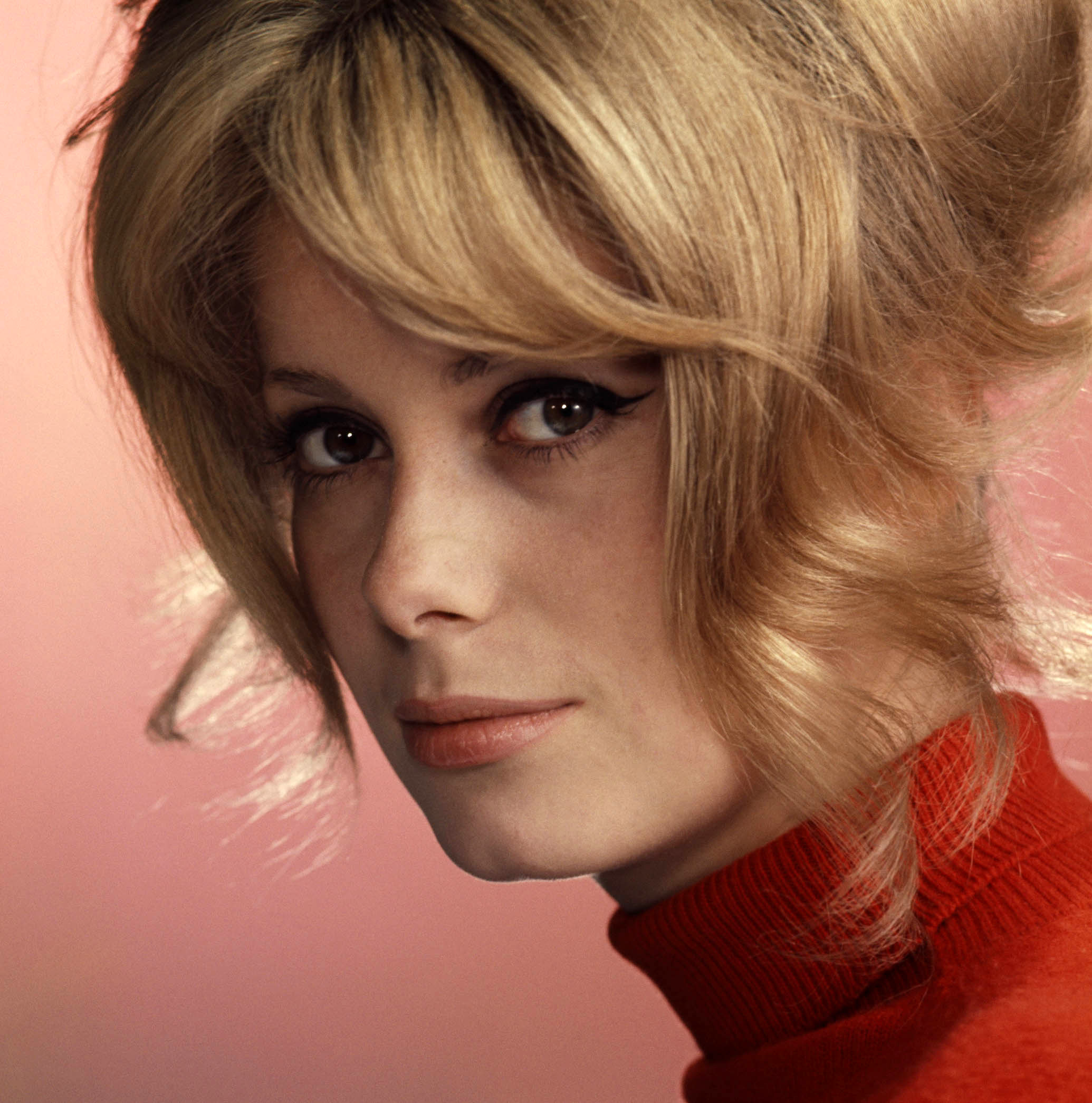
1965 ~ Catherine Deneuve
Making waves this year for: announcing herself to filmgoers everywhere with a captivating performance in Roman Polanksi’s eerie thriller Repulsion
.
.
.
.
.
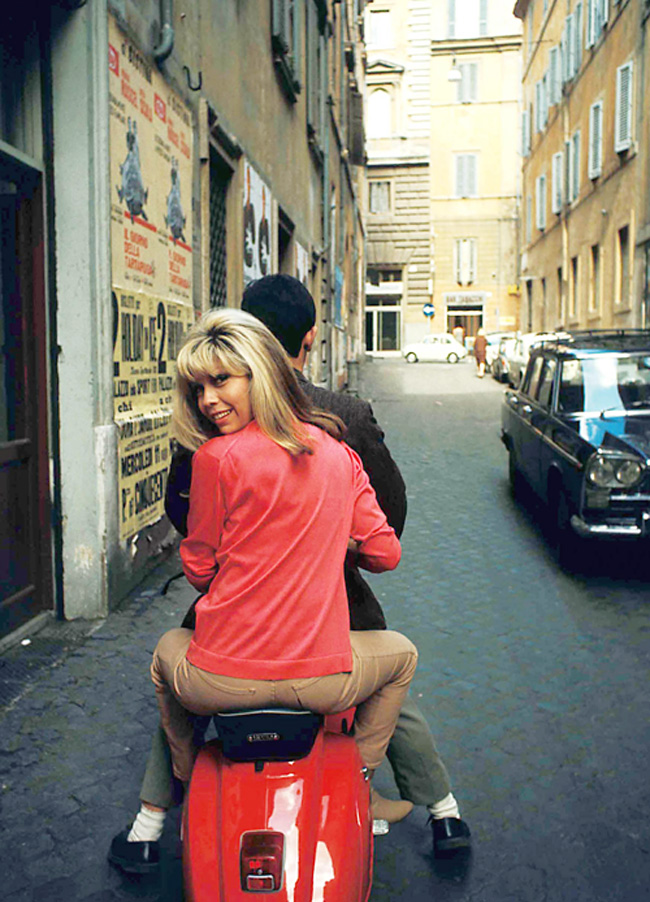
1966 ~ Nancy Sinatra
Making waves this year for: challenging her dad’s chart-cool by taking her boots made for walking, er, for a walk
.
.
.
.
.
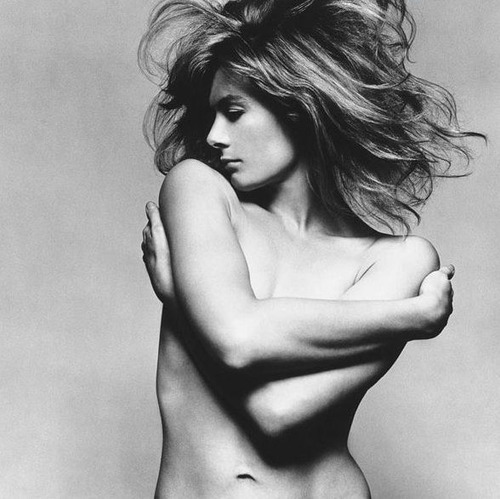
1967 ~ Vanessa Redgrave
Making waves this year for: following up a chic turn in Swinging Sixties Brit curio Blowup (1966) with lead duties in the hugely underrated, funky Hollywood adaptation of Camelot
.
.
.
.
.
1968 ~ Tammi Terrell
Making waves this year for: continuing her dominance of the charts with singing partner Marvin Gaye thanks to classic soul hits such as Ain’t Nothing Like The Real Thing and You’re All I Need To Get By
.

.
.
.
.
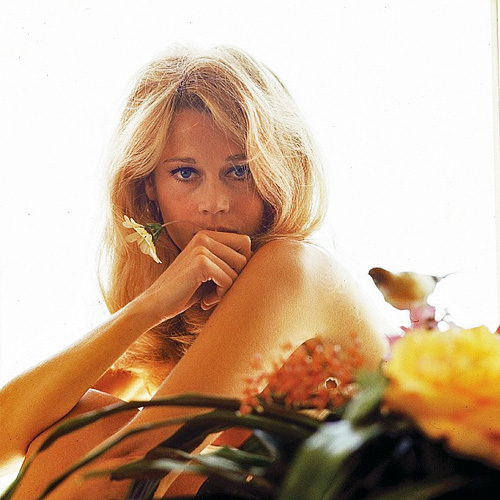
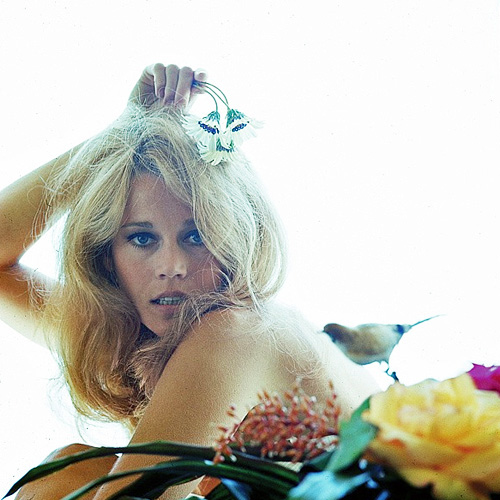
1969 ~ Jane Fonda
Making waves this year for: becoming a counter-culture sex-bomb by turning on the dropped-out generation in sexy sci-fi comic book comedy Barbarella, released October the previous year – plus acting up a storm in Depression-era drama They Shoot Horses, Don’t They?, for which she’ll receive her first Best Actress Oscar nomination next year
.


.
.
.
.
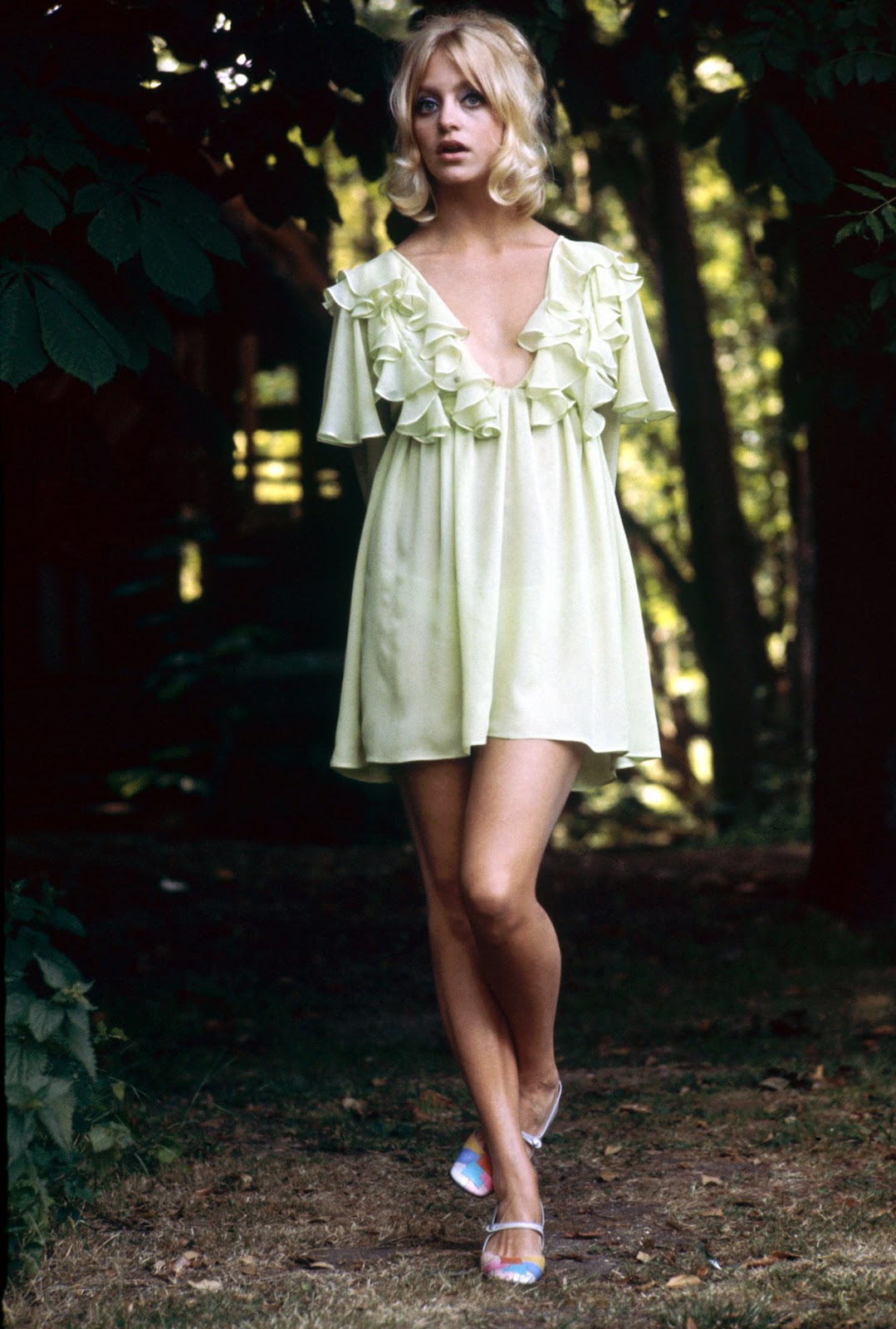
1970 ~ Goldie Hawn
Making waves this year for: leaving behind bimbo pastiches on the small-screen and kicking-off an enduring career on the big one by winning herself a Best Supporting Actress Oscar for Cactus Flower (1969)
.
.
.
.
.
1971 ~ Lana Wood
Making waves this year for: emerging from sister Natalie’s shadow by co-starring (and enjoying a clandestine affair) with Sean Connery in Bond caper Diamonds Are Forever (1971)
.

.
.
.
.
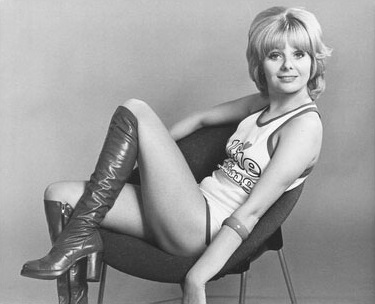
1972 ~ Sheila White
Making waves for: following up a blink-and-you’ll-miss-it appearance in Oliver! (1968) and a supporting turn in Here We Go Round The Mulberry Bush (1967) by lending titters (rather than, erm, her titties) to the Confessions series (1974-77) and giving us an unforgettable Messalina in I, Claudius (1976)
.
.
.
.
.
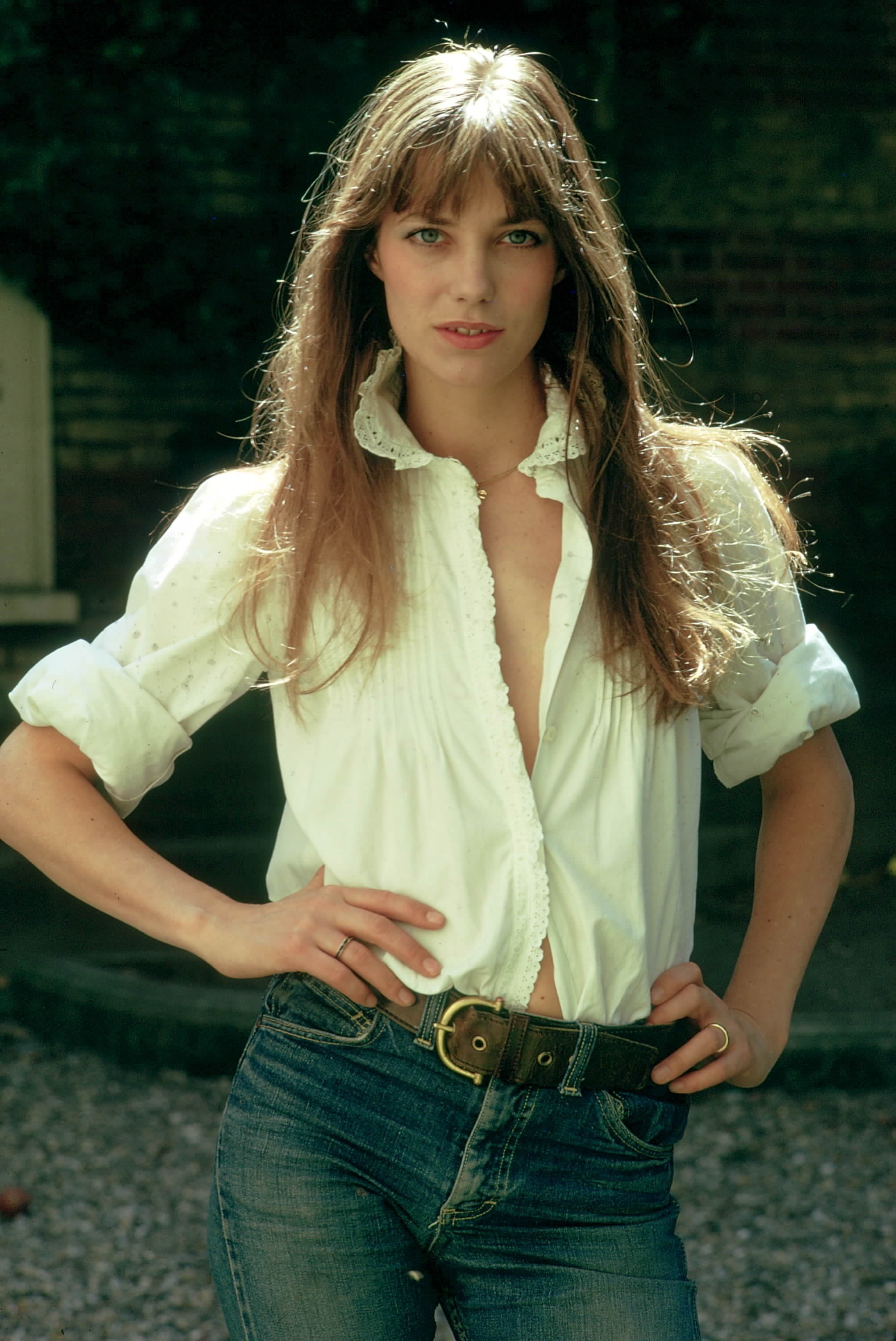
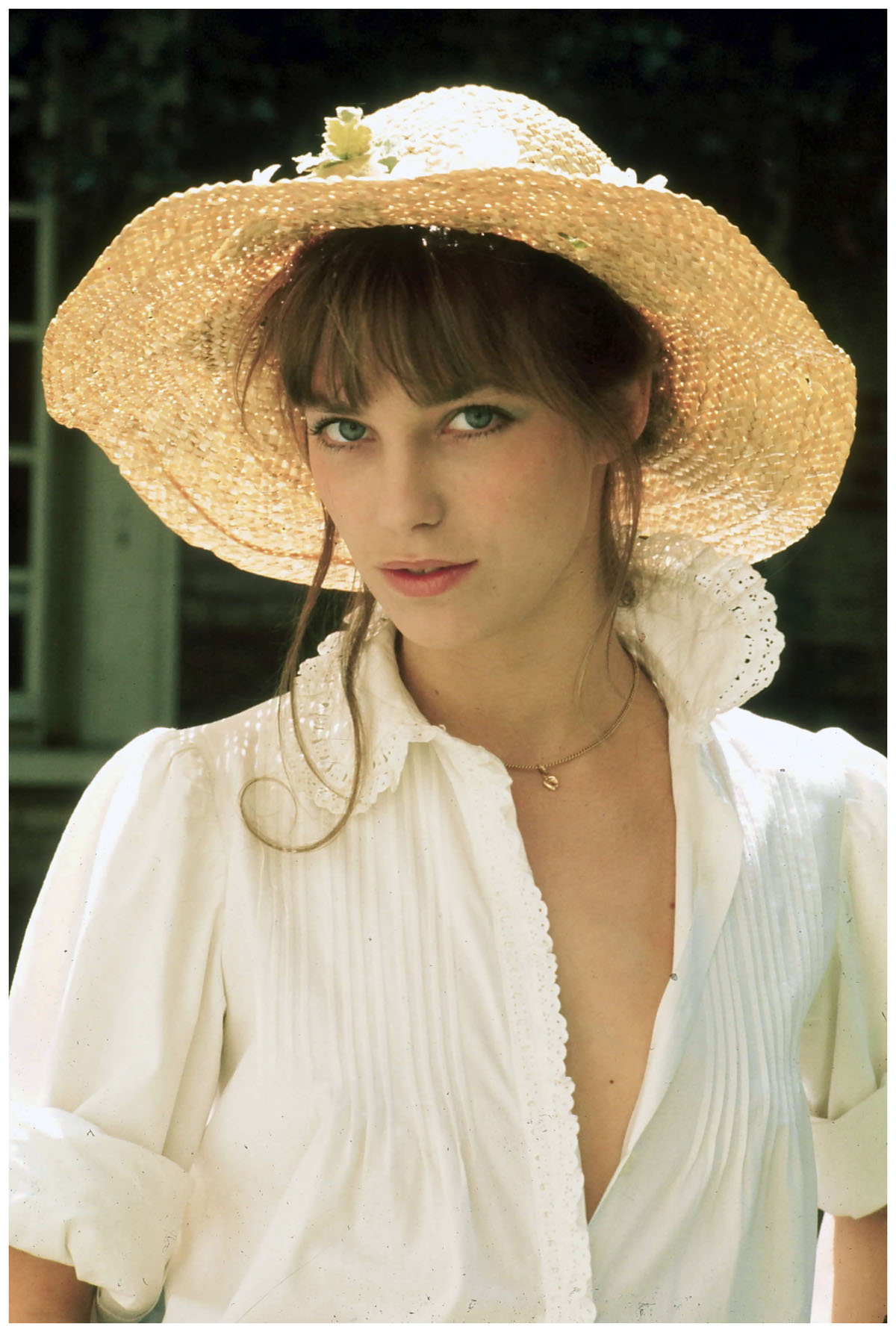
1973 ~ Jane Birkin
Making waves this year for: underlining her sexy on-screen persona by appearing opposite (if that’s the right word for it) Brigitte Bardot in Vadim’s Don Juan Ou Si Don Juan Était Une Femme… (Don Juan, Or If Don Juan Were A Woman)
.
.
.
.
.
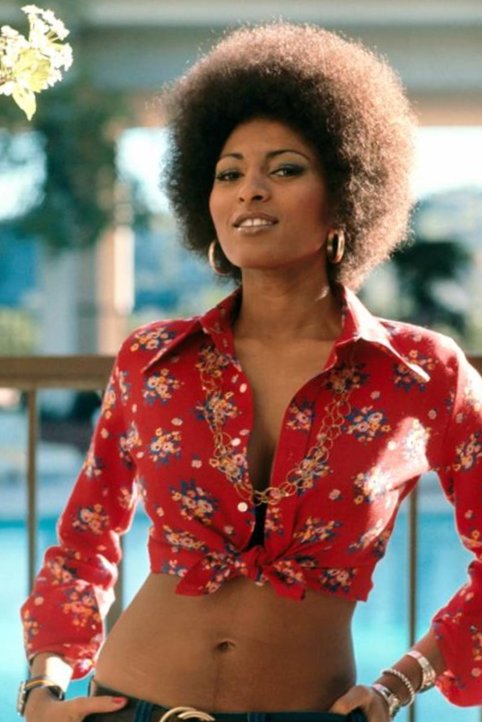
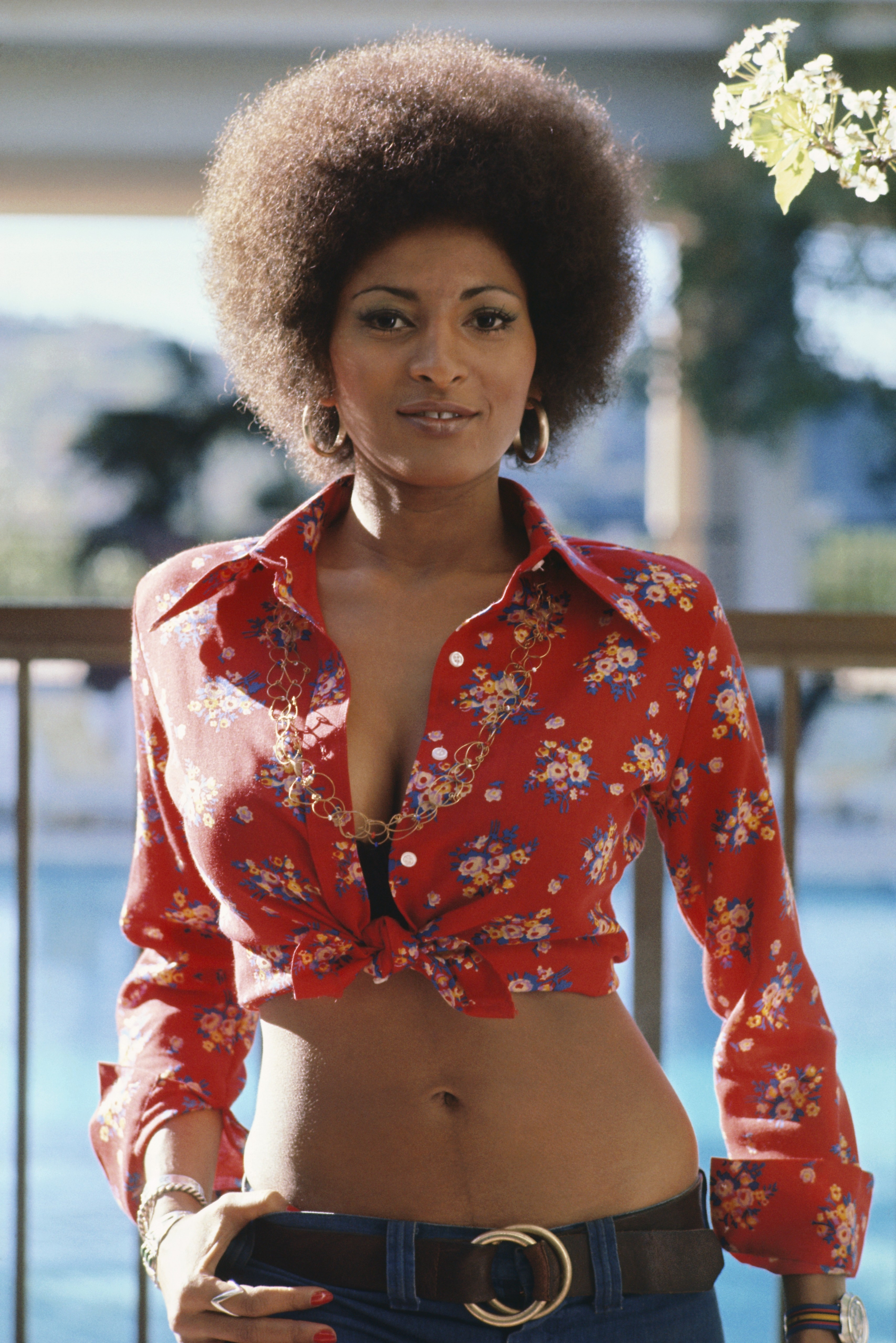
1974 ~ Pam Grier
Making waves this year for: decades before becoming Tarantino’s Jackie Brown, turning heads thanks to her be-afroed head (and much more) in Blaxpoitation classic Foxy Brown
.
.
.
.
.
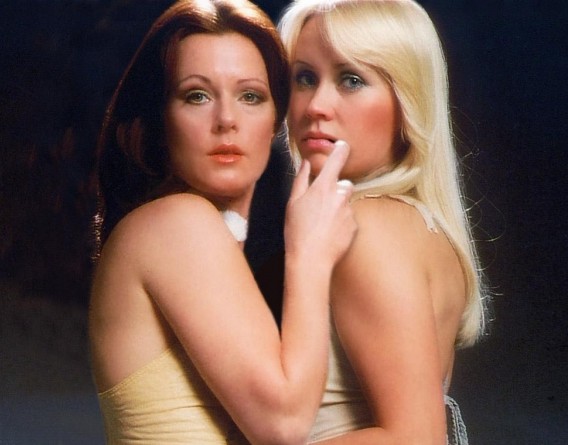
1975 ~ Agnetha Fältskog and Anni-Frid Lyngstad
Making waves this year for: transforming ABBA into a global phenomenon with performances of hits such as Mamma Mia and SOS
.
.
.
.
.
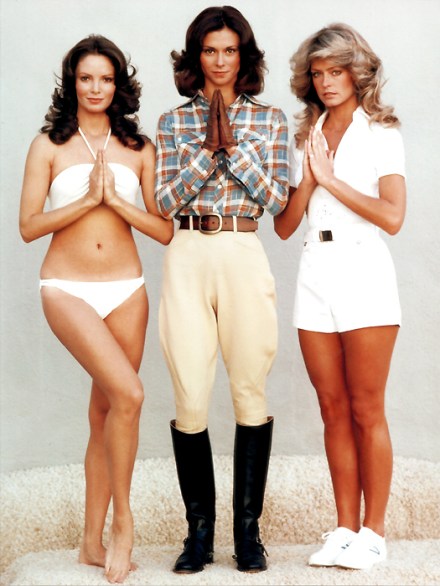
1976 ~ Farrah Fawcett, Kate Jackson and Jaclyn Smith
Making waves this year for: making Bosley’s day in the debut season of sunshiney semi-feminist detective show Charlie’s Angels (1976-81)
.
.
.
.
.
1977 ~ Fiona Walker (née Butler)
Making waves this year for: going commando as a model on a tennis court and helping create the ’70s most memorable – and cheekiest – photo
.

.
.
.
.
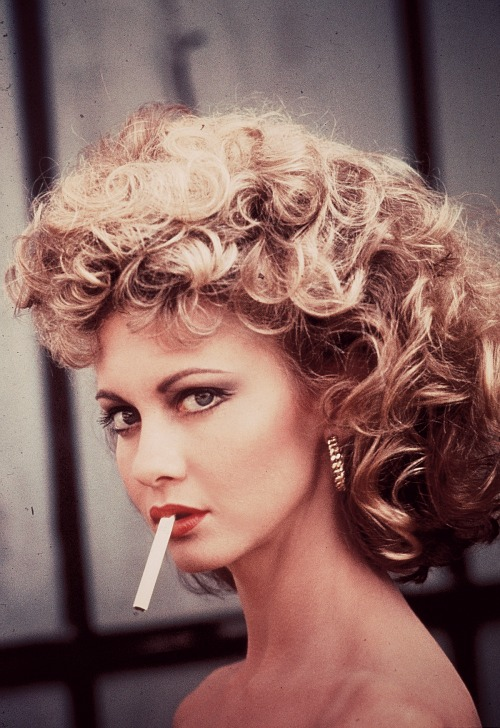
1978 ~ Olivia Newton-John
Making waves this year for: cutely dowdying-it-down and then deliciously vamping-it-up in pop culture touchstone monster hit Grease
.
.
.
.
.
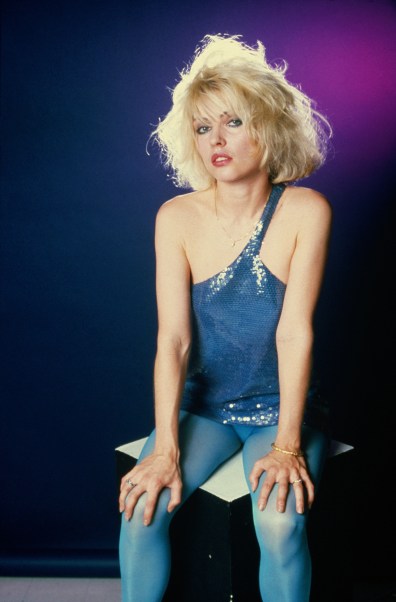
1979 ~ Debbie Harry
Making waves this year for: breaking many a young man’s heart of glass as her band Blondie conquers the world
.
.
.
.
.
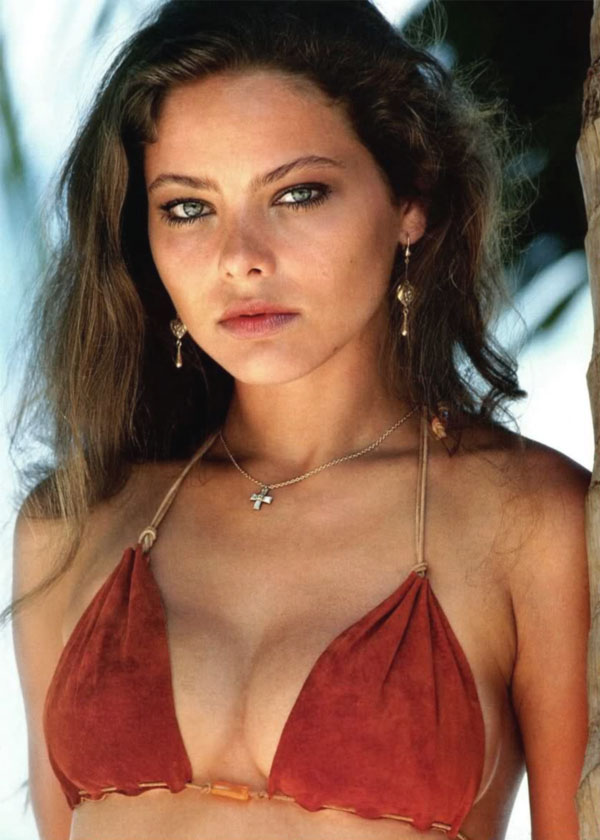
1980 ~ Ornella Muti
Making waves this year for: blowing the minds of adolescent geeks everywhere in so-camp-it’s-great cult classic Flash Gordon
.
.
.
.
.
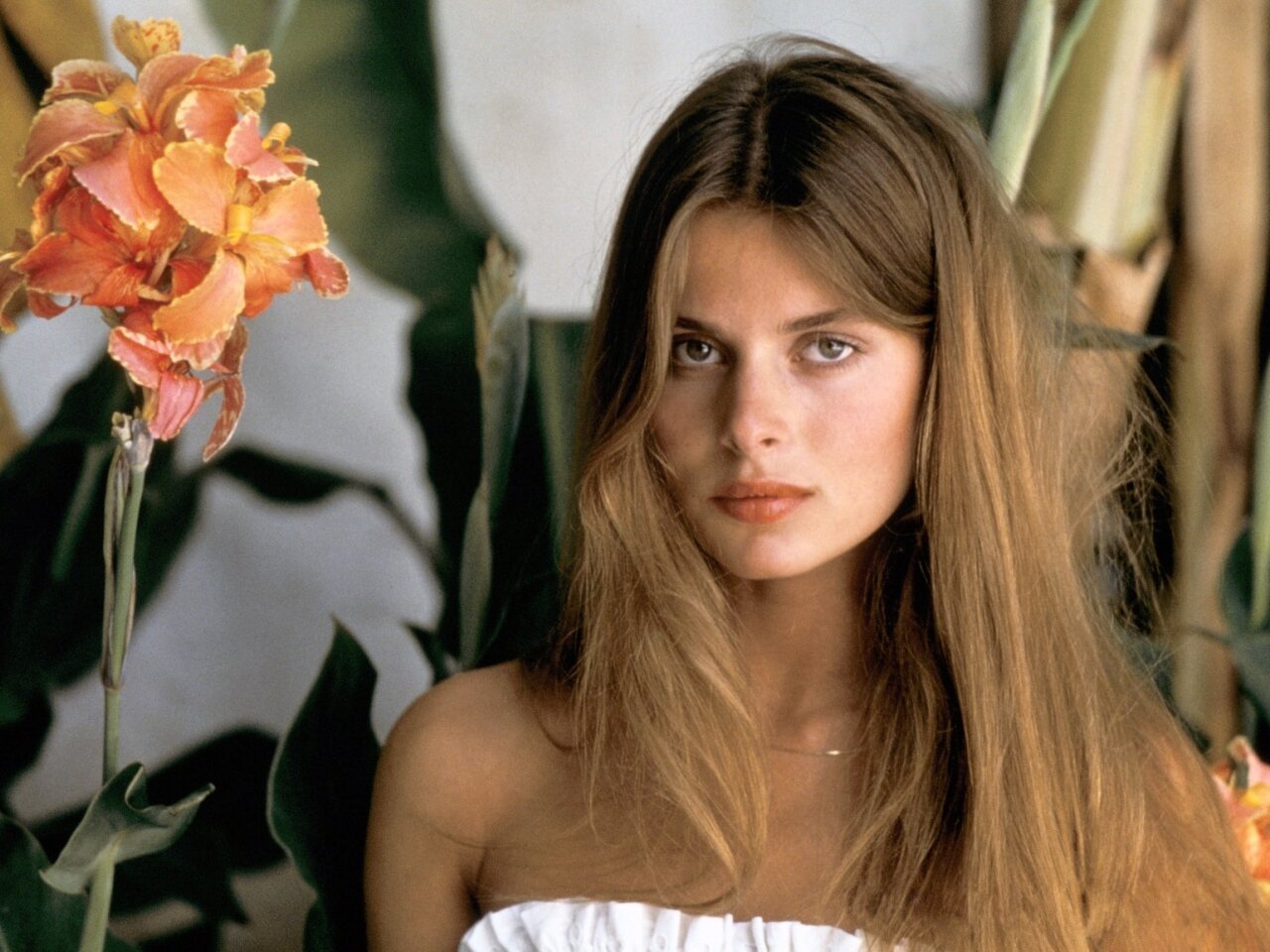
1981 ~ Nastassja Kinski
Making waves this year for: squeezing in between a Golden Globe Award-winning introduction in Polanski’s Tess (1979) and morphing into a panther with David Bowie in Cat People (1982), with a poster-gracing horizontal pose with a python. Er, yes.
.
.
.
.
.
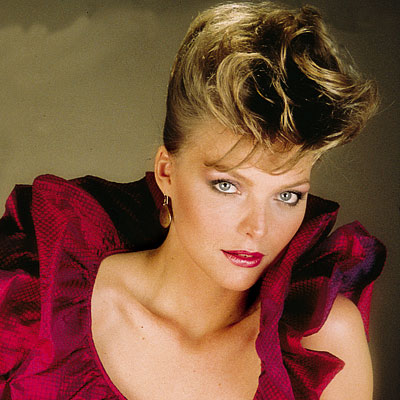
1982 ~ Michelle Pfeiffer
Making waves this year for: burning on to the big screen in Brian De Palma’s Scarface remake and, er, Grease 2
.
.
.
.
.
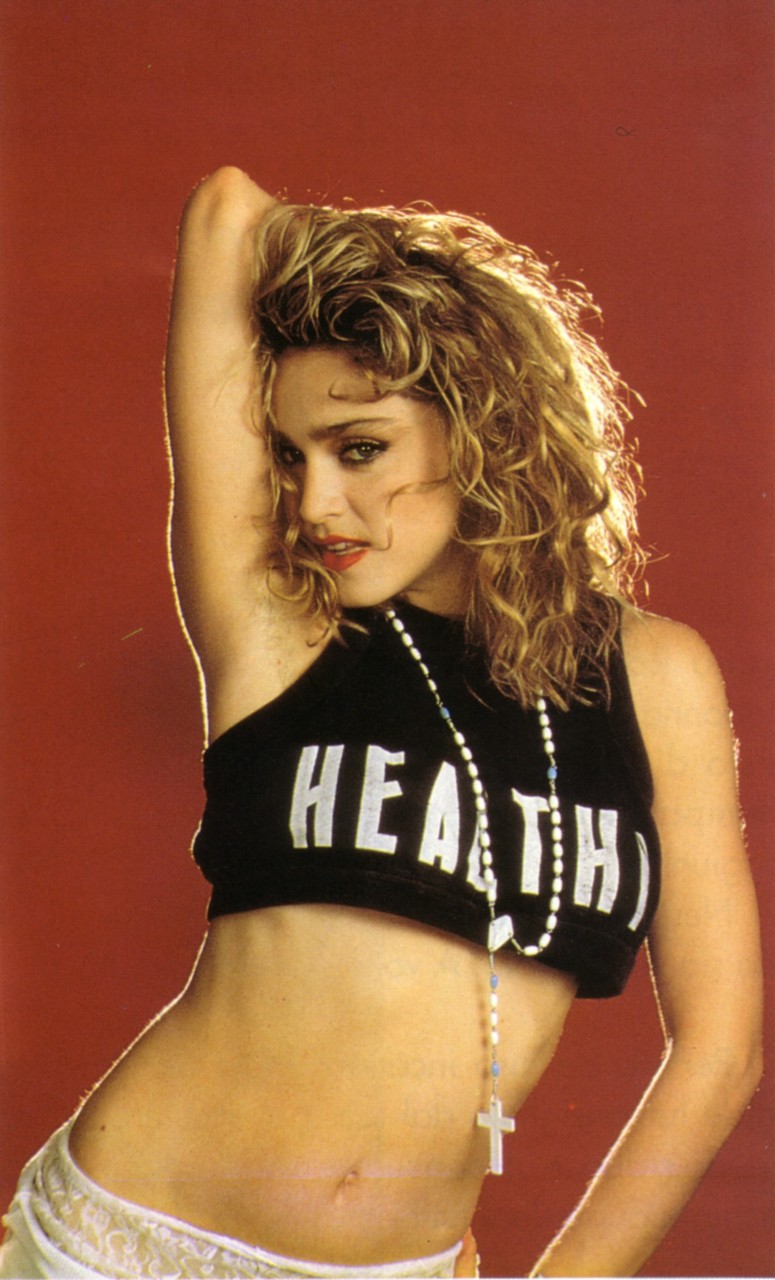
1983 ~ Madonna
Making waves this year for: breaking through and changing chart pop forever with her debut album
.
.
.
.
.
1984 ~ Sigourney Weaver
Making waves this year for: underlining her thinking-man’s-crumpet credentials amidst all the ghouls in Ghostbusters
.

.
.
.
.
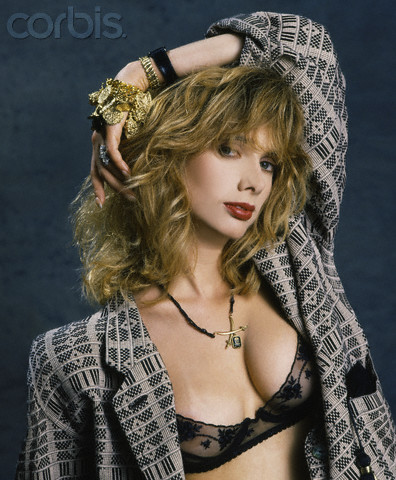
1985 ~ Rosanna Arquette
Making waves this year for: portraying Madonna’s adorable alter-ego in Desperately Seeking Susan
.
.
.
.
.
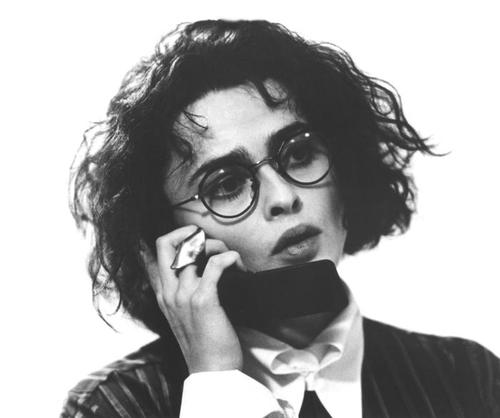
1986 ~ Helena Bonham Carter
Making waves this year for: making a ravishing splash in the globally embraced, Oscar-nominated period piece A Room With A View
.
.
.
.
.
1987 ~ Lisa Bonet
Making waves this year for: moving on from the Huxtables in The Cosby Show (1984-92) by dabbling with the devil in the frank and visceral thriller Angel Heart
.

.
.
.
.
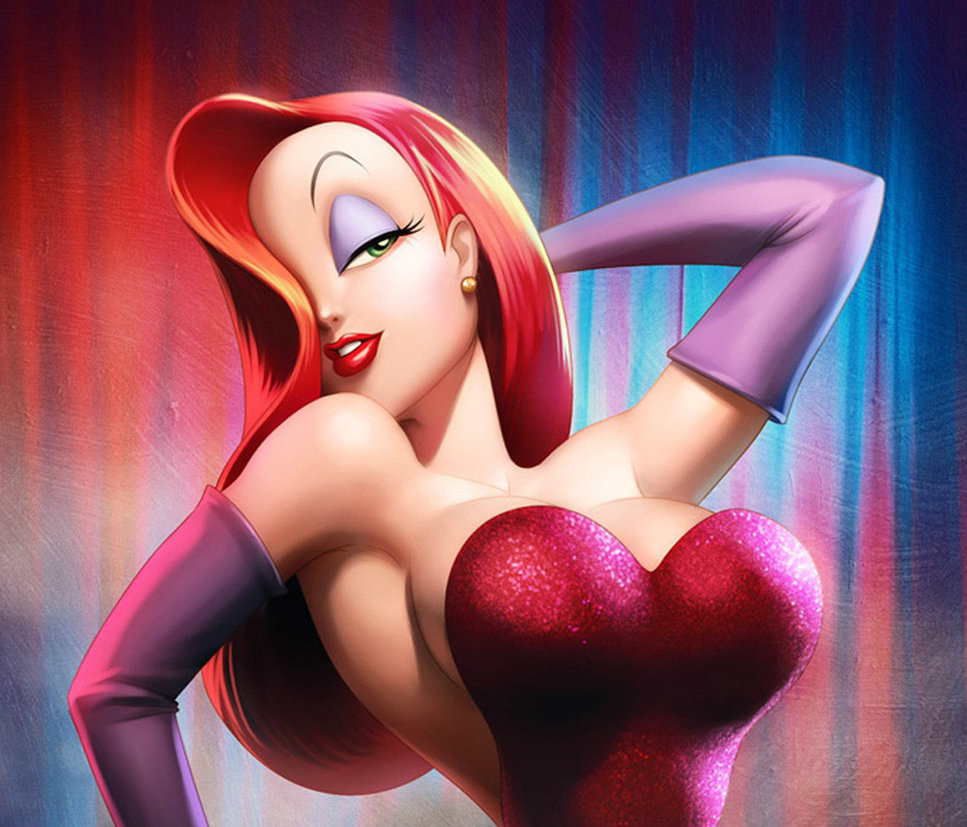
1988 ~ Jessica Rabbit
Making waves this year for: going positively three-dimensional in Who Framed Roger Rabbit? (‘I’m not bad – I’m just drawn that way’)
.
.
.
.
.
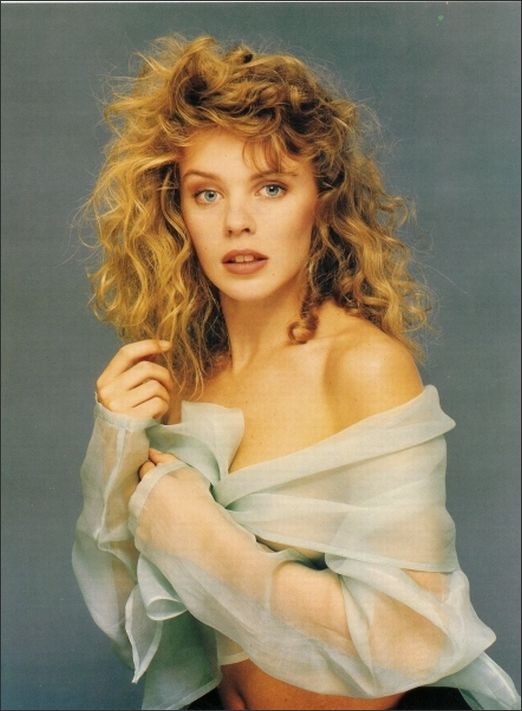
1989 ~ Kylie Minogue
Making waves this year for: consolidating her UK-wide 100%-recognition-factor by starring in feature-film debut The Delinquents
.
.
.
.
.
.
.
Playlist: Listen, my friends! ~ March 2014
.
In the words of Moby Grape… listen, my friends! Yes, it’s the (hopefully) monthly playlist presented by George’s Journal just for you good people.
There may be one or two classics to be found here dotted in among different tunes you’re unfamiliar with or have never heard before – or, of course, you may’ve heard them all before. All the same, why not sit back, listen away and enjoy…
.
CLICK on the song titles to hear them
.
Eddie Cochran ~ Three Steps To Heaven (1960)
John Barry Seven ~ Medley: Beat For Beatniks/ Big Fella (1960)
Sammy Davis Jr. ~ This Guy’s In Love With You (1968)
Peter Wyngarde ~ The Hippie And The Skinhead (1970)
East of Eden ~ Jig-A-Jig (1971)
The Settlers ~ The Lightning Tree (Theme from Follyfoot/ 1971-73)
Collective Consciousness Society (CCS) ~ Tap Turns On The Water (1971)
The Young Generation ~ Pretty For Me (1970s)
Blackfoot Sue ~ Standing In The Road (1972)
Sad Café ~ Every Day Hurts (1979)
Squeeze ~ Pulling Mussels (From A Shell) (1980)
Allison Moyet ~ Is This Love? (1986)
Angelo Badalamenti ~ Theme from Twin Peaks (1990)
.
Shoulda, woulda, coulda? The top 10 worst ever Oscar decisions
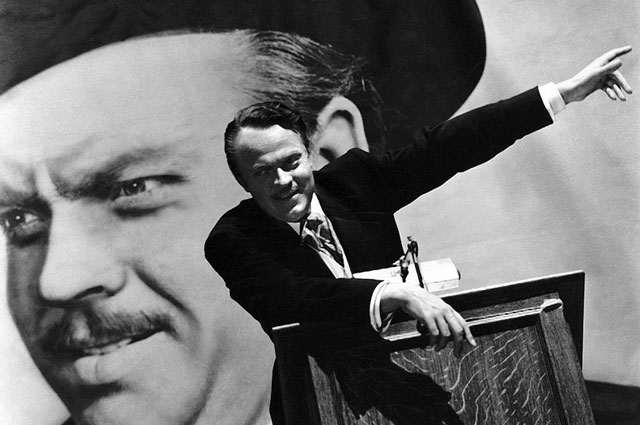
The ego has landed: Citizen Kane could well be the best film ever, but did it land at the Oscars?
Like a bad case of flu, Ant & Dec’s Saturday Night Takeaway come the weekend or when a dubious movie channel broadcasts Police Academy: Mission To Moscow (1994), they’re back for their annual reappearance, peeps – yes, I speak, of course, of the Oscars, which take place in Hollywood on Sunday night (or very early Monday morning if you don’t live in America but much of the rest of the world). The Oscars are a strange beast, oh, but are they; revered by some folk for their mega-celeb-spotability, unremitting fashion-clothes-horsing and mock-gracious acceptance of winning and not winning trophies, but reviled by others for (too often) rewarding far from the most worthy of movies and their makers.
This year, the big guns duking it out will most likely be the flicks 12 Years A Slave, Gravity and American Hustle (all 2013), the directors Alfonso Cuaron and Steve McQueen and the thesps Cate Blanchett, Leonardo Di Caprio and, er, Matthew McConaughney. All of them worthy winners and/ or losers surely. But some years that’s been far from the case – as far, in fact, as McConaughey was from his ‘McConaissance’ when he headlined Surfer, Dude (2008). But of which years do I speak? And of which particular instances when the Academy got it oh-so wrong? Well, dear readers, look no further, for courtesy of George’s Journal, here’s the Room 101 of Oscar’s dreadful decisions…
.
CLICK on the entry titles in red for relevant video clips
.
10. Argo wins Best Picture but Ben Affleck
isn’t nominated for Best Director (2012)
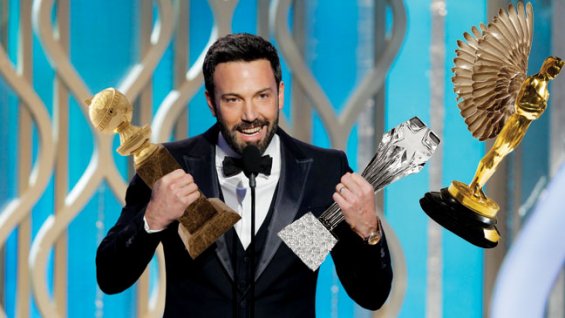
Nominated instead: Michael Haneke (Amour); Ang Lee (Life Of Pi) (winner); David O Russell (Silver Linings Playbook); Steven Spielberg (Lincoln); Benh Zeitlin (Beasts Of The Southern Wild)
Don’t get me wrong, by kicking-off this list with this most recent of Oscar mishaps, I’m not necessarily endorsing Ben Affleck’s Argo winning Best Picture at last year’s ceremony. But from the viewpoint of Oscar tradition and, well, just sense it’s plain daft that, because the Academy oddly hadn’t given Affleck a Best Director nomination, when it inevitably gave the top prize to this Hollywood-back-slapping sort-of-true-to-life caper about CIA operatives posing as filmmakers to get embassy staff out of early ’80s, revolutionary Iran, it found it had denied itself even the chance of doubly rewarding the flick with the director award. It’s a bit like a an awards body praising a book to the skies, but claiming the author had nothing to do with it. And, given Affleck had picked up every other major directing award on Argo‘s way to Oscar glory (Ang Lee won Best Director on the night), the whole thing looks more ridiculous than, let’s be honest, Matt Damon’s best bud probably will when he dons the Batsuit.
.
9. My Fair Lady wins eight Oscars but Audrey
Hepburn isn’t nominated for Best Actress (1964)
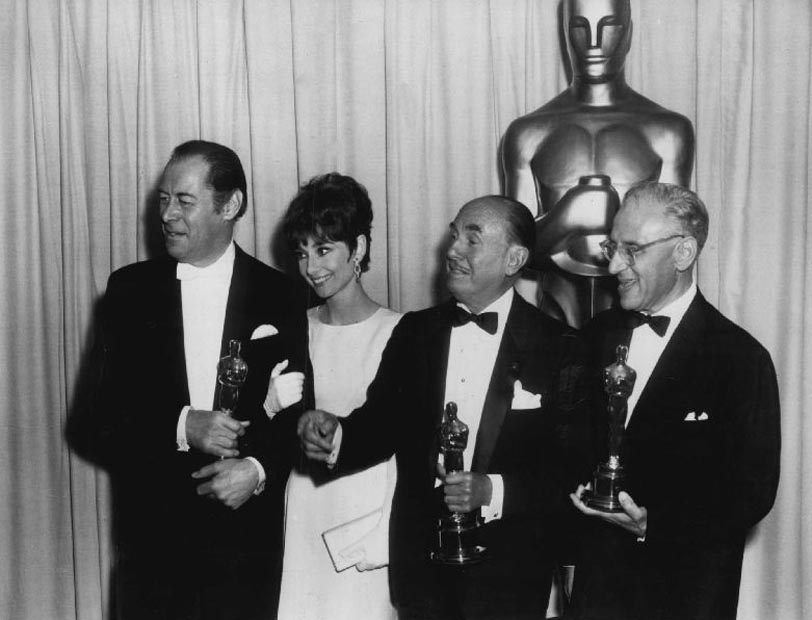
Nominated instead: Julie Andrews (Mary Poppins); Anne Bancroft (The Pumpkin Eater); Sophia Loren (Marriage Italian-Style); Debbie Reynolds (The Unsinkable Molly Brown); Kim Stanley (Seance On A Wet Afternoon)
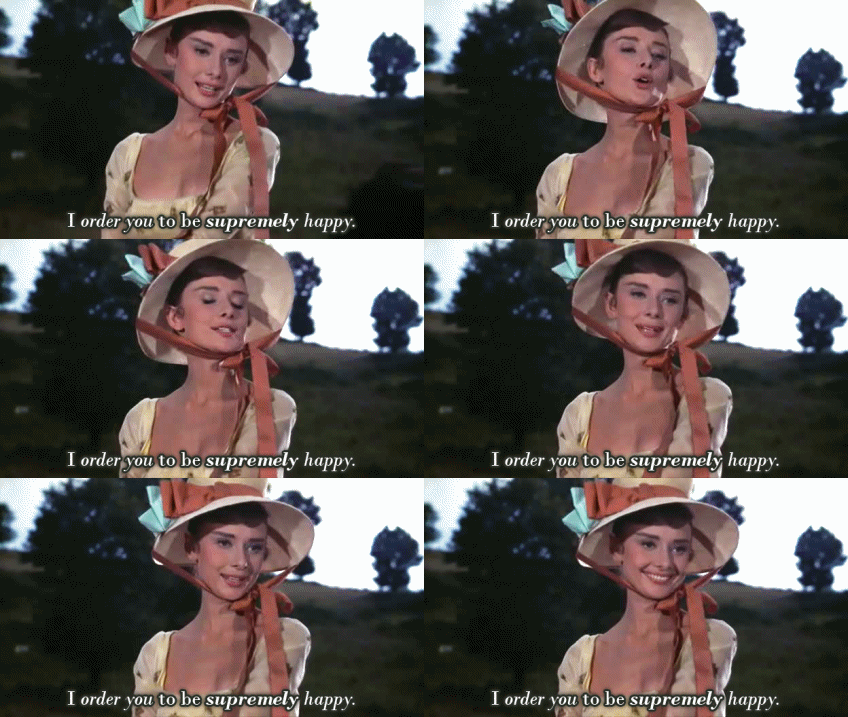
Ah, yes, not only did lovely Audrey Hepburn not receive an Oscar nod for her delightful turn in Warner Bros’ wonderful adaptation of Lerner and Loewe’s musical My Fair Lady, its other star Rex Harrison (Best Actor), helmer George Cukor (Best Director) and producer Jack Warner (Best Picture) all did – and all won. So why wasn’t she nominated? Well, the actress who first essayed the role of My Fair Lady‘s Eliza Doolittle – on Broadway – was English musical star Julie Andrews, whom the great American public had understandably taken quite the shine to. Cue then something of a media storm, which was only stirred up by it leaking out Audrey’s singing (in spite of a plucky attempt at performing the tunes herself) was dubbed by Hollywood’s go-to-voice-over-singer Marni Nixon. And the plot thickened further when the passed-over Andrews only went on to pick up the Oscar for which Hepburn hadn’t been nominated, specifically for her lead role in Disney’s marvellous Mary Poppins – which itself also managed to top the year’s box-office ahead of My Fair Lady. Still, not that it was all bad for Audrey; she clearly held no animosity for Andrews and vice versa (she warmly congratulated the latter at the ceremony), she’d already won an Oscar 11 years before for Roman Holiday anyway and, well, when it comes down to it, she was and always would be the glorious Audrey Hepburn, after all.
.
8. John G Avildsen wins
Best Director for Rocky (1976)

Also nominated: Ingmar Bergman (Face To Face); Sidney Lumet (Network); Alan J Pakula
(All The President’s Men); Lina Wertmüller (Seven Beauties)
Not even nominated: Hal Ashby (Bound For Glory); Brian De Palma (Carrie); Clint Eastwood (The Outlaw Josey Wales); Richard Lester (Robin And Marian); Alan Parker (Bugsy Malone); John Schlesinger (Marathon Man); Martin Scorsese (Taxi Driver)
For many, Rocky is the ultimate David-nearly-triumphs-over-Goliath (if you’ll allow this metaphor to stretch to Sylvester Stallone being David to Carl Weathers’ Goliath) cinematic sporting experience, but for those versed in Oscar lore, it also did the ultimate smash and grab at the 49th Academy Awards. Not only did the Stallone-penned and -headlined hokey boxing drama triumph over a quartet of unquestionably quality films including the greats All The President’s Men, Network and Taxi Driver to win Best Picture, it also pulled off the Oscar double Argo wasn’t able to – yes, its helmer John G Avildsen picked up the Best Director award. And just look above there at the cream of US and European filmmakers he, well, creamed to take the prize. Frankly, with the aid of hindsight, it almost defies belief. Not least because, unlike his competitors, he went on to direct the dubious likes of the first three Karate Kid flicks (1984, ’86 and ’89), the execrable Rocky V (1989) and, best of all, the Jean-Claude Van Damme turgid turd Inferno (1999). But hey, at least he had nothing to do with Sly’s Stop! Or My Mom Will Shoot (1993).
.
7. Helen Hunt wins Best Actress
for As Good As It Gets (1997)
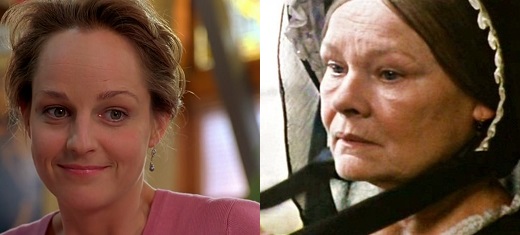
Also nominated: Judi Dench (Mrs Brown); Helena Bonham Carter (The Wings Of The Dove); Julie Christie (Afterglow); Kate Winslet (Titanic)
Not even nominated: Joan Allen; Sigourney Weaver (both The Ice Storm); Minnie Driver (Grosse Pointe Blank); Pam Grier (Jackie Brown); Sarah Polley (The Sweet Hereafter)
It was the ceremony at which Titanic equalled Ben-Hur‘s (1959) heaviest ever haul of 11 Oscars (in doing so, beating L.A. Confidential to Best Picture; itself quite the crime), but easily the biggest blot added to the Academy record books that night was when an – admittedly likeable – sitcom actress in an – admittedly likeable – romcom performance somehow rose above four giants of British acting boasting four excellent, nuanced performances to be named that year’s Best Actress. So why did it happen? Well, sadly the only plausible explanation is because she was a popular American actress who’d grafted away in LA for years and the others, revered Brits with thesp ability coming out of their ears notwithstanding, were not. But hey, the Oscars are an American industry awards so will understandably (if dubiously) reward their own now and again, right? Sure, but that year it was pretty obvious (quality-wise) who was making up the numbers in that category. Many view the ‘British snub’ as being particularly hard on Judi Dench, given her turn as the legendary Queen Victoria in Mrs Brown deserved a platinum statuette, let alone a gold one. Happily though, the grande dame of UK thesping got her just desserts just a year later when she won Best Supporting Actress for her role in Shakespeare In Love – a role that saw her appear on screen for no more than eight minutes. Well played, Denchster, well played.
.
6. I Just Called To Say I Love You wins
Best Original Song for The Woman In Red (1984)

Also nominated: Against All Odds (Against All Odds); Footloose; Let’s Hear It For The Boy (both Footloose); Ghostbusters (Ghostbusters)
Not even nominated: The Heat Is On (Beverly Hills Cop); The NeverEnding Story (The NeverEnding Story); No More Lonely Nights (Give My Regards To Broad Street); Purple Rain (Purple Rain); Stir It Up (Beverly Hills Cop); When Doves Cry (Purple Rain)
Who ya gonna call? Unfortunately, peeps, not even the Ghostbusters could prevent this insipid-cum-nauseating, MOR-tastic, synth-delivered earworm from taking home ’84’s coveted Best Original Song Oscar, because, yes, they were beaten themselves in that category (in the shape of Ray Parker Jr’s ebullient pop classic, that is). And, yup, so too were the three other co-nominated (more than) decent efforts listed above. Plus, factor in that Glenn Frey’s agelessly electric The Heat Is On was deemed insufficient even to be nominated, and you might well conclude how outrageous an injustice to, er, music in movie awards it was that maybe the biggest misstep of Stevie Wonder’s career careered away with the win. Having said that, we can at least content ourselves that over the years The Way You Look Tonight (from 1936’s Swing Time); Over The Rainbow (from 1939’s The Wizard Of Oz); When You Wish Upon A Star (from 1940’s Pinocchio); White Christmas (from 1942’s Holiday Inn); Baby, It’s Cold Outside (from 1949’s Neptune’s Daughter); Whatever Will Be, Will Be (Qué Será, Será) (from 1956’s The Man Who Knew Too Much); Moon River (from 1961’s Breakfast At Tiffany’s); Born Free (from 1966’s Born Free); Raindrops Keep Fallin’ On My Head (from 1969’s Butch Cassidy And The Sundance Kid) and, yes, Fame from (1980’s Fame) all won.
.
5. A Beautiful Mind wins
Best Picture (2001)

Also nominated: Gosford Park; In The Bedroom; The Lord Of The Rings: The Fellowship Of The Ring; Moulin Rouge!
Not even nominated: Donnie Darko; Le Fableaux Destin d’Amélie Poulain (Amélie); Iris; Memento; Monsters, Inc.; Mulholland Dr.; Ničija Zemlja (No Man’s Land); Sen To Chihiro No Kamikakushi (Spirited Away); Y Tu Mamá También (And Your Mum Too)
There’s two obvious reasons why A Beautiful Mind winning Best Picture was all wrong. First, look at that quotient of quality flicks above there it beat; second, just think how it rewarded Ron ‘Richie Cunningham’ Howard with a Best Pic (and, yes, additional Best Director) credit to his name over Robert Altman – yes, Robert Bloody Altman (director of Gosford Park, a non-Oscar winner and, yes, now deceased). But what really sticks in my craw about A Beautiful Mind being named 2001’s best flick is it possesses a pretty mean, fundamental flaw. Sure, it’s a slick melodrama with admittedly decent direction from Howard, nice performances and a smart screenplay, but it’s that latter aspect that’s the trouble – and, yup, that screenplay won an Oscar too. You see, it’s a biopic of brilliant, Nobel prize-winning mathematician John Nash whom suffered from paranoid schizophrenia. Now, while it doesn’t skimp on the mental illness part, it does on the truth; it presents Nash’s life as a fight against adversity saved by the woman whom became his wife, his one-true love Alicia, yet it utterly ignores the facts that before he was married he fathered a child out of wedlock and refused to marry the mother, and that he and Alicia divorced before remarrying 30 years later. Now sure, if you want to make a movie about a real person’s life and play fast with the truth, fine; it’s been done oh-so many times before, but for the love of Robert Altman, don’t name that film which, had it presented its subject’s true life could have been a far more complex, interesting and satisfying watch, its year’s best picture.
.
4. Art Carney wins Best Actor
for Harry And Tonto (1974)
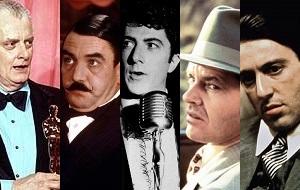
Also nominated: Albert Finney (Murder On The Orient Express); Dustin Hoffman (Lenny);
Jack Nicholson (Chinatown); Al Pacino (The Godfather Part II)
Not even nominated: Clint Eastwood (Thunderbolt And Lightfoot); Peter Falk (A Woman Under The Influence); Gene Hackman (The Conversation); Gene Wilder (Young Frankenstein)
On presenting the above Oscar, Glenda Jackson announced: “Please note this award is not for the best actor, but the best performance by an actor”. Oh, the irony. For that Oscar certainly didn’t go to the best actor; mind you, it didn’t go to the best performance by an actor either. As stated, the nominees were Albert Finney in one of the best comedic performances you’ll see as Poirot in Murder On The Orient Express; Dustin Hoffman (as ever) disappearing entirely into his role, the incendiary comedian Lenny Bruce in Lenny; Jack Nicholson in a subtle turn as streetwise but morally challenged private eye Jake Gittes in Chinatown and Al Pacino recurring his role from two years previous but darker and more nuanced as Michael Corleone in The Godfather Part II. Oh, and then there was Art Carney. Art who? To be fair, if you’re neither American (or even if you are) nor under 60, you’ll probably not know him. A household name in the US back in the day thanks to starring in The Honeymooners (1955-56), the all-time classic sitcom that was a direct inspiration for The Flintstones (1960-66), Carney wasn’t just hugely familiar to Academy voters, but also an affable chap who’d been around a long time and whose boat was asking to come in, so, yes, they pulled it to their loving bosom and gave him the Oscar. In Harry And Tonto he plays an eccentric widower on a roadtrip across the US with his cat; it’s a nice performance in a nice movie, but history rightly hasn’t been kind – his winning against Pacino, Hoffman, Nicholson and Finney at the very top of their games should have caused nothing less than a pussy riot.
.
3. Citizen Kane loses Best Picture
to How Green Was My Valley (1941)

Also nominated: Blossoms In The Dust; Here Comes Mr Jordan; Hold Back The Dawn; The Little Foxes; The Maltese Falcon; One Foot In Heaven; Sergeant York; Suspicion
Here’s a tip for you: if you’ve come up with an idea for a movie including techniques which will change filmmaking forever – and therefore for decades to come be declared by all and sundry as the greatest ever made – don’t build it on a premise that’s a wafer-thin veiled critique of a real-life, all-powerful media baron. If you do, your flick’s unlikely to make back its budget; much less likely win a deserving Best Picture Oscar. This, if you will, is the lesson to be learned from legendary auteur Orson Welles’ crafting of Citizen Kane, whose contemporary reputation was scathingly attacked by the press tycoon it lampooned, William Randolph Hearst. So much so that Kane won just one of the nine Oscars for which it was nominated (Original Screenplay) and most deplorably lost for Best Director (to John Ford) and Best Picture to, yes, Ford’s How Green Was My Valley – a flick about Welsh coalminers. Yes, really, it actually was about Welsh coalminers. Don’t let that deceive you, though, Valley‘s a decent little drama, but a Citizen Kane it most certainly isn’t (in fact, if you really want to get down to it, it’s nowhere near the classic noir that’s The Maltese Falcon either), boasting none of Kane‘s technical leaps forward in storytelling, deep focus, low-angle shots, camera-crane shots and musical score. Sure, by way of fairer comparison, last year’s Gravity may have pushed back the boundaries of moviemaking, but really even that’s one small step for a filmmaker compared to Citizen Kane‘s giant leap forward for cinema-kind.
.
2. Peter O’Toole and Richard Burton receive
15 nominations between them – and no wins
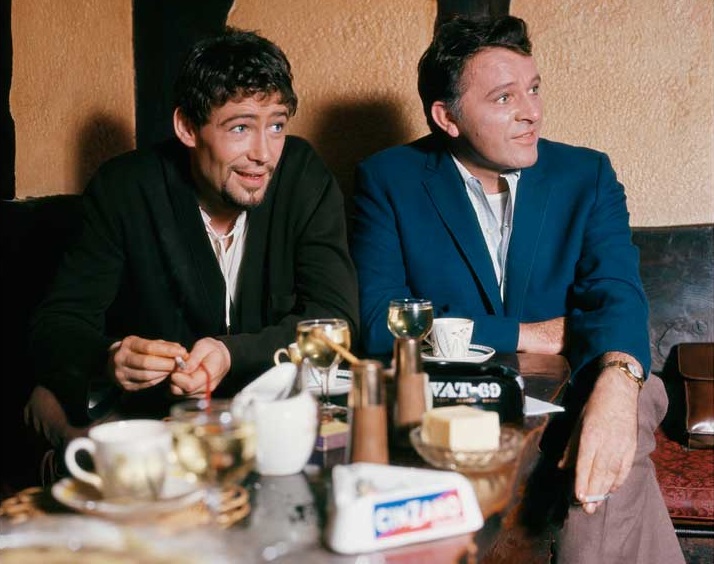
Nominations: O’Toole ~ Lawrence Of Arabia (1962); Becket (1964); The Lion In Winter (1968); Goodbye, Mr Chips (1969); The Ruling Class (1972); The Stunt Man (1980);
My Favourite Year (1982); Venus (2006)/ Burton ~ My Cousin Rachel (1952); The Robe (1953); Becket (1964); The Spy Who Came In From The Cold (1965); Who’s Afraid Of Virginia Woolfe? (1966); Anne Of The Thousand Days (1969); Equus (1977)
Paul Schofield in A Man For All Seasons (1966); Marlon Brando in The Godfather (1972); Robert De Niro in Raging Bull (1980); Ben Kingsley in Gandhi (1982) and Forest Whitaker in The Last King Of Scotland (2006) – fair dues, one could argue the turns from O’Toole and Burton that found themselves up against these performances were beaten fair and square. But these are only, collectively, five performances; making up then just one third of the total 15 – yes, 15 – occasions on which the pair of Celtic heavyweights were incredibly denied Oscar gold. Indeed, so often were they defeated on Oscar’s big night, there must have been times when they lost out to some far less deserving efforts, right? Oh yes. Take a ‘bow’ then, Lee Marvin in Cat Ballou (1965); Cliff Robertson in Charley (1968) – who, what? – and Richard Dreyfus in The Goodbye Girl (1977). Moreover, in the year in which they were both nominated, they were denied by – get this – drawler extraordinaire John Wayne playing a cartoonish ageing cowboy (or something) in True Grit (1969). As mentioned already in this post, the Oscars are, of course, an American industry awards so understandably they’re more often than not going to reward Hollywood insiders born within America’s borders, but for this duo of towering acting talent to lose out this many times is utterly ridiculous. No wonder they spent so many hours in the bar.
.
1. Neither Alfred Hitchcock nor
Stanley Kubrick ever win Best Director

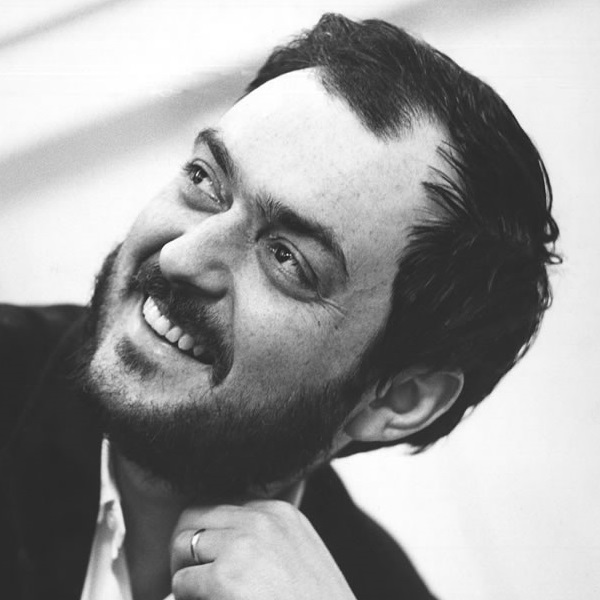
Nominations: Hitchcock ~ Rebecca (1940); Lifeboat (1944); Spellbound (1945); Rear Window (1954); Psycho (1960)/ Kubrick ~ Spartacus (1960); Dr Strangelove Or: How I Learned To Stop Worrying And Love The Bomb (1964); 2001: A Space Odyssey (1968); A Clockwork Orange (1971); Barry Lyndon (1975)
Not even nominated for: Hitchcock ~ The 39 Steps (1935); The Lady Vanishes (1938); Suspicion (1941); Notorious (1946); Dial M For Murder (1954); Vertigo (1958);
North By Northwest (1959); The Birds (1963)/ Kubrick ~ The Killing (1956); Paths Of Glory (1957); Lolita (1962); The Shining (1980); Full Metal Jacket (1987)
For film lovers, the idea that Alfred Hitchcock and StanleyKubrick aren’t among the greatest directors to have helmed a movie is, frankly laughable. Not for the Academy, it seems. Because, yes, amazingly neither of these acclaimed-to-the-skies, utterly revolutionary geniuses of the medium apparently warranted winning a single director award for their efforts. Sure, many great filmmakers haven’t necessarily won that particular award for their best work (e.g. Roman Polanski for 1975’s Chinatown; Martin Scorsese for 1990’s Goodfellas), but they have nonetheless won it at some stage (Polanski for 2002’s The Pianist; Scorsese for 2006’s The Departed), but Hitchcock and Kubrick can’t claim that – not least because they’re now both dead. The closest, you may say, either came to clinching a Best Director win was when Hitchcock’s Rebecca won Best Picture, yet not only did the director gong that year instead go to John Ford for The Grapes Of The Wrath, but Rebecca only won one other award (cinematography) from its total 11 noms. Granted, both faced stiff opposition some years; Hitch for the supreme Rear Window was up against eventual winner Elia Kazan for eight-times-winning On The Waterfront; Kubrick in ’75 (Barry Lyndon) was up against eventual gong-getter Milos Forman (for five-time-victor One Flew Over The Cuckoo’s Nest). But the passing of time certainly hasn’t been kind to other decisions that went against them – for most film fans, Kubrick’s nom for his adored sci-fi epic 2001: A Space Odyssey is the least he deserved; Carol Reed’s win over him that year for Oliver! far more than he deserved (although, must admit, I do love Oliver!). And, hey, just look at all the films above there that Hitch wasn’t even nominated for – The 39 Steps? Vertigo? North By Northwest? Come on. However, perhaps the biggest (related) insult came when Kubrick, I kid you not, received a Razzie – instead of an Oscar – nomination for classic chiller The Shining. At least the Academy wasn’t to blame that time – well, not entirely anyway.
.
.
And, in the name of fairness, Oscar’s five greatest ever decisions
.
5. The Lord Of The Rings: The Return Of The King wins Best Picture (2003)
The top award at last goes to an out-and-out fantasy – and one of the best ever, at that
.
4. Star Wars sweeps the technical awards (1977)
Having had an entire special effects studio set up to deliver its eye-popping thrills (Industrial, Light & Magic), George Lucas’s original opus sees Oscar-voters go gaga for its greatness
.
3. Robert De Niro wins Best Actor for Raging Bull (1980)
One of the darkest, most visceral, swear-happy and unremitting (yet also one of the most captivating) performances ever leaves the too often soft-bellied Academy punch-drunk
.
2. Katharine Hepburn wins her fourth acting Oscar for On Golden Pond (1981)
America’s best ever actress and female star sets a nowhere-near-ever-equalled award record
.
1. Casablanca wins Best Picture (1942)
Oscar’s shining moment? Hollywood rightly rewards perhaps its greatest gift to the world
.
Red hot on the ice: they mayn’t have been a couple for years but Torvill and Dean’s sublime performance to Ravel’s Boléro made-up a (semi-) loved-up Blighty on Valentine’s Day 1984
Ah, Valentine’s Day, eh? We all know the drill, don’t we – romantic dinners out, rose petals, cherubs and cardboard-mounted declarations of love (conveniently phrased by greeting cards’ copywriters). But 30 years ago today, the drill was very different for Blighty’s – and the world’s – leading ice skating pair, Nottingham’s Jane Torvill and Christopher Dean, the biggest thing to have come out of that most provincial of cities since Robin Hood.
For today promised to be their day of destiny; the day they performed their best – maybe anyone’s best – ice skating routine ever witnessed; the day they’d burn up the ice, whup the opposition into a pulp and bring home the gold; the day their remarkable careers would reach its dizzying zenith. And, yes, peeps, they only went and did it – did it with bells on, in fact; or rather with that hypnotic Boléro-ific drumbeat on. For this was the day ice skating was changed forever with their passionate, intoxicating, beautiful and unforgettable routine; the day Torvill and Dean became as famous as Cupid himself.
So, here it is, George’s Journal‘s image-, quote- and (at its end) video clip-packing celebration of the 30th anniversary of Torvill and Dean’s glorious triumph at the 1984 Sarajevo Winter Olympics. Get those ‘sixes’ ready, folks, because here we go…
.
.
“Tonight we reached the pinnacle. I don’t remember the performance at all. It just happened. But I think it was the most emotional performance we have ever given. What just happened out there – getting the medals – that is what we’ve worked for so hard for so long” ~ Christopher Dean
.
.
Great skate: following the performance, the scoreboard makes it official – Torvill and Dean’s incredible routine has made history by scoring an utterly unprecedented perfect six score for ‘artistic impression’ from all nine judges; their winning the gold medal is now a formality
.
.
“I just don’t believe it. I don’t think we’ll get to bed tonight at all. I just want to say hello and thank the people of Nottingham” ~ Jane Torvill
.
.
Royal encounter: Torvill and Dean and their coach Bettie Callaway (centre) meet Princess Anne around midnight, hours after their performance – they’d been up since around 5am in order to get a private practice session in; at home, 24 million Brits have watched them win the gold
.
.
“Nowadays, with the rules of the competition, it’s quite a technical thing rather than a creative thing. The skaters have to include certain types of lifts, certain types of steps – none of which are contained in Boléro. So I don’t know how it would go down – we’d probably be breaking the rules” ~ Jane Torvill (radiotimes.com, February 11 2014)
.
.

Not so tiny ice dancers: Elton John’s presenting them with the BBC’s 1984 Sports Personality of the Year award in December confirmed that Torvill and Dean had become British superstars; by now they’d already ‘gone professional’ – they would dominate international professional competition for the next 10 years before returning to the Olympics and winning a bronze
.
.
“In my heart, Torvill and Dean will always still be above everyone” ~ Evgeny Platov, the Russian skater whom with partner Oksana Grishuk beat the Brits to gold at the Lillehammer 1994 Winter Games (radiotimes.com, February 11 2014)
.
.
Further reading/ viewing:
Torvill And Dean: The Perfect Day documentary on the BBC iPlayer
.
.


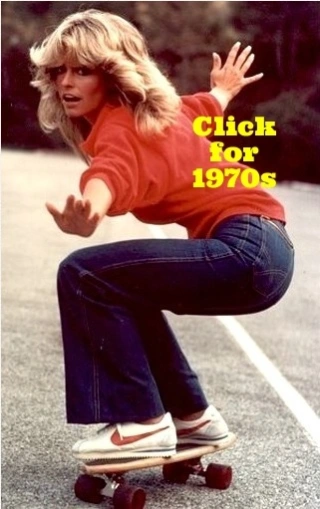
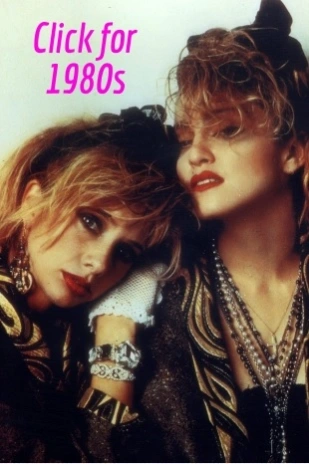

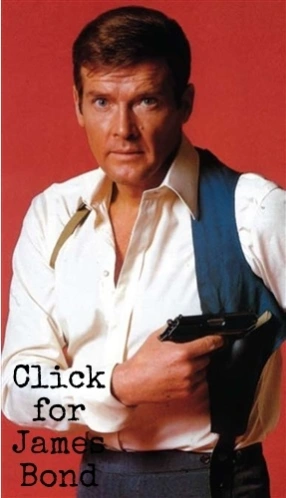

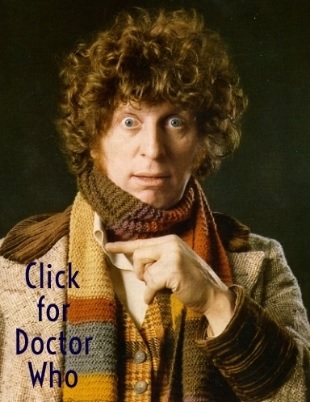








 George's Journal